

small-to-medium breed
Miniature American Shepherd
Bred down in size in California and recognized under a new name in 2015, so this is a breed of their own now rather than a small Australian Shepherd. Miniature American Shepherds are athletic, quick to learn and closely attached to their family, and they fit a car, a townhouse and an agility ring. Two honest costs: a double coat that sheds all year, and an MDR1 gene test that decides which drugs are safe for life.

Pup Height
13-18 in

Pup Weight
20-40 lb
Males 14-18 in, females 13-17 in at the shoulder; the standard sets no weight, and most adults fall between 20 and 40 lb. Black, blue merle, red and red merle, each with or without white and/or tan (copper) markings. A medium-length, weather-resistant double coat, with a docked or natural bobtail common. No size varieties within the breed. Recognized by the AKC in 2015. Source: AKC breed standard.

Pup Lifespan
12-13 years
Your pup, at a glance
What’s Life With This Pup Really Like?

High. Miniature American Shepherds are devoted to their family and like to stay within touching distance, often following their person from room to room.

Very good. Playful and loyal with children they know, though running kids can trigger heel-nipping that needs redirecting.

Good. Usually sociable with other dogs and fine with cats raised alongside them, though some will try to herd the cat.

Moderate. They announce visitors and movement outside, and a bored dog barks much more.

High. An hour or more of daily activity with mental work in it; the small size does not reduce the drive.

Heavy. A double coat that sheds year-round and blows out twice a year.

Very playful. Quick, athletic and keen on games, sports and anything done together with their person.

Very low. A clean, dry-mouthed dog.

Excellent. Eager, handler-focused and quick to learn, and a natural at agility and obedience.

Good. Alert and reserved with strangers, and reliable about raising the alarm without being aggressive.

Moderate to high. Brushing two or three times a week, and daily during the seasonal blow.

Moderate. The size travels and fits smaller homes well, but the breed does poorly with long hours alone or too little to do.
Lifestyle fit
Could This Be Your Best Breed?
Miniature American Shepherds suit an active household that wants to train something - sports, tricks, farm chores - and will put in an hour or more a day. Budget $1,500 to $2,700 a year, with grooming up to $700 of that, across twelve or thirteen years. The owners who give up are almost always the ones who picked a smaller herding dog expecting a calmer one.

Living Space
A house with a yard is easiest, but the smaller frame makes a Miniature American Shepherd workable in a townhouse or a larger apartment with an owner who gets out every day. Size changes the space needed, not the exercise or the mental work.

Pup Experience
Suitable for an active first-time owner who wants to train. The breed is eager and quick to learn; the people who struggle are the ones who chose a smaller dog expecting a calmer one.

Daily Pup Time
About an hour to ninety minutes of activity a day with training or a game in it, plus brushing two or three times a week and more during the seasonal shed.

Allergies & Coat
The Miniature American Shepherd scores 7/10 for shedding and 2/10 for drooling. No dog is truly hypoallergenic. The allergens come from dander and saliva, and a dog that sheds this much will leave plenty of hair behind - especially on your furniture, floors, and clothes.
Quirks & challenges
The Not-So-Easy Stuff

Not a Calmer Aussie
Smaller body, same working mind. An under-exercised Miniature American Shepherd is just as restless as a full-size one.
Herding People
Circling and nipping at the heels of running children or joggers is instinct. Redirect it early and give it an outlet.
Shedding Coat
A double coat that sheds steadily and blows out seasonally. Regular brushing keeps mats out from behind the ears and under the legs.
Wary of Strangers
Loyal to family and naturally reserved with newcomers. Wide socialization in puppyhood keeps caution from becoming nervousness.
Barks at Changes
A watchful dog that announces visitors and movement outside. Boredom makes the barking noticeably worse.
Merle Breeding Risks
Two merle parents can produce deaf or blind puppies. Ask any breeder the coat color of both parents.
The good, the bad & the hairy
Health, Care & Costs
Understanding the health risks and ongoing costs of a Miniature American Shepherd helps you plan for a happy, healthy life together.

12-13 years
$60-$95
per groom (bath, blow-out, de-shed, nails, sanitary tidy), every 6-8 weeks or done at home ($0-$700/year)
$1,500-$2,700/year
all-in (food, routine vet, grooming, insurance, incidentals)

Health Risks
Conditions this breed is prone to.

A gene mutation shared with the Australian Shepherd that makes ordinary doses of some drugs, including certain dewormers, sedatives and chemotherapy agents, dangerous. An inexpensive DNA test tells you whether a dog is affected, and the result should be on file with your vet.
Cataracts can appear in young adults, and one known form is linked to the HSF4 gene, for which there is a DNA test. Breeding dogs should also have annual eye examinations, since not every cataract is genetic.
PRA slowly destroys the retina and leads to blindness; CEA is a defect at the back of the eye present from birth. DNA tests exist for prcd-PRA and CEA, so tested parents largely remove the risk.
Loose hips wear into arthritis, and the kneecap can slip out of place, a problem more typical of smaller dogs. Ask for hip scores and a patella evaluation on both parents.
Idiopathic seizures do occur in the breed, usually starting between one and five years of age. There is no screening test; the condition is managed with lifelong daily medication and regular bloodwork.
Puppies from two merle parents can inherit two copies of the merle gene and be born deaf, blind or both. It is entirely a breeding decision, and responsible breeders do not pair merle to merle.

Insurance & Health Coverage
A generally sturdy, long-lived breed, so the case for insurance rests on a few specific conditions rather than a long list.

The expensive ones tend to show up early. Epilepsy, cataracts and luxating patellas often appear in the first few years, and once a vet notes any of them the condition becomes pre-existing and is excluded for life. Enrolling a puppy before the first symptoms is the protection that matters.

The inherited eye diseases and double-merle defects are congenital, so no policy will pay for them - DNA results and eye clearances on both parents are the real safeguard. MDR1 testing costs little and prevents a drug reaction rather than insuring against one.
 Get a Pet Insurance Quote
Care needs
The Daily Routine

Grooming
Brush two or three times a week with a slicker and a comb, working behind the ears, under the legs and through the trousers where mats start. Daily during the spring and fall coat blow. Trim nails and the hair between the pads regularly, and do not shave the double coat.

Exercise
An hour to ninety minutes a day, and the head needs as much work as the legs. Brisk walks and fetch are a start; training, agility, herding and scent games are what actually settle the breed. Puppies should build up gradually rather than doing long runs before their joints mature.

Food & Weight
Two measured meals of a good small-to-medium breed food, with training treats counted in the daily ration. The coat hides extra weight well, so check by feeling for the ribs. Keeping a Miniature American Shepherd lean protects the hips and knees.
Similar breeds
If This Isn’t Quite the One
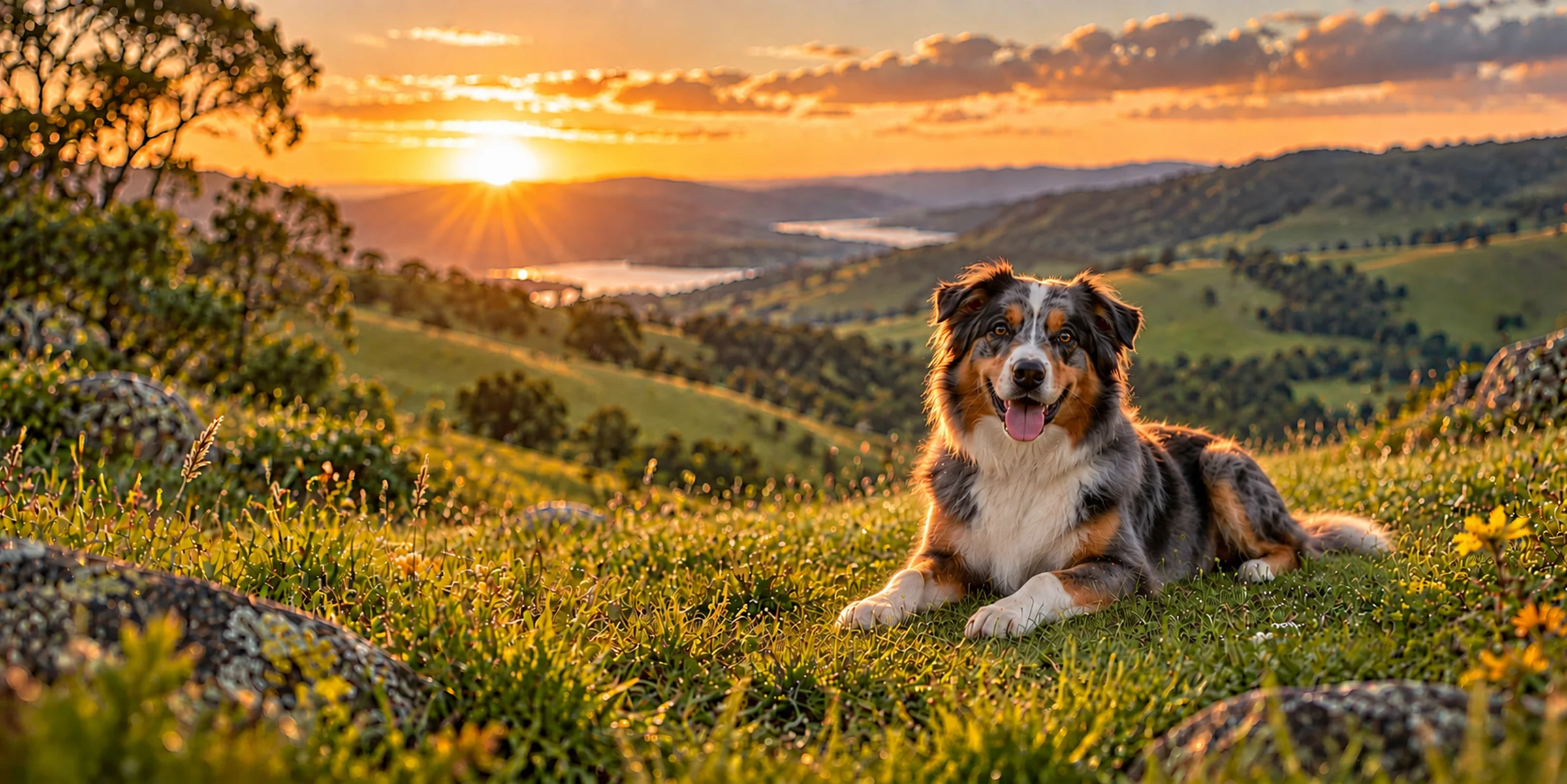
Australian Shepherd
The breed the Miniature American Shepherd came from, with the same colors, coat and working temperament. The Aussie is about twice the weight and needs more room; the Miniature American Shepherd packs nearly the same drive into a dog that travels and lives more easily.
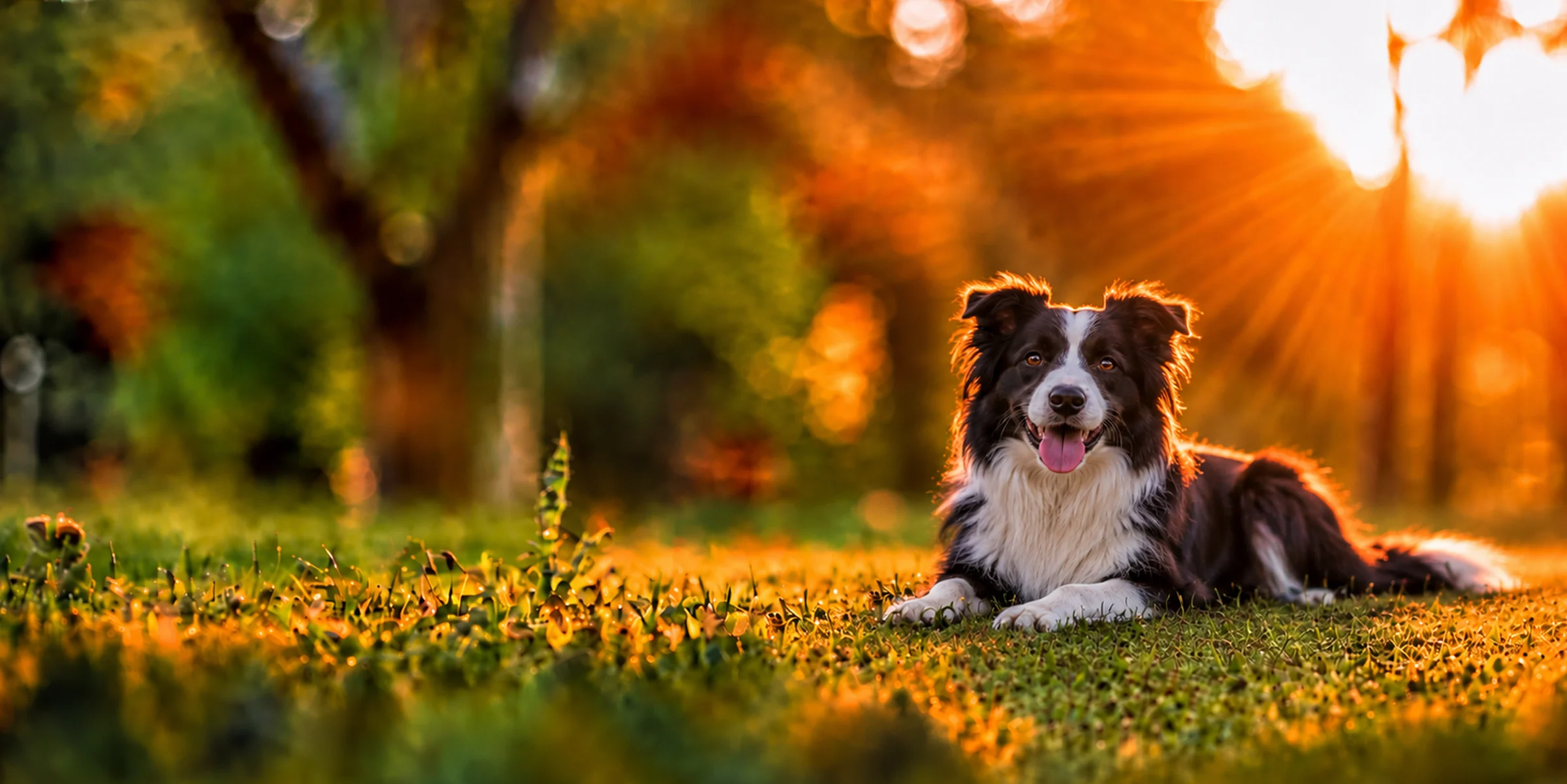
Border Collie
Another brilliant, high-drive herding dog. The Border Collie is larger, more intense and more sensitive to noise and movement; the Miniature American Shepherd is the more sociable, family-centered dog.
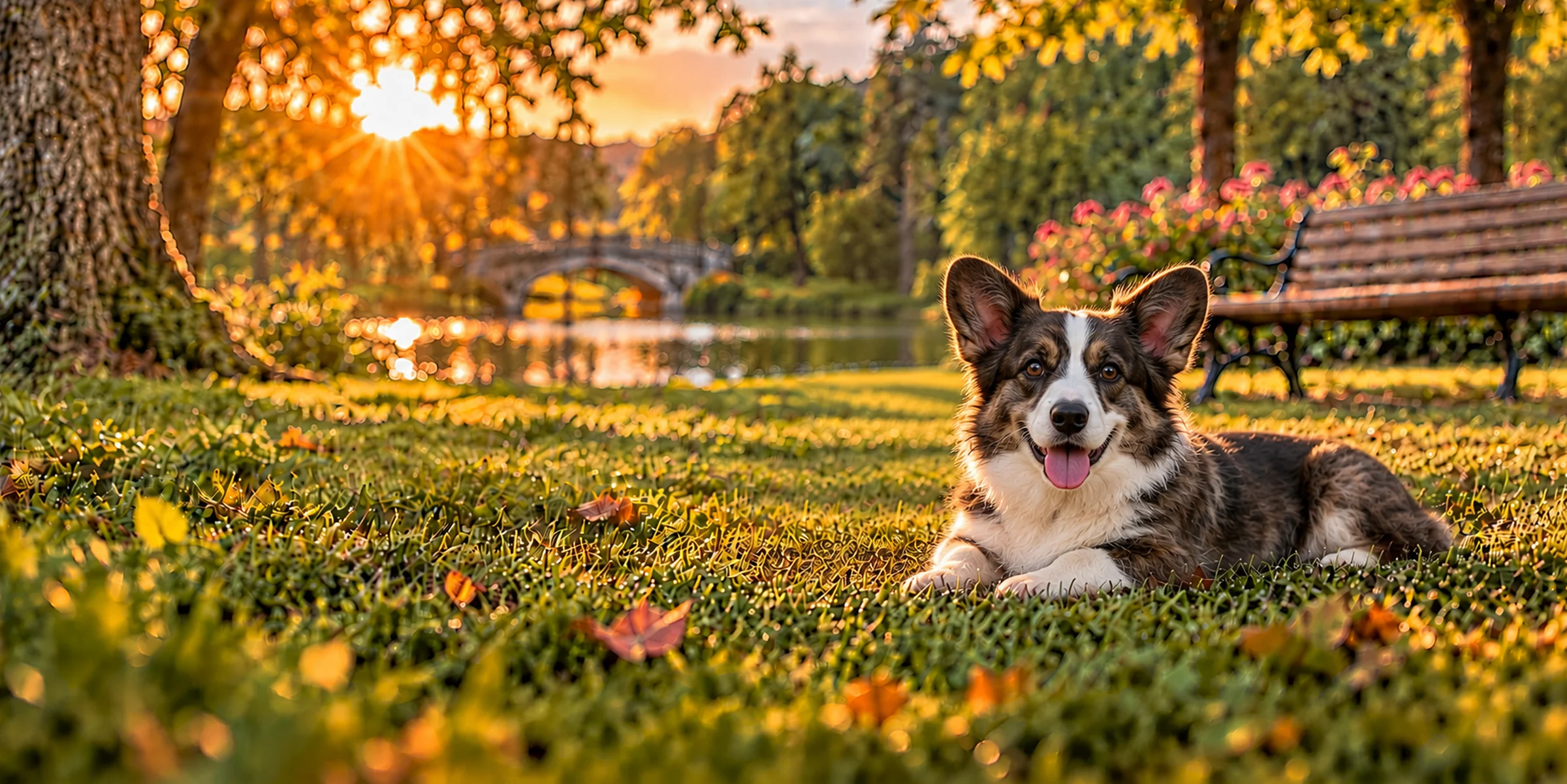
Cardigan Welsh Corgi
A compact herding breed that also comes in blue merle. The Cardigan is lower to the ground, more independent and calmer indoors; the Miniature American Shepherd is more athletic and needs more daily work.