

large-to-giant breed
Otterhound
Bred in Britain to trail otters along rivers for hours at a stretch, and left without a job when otter hunting ended in the late 1970s. The breed nearly went with the work: a few hundred Otterhounds exist worldwide, and The Kennel Club lists them as a vulnerable native breed. What survives is a shaggy, amiable, boisterous hound who loves water, carries a wet beard across the floor, and has a bay you can hear from a long way off.

Pup Height
24-27 in

Pup Weight
80-115 lb
Males approximately 27 in and 115 lb, females approximately 24 in and 80 lb. Any color or combination of colors is allowed. A rough, coarse outer coat 2-6 in long over a soft, slightly oily, water-resistant undercoat, with large, thick-padded webbed feet. Source: AKC breed standard.

Pup Lifespan
10-13 years
Your pup, at a glance
What’s Life With This Pup Really Like?

High. Otterhounds are affectionate and like company, though they are more likely to lean against a leg than climb into a lap.

Very good. Friendly and tolerant, with the caveat that a large, bouncy adolescent can easily knock over a small child.

Very good with dogs, having been bred to hunt in packs. Cats raised alongside them are usually fine; small pets outdoors are another matter.

High. A deep, loud, baying voice that carries a long way and gets used when bored or on a scent.

Moderate. Plenty of stamina for long walks and swims, and relaxed indoors once exercised.

Moderate. The rough coat sheds steadily rather than heavily, and regular brushing catches most of it.

Boisterous and good-humored, with a clownish streak and a real love of water and sniffing games.

Moderate. Not a heavy drooler, but the beard drips water and food across the floor after every meal and drink.

Challenging. Intelligent but independent, and easily distracted by scent - food rewards and patience get results, pressure does not.

Moderate. The bay announces visitors loudly, but most Otterhounds greet the people behind the door as friends.

Moderate to high. Weekly brushing and combing to prevent mats, plus drying after swims and daily beard cleanup.

Low. Size, voice and scent drive make them a poor fit for apartments, close neighbors or unfenced homes.
Lifestyle fit
Could This Be Your Best Breed?
Otterhounds suit a rural house with a securely fenced yard and an owner who has kept a scent hound before and does not mind mud indoors. Ten to thirteen years at $2,000 to $3,500 a year, and finding a puppy can mean a long wait for one of the few litters born each year. The bay travels much further than new owners expect, which rules out a suburban street before anything else does.

Living Space
A house with a securely fenced yard, ideally somewhere rural. Otterhounds are big, loud, messy and led by their nose, and neighbors close enough to hear the bay tend to find out about it.

Pup Experience
Better for owners who have lived with a scent hound before. Otterhounds are good-natured and not hard to love - the difficulty is a large, independent dog who hears a command and weighs it against whatever the nose has found.

Daily Pup Time
About an hour of exercise daily, with swimming or a long sniffing walk in it, plus a weekly brush-out of the coat and cleanup of a wet beard after every drink.

Allergies & Coat
The Otterhound scores 5/10 for shedding and 6/10 for drooling. No dog is truly hypoallergenic. The allergens come from dander and saliva, and a dog that sheds this much will leave plenty of hair behind - especially on your furniture, floors, and clothes.
Quirks & challenges
The Not-So-Easy Stuff

A Very Big Voice
A deep, carrying bay made to be heard across a river valley. Close neighbors will hear it.
Nose First, Owner Second
Bred to follow a trail for hours without direction. Recall on open ground is rarely reliable.
Hard to Find
Only a handful of litters are born each year, so expect a waiting list and some travel.
Messy Beard and Feet
The beard carries water across the floor after every drink, and big feet bring the yard indoors.
Slow to Grow Up
A large, clumsy adolescent for two to three years who can knock over small children.
Water Magnet
Any pond, stream or muddy puddle is an invitation, and a soaked rough coat takes hours to dry.
The good, the bad & the hairy
Health, Care & Costs
Understanding the health risks and ongoing costs of a Otterhound helps you plan for a happy, healthy life together.

10-13 years
$70-$120
per groom (bath, brush-out, mat removal, nails, ears), every 8-12 weeks or done at home ($0-$600/year)
$2,000-$3,500/year
all-in (food, routine vet, grooming, insurance, incidentals)

Health Risks
Conditions this breed is prone to.

The most significant orthopedic problem in the breed, and hip dysplasia rates are high. Loose joints wear into arthritis and can need surgery on a heavy dog. Both parents should have hip and elbow evaluations (OFA or equivalent), and puppies need controlled growth and exercise.
The stomach fills with gas and twists, cutting off circulation, and it kills within hours without emergency surgery. A large, deep-chested hound is at real risk - split meals, avoid hard exercise around feeding, and learn the signs: retching without producing anything, a swollen belly and restlessness.
An inherited platelet disorder in which the blood cannot clot properly, causing nosebleeds, bleeding gums and dangerous bleeding after injury or surgery. It is recessive and a DNA test exists, so both parents should be tested - a clear or carrier parent paired with a clear one produces no affected puppies.
Idiopathic epilepsy occurs in the breed, usually showing as seizures between one and five years of age. There is no DNA test; it is managed with daily medication, and breeders should be open about any seizures in their lines.
Lumps that form when oil glands in the skin become blocked, common under the rough, oily coat. Most are harmless and some burst or become infected, but any new lump should be checked by a vet rather than assumed to be a cyst.
Long, heavy, hair-covered ears on a dog who loves water hold warmth and moisture against the canal. Weekly checking, and drying after every swim, is most of the prevention.

Insurance & Health Coverage
Insure young. Hip and elbow dysplasia usually show up in the first few years, and once a vet has noted joint trouble it becomes a pre-existing condition that no new policy will touch. On a dog this heavy, joint surgery runs into the thousands per leg.

Bloat is the emergency to plan for - surgery often costs several thousand dollars on short notice - and epilepsy is the long-term claim, with lifelong medication and monitoring. Check whether a policy caps chronic conditions per year.

Glanzmann's thrombasthenia is inherited and congenital, so insurance is no protection; DNA results on both parents are. Ask the breeder for the paperwork before you commit.
 Get a Pet Insurance Quote
Care needs
The Daily Routine

Grooming
A rough, coarse double coat that needs a thorough brush and comb once or twice a week to keep mats from forming in the undercoat, especially behind the ears, under the legs and in the beard. The coat is meant to look natural and shaggy, so no trimming for style. Wipe the beard after meals, dry the coat and ears after swimming, and check the skin for cysts during brushing.

Exercise
About an hour a day of moderate exercise - long walks with plenty of time to sniff, hiking, and swimming wherever it is safe. Otterhounds have stamina rather than speed. Exercise on leash or in a securely fenced area, and keep puppies away from forced running and jumping until the joints finish growing.

Food & Weight
Large-breed puppy food and slow, steady growth to protect the hips and elbows. Adults do best lean, on two measured meals a day with hard exercise kept away from feeding because of the bloat risk. A raised bowl is not recommended as bloat prevention; a slow feeder helps a fast eater.
Similar breeds
If This Isn’t Quite the One
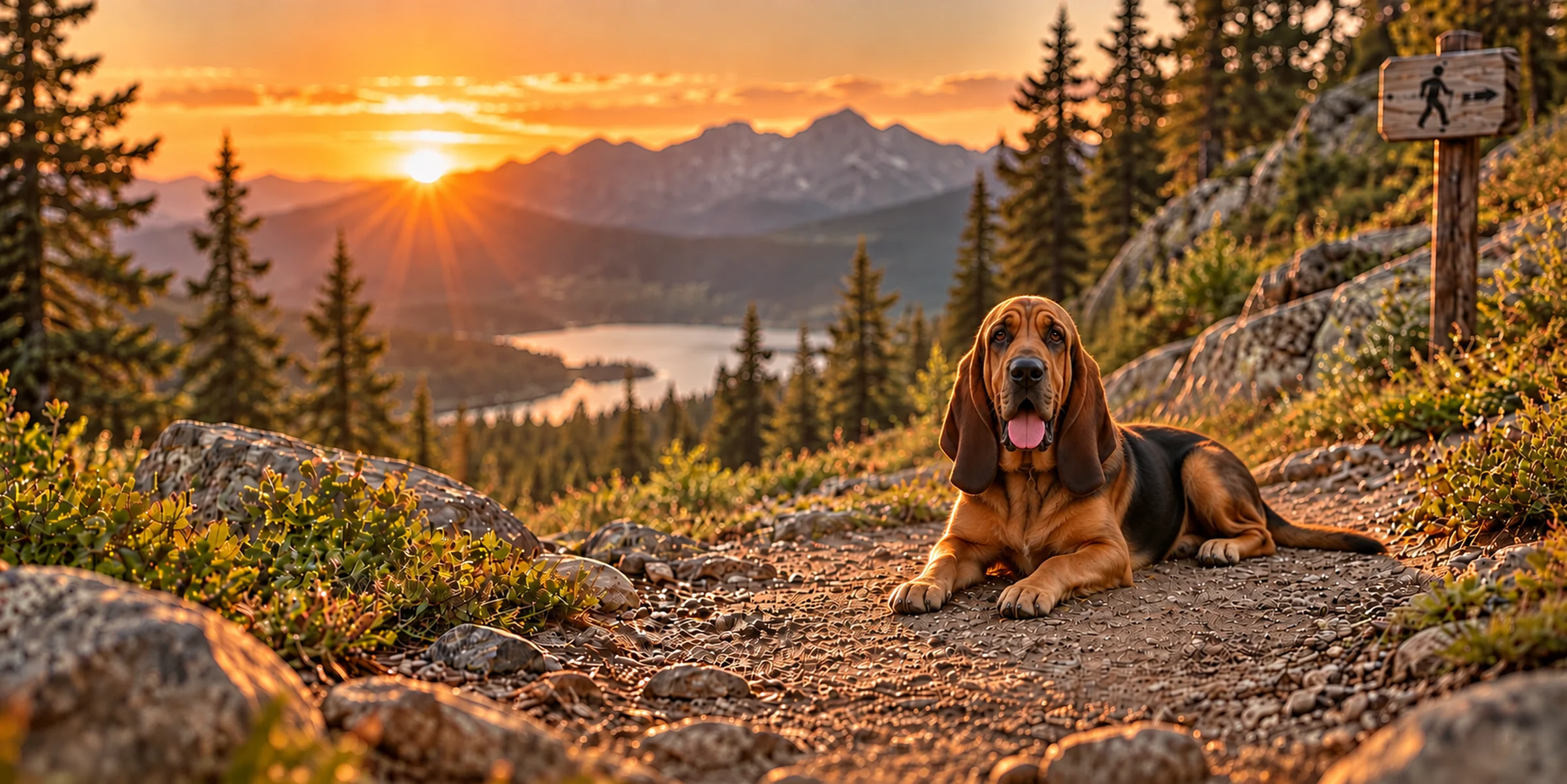
Bloodhound
A big, deep-voiced scent hound that probably contributed to the Otterhound's ancestry. The Bloodhound is heavier, droolier and more single-minded on a trail; the Otterhound is shaggier, more playful and far keener on water.
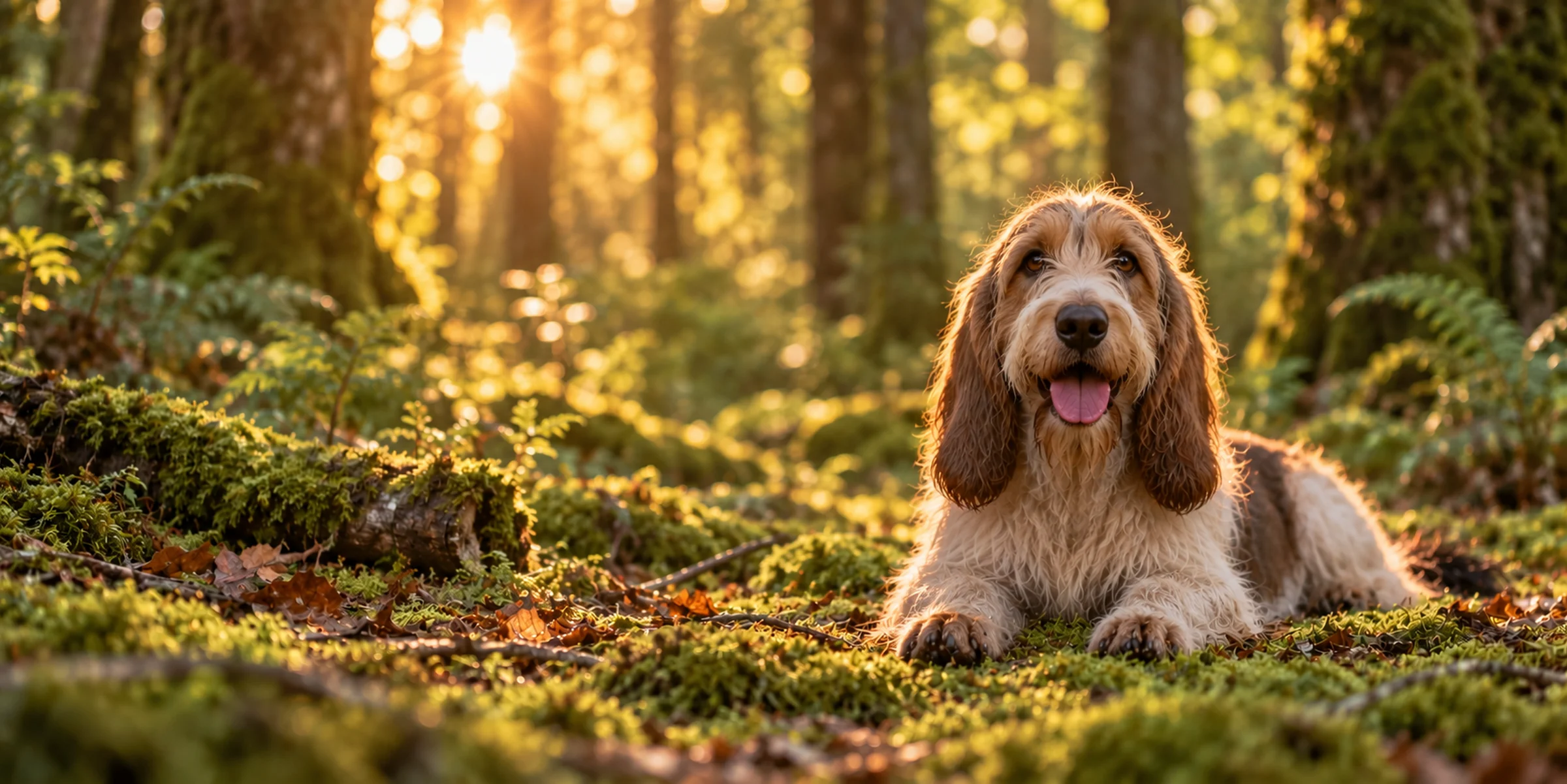
Grand Basset Griffon Vendeen
Another rough-coated, cheerful, vocal hound, and French griffon hounds are thought to have gone into the Otterhound. The GBGV is a fraction of the size and easier to live with; the Otterhound is a large dog with a much bigger voice and grooming load.
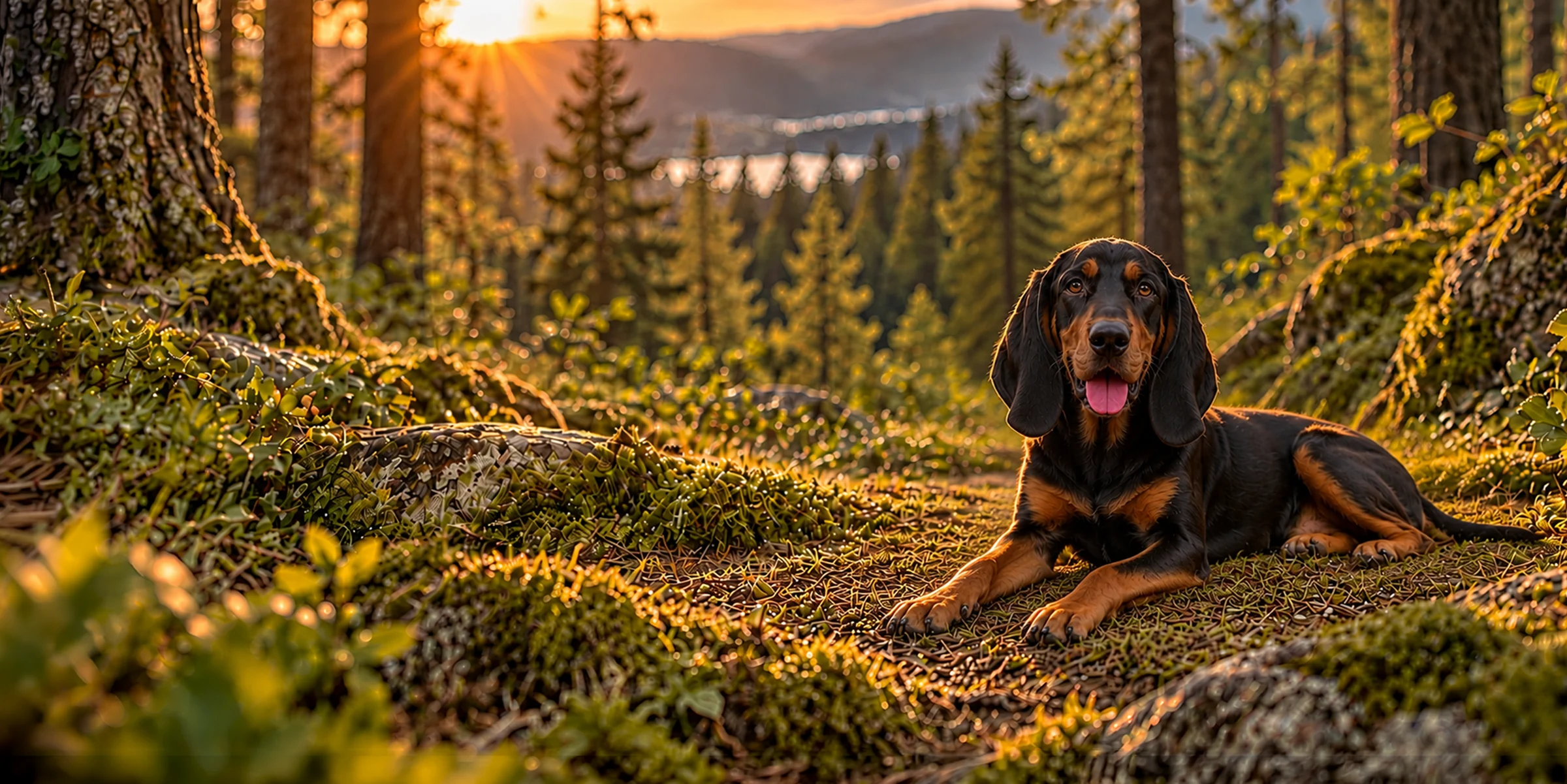
Black and Tan Coonhound
A large American scent hound with the same easygoing temperament, independent nose and carrying bay. The Coonhound has a short, easy coat and is far easier to find; the Otterhound needs regular grooming and is much rarer.