

medium breed
Grand Basset Griffon Vendeen
The name is a description: grand for the larger of the two basset griffons, basset for low-set, griffon for the rough coat, and Vendeen for the region of western France. The GBGV is noticeably longer, taller and racier than the Petit version, which is a separate breed rather than a size variety. A harsh, tousled double coat with heavy eyebrows, beard and moustache, in white with any combination of markings. Source: AKC breed standard.
A French pack hound built long, low and rough-coated to push hare through gorse and bramble. GBGVs are cheerful, tough and excellent with children and other dogs, and two things end ownerships: the voice, a full hound bay meant to be heard across country, and the nose, which takes them a long way from home with no thought of returning. Neither can be trained out of them.

Pup Height
15.5-18 in

Pup Weight
40-45 lb

Pup Lifespan
13-15 years
Your pup, at a glance
What’s Life With This Pup Really Like?

High. They are affectionate and companionable, and happy to settle against their people once the day's scent work has happened.

Excellent. Cheerful, sturdy and patient, with none of the sharpness some hounds carry - one of the better family hounds here.

Very good with dogs, having been bred to hunt in a pack. Cats and small animals are a different matter given the prey drive.

High. They were bred to bay on a trail so hunters could follow, and the voice carries - trainable down to manageable, never quiet.

High. Ninety minutes with real nose work, and they are calmer indoors than the figure suggests once it has happened.

Low to moderate. The harsh coat sheds lightly, and stripping removes most of what would otherwise drop.

Comic and enthusiastic. They play with their whole body and have a genuine sense of humor about themselves.

Low, though a wet beard redistributes water across the floor.

Low. Bright and willing indoors, and effectively unavailable once their nose has found something worth following.

Moderate. They will certainly announce an arrival - loudly - and then try to befriend whoever it is.

Moderate. Twice-weekly brushing, stripping a couple of times a year, and daily beard care.

Low to moderate. They handle rough country and cold well, and adapt badly to apartments, close neighbors and homes without secure fencing.
Lifestyle fit
Could This Be Your Best Breed?
A Grand Basset Griffon Vendeen suits a rural or semi-rural home with high fencing, other dogs for company, and an hour and a half a day of sniffing. At $1,300 to $2,200 a year they are inexpensive for their size, they are a healthy breed, and thirteen to fifteen years is normal. They are a poor choice for shared walls, a low fence, or an owner who expects a dog to come back when called.

Living Space
A house with genuinely secure fencing and tolerant neighbors. The GBGV is a pack scent hound who gives tongue on a trail and travels a long way on a scent, and both facts constrain where they can live.

Pup Experience
Manageable for a first-time owner who understands hounds and finds the stubbornness funny rather than frustrating. They are friendly and easy-natured, and their nose overrides their obedience completely.

Daily Pup Time
An hour to ninety minutes daily with real scent work. Grooming is a thorough brush twice a week plus hand-stripping a couple of times a year and beard care.

Allergies & Coat
The Grand Basset Griffon Vendeen scores 4/10 for shedding and 3/10 for drooling. No dog is truly hypoallergenic. The allergens come from dander and saliva, and a dog that sheds this much will leave plenty of hair behind - especially on your furniture, floors, and clothes.
Quirks & challenges
The Not-So-Easy Stuff

Recall Is Unreliable
A pack hound on a line stops hearing you and travels miles. Secure fencing and a long line, not training.
They Are Loud
Baying is the working function. It carries a long way and neighbors notice.
Serious Prey Drive
Bred to hunt hare. Cats, rabbits and small pets are a genuine problem.
Stubborn and Independent
They comply when nothing more interesting is available. Repetition without reward gets nothing.
The Coat Needs Stripping
Hand-stripping keeps the harsh texture; clipping softens it permanently and costs the weatherproofing.
Longer Back Than They Look
Low-set and long. Stairs, sofa jumps and extra weight all load the spine.
The good, the bad & the hairy
Health, Care & Costs
Understanding the health risks and ongoing costs of a Grand Basset Griffon Vendeen helps you plan for a happy, healthy life together.

13-15 years
$60-$90
per groom (strip or tidy, bath, beard, ears, nails), every 8-12 weeks ($300-$550/year)
$1,300-$2,200/year
all-in (food, routine vet, grooming, insurance, incidentals)

Health Risks
Conditions this breed is prone to.

Worth stating first. The breed has been maintained as a working pack hound rather than a show dog, and GBGVs carry a short inherited-disease list with a long working life.
Long heavy drop ears covered in hair trap warmth and moisture against the canal, and a dog working wet cover makes it worse. Weekly checking, cleaning and drying is the whole prevention; ignored it becomes chronic.
The discs between the vertebrae bulge or rupture and press on the spinal cord, causing pain and sometimes hind-leg weakness. A long, low-set body is built for it - keeping them lean and limiting repeated jumping does most of the prevention.
The joints develop loosely or unevenly and wear into arthritis. Present at low to moderate rates and screened by scoring both parents.
Seizures with no other underlying cause, usually first appearing between one and five years old. Controlled with daily medication rather than cured, and the drugs and monitoring are a lifelong cost.
Not inherited, but a likely reason they see a vet. A hound driving through bramble collects cuts, thorn punctures, eye injuries and grass seeds in the coat and feet.

Insurance & Health Coverage
A healthy breed with modest costs, so the case for cover is mostly the ordinary one plus two specifics.

Ears are the most likely repeat claim. Chronic otitis in long-eared hounds is common enough that some insurers exclude ear conditions after a couple of claims - get cover before the first ear appointment rather than after.

The back is the expensive risk. Disc disease in a long, low-set dog is a real possibility rather than bad luck, spinal surgery runs into several thousand dollars, and once a back episode is on the record insurers exclude the spine.
The rest is accident cover for a hound who travels on a scent and meets roads and fences doing it.
 Get a Pet Insurance Quote
Care needs
The Daily Routine

Grooming
A harsh, tousled double coat that needs a thorough brush twice a week to keep the furnishings clear, plus hand-stripping a couple of times a year to maintain the texture. Clipping is easier and permanently softens the coat. The daily job is the beard - wipe it after meals and water. Ears want checking and drying weekly, and after any outing in cover pick thorns and seeds out of the coat and feet.

Exercise
An hour to ninety minutes daily, and the scent half matters more than the distance. Tracking, trailing and nose games suit them far better than a walk on pavement, and they have the stamina to keep going.

Food & Weight
Two measured meals and honest treat accounting, with the bin secured. GBGVs are hounds - persuasive, food-focused and willing to help themselves - and extra weight lands on a spine already working hard.
Similar breeds
If This Isn’t Quite the One
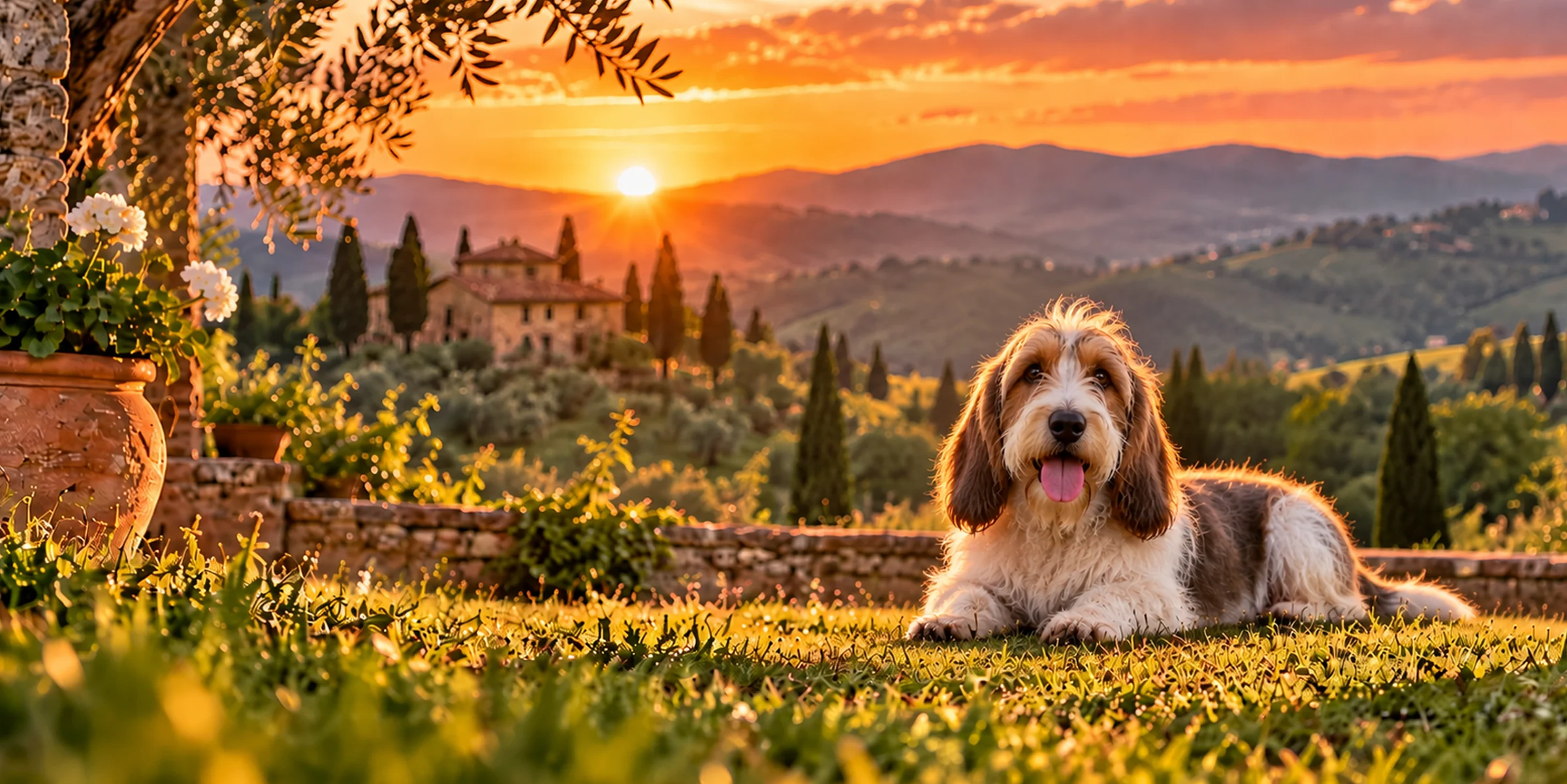
Petit Basset Griffon Vendeen
The smaller Vendeen basset and a separate breed rather than a size variety. The PBGV is shorter-legged, more compact and a little easier to live with; the GBGV is taller, racier and needs more exercise to settle.
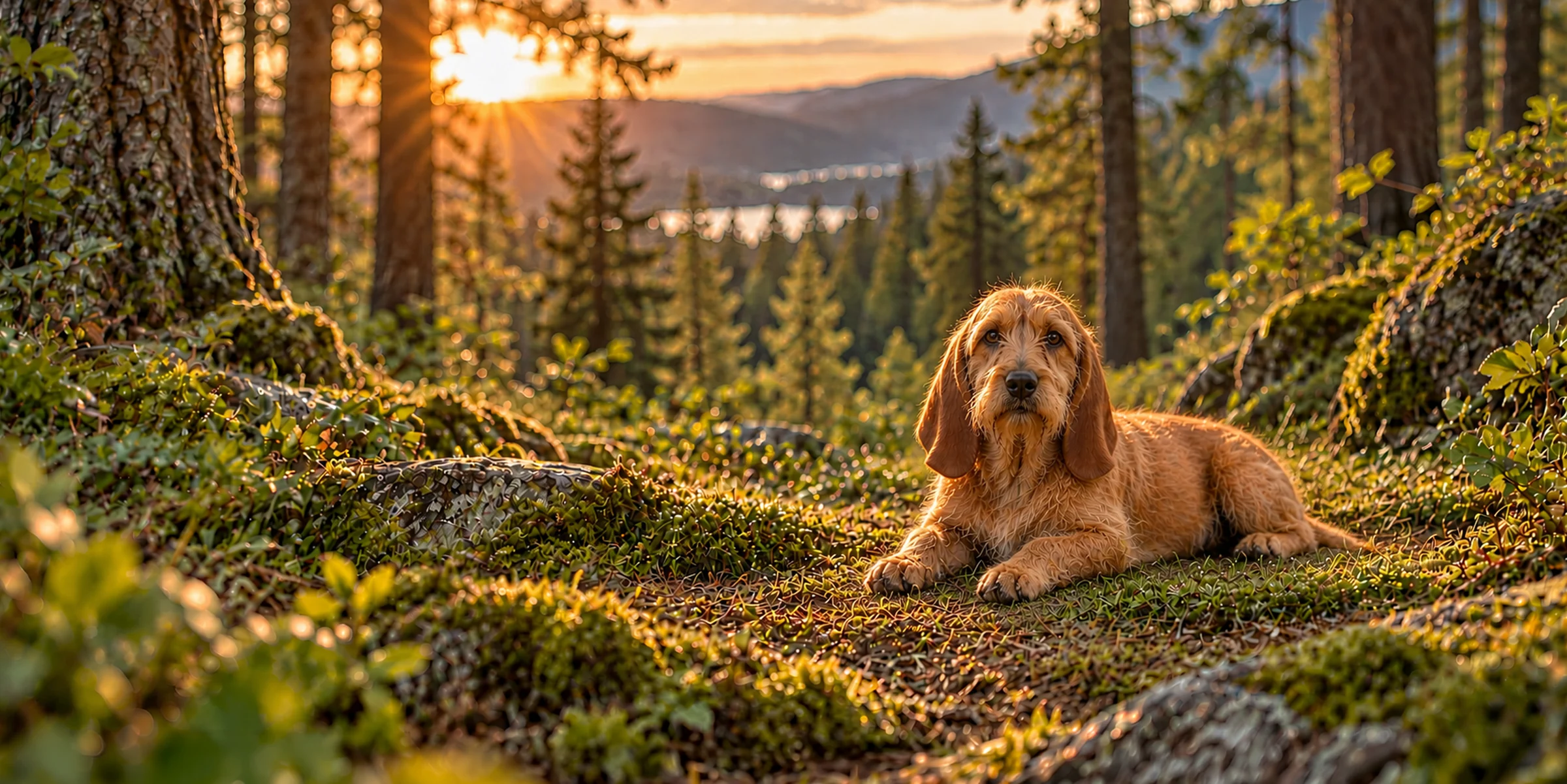
Basset Fauve de Bretagne
The closest match - another rough-coated French basset-type hound of similar size and temperament. The Fauve is smaller and a touch more biddable; the GBGV is racier, louder and needs more exercise.
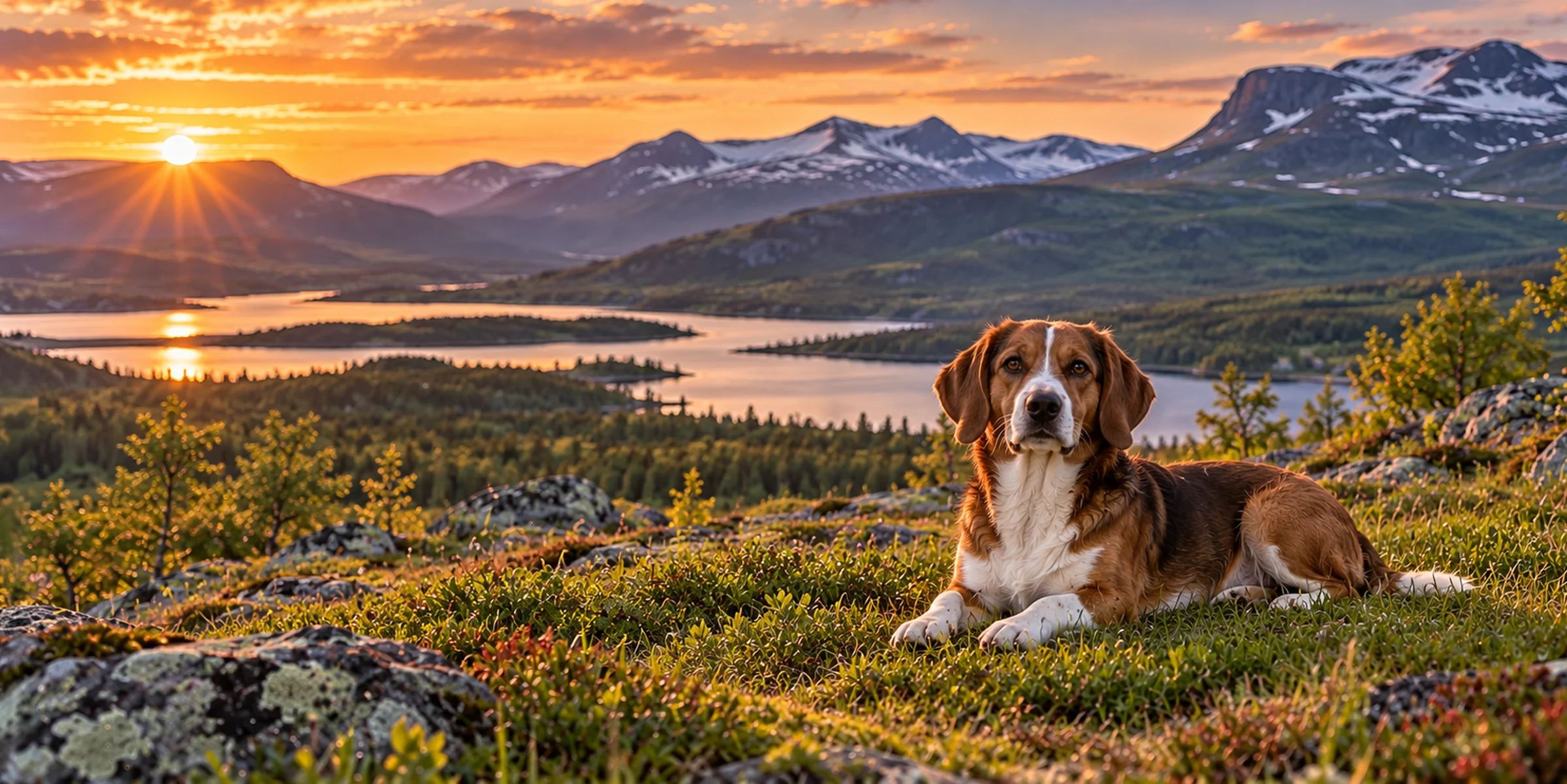
Drever
A comparable low-set driving hound with the same carrying voice, the same nose-over-recall problem and the same back considerations. The Drever is smooth-coated and Swedish; the GBGV is rough-coated and rather more sociable.