

small breed
Papillon
A toy spaniel with a working brain. The drop-eared Phalene came first, in Renaissance paintings on noble laps, and the upright butterfly ears that named the Papillon arrived later; both still turn up in one litter. What you get is five to ten pounds of trainable, athletic small dog with a real record in obedience and agility - and three honest costs: the barking, legs that break in puppyhood, and teeth that need daily attention for life.

Pup Height
8-11 in
Height 8-11 in at the withers; over 12 in is a disqualification. The standard sets no weight, asking only that it be in proportion to height. Two ear types, one breed: the Papillon's erect ears are carried like the spread wings of a butterfly, and the Phalène's drop ears hang completely down. Both are shown together as a single breed, both can turn up in the same litter, and ears that are partly down or mismatched are a fault. A long, silky single coat with no undercoat. Always parti-color or white with patches of any color; an all-white dog or one with no white is disqualified. Source: AKC breed standard.

Pup Weight
5-10 lb

Pup Lifespan
14-16 years
Your pup, at a glance
What’s Life With This Pup Really Like?

High. Affectionate and happy on a lap, though a Papillon would usually rather be doing something with you first.

Fair. Good with gentle older children, but a toddler can easily injure a dog this small, and a hurt or startled Papillon may snap.

Moderate. Usually fine with cats and small dogs raised alongside them; the risk is a Papillon picking a fight with a much larger dog.

Fairly high. Alert and quick to sound off at visitors and noises, and demand barking develops easily if rewarded.

Moderately high. Lively and playful for a toy breed, but a good walk and a play session settle them for the day.

Light to moderate. A single coat with no undercoat sheds steadily but never blows out in clumps.

Playful and inventive. Papillons love games, toys and learning tricks, and keep that spark well into old age.

Minimal. A dry-mouthed little dog.

Very high. Quick, eager and food-motivated, and among the most successful toy breeds in obedience and agility.

Good alarm, no deterrent. Papillons notice every arrival and announce it loudly, but cannot back it up.

Moderate. Regular brushing and combing keeps the silky coat tidy, and professional grooming is optional.

High. Suited to apartments, travel and most climates, provided they get company and something to do.
Lifestyle fit
Could This Be Your Best Breed?
Papillons fit an active adult household or a family with older children - an apartment is fine, a fenced yard is a bonus, and $1,200 to $2,300 a year covers a dog who often reaches fourteen to sixteen. They want training, not carrying. Anyone hoping for a quiet lapdog, or living somewhere a toddler will grab at a six-pound dog, should look elsewhere.

Living Space
Excellent in an apartment or a small house. Papillons need room to play rather than acreage, but a yard has to be properly secure - a dog this small and this quick finds gaps in a fence, and hawks are a genuine hazard to the smallest.

Pup Experience
A good first dog for an adult household willing to train. Papillons learn fast and want to work with their people; the traps are carrying them everywhere instead of teaching manners, and letting the barking become a habit.

Daily Pup Time
Thirty to forty-five minutes of walks and active play, some training or a puzzle most days, and a quick brush a couple of times a week.

Allergies & Coat
The Papillon scores 4/10 for shedding and 1/10 for drooling. No dog is truly hypoallergenic. The allergens come from dander and saliva, and a dog that sheds this much will leave plenty of hair behind - especially on your furniture, floors, and clothes.
Quirks & challenges
The Not-So-Easy Stuff

Barking
Alert and vocal, quick to announce visitors and noises. Teach a quiet cue early, before alarm barking turns into demand barking.
Fragile Puppies
Young Papillons leap off sofas and out of arms, and fine leg bones break. Use steps or a ramp and supervise with children.
Housetraining
Small bladders and a small mess that is easy to miss make toy breeds slower to housetrain. Consistency and a routine matter more than usual.
Takes On Big Dogs
Papillons do not know they are small. Supervise play with larger dogs and keep an eye out at dog parks.
Small Dog Syndrome
A clever dog that is carried and indulged learns to run the house. Papillons need the same rules and training as a larger dog.
Dislikes Being Alone
Bonded closely to their people and prone to barking and fretting when left for long stretches.
The good, the bad & the hairy
Health, Care & Costs
Understanding the health risks and ongoing costs of a Papillon helps you plan for a happy, healthy life together.

14-16 years
$45-$75
per professional groom (bath, tidy, nails, ears), every 6-10 weeks, or mostly done at home ($0-$450/year)
$1,200-$2,300/year
all-in (food, routine vet, grooming, insurance, incidentals)

Health Risks
Conditions this breed is prone to.

The kneecap slips out of its groove, showing as a skip or hop in the step. Mild cases need nothing more than monitoring; severe ones need surgery. Breeders should have both parents' knees examined and registered with OFA.
An inherited disease that gradually destroys the retina, taking night vision first and eventually most sight. A DNA test exists for the form identified in Papillons (PRA1, a CNGB1 mutation); annual eye exams screen for other eye conditions.
A rare, fatal inherited nerve disease in which puppies develop wobbliness, tremors and loss of coordination within the first few months. There is a breed-specific DNA test, and both parents should be clear or at least not both carriers.
Small, crowded mouths trap plaque, and many Papillons lose teeth early without care. Daily brushing and professional cleanings under anesthesia when needed are the realistic prevention.
Tiny puppies can run out of blood sugar if they miss a meal or get chilled or overtired, causing weakness, trembling or collapse. Frequent small meals prevent it, and most outgrow the risk by around four months.
The cartilage rings of the windpipe weaken and flatten, causing a honking cough that worsens with excitement or pressure on the neck. Walk a Papillon on a harness rather than a collar, and keep them lean; it is managed rather than cured.

Insurance & Health Coverage
A long-lived toy breed, so the question is mostly years of routine and mid-sized claims rather than one catastrophe. Dental work under anesthesia and patellar luxation surgery are the two most likely bills, and both can run from several hundred to a few thousand dollars.

Both develop gradually, which is exactly how they end up excluded: a note about a slipping kneecap or tartar at a puppy visit can become a pre-existing condition if the policy starts later. Insure early, and check whether dental illness is covered or only dental injury.

The inherited conditions with DNA tests - PRA and neuroaxonal dystrophy - are best dealt with before you bring a puppy home. Ask the breeder for test results on both parents rather than relying on a policy.
 Get a Pet Insurance Quote
Care needs
The Daily Routine

Grooming
A long, silky single coat with no undercoat, so it mats less than it looks like it should. Brush and comb two or three times a week, paying attention to the ear fringes, behind the ears and the feathering on the back legs. Bathe every month or so, trim the nails and the hair between the pads regularly, and brush teeth daily.

Exercise
Thirty to forty-five minutes a day of walks and active play, plus something for the mind. Papillons are natural candidates for agility, rally and trick training, and a little structured work goes further than extra mileage. Keep puppies off high furniture and away from rough play with big dogs.

Food & Weight
Small, measured meals of a good small-breed food; toy puppies need three or four meals a day to keep blood sugar steady. Adults put on weight easily from treats and table scraps, and even a pound or two extra puts strain on small knees and the trachea. Dental chews and daily brushing matter as much as the food itself.
Similar breeds
If This Isn’t Quite the One

Toy Poodle
Another bright, highly trainable toy dog that does well in performance sports. The Toy Poodle has a non-shedding coat that needs professional clipping; the Papillon sheds lightly but is far cheaper and easier to groom.
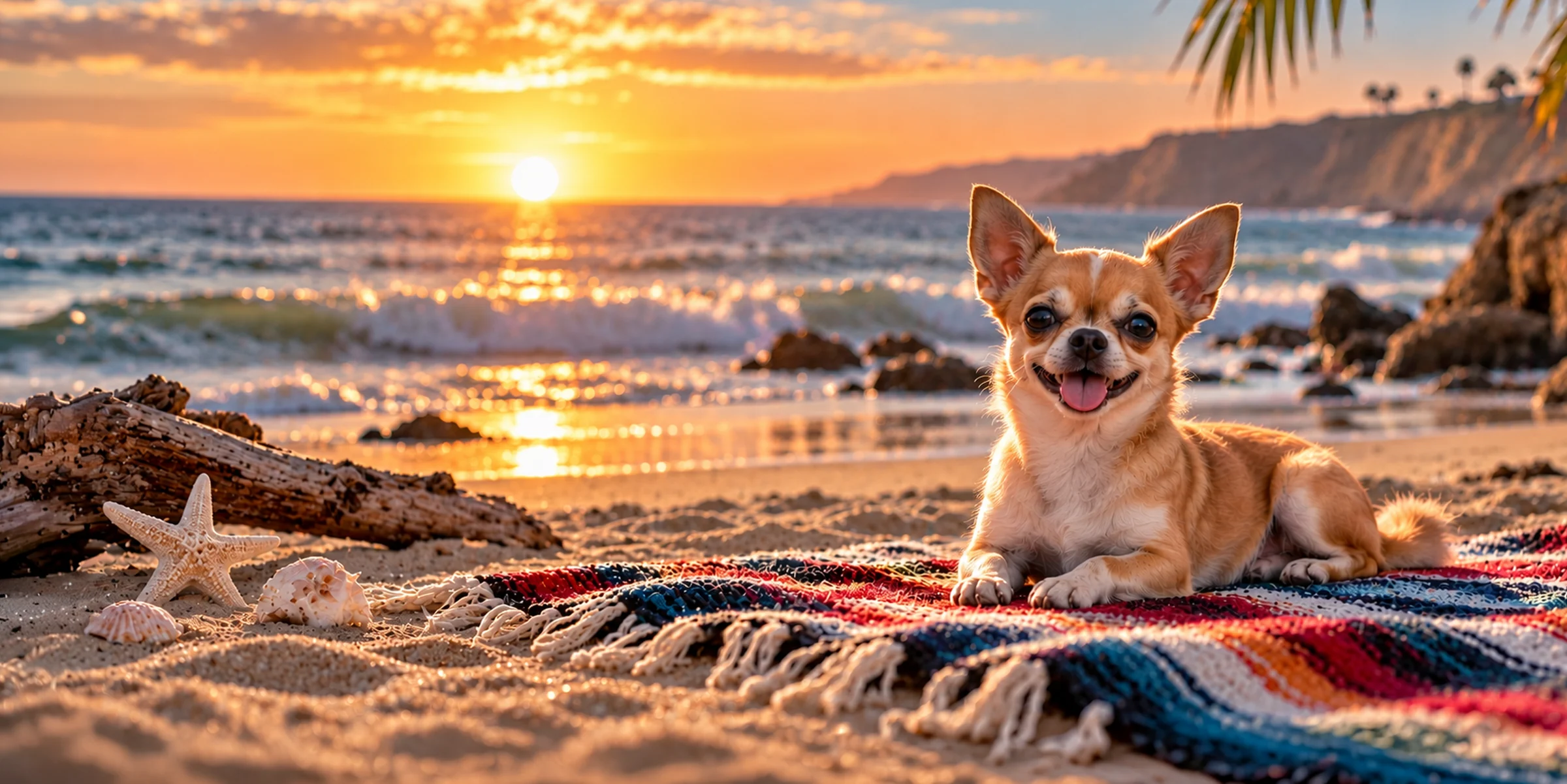
Chihuahua
A tiny, alert, long-lived companion that is just as vocal. The Chihuahua is smaller, more of a one-person dog and more wary of strangers; the Papillon is more sociable, more athletic and easier to train.
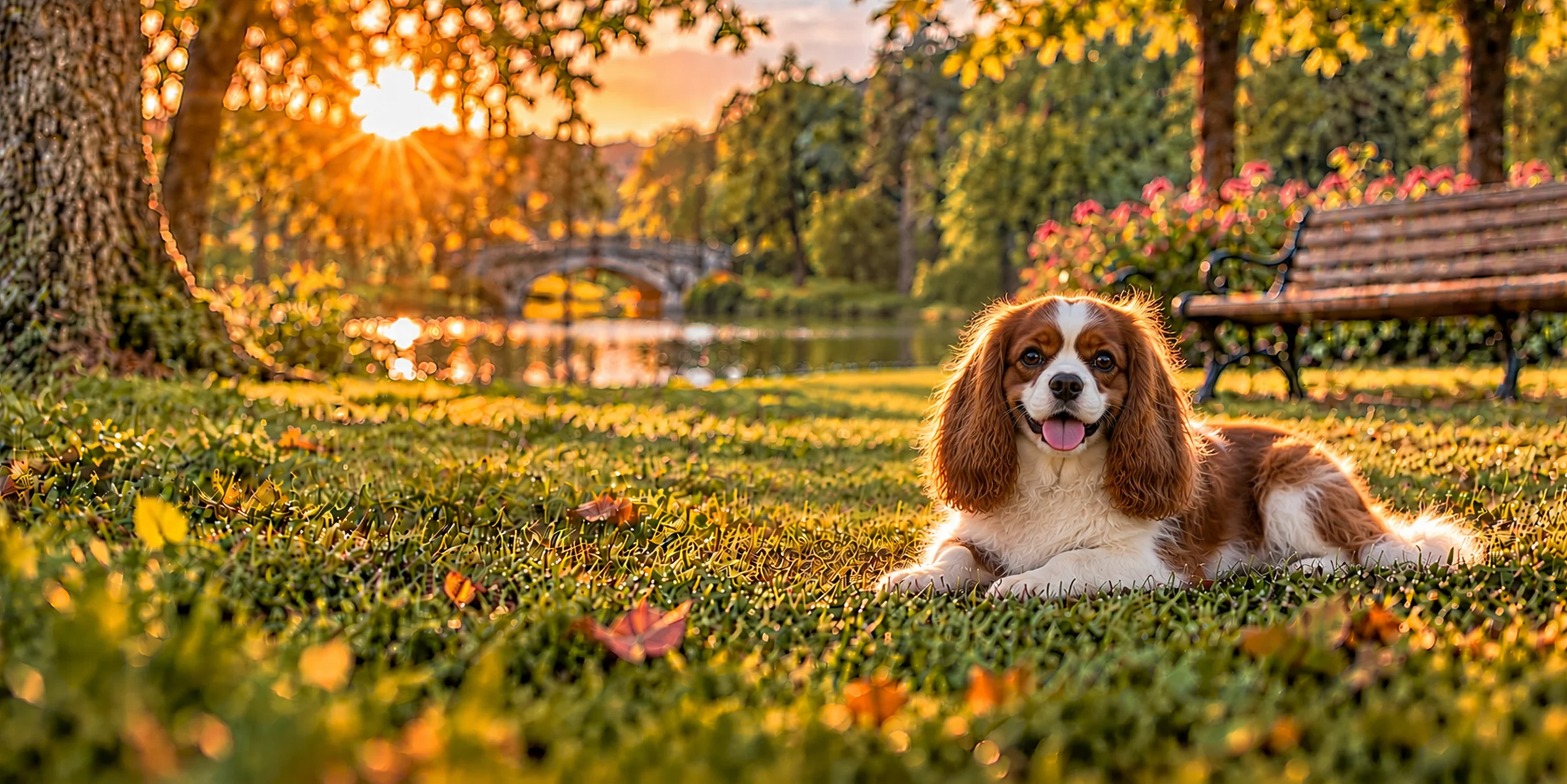
Cavalier King Charles Spaniel
A fellow toy spaniel with a silky coat and an affectionate nature. The Cavalier is larger, calmer and gentler with children but carries a much heavier health burden; the Papillon is busier, barkier and usually longer-lived.

Japanese Chin
A similar-sized, light, elegant companion with a feathered coat. The Chin is flat-faced, quieter and more of a lapdog; the Papillon needs more activity and training to be content.