

small-to-medium breed
Peruvian Inca Orchid
A Peruvian sighthound that comes in three sizes, from under ten pounds to over fifty, and in two coats from the same litter: hairless, which is what most people picture, and a short-coated version that carries none of the hairless gene. Hairless dogs come with bare skin to moisturize and sunscreen and an incomplete set of teeth, and neither variety is built to be left outdoors in cold or strong sun.

Pup Height
9.75-25.75 in

Pup Weight
8.5-55 lb
Three sizes, the same for both sexes: Small 9.75-15.75 in and 8.5-17.5 lb, Medium 15.75-19.75 in and 17.5-26.5 lb, Large 19.75-25.75 in and 26.5-55 lb. Two varieties from the same litters. The Hairless has bare skin in any color, solid or with unpigmented patches, allowing short hair on the head and traces on the feet and tail - shaving a coated dog to pass is not permitted. The Coated variety may be any color, with a short to medium coat. The hairless gene is dominant and lethal when doubled, so every Hairless carries one copy and the Coated dogs have none; incomplete teeth are normal in the Hairless, while the Coated should have full dentition. In the AKC's Miscellaneous Class since 2011, with full recognition in the Hound Group taking effect December 30, 2026. The FCI registers the breed as the Peruvian Hairless Dog. Source: AKC breed standard.

Pup Lifespan
12-14 years
Your pup, at a glance
What’s Life With This Pup Really Like?

High. Affectionate and physical with their own family, and a Hairless actively seeks out warm laps and blankets.

Fair with calm, respectful older children. Peruvian Inca Orchids are sensitive and reserved, and the smaller sizes are easily hurt by rough play.

Mixed. Usually fine with other dogs, but a sighthound's prey drive makes cats and small pets a risk unless raised together.

Low to moderate. They alert to arrivals and unusual sounds without being habitually noisy.

Fairly high outdoors. They love to sprint and need a daily outlet, then settle quietly indoors.

Low. The Hairless has almost nothing to shed, and the Coated variety's short coat sheds only lightly.

Athletic and quick. Chase games, running and lure coursing suit them best, played in short bursts.

Minimal.

Moderate. Clever and quick to learn, but sensitive and independent, and recall is limited by the chase instinct.

Good. Wary of strangers and alert at home, and more protective than most sighthounds.

Moderate. Little coat work, but skin care for the Hairless and daily tooth brushing for both varieties.

Moderate. Fine in an apartment with enough exercise, but sensitive to cold, sun, unfenced space and long hours alone.
Lifestyle fit
Could This Be Your Best Breed?
Peruvian Inca Orchids suit a devoted household that wants an athletic, barely-shedding dog indoors and treats sunscreen and a toothbrush as daily routine - about $1,200 to $2,400 a year over twelve to fourteen. Visitors get a careful look before a welcome, and cats get chased. Without a fence that holds a sprinting sighthound, and a plan for any small pets already in the house, do not.

Living Space
An apartment or a house, as long as the dog lives indoors and any yard is securely fenced. A Hairless Peruvian Inca Orchid cannot be left outside in cold or strong sun, and all three sizes will run after something moving faster than any recall can stop them.

Pup Experience
Better with someone who has lived with a sighthound or a reserved, independent breed before. The skin care is easy to learn; the harder parts are wariness with strangers that needs early socialization, and a prey drive that does not train out.

Daily Pup Time
About an hour of exercise, ideally including a chance to sprint in a fenced area. Skin care for a Hairless takes a few minutes most days, and both varieties need their teeth brushed daily.

Allergies & Coat
The Peruvian Inca Orchid has almost no coat to shed, and scores 1/10 for drooling. No dog is truly hypoallergenic. The allergens come from dander and saliva, so a dog with no hair at all still produces them.
Quirks & challenges
The Not-So-Easy Stuff

Sunburn and Skin Care
Hairless skin burns, dries out and breaks out in acne. Sunscreen, washing and moisturizer are daily routine, not extras.
Missing Teeth
The hairless gene also affects the teeth, and many Hairless dogs lack premolars. Daily brushing and yearly dental checks are essential.
Strong Prey Drive
A sighthound first. Small animals that run get chased, and recall rarely beats the instinct.
Wary of Strangers
Naturally suspicious of people outside the family. Without early socialization, caution turns into fear or guarding.
Cold and Heat
No coat for insulation or shade on the Hairless. Clothing in winter and shade in summer are practical needs.
Rare in North America
Few breeders and long waits, and the three sizes make it important to know which one you are getting.
The good, the bad & the hairy
Health, Care & Costs
Understanding the health risks and ongoing costs of a Peruvian Inca Orchid helps you plan for a happy, healthy life together.

12-14 years
$40-$70
per groom (bath, skin treatment or brush-out, nails, ears), every 6-8 weeks or done at home ($0-$500/year)
$1,200-$2,400/year
all-in (food, routine vet, grooming, insurance, incidentals)

Health Risks
Conditions this breed is prone to.

The same dominant gene that removes the coat also affects tooth development, so Hairless dogs are usually missing some premolars and sometimes molars, and the remaining teeth can be lost early. This is genetic rather than neglect. Daily brushing and regular dental checks keep what is there; Coated dogs should have full dentition.
Exposed skin, especially pale or unpigmented patches, burns quickly, and repeated burning raises the risk of skin cancer. A dog-safe sunscreen before time outdoors, shade and sun-protective clothing are the prevention.
Blackheads, blocked pores, dryness and contact irritation are common on hairless skin. Regular gentle washing and moisturizer manage most of it, and the breed club warns that household cleaners can irritate or be absorbed through bare skin.
The kneecap slips out of place, causing a skipping gait and sometimes needing surgery, more often in the smaller sizes. The breed club recommends a patella evaluation on breeding dogs.
The parent club asks breeders for an ophthalmologist examination and a cardiac exam before breeding. Neither points to one dominant disease in the breed, but tested parents are the best guard against inherited problems.
The club flags ear infections as something to watch and recommends BAER hearing tests on breeding stock. Weekly ear checks and prompt treatment keep infections from becoming chronic.

Insurance & Health Coverage
Dental work is the cost most owners of a Hairless underestimate, and the one a policy is least likely to pay for. Genetically incomplete teeth over a long life mean regular cleanings under anesthesia and extractions along the way, and most insurers exclude routine dental care whatever the cause. Read that section of the wording before you buy a policy.

Skin care is a steady running cost rather than a large claim - sunscreen, shampoos and the occasional vet visit for an infected spot. A suspicious lump on sun-damaged skin is different, and cancer cover with sensible caps is worth having.

The claims that do matter tend to be orthopedic or accidental: patellar surgery, or an injury from a fast sighthound hitting something at full speed. Insure young, before a limp or a skin complaint lands on the record as a pre-existing condition, and ask the breeder for the patella, eye, cardiac and hearing results on both parents.
 Get a Pet Insurance Quote
Care needs
The Daily Routine

Grooming
Two routines, depending on the variety. A Hairless needs a bath every week or two with a gentle shampoo, a light moisturizer, and dog-safe sunscreen before time in the sun, plus attention to any blackheads. A Coated dog needs only a weekly brush. Both need daily tooth brushing, regular nail trims and weekly ear checks.

Exercise
About an hour a day, mixing leashed walks with the chance to sprint in a securely fenced space. Peruvian Inca Orchids should not be trusted off leash in open areas. Plan outings around the weather - early or late in summer, with shade and sunscreen, and a coat on cold days.

Food & Weight
Portion by size, since a Small and a Large differ several times over in weight. Keep them lean, as sighthounds should be. Hairless dogs with many missing teeth may need smaller kibble or softer food, especially as they age.
Similar breeds
If This Isn’t Quite the One
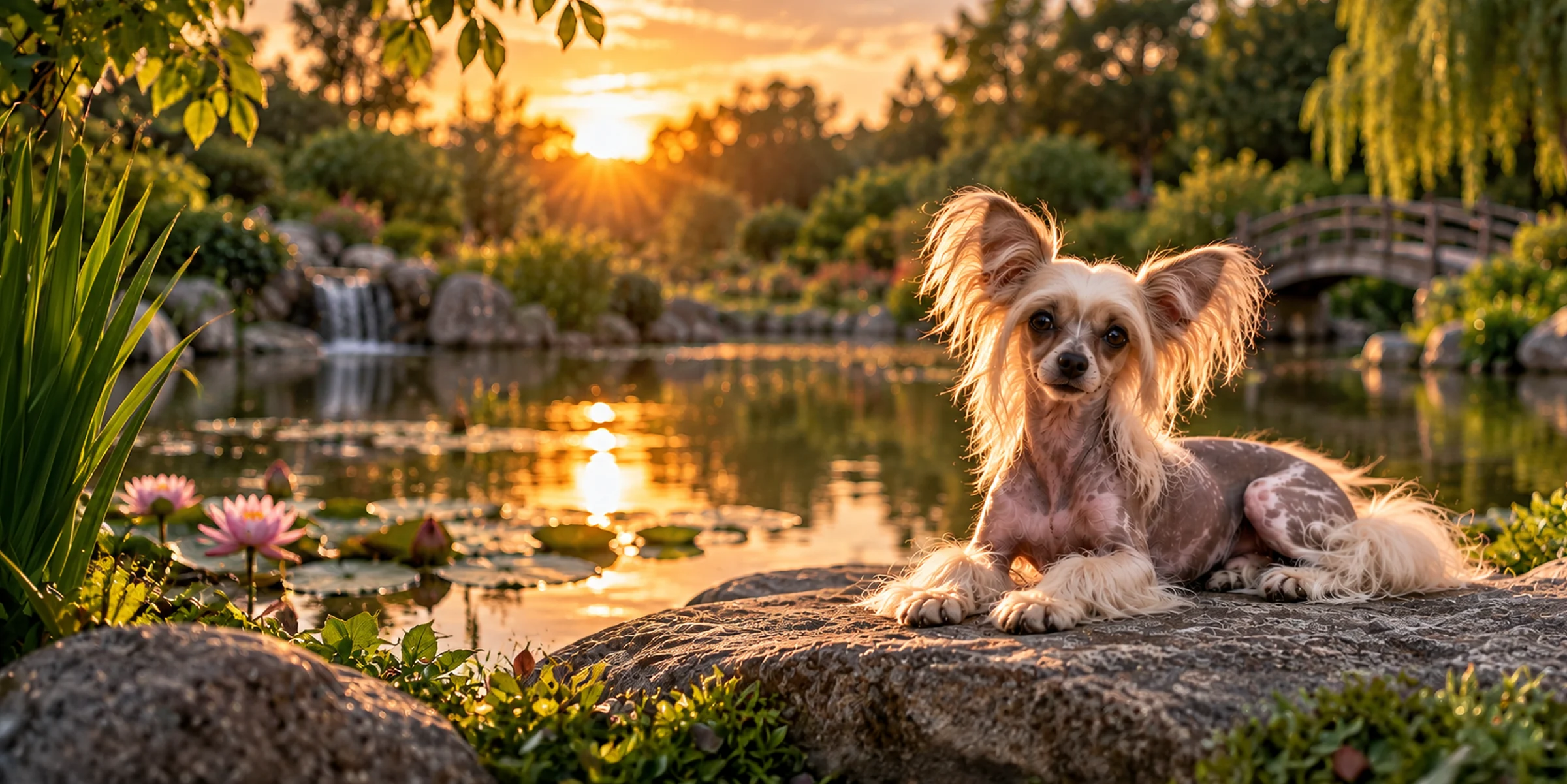
Chinese Crested
The closest match in the skin and teeth: the same dominant hairless gene, the same coated puppies in the litter and the same dental problems. The Crested is a toy lapdog with an open, clingy temperament; the Peruvian Inca Orchid is a sighthound, larger in most cases, warier of strangers and far keener to chase.
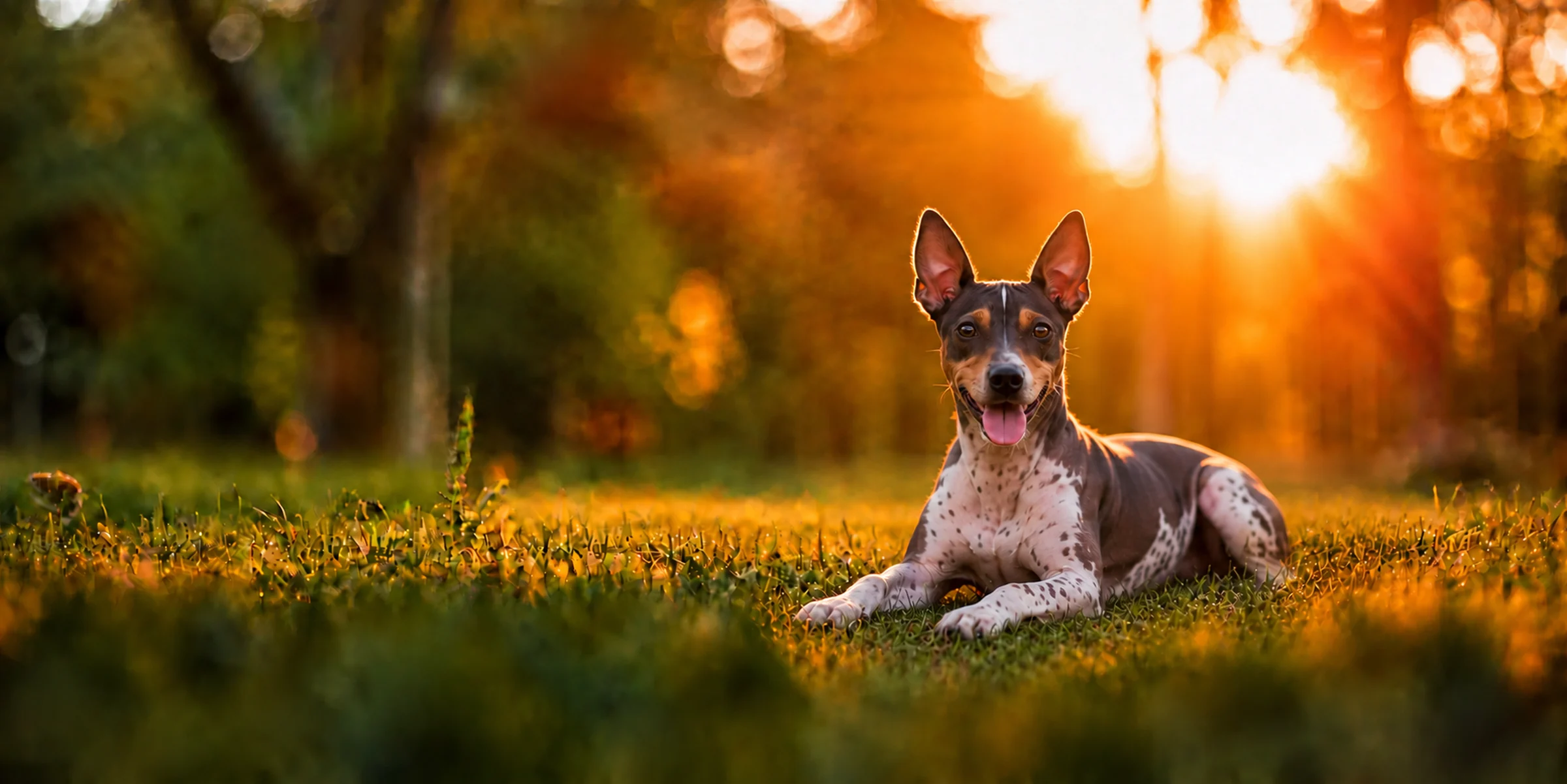
American Hairless Terrier
Another hairless breed needing the same sunscreen and warmth, but the hairlessness comes from a recessive gene with no effect on the teeth. A busy, outgoing terrier rather than a reserved sighthound.
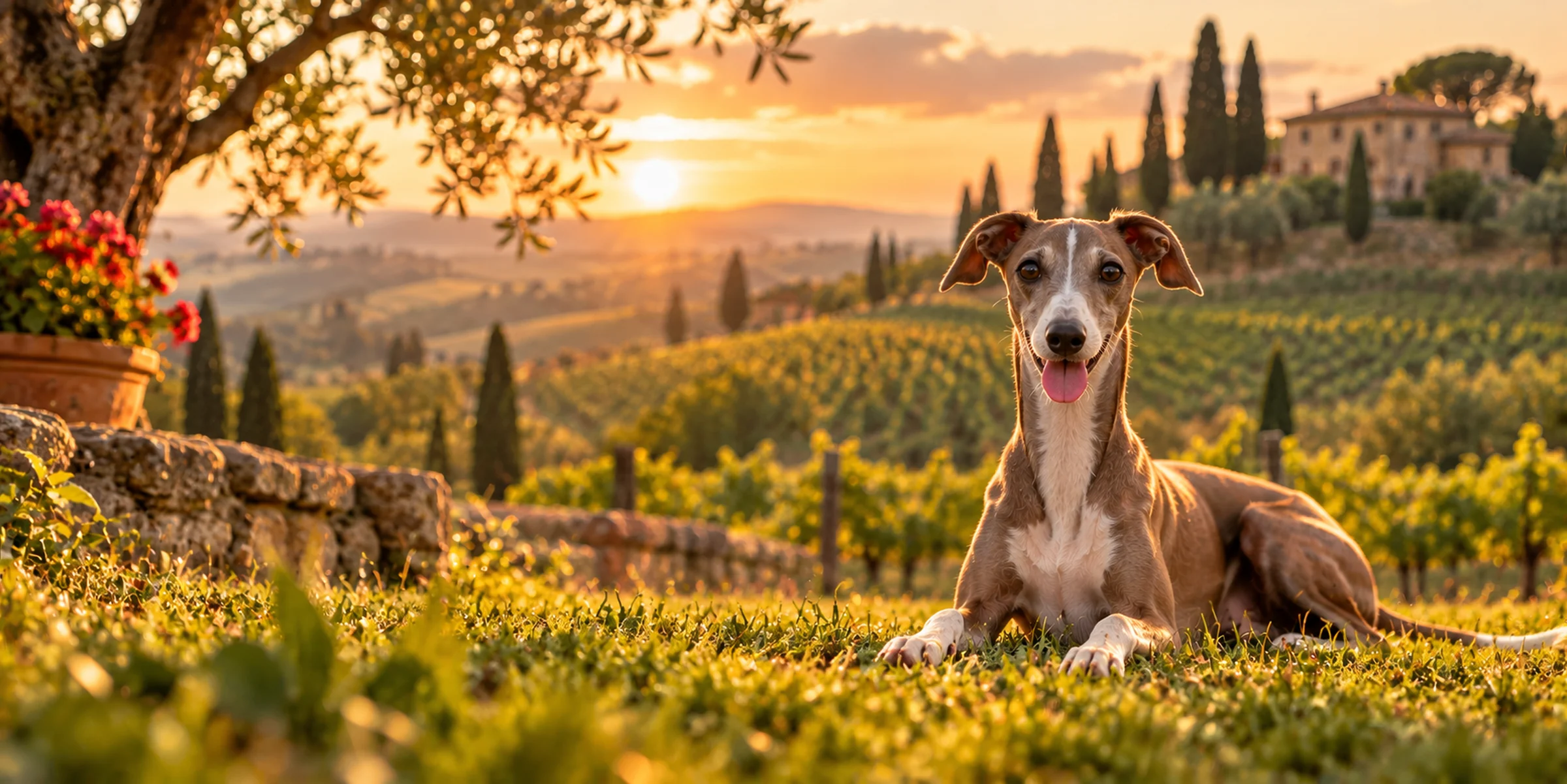
Italian Greyhound
A good comparison for the small Peruvian Inca Orchid - a slim, fast, warmth-loving sighthound who needs a secure yard. The Italian Greyhound has a coat, full teeth and a softer, friendlier manner with strangers.
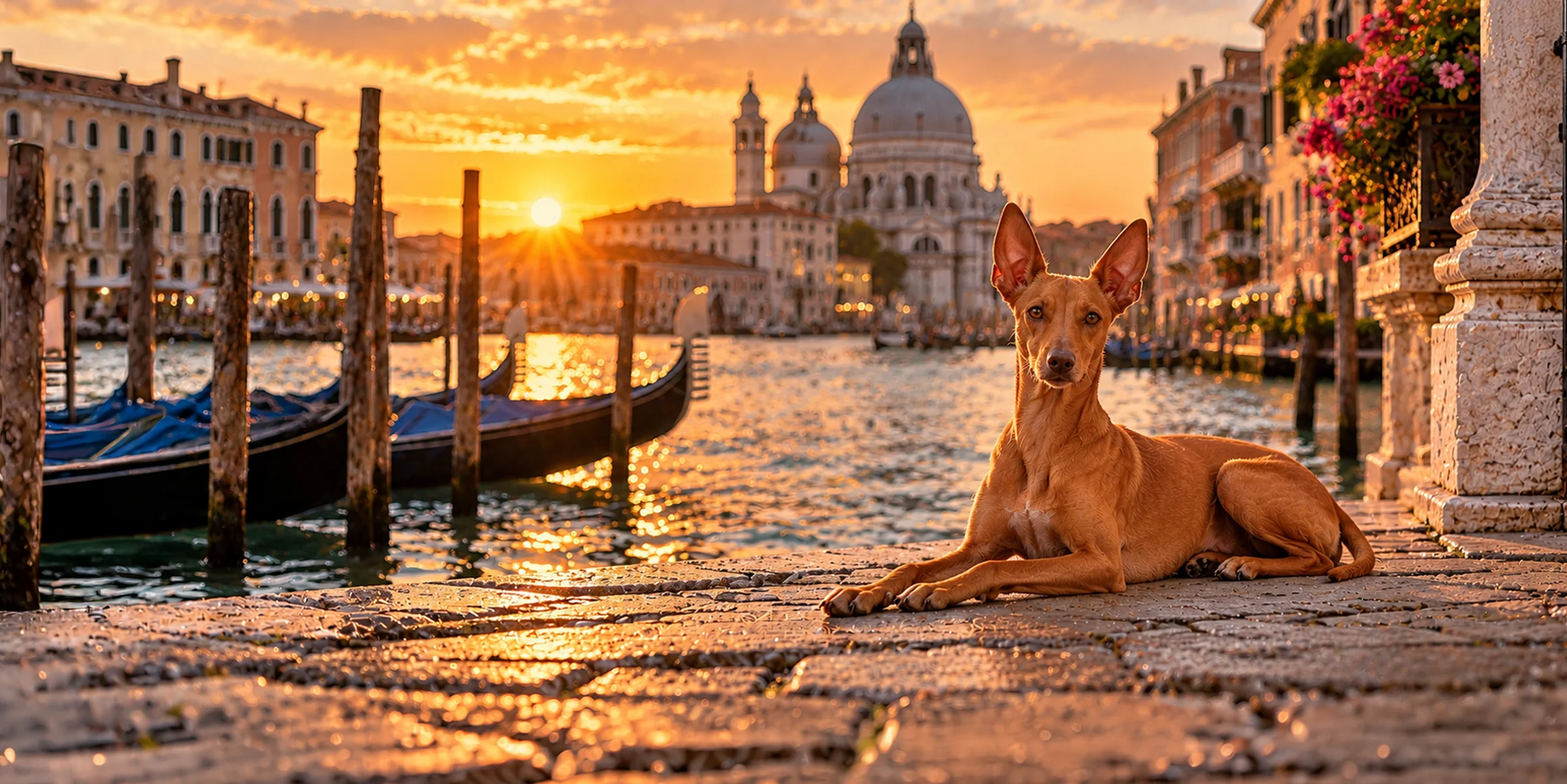
Cirneco dell'Etna
A primitive Mediterranean hound with a similar build, speed and prey drive, and the same love of a warm blanket. The Cirneco has a short coat and none of the skin or dental care; the Peruvian Inca Orchid is more protective of home.
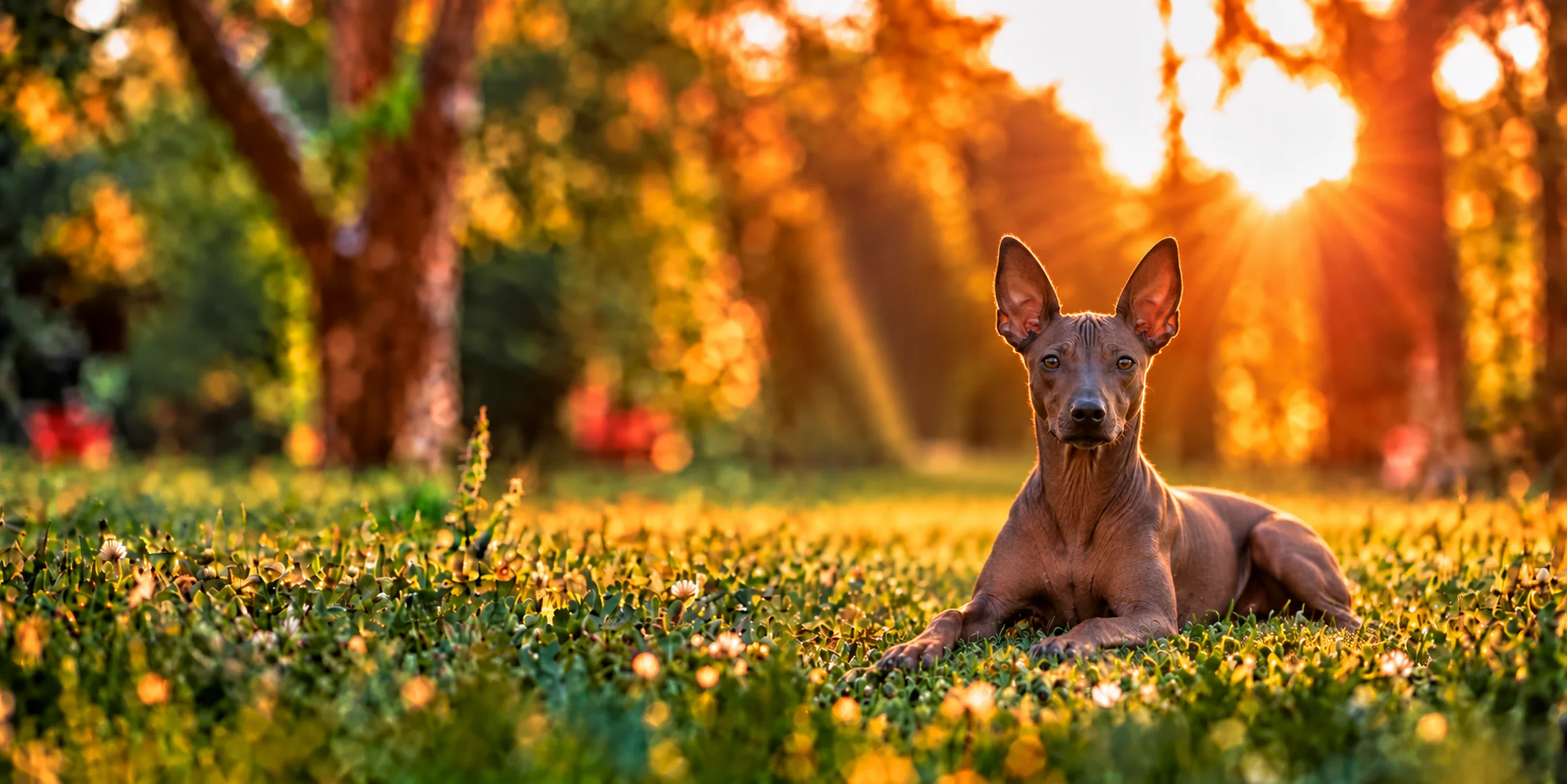
Xoloitzcuintli
The Mexican parallel, with the same dominant hairless gene, the same coated littermates and the same three size divisions. Xolos are sturdier and more of a guard and companion where the Peruvian is a sighthound.