

small-to-medium breed
Xoloitzcuintli
One of the oldest dog types in the Americas and a national treasure in Mexico, named for Xolotl, the dog-headed god the Aztecs believed guided the dead. Xolos come in three sizes and two coats, from a ten-pound lap dog to a fifty-five-pound guard, and the standard's words - calm, tranquil, aloof, attentive - are accurate. The costs are honest ones: sunscreen, weekly baths and a sweater for a Hairless, and daily work on teeth.

Pup Height
10-23 in

Pup Weight
10-55 lb
Three sizes, measured at the withers and the same for both sexes: Toy at least 10 in and up to 14 in, Miniature over 14 in and up to 18 in, Standard over 18 in and up to 23 in. Under 10 in or over 24 in is a disqualification. The standard sets no weights; the AKC's figures are 10-15 lb for the Toy, 15-30 lb for the Miniature and 30-55 lb for the Standard. The height and weight above run from the smallest Toy to the largest Standard, because all three sizes are one breed under one standard rather than three records - any individual dog sits in one band inside that span. Two coat varieties come out of the same litters and are identical except for coat and dentition: the Hairless has tough, smooth, close-fitting skin, with a little short hair permitted on the head, feet and last third of the tail, and the absence of premolars is acceptable, a full set of incisors preferred but not required; the Coated variety wears a short, smooth, close-fitting coat and must have complete dentition. A dark uniform color is preferred - black, gray black, slate, red, liver or bronze - though white spots and markings are permitted. Ears must stand erect by a year old, and cropping is prohibited. Source: AKC breed standard.

Pup Lifespan
13-18 years
Your pup, at a glance
What’s Life With This Pup Really Like?

Very high. Xolos seek warmth and contact, and a Hairless will burrow under a blanket or press against the nearest leg as much for the heat as the affection.

Good with their own children, cooler with visiting ones. Xolos are calm and tolerant at home, but the reserve with strangers covers strange kids too, and a Toy is easily hurt by rough handling.

Usually fine. Xolos raised alongside other dogs and cats generally live well with them, though enough prey drive remains to make small pets a risk.

Low to moderate. Xolos announce what is worth announcing and are quiet the rest of the time - watchful rather than noisy.

Moderate. Real bursts of speed and play, then long stretches asleep in the warmest spot in the house. Adolescents are busier than the calm adult reputation suggests.

Minimal. The Hairless has next to nothing to shed and the Coated variety's short coat sheds lightly - but no dog is allergy-proof, and dander and saliva are still there.

Playful in bursts and more athletic than the lean frame suggests. Xolos climb, jump and dig, and they play with their own people rather than with strangers.

Minimal. A dry-mouthed, notably clean breed.

Moderate. Clever and quick to read a household, but independent and genuinely sensitive, so short rewarding sessions get far more than drilling or pressure.

Strong. The standard names guarding as one of the breed's jobs, and Xolos are alert, territorial about home and honest about announcing a visitor.

Moderate, and not the usual kind. Almost no brushing - instead baths, moisturizer, sunscreen and a toothbrush every day.

Moderate. Xolos settle into apartments and new routines easily, but sun, cold, long days alone and an unfenced yard all count against them.
Lifestyle fit
Could This Be Your Best Breed?
A Xolo lives indoors, whatever the size - a Toy or Miniature fits an apartment, a Standard wants a fenced yard - and suits an owner who will socialize a naturally reserved dog thoroughly and keep up the skin routine. Thirteen to eighteen years at $1,200 to $2,400 a year. Bare skin is not a shortcut: the baths, moisturizer and sunscreen replace the brush, and a household unwilling to do them should pass.

Living Space
An apartment suits a Toy or a Miniature well, and a Standard wants a house with a securely fenced yard. Whichever size, this is an indoor dog - bare skin has no protection against sun, cold or a night left outside, and Xolos climb and jump better than the lean build suggests.

Pup Experience
Workable for a committed first-time owner, but not a casual one. The skin routine is easy to learn; the harder parts are socializing a naturally aloof dog thoroughly enough that reserve stays polite, and accepting that a sensitive, independent breed does not train like a retriever.

Daily Pup Time
Thirty to forty-five minutes of exercise for a Toy and closer to an hour for a Standard, plus a few minutes of skin care most days, a bath every week or two for a Hairless, and daily tooth brushing whichever variety you have.

Allergies & Coat
The Xoloitzcuintli has almost no coat to shed, and scores 1/10 for drooling. No dog is truly hypoallergenic. The allergens come from dander and saliva, so a dog with no hair at all still produces them.
Quirks & challenges
The Not-So-Easy Stuff

Skin Care Is Daily Work
Bathing, moisturizer and dog-safe sunscreen for a Hairless. Blackheads, dry patches and sunburn are the routine problems, not rare ones.
No Coat, No Thermostat
Burns in strong sun and shivers below about fifty degrees. A sweater and shade are equipment rather than costume.
Missing Teeth Are Normal
The hairless gene also affects the teeth, and the standard accepts missing premolars. Daily brushing protects what is there.
Aloof With Strangers
Reserve is in the breed, not a fault of raising. Without heavy early socialization, caution slides into fear or guarding.
A Climber and an Escaper
Lean, athletic and inventive about fences. Secure ground matters more than a large yard.
Three Sizes, One Breed
Toy, Miniature and Standard share a standard and a litter line. Know which size you are getting before you commit.
The good, the bad & the hairy
Health, Care & Costs
Understanding the health risks and ongoing costs of a Xoloitzcuintli helps you plan for a happy, healthy life together.

13-18 years
$40-$70
per groom (bath, skin treatment, nails, ears), every 4-8 weeks or done at home ($0-$500/year)
$1,200-$2,400/year
all-in (food, routine vet, skin and sun care, insurance, incidentals)

Health Risks
Conditions this breed is prone to.

Worth stating first. The Xolo is a natural breed shaped by survival rather than by a show ring, and the inherited-disease list is genuinely short - most of what follows is skin care or ordinary screening. The AKC recommends a patella evaluation, a hip evaluation, a cardiac exam and an ophthalmologist evaluation on breeding stock, and those four results are what to ask a breeder for.
Blackheads, acne, dryness, contact irritation and sunburn all affect exposed skin, and repeated burning raises the risk of skin cancer later. Most of this is prevented rather than treated: regular gentle bathing, a light moisturizer, dog-safe sunscreen before time outdoors and shade in the middle of the day. Over-washing irritates skin as readily as neglect does.
The same dominant gene that removes the coat also affects tooth development, so a Hairless Xolo usually lacks premolars and sometimes incisors, and the teeth present can be pointed or crowded. The standard accepts this rather than penalizing it, and the Coated variety is required to have complete dentition. Genetic rather than neglect, but the remaining teeth carry the whole load: daily brushing, yearly checks and softer food in later life.
The kneecap slips out of its groove, giving a skipping step or a leg carried for a stride or two. More common in the Toy and Miniature sizes, mild cases are managed and severe ones need surgery. The AKC lists a patella evaluation among the recommended tests for the breed.
The hip joint develops loosely so the ball wears in the socket instead of gliding, ending in arthritis and sometimes surgery. Less punishing on a fifteen-pound Toy than on a fifty-pound Standard, and worth seeing scored hips on both parents either way.
The recommended screening includes an ophthalmologist examination and a cardiac exam, neither of which points at one dominant disease in the breed. Tested parents are the practical protection, and an annual look at eyes and a listen to the heart catches most of what does turn up.

Insurance & Health Coverage
Insure young and plan for a long life. Thirteen to eighteen years is a wide window for something to come up, and cover taken out while the record is clean is worth far more than cover taken out after the first complaint.

Dental is the cost most owners underestimate and the one a policy is least likely to pay for. A mouth that was never going to have a full set of teeth means regular cleanings under anesthesia and extractions along the way, and most insurers exclude routine dental whatever the cause. Read that section of the wording before you buy a policy.

Skin is the steady drip underneath - shampoos, sunscreen, the occasional vet visit for an infected patch - and it rarely produces a large claim, but a run of skin notes in the file is exactly what turns into an exclusion later. The claims worth having real cover for are orthopedic: patellar surgery on a small Xolo, or hip surgery on a Standard, both of which run into the thousands.
 Get a Pet Insurance Quote
Care needs
The Daily Routine

Grooming
Two routines, depending on the variety. A Hairless needs a bath every week or two with a gentle shampoo, a light moisturizer afterward, and dog-safe sunscreen before any real time in the sun, plus an eye on blackheads and dry patches - skin scrubbed too hard breaks out as readily as skin left alone. A Coated Xolo needs a weekly going-over with a rubber brush and little else. Both varieties need daily tooth brushing, regular nail trims and weekly ear checks.

Exercise
Thirty to forty-five minutes for a Toy, closer to an hour for a Standard, split between walks and free running in a secure space. Fencing matters more than acreage here, because Xolos climb and jump well. Plan around the weather: sunscreen and shade in summer, a sweater below about fifty degrees, and walks moved to early morning or evening in real heat.

Food & Weight
Portion by size - a Toy and a Standard are several times apart in weight and the same scoop suits neither. Xolos put on weight easily on generous rations and should stay lean over knees and hips. Missing teeth make kibble size worth thinking about, and softer food is often kinder as the dog ages.
Similar breeds
If This Isn’t Quite the One
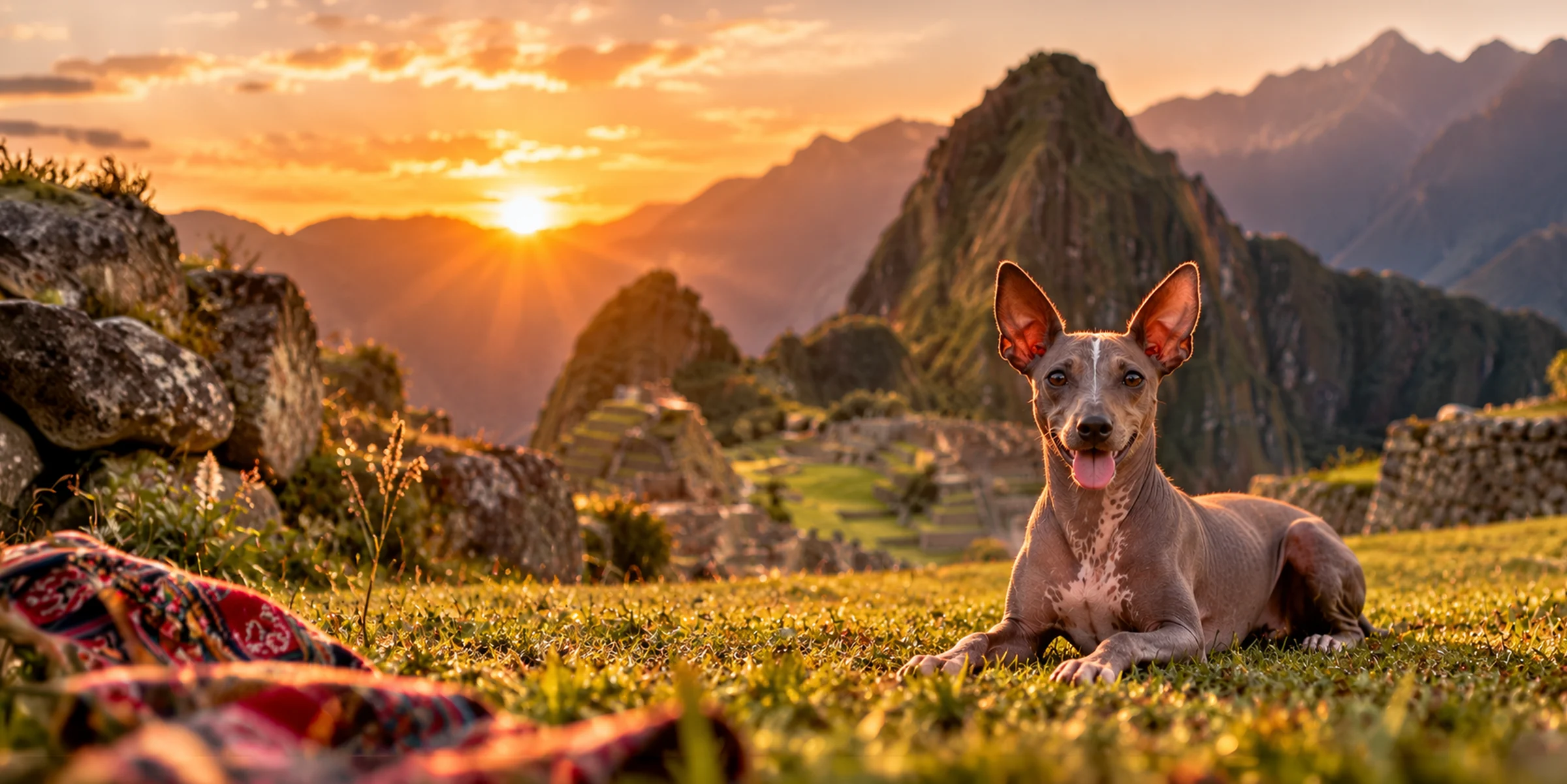
Peruvian Inca Orchid
The closest parallel there is - the same dominant hairless gene, coated littermates from the same litters, the same skin and dental care, and three sizes under one standard. The Peruvian is a sighthound: finer-boned, faster and far keener to chase. The Xolo is sturdier and squarer, calmer indoors, and bred as a guard and companion rather than to run something down.

Chinese Crested
The same gene again, in a toy lapdog. A Crested is smaller, needier and openly affectionate with almost anyone, with a worse dental picture on average. Xolos are aloof with strangers, take guarding seriously, and run up to 55 lb in the Standard size.
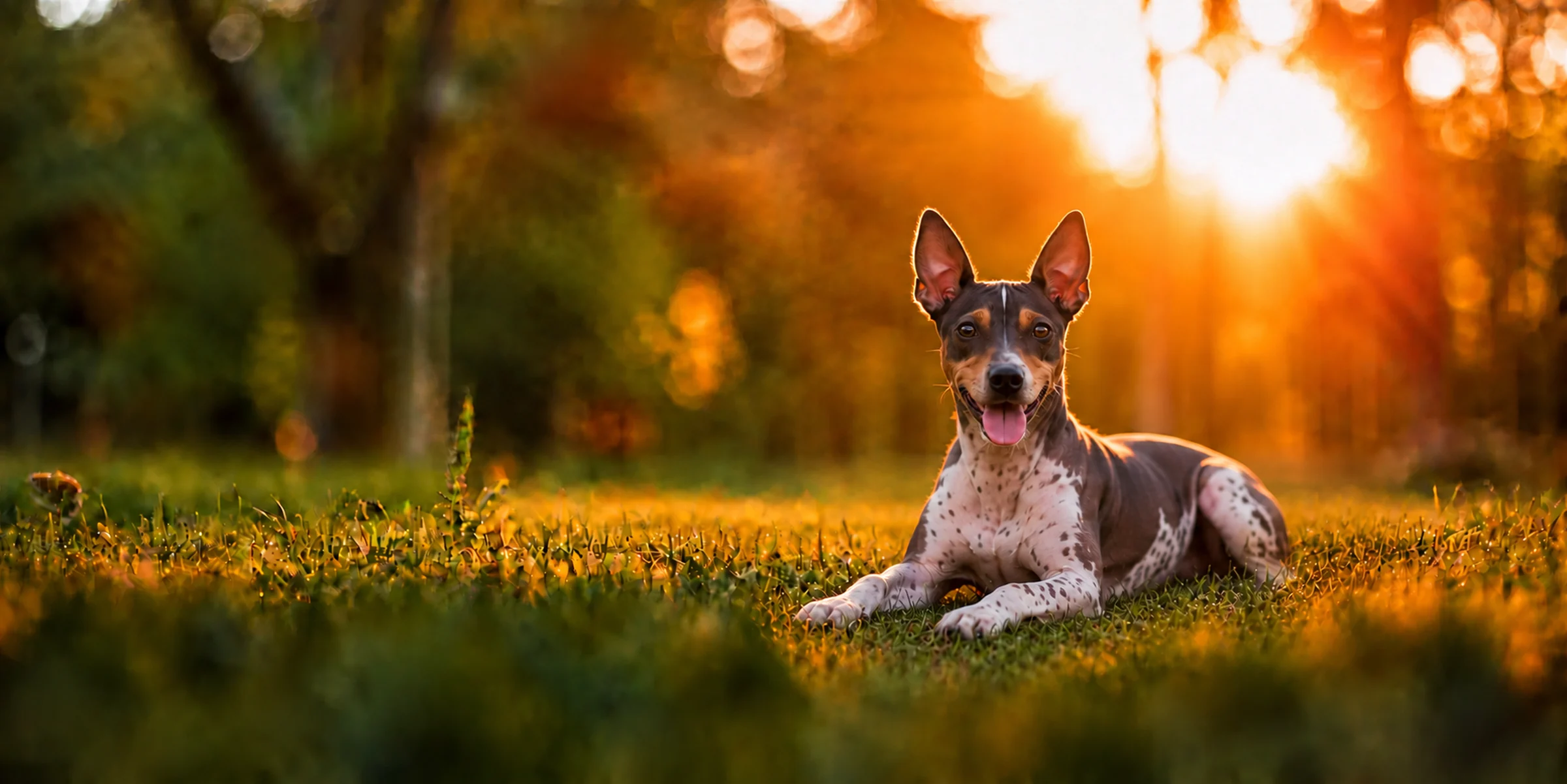
American Hairless Terrier
Hairless from a different, recessive gene, which is why American Hairless Terriers keep a full set of teeth. The sunscreen, baths and winter sweater are the same; the temperament is a busy, chatty terrier rather than a calm and watchful primitive breed.
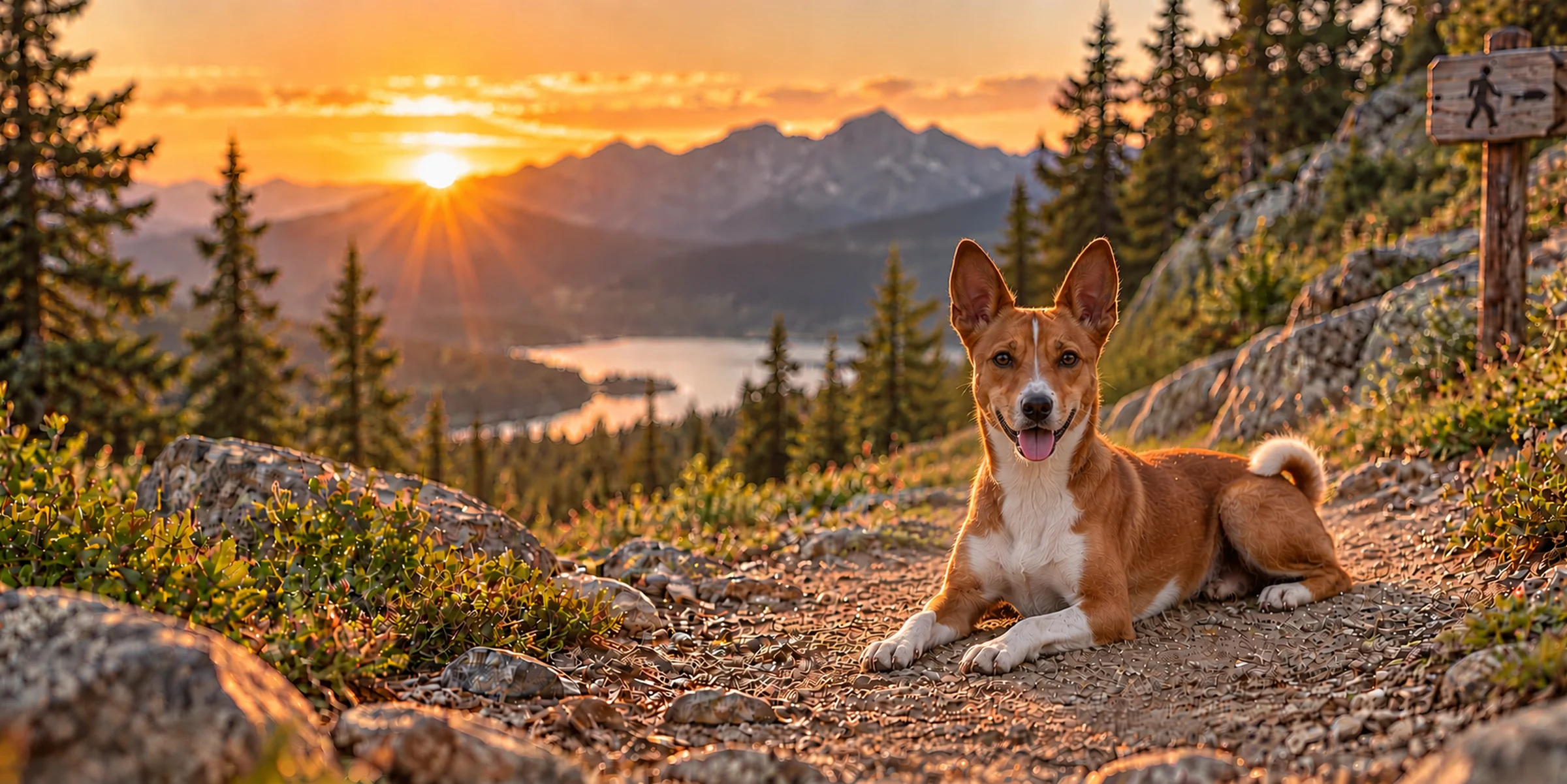
Basenji
For anyone drawn to the primitive temperament rather than the bare skin. Basenjis are similarly aloof, fastidious and undemonstrative, with a normal coat and normal teeth - and considerably more determined about escaping and chasing than a Xolo.