

small breed
Scottish Terrier
A short-legged earthdog from the Highlands, once known as the Aberdeen Terrier and still built along the lines of a dog who worked alone underground. Scotties are dignified rather than demonstrative: loyal to their household, aloof with visitors, and not especially interested in being fussed over. The two things that surprise owners are the grooming, which wants a skilled hand every couple of months, and a breed-wide bladder cancer risk.

Pup Height
10 in

Pup Weight
18-22 lb
About 10 in at the shoulder for both sexes. Males 19-22 lb, females 18-21 lb. Black, wheaten, or brindle of any color, and a little white on the chest is allowed. A hard, wiry outer coat about 2 in long over a dense, soft undercoat, traditionally hand-stripped, with the longer furnishings left on the beard, eyebrows, legs and underbody. Source: AKC breed standard.

Pup Lifespan
11-13 years
Your pup, at a glance
What’s Life With This Pup Really Like?

Moderate. Loyal and devoted to their people, but affection comes on their terms rather than on demand.

Fair. Good with respectful older children; less tolerant of the grabbing and chasing of toddlers.

Low. Often dog-selective, especially with the same sex, and small animals are prey.

Moderate. Quieter than many terriers, but they bark to announce visitors and anything moving outside.

Moderate. Lively in bursts and happy on a good daily walk, then content to settle.

Low. The wiry coat sheds little, especially when kept stripped.

Playful on their own terms. Chase, tug and digging games appeal more than fetch.

Very low. The beard can drip after drinking, but that is water, not drool.

Challenging. Intelligent and quick to learn, but independent and unmoved by repetition or pressure.

High. Alert, suspicious of strangers and quick to sound off with a surprisingly big bark.

High. Regular brushing plus hand-stripping or clipping every few months, ideally by someone skilled.

Good. Comfortable in apartments or houses and in most climates, as long as they get their walks.
Lifestyle fit
Could This Be Your Best Breed?
A Scottish Terrier fits adults or a home with older children, in an apartment or a house, with an owner who enjoys a dog with opinions rather than one who needs constant approval. Grooming alone runs $300 to $700 a year inside a total of $1,800 to $3,200. People who wanted a small dog that adores everybody tend to find a Scottie cool company.

Living Space
Scotties manage well in an apartment or a house, provided they get their walks. A yard is a bonus only if the fence goes down into the ground - a Scottie left alone outside will dig, and will go after anything small on the other side.

Pup Experience
Better with someone who has lived with a terrier, or a first-time owner who knows what they are signing up for. Scotties are not difficult so much as unbothered: they weigh up a request before deciding whether to do it, and harsh handling gets a stubborn dog, not an obedient one.

Daily Pup Time
Forty-five minutes to an hour of walking and play daily, a thorough brush a couple of times a week, and a hand-strip or groomer visit every two to three months.

Allergies & Coat
The Scottish Terrier scores 2/10 for shedding and 1/10 for drooling. No dog is truly hypoallergenic. The allergens come from dander and saliva, and a coat like this one holds on to them rather than spreading them around your home - which is what a groomer is clearing out every six to eight weeks.
Quirks & challenges
The Not-So-Easy Stuff

Independent Streak
Scotties decide whether a request is worth their time. Training works, but repetition and pressure lose them fast.
Dog-Selective
Many do not enjoy other dogs, especially same-sex dogs, and will not back down if challenged. Early socialization helps; dog parks rarely suit them.
Digging
Bred to dig vermin out of the ground. Flower beds and fence lines are fair game unless given a place to dig.
Reserved With Strangers
Polite at best and aloof at worst with visitors. Pushing them to be friendly backfires.
Small Pets at Risk
Rodents, rabbits and birds are prey. Cats can work if raised together, but it is never a given.
Hand-Stripped Coat
The harsh wiry coat keeps its texture and color only if stripped. Clipping is easier but softens the coat permanently.
The good, the bad & the hairy
Health, Care & Costs
Understanding the health risks and ongoing costs of a Scottish Terrier helps you plan for a happy, healthy life together.

11-13 years
$70-$120
per groom (hand-strip or clip, bath, nails, ears), every 8-12 weeks; hand-stripping costs more and fewer groomers offer it ($300-$700/year)
$1,800-$3,200/year
all-in (food, routine vet, grooming, insurance, incidentals)

Health Risks
Conditions this breed is prone to.

Scotties develop transitional cell carcinoma of the bladder at many times the rate of mixed-breed dogs - studies put the risk at roughly 18-20 times higher. Watch for straining, blood in the urine or frequent small accidents, and ask your vet about urine screening from middle age. Some research links lawn herbicide exposure to higher risk.
An inherited bleeding disorder. Type III, the severe form, can cause serious bleeding after surgery or injury. There is a DNA test, and carriers can be bred safely to clear dogs, so both parents should have results.
An inherited disorder of serotonin metabolism that causes episodes of stiff, goose-stepping or arched movement, usually when excited or exercised. It is not painful and many dogs live normally with it; severe cases can be managed with medication. There is no DNA test.
Painful, excess bone growth on the jaw and skull in young puppies, often called lion jaw. It usually settles once growth stops, with pain relief in the meantime. A DNA test for the known SLC37A2 variant is available, so ask for parent results.
Many Scotties show high alkaline phosphatase (ALP) on routine bloodwork, often with vacuolar hepatopathy and linked in some dogs to excess adrenal hormones. Plenty stay well, but it needs monitoring and should not be mistaken for other liver disease.
An underactive thyroid causes weight gain, a thin or dull coat, skin problems and low energy. A blood test diagnoses it and a daily tablet manages it well.

Insurance & Health Coverage
Insure early, before anything reaches the vet record. Scotties are a long-lived small breed, so a policy is a commitment of a decade or more, and the conditions that matter most tend to show up in middle age.

Cancer is the claim to plan for. Bladder cancer is far more common in Scottish Terriers than in most breeds, and diagnosis, imaging and ongoing treatment add up quickly. Check the per-condition and lifetime caps, and whether ongoing monitoring bloodwork for the liver or thyroid is covered.

Inherited conditions such as von Willebrand disease and CMO are the ones a DNA test on both parents protects against, and some policies exclude hereditary or congenital conditions outright. Ask the breeder for results before you bring a puppy home, and read the hereditary-condition wording before you choose a policy.
 Get a Pet Insurance Quote
Care needs
The Daily Routine

Grooming
A harsh, wiry outer coat over a soft undercoat. Brush and comb the coat and furnishings two or three times a week, keeping the beard and skirt free of mats. Hand-strip every two to three months to keep the texture and color, or clip for an easier pet trim that softens the coat. Trim nails and check ears regularly.

Exercise
About 45 minutes to an hour a day - brisk walks, games and something to sniff or dig. Scotties are sturdy rather than athletic and do not need running mileage, but a bored one finds a hobby. Keep them on leash or in a securely fenced area.

Food & Weight
A compact, deep-chested dog on short legs, and extra weight shows fast and adds strain to the back and joints. Measure meals and account for training treats. Keep weight lean, and mention any change in thirst or appetite to your vet given the breed's liver and thyroid tendencies.
Similar breeds
If This Isn’t Quite the One
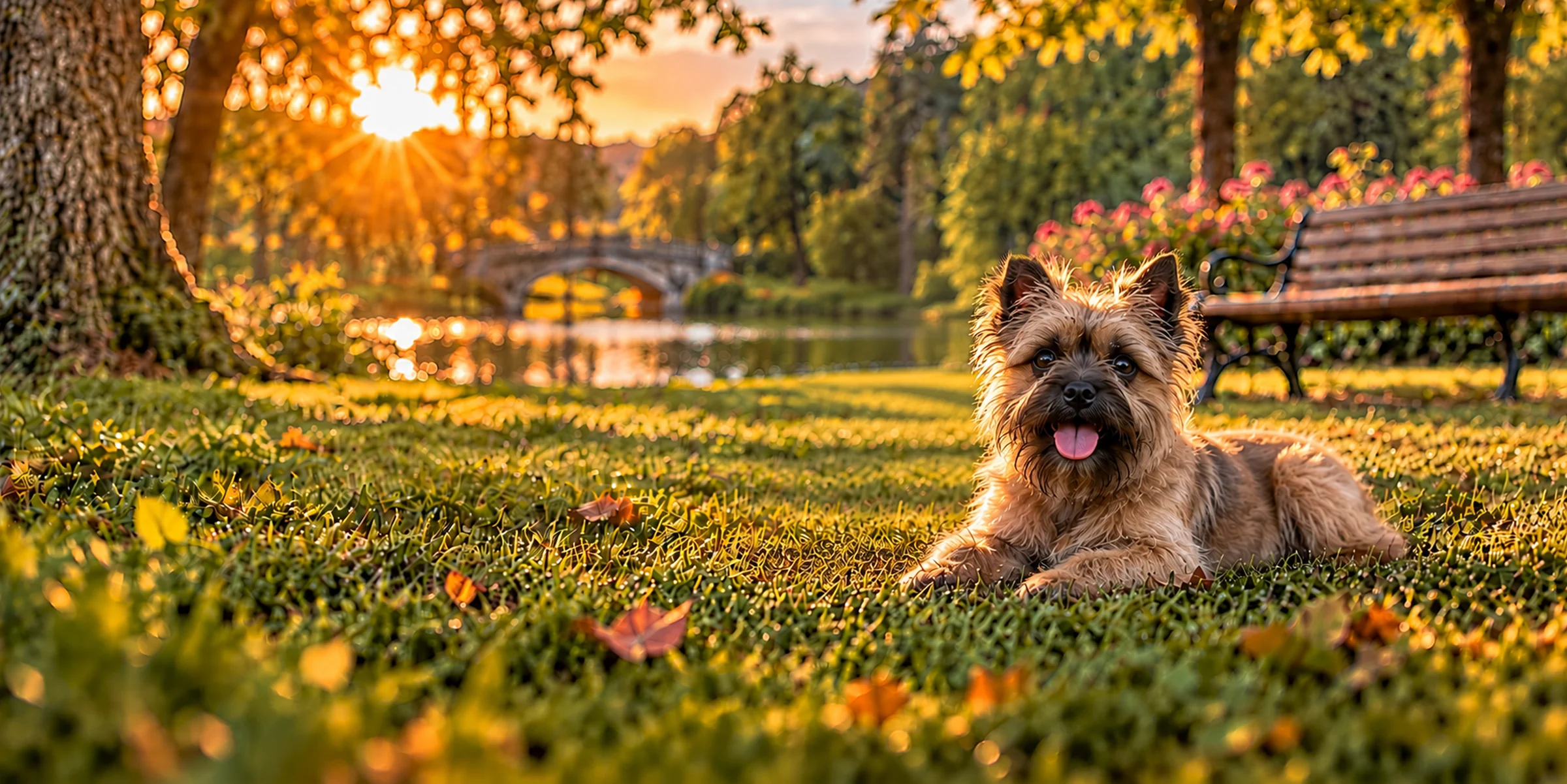
Cairn Terrier
A close Highland cousin with the same harsh coat and digging instinct. The Cairn is smaller, sunnier and far more sociable with strangers and other dogs; the Scottie is more reserved and dignified.
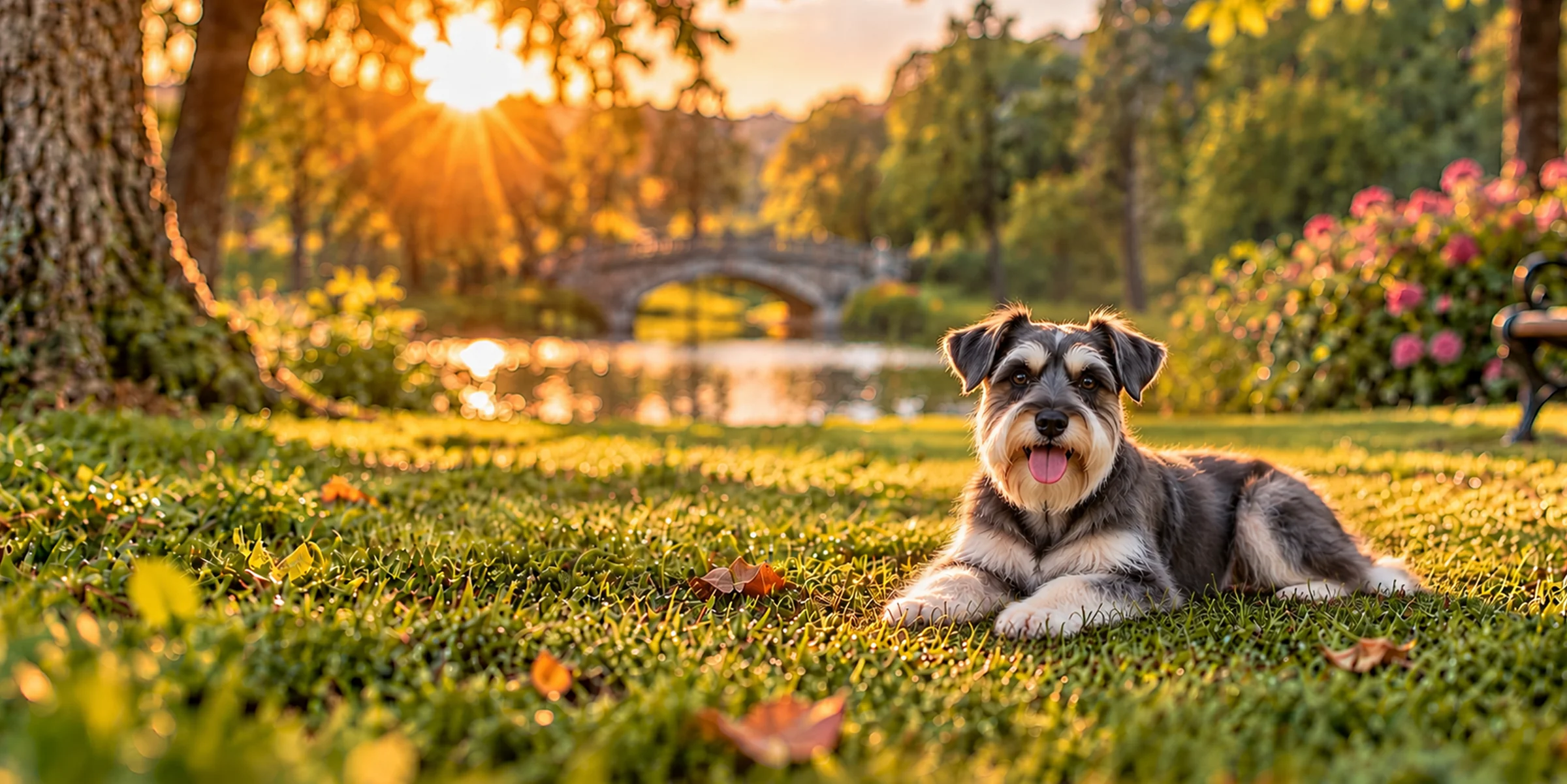
Miniature Schnauzer
A similar size with a wiry coat, beard and alert bark. The Miniature Schnauzer is more eager to please, friendlier with visitors and easier to train; the Scottie is more independent.
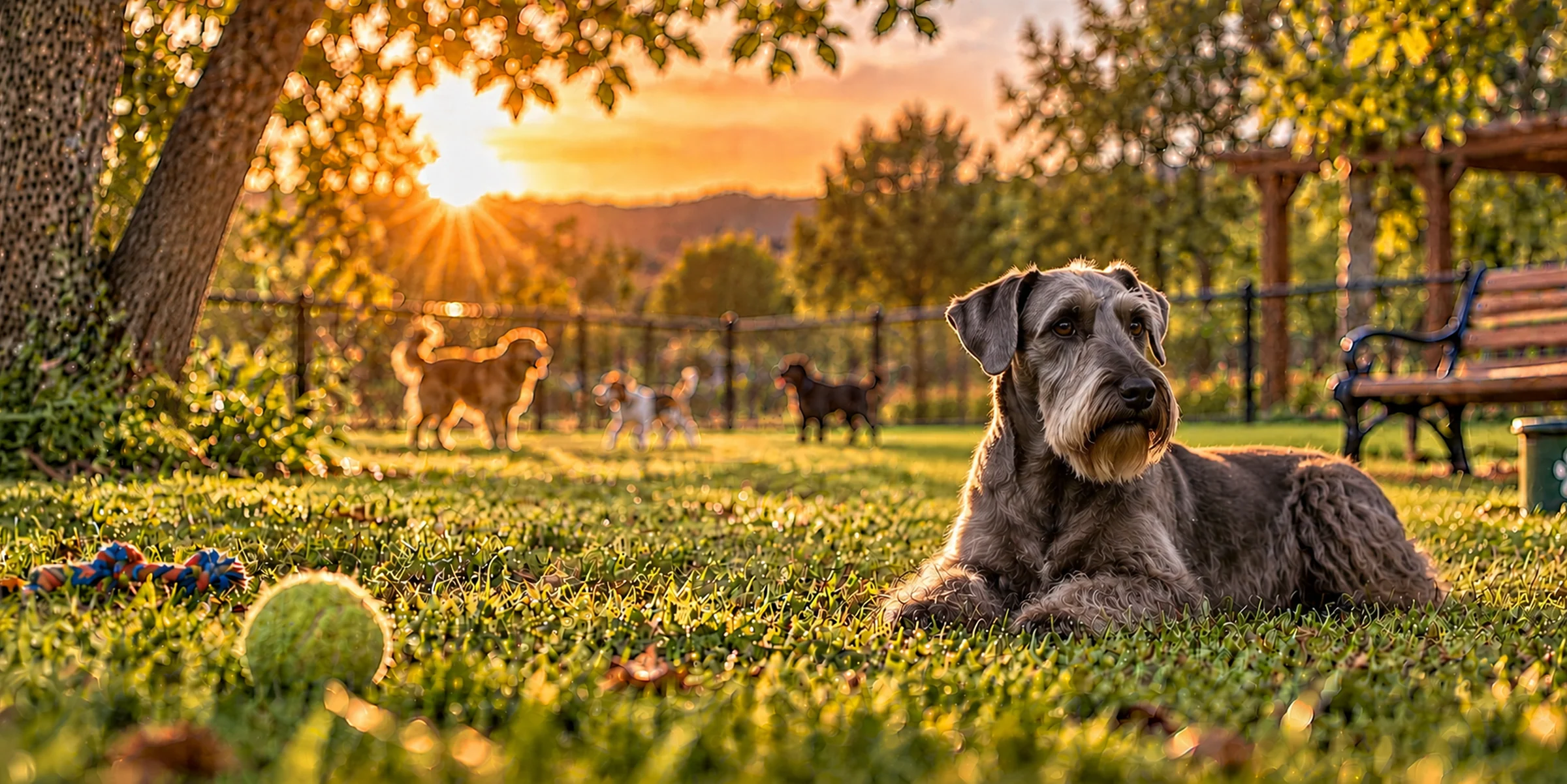
Cesky Terrier
Developed partly from Scottish Terriers, with a similar low build. The Cesky is calmer, gentler with other dogs and has a clipped, soft coat rather than a stripped, harsh one.
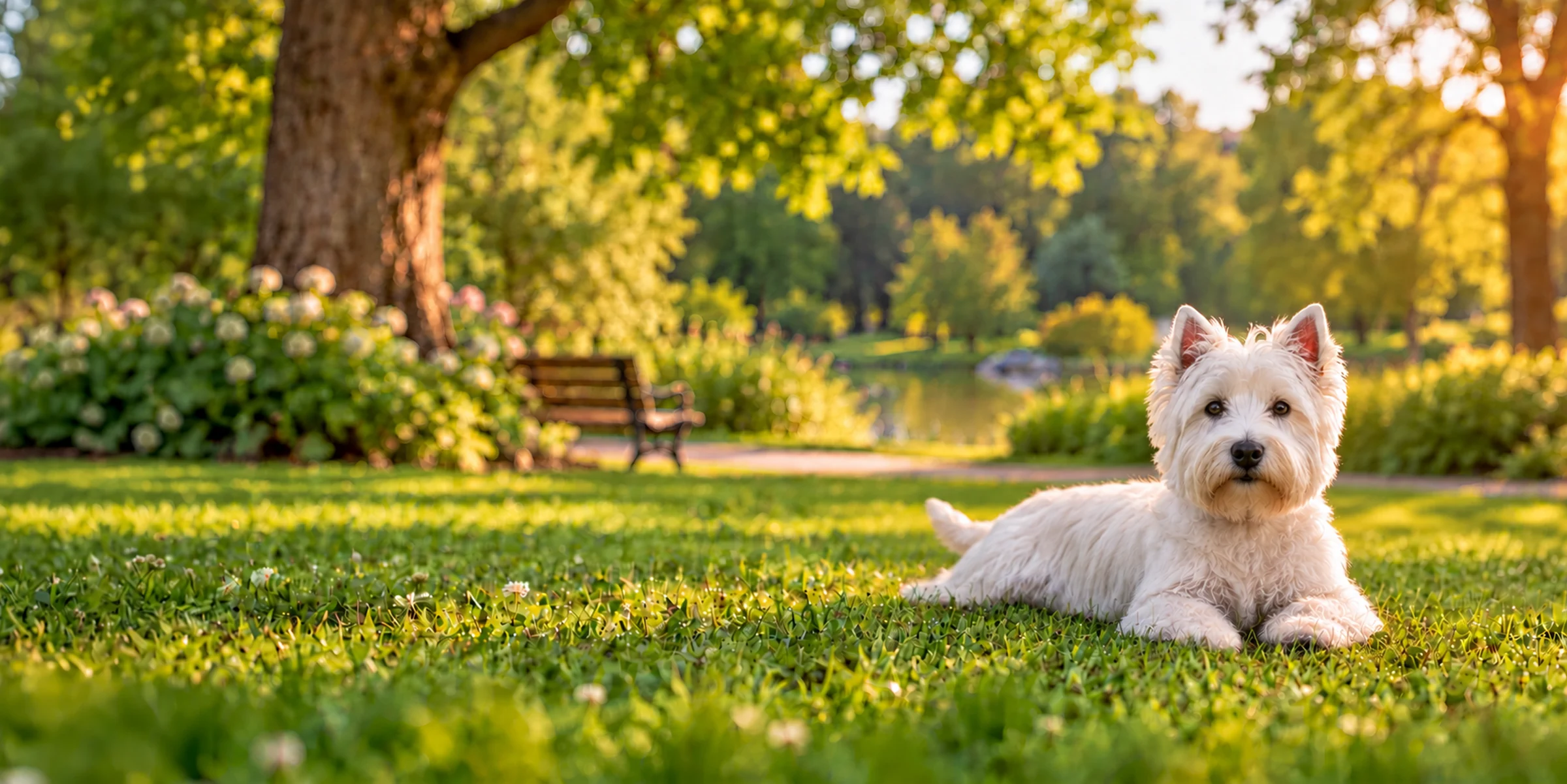
West Highland White Terrier
The other Highland terrier, and the more sociable of the two. Westies greet strangers where a Scottish Terrier considers them first, and trade the Scottie's cancer burden for a lifetime of allergy management.