

small breed
Shiba Inu
The smallest of Japan's six native breeds, a mountain hunting dog rebuilt from three surviving lines after the war. Shibas are bold, fastidiously clean, quiet in the house and quick to housetrain, and they carry themselves with a self-possession people rightly call cat-like. That same independence means the leash never comes off, an open door is a permanent hazard, and affection arrives on their schedule rather than yours.

Pup Height
13.5-16.5 in

Pup Weight
17-23 lb
Males 14.5-16.5 in and about 23 lb, females 13.5-15.5 in and about 17 lb, with the middle of each range preferred. Red, sesame, or black and tan, all with urajiro - the cream to white markings on the muzzle, cheeks, throat, chest and underside. Cream and white turn up in litters but are not accepted colors. A small Japanese spitz with a stiff, straight outer coat over a soft, dense undercoat, prick ears and a thick tail carried over the back. Source: AKC breed standard.

Pup Lifespan
13-16 years
Your pup, at a glance
What’s Life With This Pup Really Like?

Moderate. Affectionate with their own people on their own terms, and many dislike being picked up or held.

Fair. Fine with calm, respectful older children; a Shiba has little patience for grabbing, hugging or rough play.

Difficult. Strong prey drive toward small animals, frequent same-sex dog tension, and a tendency to guard food and toys.

Low. Shibas bark little, though they grumble, yodel and scream when they have something to say.

Moderate. An hour of walking and play covers most, with lively bursts and calm stretches indoors.

Heavy. Moderate shedding most of the year and two dramatic blowouts when the undercoat comes out in clumps.

Playful and quick, with a love of zoomies and chase games, but on their own schedule rather than yours.

Minimal. A dry-mouthed, fastidiously clean dog.

Low to moderate. Smart and quick to learn, and entirely willing to decide a cue is not worth following.

Good. Alert and wary of strangers, with a warning bark when something is off, though too small to deter much.

Moderate. A weekly brush, daily raking through the blowouts, and nail trims that take patience.

Moderate. Small and quiet enough for apartments and cold-hardy, but poor with heat, loose doors and homes with small pets.
Lifestyle fit
Could This Be Your Best Breed?
A Shiba Inu suits someone who admires a dog with opinions and will keep one on leash for thirteen to sixteen years. An apartment is fine, the walks are not optional, a fence has to be tall and gap-free, and the whole thing runs $1,200 to $2,200 a year. If the picture in your head is a small dog trotting loose beside you and greeting everyone at the park, that is a different breed.

Living Space
Apartments work if the walks happen - Shibas are small, quiet indoors and fastidiously clean. A yard is a bonus only if the fence is tall, dig-proof and has no gaps, because a Shiba will find the one that exists. Door-dashing is a real hazard in any home.

Pup Experience
Best with owners who have lived with an independent breed before, or first-timers who have done their reading and genuinely want a cat-like dog. Shibas are not hard to love; they are hard to control, and an owner expecting a small, eager-to-please companion will be frustrated.

Daily Pup Time
About an hour a day of on-leash walking and mental work, a weekly brush most of the year and daily brushing through the twice-yearly blowouts.

Allergies & Coat
The Shiba Inu scores 8/10 for shedding and 1/10 for drooling. No dog is truly hypoallergenic. The allergens come from dander and saliva, and a dog that sheds this much will leave plenty of hair behind - especially on your furniture, floors, and clothes.
Quirks & challenges
The Not-So-Easy Stuff

Poor Off-Leash Recall
A Shiba who sees a squirrel is gone. Most owners never let them off leash outside a fenced area.
Escape Artist
They slip collars, dash through doors and test fences. Secure gear and household habits matter.
The Shiba Scream
A piercing shriek when handled, restrained or displeased. Early handling practice softens it.
Strong Prey Drive
Small pets, birds and outdoor cats are at risk. Some live with a cat raised alongside them; many do not.
Possessive and Selective
Resource guarding of food and toys is common, and same-sex tension with other dogs is too.
Heavy Seasonal Shedding
A dense undercoat that blows out twice a year in clumps. Moderate shedding the rest of the time.
The good, the bad & the hairy
Health, Care & Costs
Understanding the health risks and ongoing costs of a Shiba Inu helps you plan for a happy, healthy life together.

13-16 years
$50-$80
per groom (bath, full blow-out, de-shed, nails, ears), every 8-12 weeks or done at home ($0-$400/year)
$1,200-$2,200/year
all-in (food, routine vet, grooming, insurance, incidentals)

Health Risks
Conditions this breed is prone to.

The most common reason Shibas see a vet. Environmental allergies cause itching, paw licking, ear infections and hot spots, often starting between one and three years old. Managed rather than cured, with medication, diet trials and sometimes allergy injections.
The kneecap slips out of its groove, causing a skipping gait. Common in the breed; mild cases need nothing, severe grades need surgery. Both parents should have OFA patella evaluations.
The hip joint develops loosely and wears into arthritis. Less common than in large breeds but present, and screened by OFA or PennHIP evaluation of both parents.
Raised pressure inside the eye, in Shibas usually the inherited primary angle-closure form, which can blind an eye within days. There is no widely used DNA test, so annual eye exams matter, and a red, cloudy or squinting eye needs a vet the same day.
A rare inherited storage disease that causes progressive loss of coordination from a few months old and is fatal, usually within the first year or two. It is recessive and DNA testable, so a breeder can guarantee no affected puppies by testing parents.
The thyroid under-produces, causing weight gain, lethargy and coat and skin problems that can look like allergies. Diagnosed by blood test and controlled with an inexpensive daily tablet for life.

Insurance & Health Coverage
Allergies are the claim to plan for. Atopic dermatitis is common in the breed, starts young and never fully goes away, so the costs arrive as years of medication, ear treatments and skin workups rather than one bill. Check how a policy treats chronic conditions at renewal, not just the first claim.

Insure young. An itchy-skin, knee or thyroid note on the record before cover starts becomes a permanent exclusion, and all three tend to show up in the first few years.

The other real risk is accident. A dog with poor recall and a talent for slipping collars meets cars, and escape-related injuries are a common reason Shibas end up at an emergency clinic. GM1 gangliosidosis is congenital and no policy covers it, but it is DNA testable, so ask the breeder for results on both parents.
 Get a Pet Insurance Quote
Care needs
The Daily Routine

Grooming
A double coat that needs a thorough brush once a week most of the year and daily work with an undercoat rake for a few weeks during the spring and fall blowouts, when the undercoat comes out in clumps. Shibas keep themselves clean and rarely smell, so baths are occasional. Never shave the coat. Nail trims are the hard part - start early and go slowly.

Exercise
About an hour a day, always on leash or inside secure fencing. Brisk walks, sniffing on a long line, puzzle toys and short training games suit them; many enjoy a burst of zooming in a fenced yard, then settle quietly indoors.

Food & Weight
Two measured meals. Shibas are small, efficient dogs who put on weight easily, and the coat hides it, so go by feel through the ribs. If itching or ear infections persist, a vet-guided elimination diet is worth trying before assuming environmental allergies.
Similar breeds
If This Isn’t Quite the One
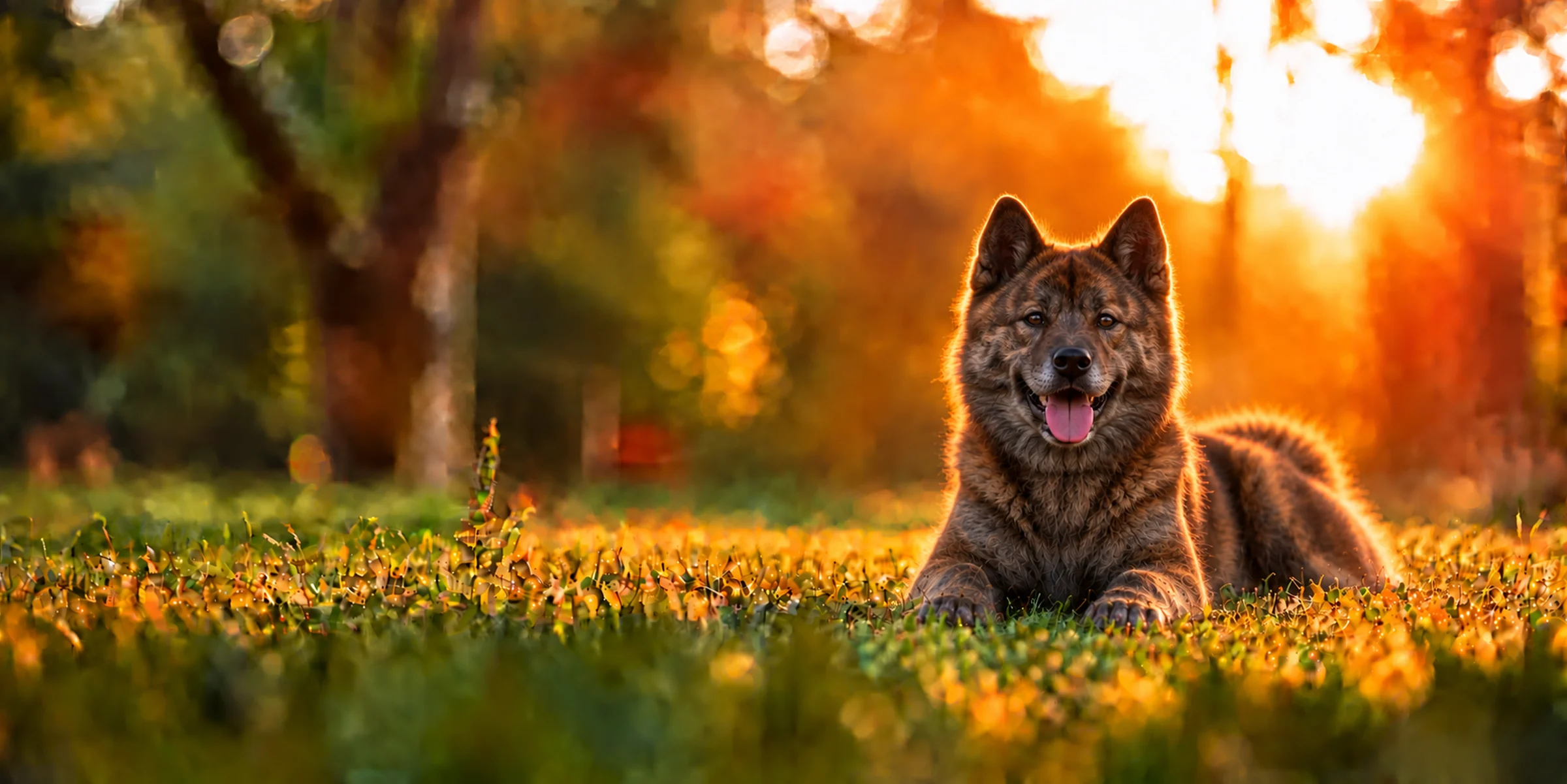
Kai Ken
Another Japanese native spitz with the same loyalty, reserve and prey drive. The Kai is larger, brindle, a notable climber and more willing to work with a handler; the Shiba is smaller, more stubborn and easier to find.
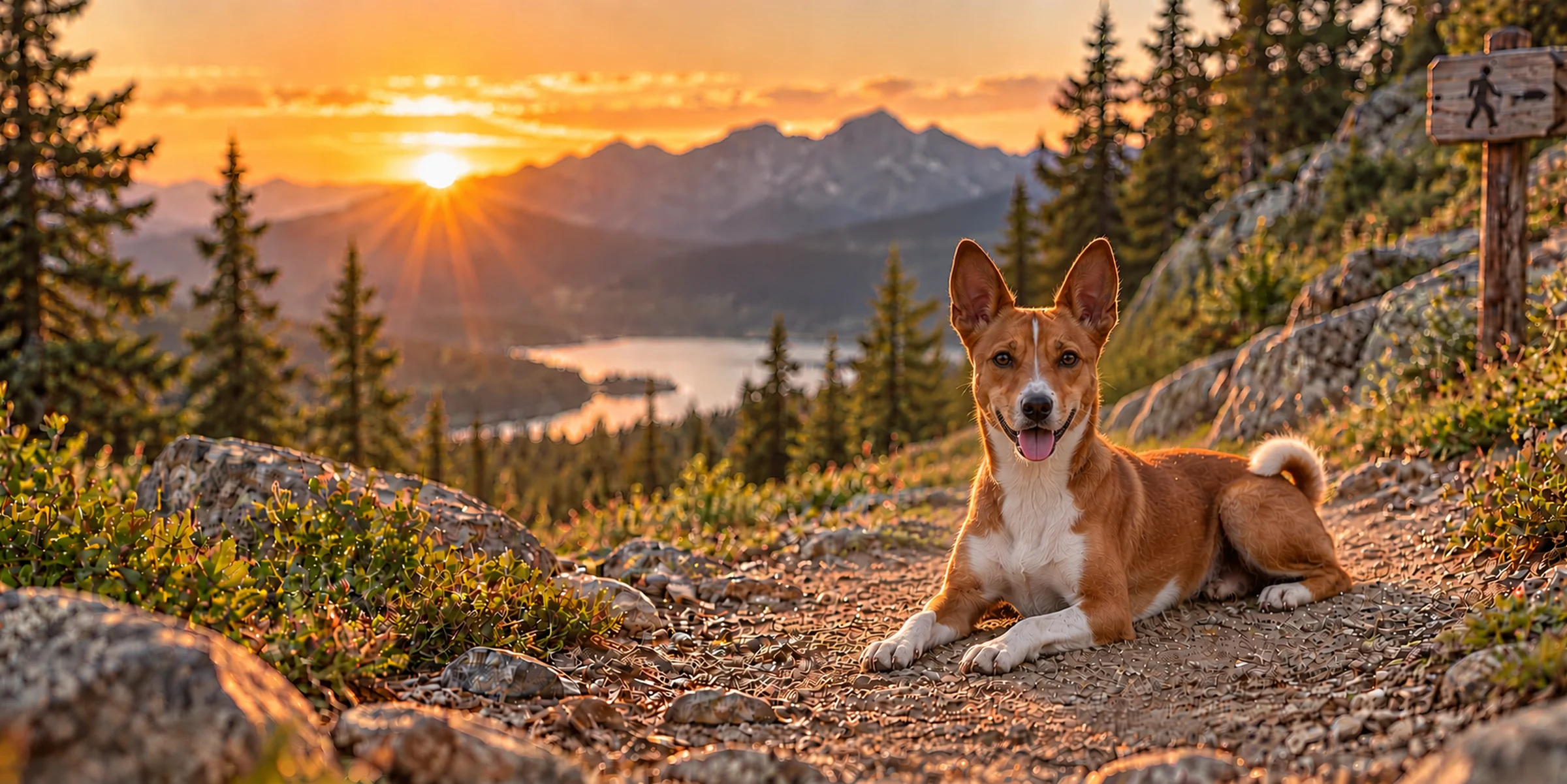
Basenji
The other breed most often called cat-like - clean, quiet, independent and an accomplished escape artist. The Basenji yodels rather than barks and needs more running; the Shiba has a heavier double coat and sheds far more.
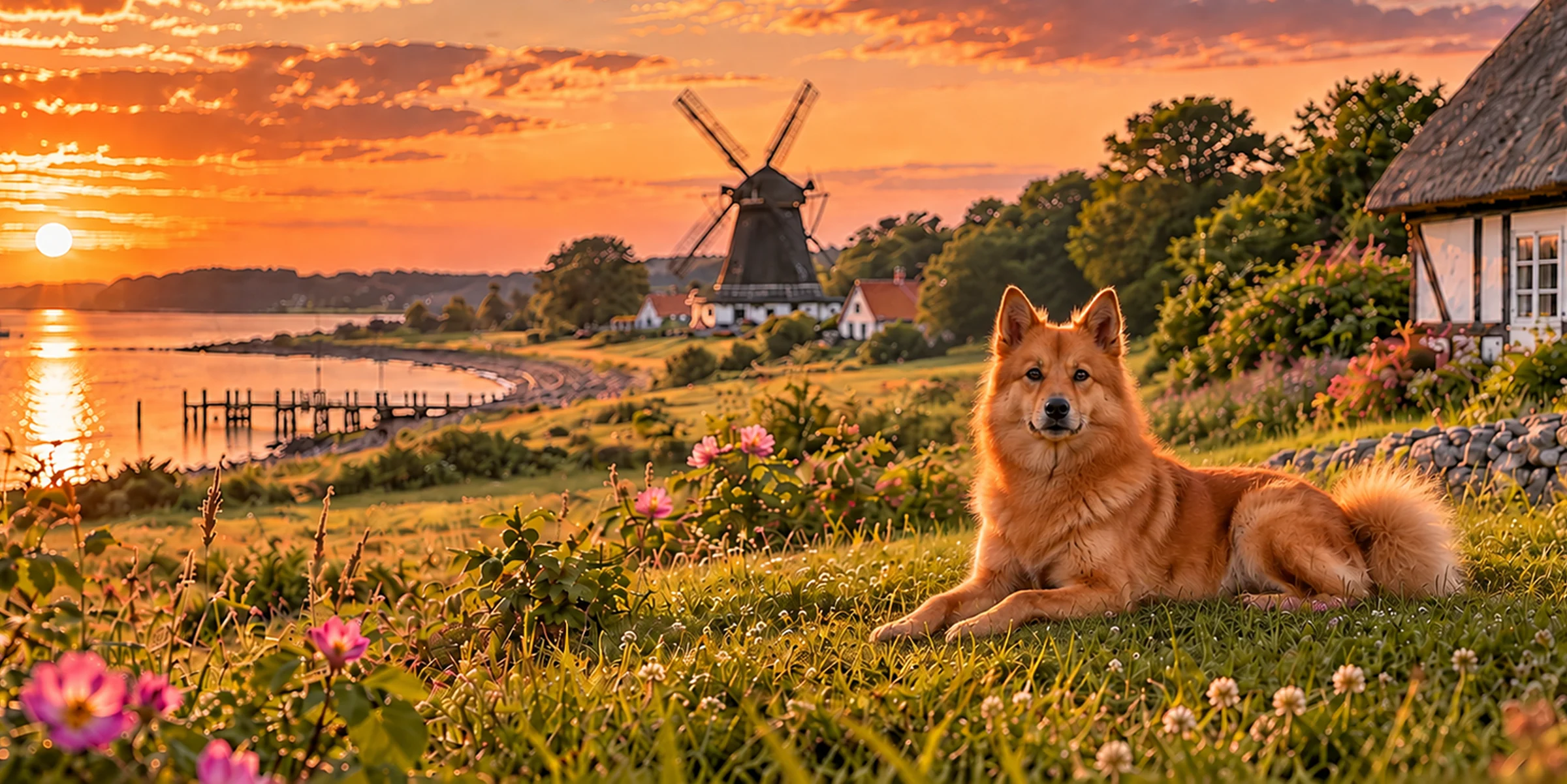
Finnish Spitz
A foxlike northern hunting spitz of similar size with the same independence and prey drive. The Finkie barks constantly by design and is friendlier with strangers; the Shiba is quieter and more aloof.