

small-to-medium breed
Staffordshire Bull Terrier
A nineteenth-century bull-and-terrier from the Black Country in Staffordshire, remade as a family companion and famously fond of people - comic, sturdy, wonderful with children and happiest in physical contact with somebody all evening. Two honest catches sit behind that. Reactivity toward other dogs is common and often surfaces at maturity in a Stafford who was social as a puppy, and thirty-odd pounds of muscle pulls harder than most fifty-pound dogs.

Pup Height
14-16 in

Pup Weight
24-38 lb
Males 28-38 lb and females 24-34 lb, both 14-16 in at the shoulder, with the standard asking that height and weight stay in proportion - a compact dog that weighs more than the size suggests. The coat is smooth, short and close. Red, fawn, white, black or blue, any shade of brindle, and any of those colors with white; black-and-tan and liver are disqualifications. Ears are rose or half-pricked, and full drop or full prick is a serious fault. Recognized by The Kennel Club in 1935 and by the AKC in 1975. Source: AKC breed standard.

Pup Lifespan
12-14 years
Your pup, at a glance
What’s Life With This Pup Really Like?

Extremely high. A Stafford wants to be under the blanket, on the lap or wedged against a leg, and does not take no for an answer.

Excellent, and genuinely so - patient, sturdy and fond of children. The caution is enthusiasm and strength rather than intent, so supervise around toddlers who can be knocked flat.

The real constraint with this breed. Dog-directed reactivity is common and often shows up at maturity, and cats are a poor bet without careful raising. Management works; optimism does not.

Fairly quiet. Staffords are not talkers and make easier neighbors than the reputation suggests, though a bored one can get vocal.

Moderate to high. An hour a day covers a Stafford, and they will spend most of the rest of it asleep against someone.

Moderate and year-round. The coat is short, but the hairs are stiff and they work into upholstery and dark clothes.

Boisterous, comic and tireless well into old age. Staffords play hard and full-body, which is worth remembering around small children and breakable furniture.

Low. A little around the water bowl and after hard exercise, nothing like a mastiff.

Good and enjoyable. Bright, greedy and keen to work with a person - the challenge is strength and reactivity to other dogs rather than any lack of willingness.

Looks the part, is not the part. A Stafford may announce the door and will then try to climb into the visitor's arms.

Very low for the coat - a weekly rub-down covers it. The skin is the actual job in an allergy-prone breed.

Adjusts easily to new homes, routines and apartments. The limits are external: breed-specific legislation, insurance exclusions and landlords narrow the options more than the temperament does.
Lifestyle fit
Could This Be Your Best Breed?
A Staffordshire Bull Terrier lives happily in an apartment, costs $1,500 to $2,600 a year, and asks for an owner who trains early and manages other dogs in public. The limits are legal, not canine: breed-specific legislation in some cities, landlords who refuse the breed, and home policies that exclude bully types. Check the lease, the insurer and the local ordinance before the puppy - if any of them says no, that is the answer.

Living Space
An apartment suits a Staffordshire Bull Terrier fine on the dog's own terms - short coat, moderate noise, happiest indoors against a person. The limits come from outside: some landlords refuse the breed, some home and renter policies exclude bully types, and a few countries and cities restrict them by name or by appearance. Check the tenancy, the insurer and the local rules before the puppy, not after.

Pup Experience
Workable for a committed first-time owner who trains early and walks honestly, but not a casual first dog. Staffords are affectionate and easy to teach; the demands are a strong dog on the end of a leash, dog-directed reactivity that often shows up at maturity, and an owner willing to manage both in public without pretending the issue away.

Daily Pup Time
About an hour of exercise daily with real play and training in it, and a few minutes a week on the coat. The training time matters more than the mileage.

Allergies & Coat
The Staffordshire Bull Terrier scores 4/10 for shedding and 3/10 for drooling. No dog is truly hypoallergenic. The allergens come from dander and saliva, and a dog that sheds this much will leave plenty of hair behind - especially on your furniture, floors, and clothes.
Quirks & challenges
The Not-So-Easy Stuff

Reactive With Other Dogs
Dog-directed reactivity is common and often appears at maturity in a Stafford who was social as a puppy. Dog parks are usually the wrong place to find out.
Breed-Specific Legislation
Some countries, provinces and cities restrict bully-type dogs by name or by look. Travel, moving and even a change of landlord can turn this into a real problem.
Insurance and Housing
Home and renter policies often exclude the breed from liability cover, and landlords tend to follow their insurer. Get this settled in writing first.
Strong for Their Size
Thirty-odd pounds of muscle pulls harder than most fifty-pound dogs. Loose-leash work is a safety job here, not a nicety.
No Use as a Guard Dog
Staffords greet intruders the way they greet everyone else. The reputation deters people; the dog behind it does not.
Hard on Toys
Powerful jaws and no sense of moderation. Cheap toys come apart in minutes, and swallowed pieces mean surgery.
The good, the bad & the hairy
Health, Care & Costs
Understanding the health risks and ongoing costs of a Staffordshire Bull Terrier helps you plan for a happy, healthy life together.

12-14 years
$40-$60
per groom (bath, nails and ears), every 8-12 weeks - a short coat needs little ($180-$300/year)
$1,500-$2,600/year
all-in (food, routine vet, grooming, insurance, incidentals)

Health Risks
Conditions this breed is prone to.

An inherited metabolic disease that causes seizures, tremors, wobbliness and behavior changes, usually appearing between six months and a year. There is a reliable DNA test and responsible breeders use it, so ask to see results for both parents - clear-to-clear pairings cannot produce an affected puppy.
A juvenile cataract that clouds both eyes from a few months old and can lead to blindness. A DNA test exists and is standard practice in the breed; both parents should be tested clear or the mating planned around carrier status.
Leftover fetal tissue in the eye that scatters or blocks vision, ranging from a harmless speck to serious impairment. There is no DNA test - it is found by an eye examination on the litter and the parents, so ask for the certificates.
The likeliest recurring vet cost in the breed. Itching, chewed paws, hot spots and repeat ear infections from environmental allergens, and young Staffords are more prone than most to demodex mites. Manageable, rarely cured, and the medication adds up for life.
The joints develop loosely and wear into arthritis on a dog carrying a lot of muscle for the frame. Both parents should have scored hips and elbows, and keeping a Stafford lean does more for the joints than any supplement.
Skin tumors that turn up more often in bully breeds than in dogs generally, and look like anything from a small lump to a wart. Any new lump that changes size deserves a needle sample rather than a wait-and-see - caught early, surgery usually settles it.

Insurance & Health Coverage
There are two separate insurance questions with this breed, and they get muddled constantly.

The first is home and renter cover. A number of insurers exclude bully-type dogs from liability cover or decline the policy outright, and landlords usually take their lead from whatever their own insurer says. Resolve this in writing before a puppy comes home, because discovering it afterward means choosing between the dog and the housing. Where breed-specific legislation applies, the local rules sit on top of that and can require muzzling, registration or refuse ownership altogether.

The second is pet health cover, which is a different product and generally does not refuse the breed. It excludes what is already on the record, though, and that matters here because allergic skin disease usually starts young and recurs for life - exactly the kind of chronic note that becomes a permanent exclusion the moment it appears. Buy a policy while the puppy is still unblemished on paper.
The inherited diseases are the one thing insurance cannot help with. L-2-HGA and hereditary cataract are congenital and excluded by every policy; DNA results on both parents are the only protection there is.
 Get a Pet Insurance Quote
Care needs
The Daily Routine

Grooming
A short, close coat that needs a weekly going-over with a rubber curry brush and nothing more. Nails, teeth and ears on the usual schedule, and a closer eye on the skin than most breeds need - this is an allergy-prone breed, and itching, hot spots and ear trouble are worth catching in the first week rather than the third.

Exercise
About an hour a day, split between walking and something that uses the head - training games, scent work, tug with rules, a flirt pole in the yard. Staffords overheat quickly for a short-coated dog because of the shortish muzzle and the muscle, so hot-weather exercise belongs at dawn and dusk. Long unstructured walks past other dogs are the least useful hour available.

Food & Weight
Measure the meals and keep a Stafford genuinely lean - extra weight lands on joints already loaded by a heavy, muscular build, and a fat Stafford looks deceptively normal. They are greedy and food-motivated, which makes training easy and weight control harder, so training treats need to come out of the daily ration rather than on top of it.
Similar breeds
If This Isn’t Quite the One

American Staffordshire Terrier
The closely related American branch of the same bull-and-terrier stock, and a separate breed rather than a size variety. The AmStaff was bred taller and heavier in the United States - 17-19 in and 40-70 lb against the Stafford's 14-16 in and 24-38 lb - and was registered by the AKC in 1936 as the Staffordshire Terrier, renamed in 1972 to keep the two apart; the English Stafford came to the AKC separately in 1975 and is still registered by The Kennel Club in Britain. Temperaments are comparable, including the dog-directed reactivity, so the honest difference is size and paperwork.
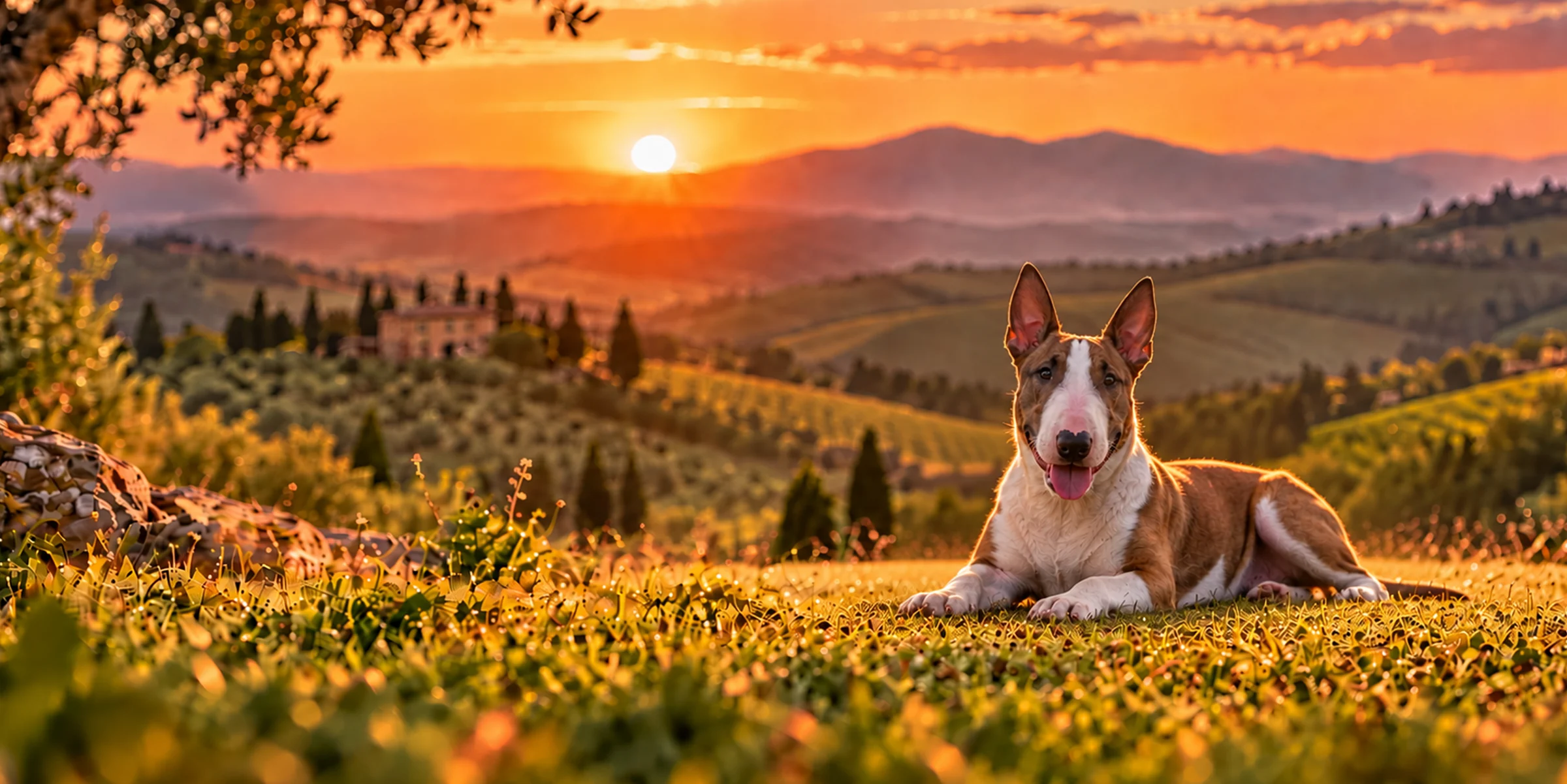
Miniature Bull Terrier
Another compact bull-and-terrier of about the same weight, with the same strength and the same trouble with other dogs. The Mini Bull is more stubborn, more obsessive and more prone to inventing routines; the Stafford is easier to train and more openly affectionate.
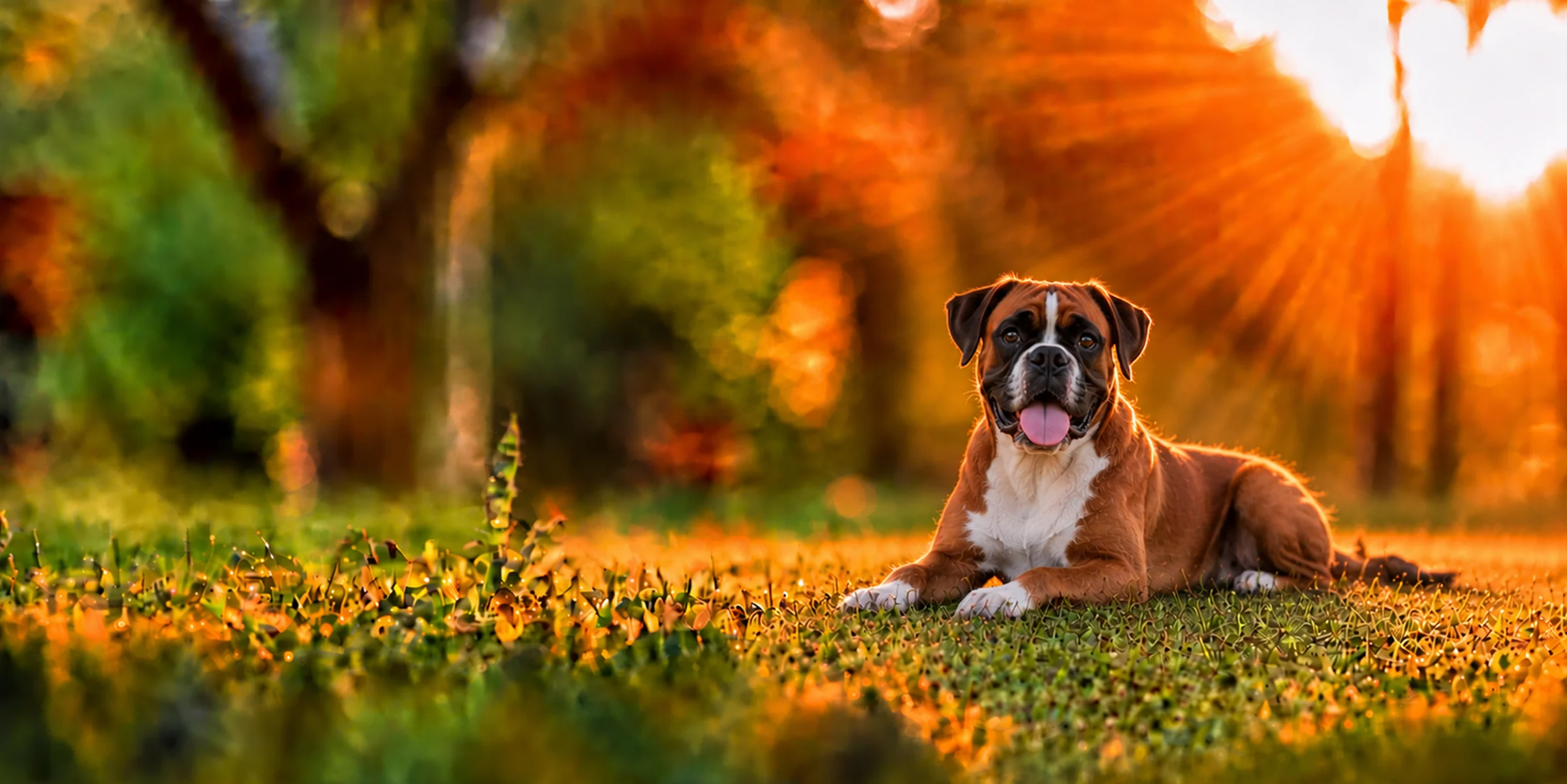
Boxer
A similar clown of a dog for a family who wants the goofy affection without the bully-breed paperwork. The Boxer is far bigger, needs more exercise, drools more and has a much shorter life expectancy, but is usually easier around other dogs.
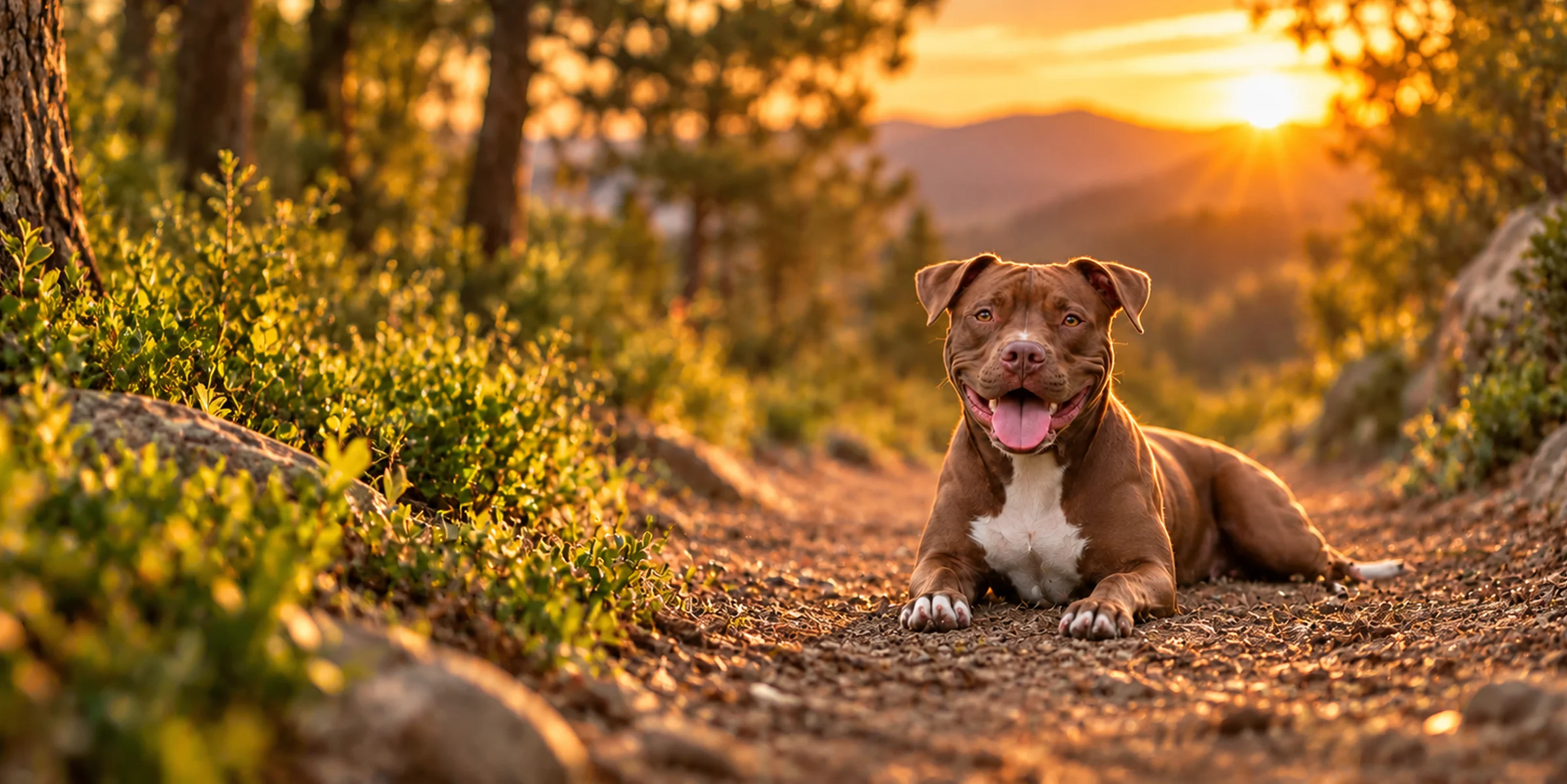
American Pit Bull Terrier
What the Stafford became in America - taller at 17-21 in and 30-60 lb, with the same people-love and the same honest caution around other dogs. The bigger dog is harder to house: breed-specific rules and insurer exclusions land on the Pit Bull far more often than on a Stafford.