

medium-to-large breed
American Staffordshire Terrier
One of the most affectionate breeds here and one of the most misunderstood. An AmStaff is a people dog to a comic degree - seventy pounds that wants to be in your lap, famously tolerant with children, and without any natural suspicion of strangers at all. Two real difficulties come attached: dog-directed reactivity common enough that it has to be planned for rather than hoped against, and the landlords, insurers and jurisdictions that restrict the breed.

Pup Height
18-19 in

Pup Weight
55-70 lb
Figures are for males; females are 17-18 in and 40-55 lb. The standard specifies height and asks for weight in proportion rather than fixing a number. Registered as the Staffordshire Terrier in 1936 and renamed in 1972 to separate AmStaffs from the smaller English Staffordshire Bull Terrier. Source: AKC breed standard.

Pup Lifespan
12-16 years
Your pup, at a glance
What’s Life With This Pup Really Like?

Top of the scale, and they mean it. An AmStaff is a seventy-pound dog with every intention of being a lap dog, and they do not accept alternatives.

Excellent, and genuinely so - patient, sturdy and fond of them. The caution is an AmStaff's strength rather than their intentions, and it applies to toddlers being knocked over rather than anything worse.

The real difficulty with this breed. Dog-directed reactivity is common and often appears at maturity rather than in puppyhood, and cats are a poor bet. Careful management works; wishful thinking does not.

Fairly quiet. An AmStaff is not a talker and will not bark at every passing sound, which makes them an easier neighbor than their reputation suggests.

Moderate. An hour a day is plenty, and they are entirely happy to spend the rest of it asleep against you.

Moderate and year-round. The coat is short but the hairs are stiff and they weave into upholstery.

Boisterous, funny and enthusiastic well into old age. They play hard, which is worth remembering around small children and fragile furniture.

Mild to moderate. Some jowl and some drool around food, nothing like a mastiff.

Bright, eager and genuinely rewarding to train. They want to work with you - the challenge is their strength and their reactivity to other dogs, not their willingness to learn.

Looks the part and rarely is. An AmStaff may announce someone at the door and will then try to sit on them. The deterrent is entirely visual.

About as low as it gets for the coat. The skin is the real job - this is an allergy-prone breed and it repays checking rather than brushing.

Adjusts easily to new homes and routines. The limit is not the dog but the paperwork - insurance, tenancy and local rules narrow the options more than their temperament does.
Lifestyle fit
Could This Be Your Best Breed?
An American Staffordshire Terrier is quiet and content enough indoors for an apartment, but the housing, the home insurance and the local rules all need checking before you commit. They want an owner who is confident on a leash and honest about their dog. Figure $1,700 to $2,900 a year over twelve to sixteen years. If there is already another dog in the house, or you would rather not manage how strangers react, do not.

Living Space
AmStaffs themselves are fine in an apartment - they are quiet, moderate on exercise and content indoors. What decides it is everything around them: some landlords will not take the breed, some home insurers exclude it, and a few jurisdictions restrict it outright. Check all three before you commit, not after.

Pup Experience
Not a first dog, and the reason is specific. AmStaffs are easy with people to the point of being useless as a guard, but they are powerful dogs with real dog-directed reactivity in the bloodline, and managing that in public takes an owner who is confident on a leash and honest about what their dog is.

Daily Pup Time
About an hour of exercise daily plus real training time - they are strong, clever and need the structure more than they need the miles. The coat takes minutes a week.

Allergies & Coat
The American Staffordshire Terrier scores 5/10 for shedding and 4/10 for drooling. No dog is truly hypoallergenic. The allergens come from dander and saliva, and a dog that sheds this much will leave plenty of hair behind - especially on your furniture, floors, and clothes.
Quirks & challenges
The Not-So-Easy Stuff

Trouble With Other Dogs
Dog-directed reactivity is common and can appear at maturity in a dog that was fine as a puppy. Dog parks are usually the wrong environment.
Insurance and Housing
Many home and renter policies exclude the breed and some landlords refuse it. Sort this out before the puppy, not after.
Strong Enough to Matter
Seventy pounds of muscle with a high pain threshold. Leash skills are a safety requirement here, not a nicety.
Skin Allergies Are Common
Itching, chewing and recurring ear trouble run in the breed. It is the likeliest recurring vet cost you will meet.
They Want a Job
Clever, driven and easily bored. Weight pull, agility and scent work suit them; an empty afternoon does not.
The Reputation Follows Them
People will cross the road. Fair or not, it shapes where you can take an AmStaff and how carefully you have to manage them.
The good, the bad & the hairy
Health, Care & Costs
Understanding the health risks and ongoing costs of a American Staffordshire Terrier helps you plan for a happy, healthy life together.

12-16 years
$40-$60
per groom (bath, nails and ears), every 8-12 weeks - a short coat needs little ($180-$300/year)
$1,700-$2,900/year
all-in (food, routine vet, grooming, insurance, incidentals)

Health Risks
Conditions this breed is prone to.

A late-onset inherited disease specific enough to this breed that the DNA test is named for it. Coordination fails gradually from around three to five years old, and there is no treatment. Both parents should be tested clear or the pairing planned around carrier status - ask to see the certificates.
The commonest thing that actually goes wrong here. Itching, chewed paws, hot spots and repeat ear infections, usually from environmental allergens. Manageable but rarely cured, and the medication and diet costs recur for life.
The hip joint develops loosely, so the ball and socket grind instead of gliding. It leads to arthritis and, in severe cases, replacement surgery. Ask to see hip scores for both parents.
The knee ligament tears under the load of a heavy, powerfully built dog turning at speed. It usually needs surgery, and dogs that do one side often do the other later.
Subaortic stenosis and related defects turn up in the breed - a narrowing below the aortic valve that makes the heart work harder. A vet hears it as a murmur, often at the puppy check, and a cardiac clearance on both parents is a reasonable thing to ask for.
A skin mite that every dog carries and that only causes trouble when the immune system lets it. Young AmStaffs are more prone than most; localized cases clear up, widespread ones need months of treatment.

Insurance & Health Coverage
This breed needs two separate insurance conversations, and confusing them is the mistake people make.

The first is home and renter cover, and it is the harder one. A number of insurers exclude the breed from liability cover outright or decline the policy, and landlords often follow whatever their own insurer says. This is worth resolving in writing before you bring a puppy home, because finding out afterward means choosing between the dog and the housing.

The second is pet health cover, which is a different product and generally does not refuse the breed. What it does do is exclude what is already on record - and this is a breed where that matters, because allergic skin disease usually starts young, recurs for life, and is exactly the kind of chronic condition that gets written into an exclusion the moment it appears in the notes. Cerebellar ataxia and heart disease are the expensive ones; the skin is the one that quietly closes the door on cover if you wait.
 Get a Pet Insurance Quote
Care needs
The Daily Routine

Grooming
A short, stiff coat that needs a weekly rub-down with a rubber mitt and nothing else. Nails, teeth and ears on the usual schedule, and a closer eye on the skin than most breeds need - itching and hot spots are worth catching early.

Exercise
About an hour daily, and the head matters as much as the legs. Weight pull, agility, obedience and scent work all suit a strong, clever dog; long unstructured walks past other dogs are the least useful hour you can spend with an AmStaff.

Food & Weight
Measure the meals and keep them lean - extra weight sits badly on knees that are already carrying a heavy, muscular dog. AmStaffs are food-motivated enough that training treats need to come out of the daily ration rather than on top of it.
Similar breeds
If This Isn’t Quite the One
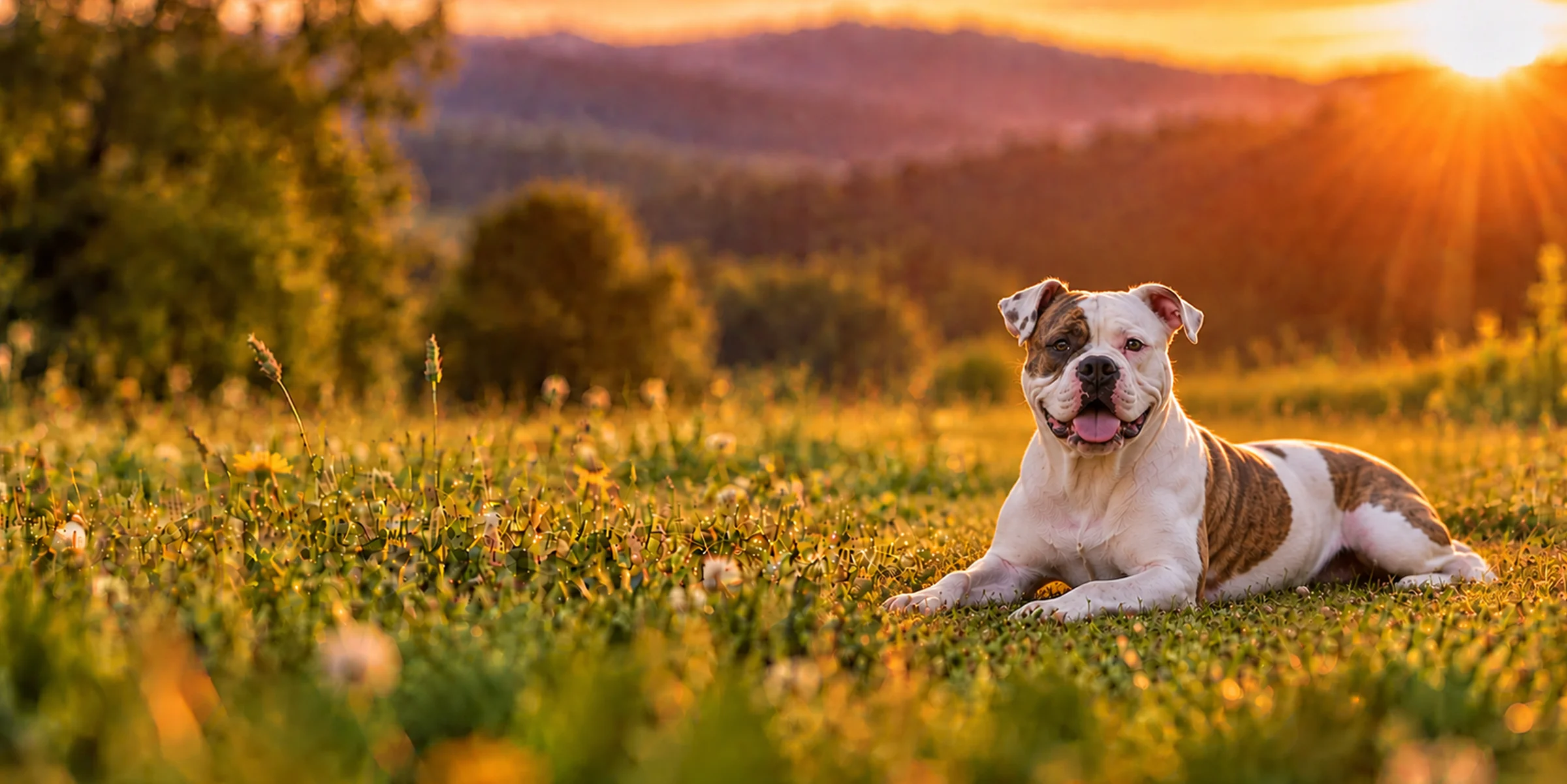
American Bulldog
The closest match on build, strength and the practical problems that come with owning a bully breed - and a similar management job, though the American Bulldog is the more naturally protective of the two.
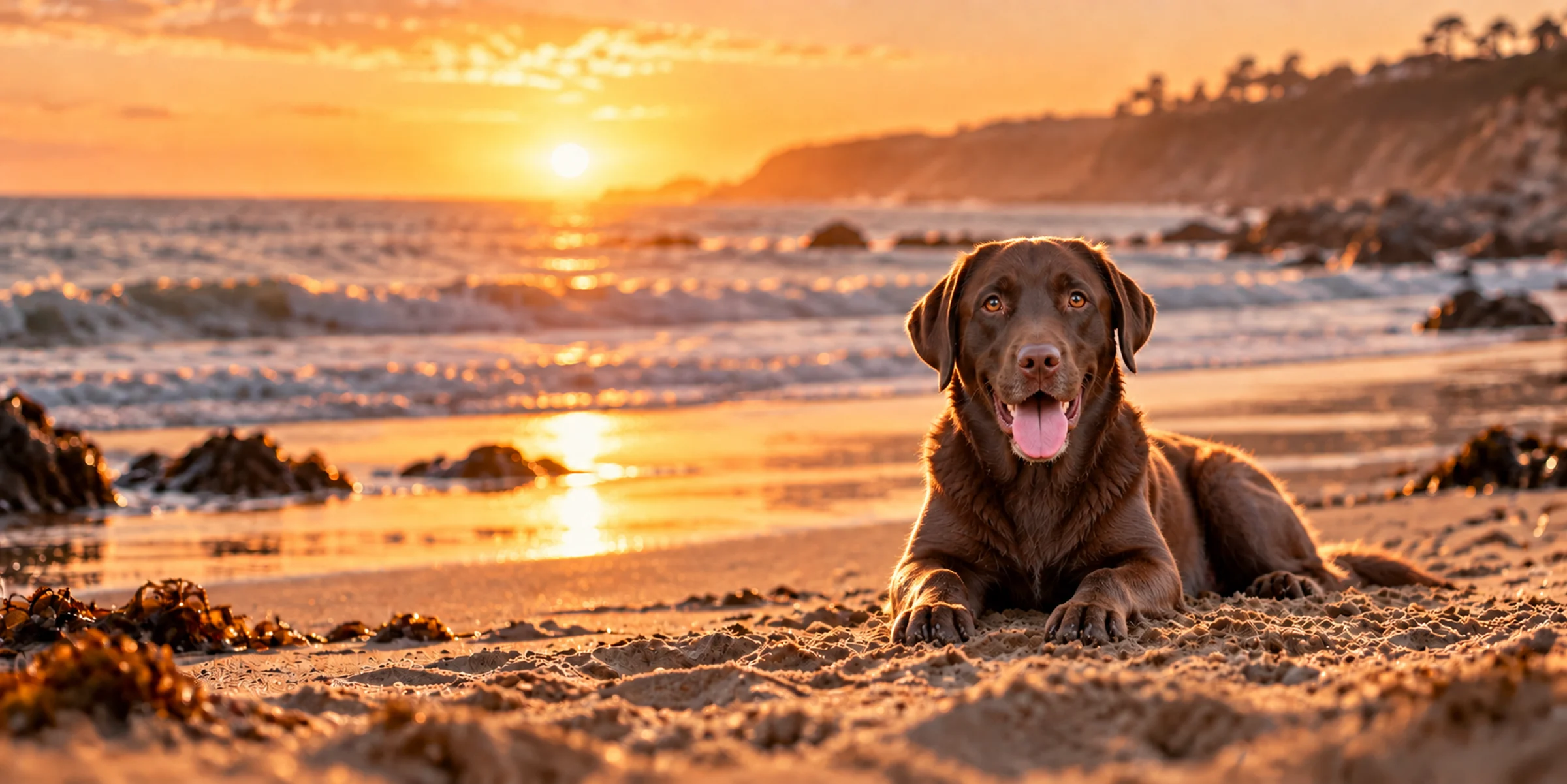
Labrador Retriever
If the appeal is a big, sturdy, endlessly affectionate dog who adores children, a Labrador delivers it without the dog-directed reactivity, the insurance exclusions or the reaction on the sidewalk.
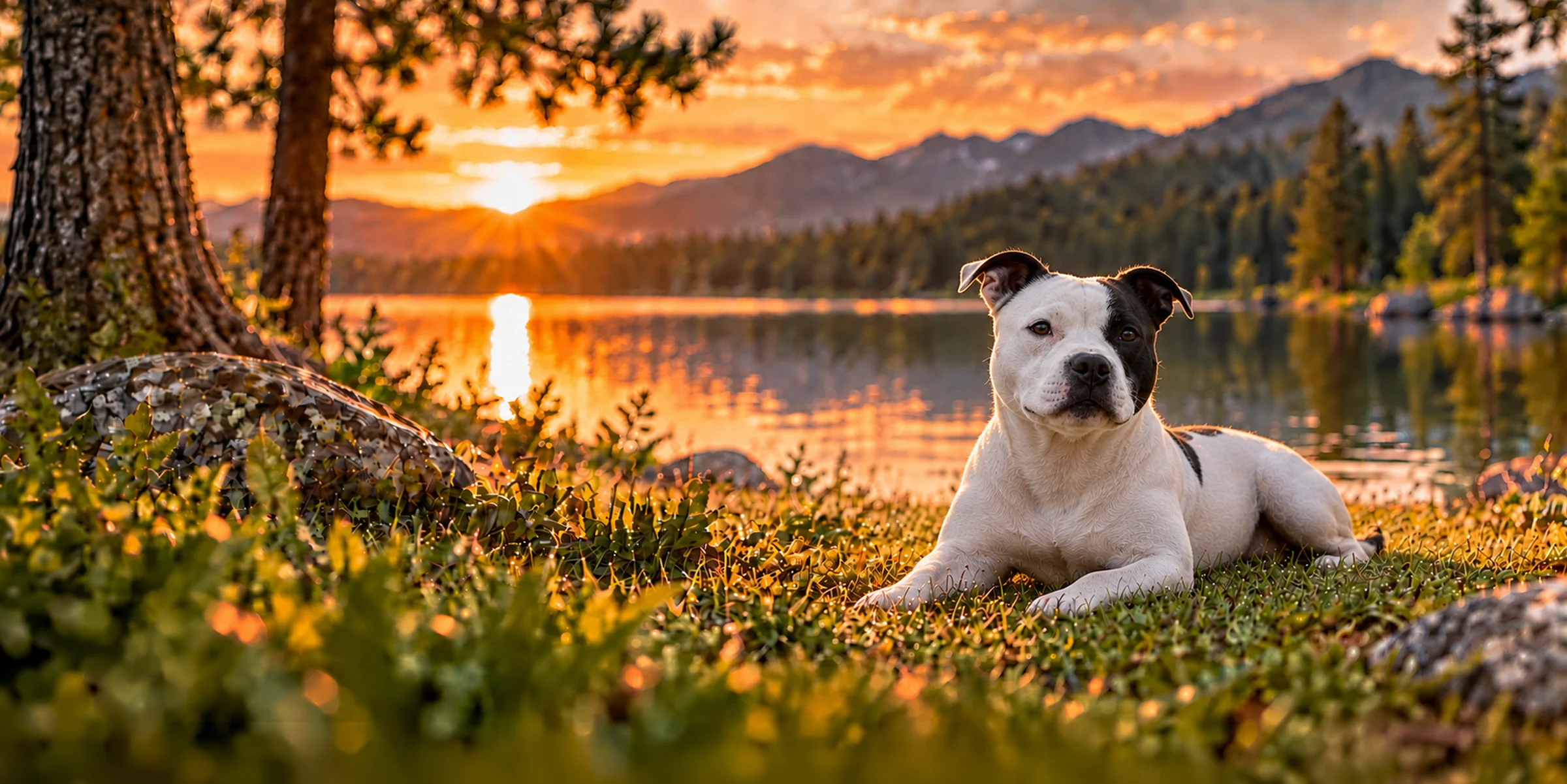
Staffordshire Bull Terrier
The English breed the AmStaff descends from, and a separate breed rather than a size variety. Staffords are shorter and lighter at 14-16 in and 24-38 lb, reached the AKC in 1975 rather than 1936, and ask for the same honest management of dog-directed reactivity in a dog just as devoted to people.
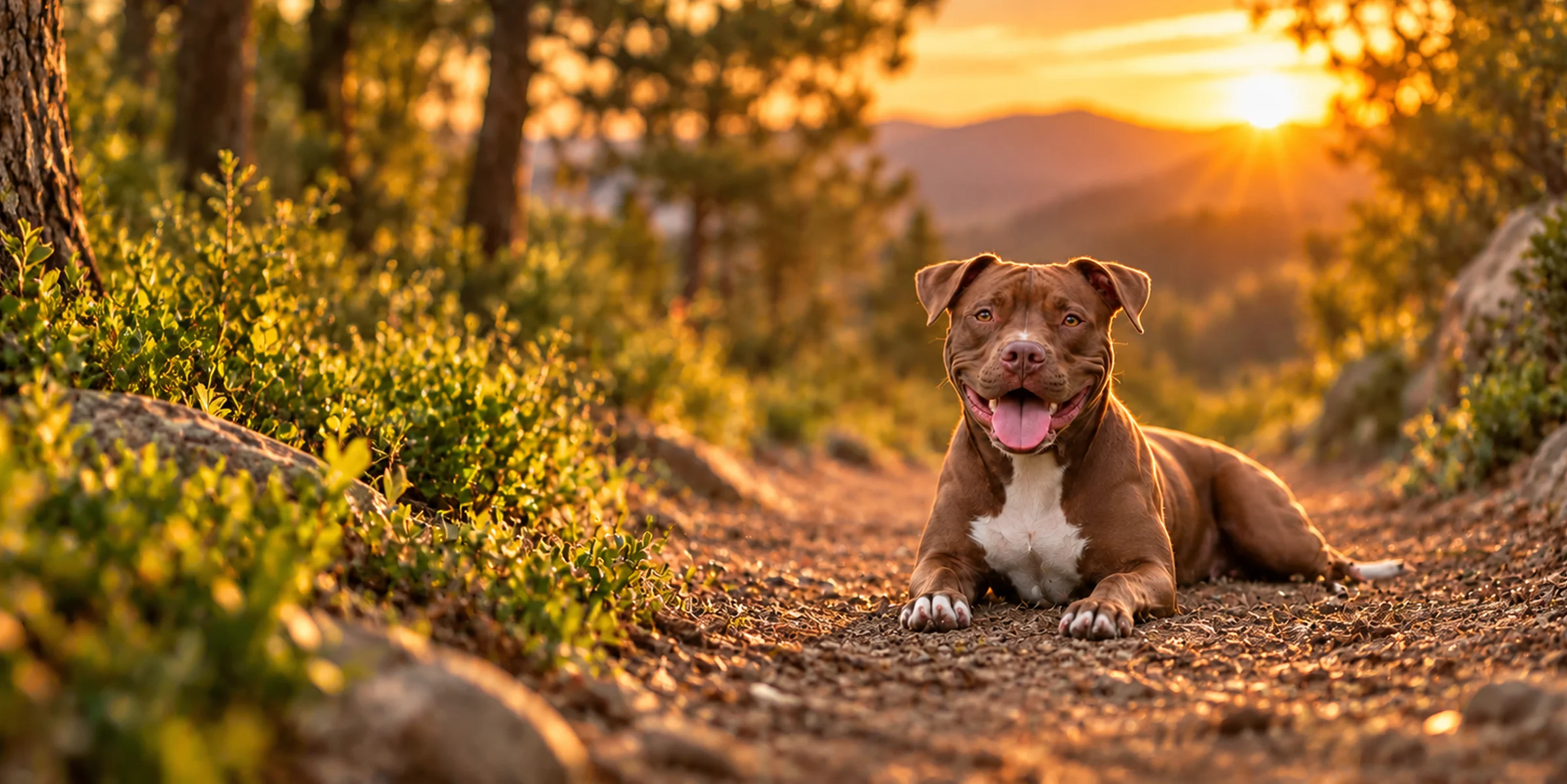
American Pit Bull Terrier
The same dogs under a different registry. The UKC kept the Pit Bull Terrier name in 1936 while the AKC took these on as Staffordshire Terriers, and the two lines have drifted since - the APBT stayed lighter and more athletic. The temperament, and the housing and insurance problems, are near enough identical.
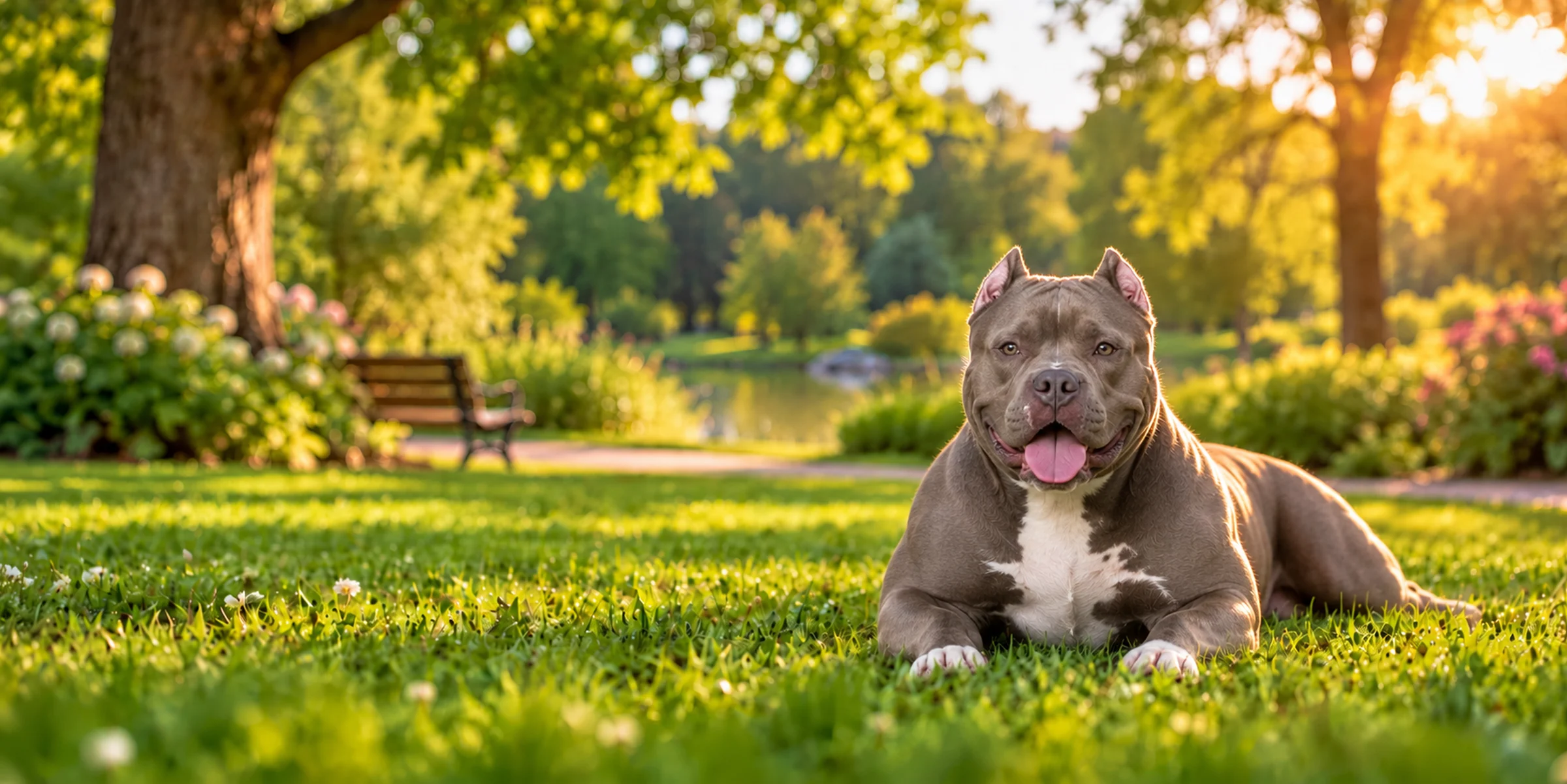
American Bully
A newer breed built partly from AmStaffs, bred shorter and much wider for companionship rather than work. Bullies want less exercise and carry less dog-directed reactivity, but the heavy build brings joint, skin and breathing costs an AmStaff does not have.