

medium breed
Standard Schnauzer
The original schnauzer and the oldest of the three - a German farm dog that ratted in the stable, guarded the cart to market and watched the household. Standard Schnauzers are bold, funny, intensely people-oriented and far busier than the whiskers suggest, with genuine working drive and a terrier streak underneath. The costs are steady rather than dramatic: a coat bill every six to ten weeks, a voice that reports everything, and a dog who needs a job.

Pup Height
17.5-19.5 in

Pup Weight
30-50 lb
Males 18.5-19.5 in and 35-50 lb, females 17.5-18.5 in and 30-45 lb. Pepper and salt or pure black only. A harsh, wiry outer coat over a dense undercoat, with the heavy eyebrows, beard and leg furnishings the schnauzer family shares. Recognized in 1904 and judged as a separate breed from the Miniature Schnauzer and the Giant Schnauzer, and placed in the Working Group. Source: AKC breed standard.

Pup Lifespan
13-16 years
Your pup, at a glance
What’s Life With This Pup Really Like?

High. Affectionate and physically close with their own people, and inclined to follow them from room to room all evening.

Very good. Playful, sturdy and patient with children in the family, with supervision as always and a note that the watchfulness extends to visiting friends.

Mixed. Fine with dogs they grew up with, sometimes bossy or same-sex touchy with strange ones, and genuinely unsafe around rats, hamsters and other small pets.

High. Bred to raise the alarm and still keen on the work, so a quiet cue has to be taught rather than hoped for.

High. An hour to ninety minutes daily with mental work in it, and a dog who stays busy well into old age.

Very low. The wire coat holds loose hair instead of dropping it, which is exactly why stripping or clipping is unavoidable.

Clownish and tireless. Standard Schnauzers play hard, invent games, and keep the sense of humor for years.

Low, though a soaked beard drips a trail across the kitchen after every drink.

Excellent. Fast, capable and eager to work, with a stubborn streak that shows up the moment training turns repetitive.

Very high. Alert, territorial and quick to announce a stranger, with enough substance behind the bark to mean something.

High. Twice-weekly brushing and combing, stripping or clipping every 6-10 weeks, and a beard wiped most days.

Moderate. The size and the low shedding travel well; the exercise, the barking and the need for a job are what limit the homes that suit them.
Lifestyle fit
Could This Be Your Best Breed?
A Standard Schnauzer fits an active household that wants a companion with opinions, in a house with a fenced yard or an apartment with two real outings a day. Grooming pushes the yearly figure to $1,700 to $2,900, and the breed is long-lived for the size at thirteen to sixteen. The households that regret a Standard Schnauzer are the ones who wanted a smart, medium, low-shedding dog and had nothing for that brain to do.

Living Space
A house with a securely fenced yard suits them best, though an apartment can work for an owner who supplies two real outings a day. Standard Schnauzers are medium-sized and shed almost nothing, but they watch the windows and the hallway and tell you about both, so close neighbors mean teaching a quiet cue early.

Pup Experience
Best for an owner who has trained a dog before, or a first-timer who signs up for classes and means it. Standard Schnauzers are clever, opinionated and quick to notice which rules nobody enforces, and the ones who turn into a handful are almost always the ones left without direction.

Daily Pup Time
At least an hour to ninety minutes of exercise and training daily, with real mental work in it. Grooming is a thorough brush and comb twice a week, a wiped beard most days, and stripping or clipping every 6-10 weeks.

Allergies & Coat
The Standard Schnauzer scores 2/10 for shedding and 2/10 for drooling. No dog is truly hypoallergenic. The allergens come from dander and saliva, and a coat like this one holds on to them rather than spreading them around your home - which is what a groomer is clearing out every six to eight weeks.
Quirks & challenges
The Not-So-Easy Stuff

Needs a Job
A working farm dog in a medium-sized package. Without training, nosework or a sport to pour that drive into, a Standard Schnauzer invents the job and you will not like the choice.
Hand-Strip or Clip
The wiry coat keeps growing and has to be stripped or clipped every 6-10 weeks. Stripping keeps the harsh texture and the color; clipping is cheaper and softens both permanently.
Alert Barking
Bred to raise the alarm and still keen on the work. A quiet cue taught early is the difference between a watchdog and a nuisance.
Prey Drive Is Real
Rats were the day job. Squirrels, cats and small pets can trigger a chase that recall does not always beat, so fences and long lines matter.
Watchful With Strangers
Reserved rather than friendly on first meeting, and protective of the household. Heavy socialization before six months keeps that judgment sound.
Tests the Rules
Smart, stubborn and quick to spot an inconsistency. Repetitive drilling bores them and negotiating once teaches them to negotiate always.
The good, the bad & the hairy
Health, Care & Costs
Understanding the health risks and ongoing costs of a Standard Schnauzer helps you plan for a happy, healthy life together.

13-16 years
$70-$120
per groom (hand-strip or clip, bath, beard, furnishings, ears, nails), every 6-10 weeks ($450-$950/year)
$1,700-$2,900/year
all-in (food, routine vet, grooming, insurance, incidentals)

Health Risks
Conditions this breed is prone to.

Worth saying first. Standard Schnauzers are long-lived for their size and the inherited-disease list is shorter than most working breeds, which is part of why the breed has held up over a century of popularity.
The hip joint develops loosely so the ball wears in the socket instead of gliding, leading to arthritis and occasionally surgery. Rates are moderate for a medium working breed, and both parents should have scored hips.
Cataracts and progressive retinal atrophy both occur. A DNA test exists for the form of PRA found in this breed (PRA type B), so tested parents remove that risk entirely; annual eye examinations catch cataracts early.
The heart muscle thins and stretches so the pump weakens, and it runs in families in this breed. Signs are coughing, tiring easily and fainting, usually in middle age. Ask whether the line has been echocardiogram screened.
An underactive thyroid causes weight gain, low energy and coat and skin changes. Diagnosed on a blood test and controlled for life with an inexpensive daily tablet.
Atopic itching, ear inflammation and recurring skin infections appear in the breed, and some dogs develop the blackhead-like bumps along the back that the schnauzer family is known for. Medicated shampoo and a vet-set routine usually manage both.

Insurance & Health Coverage
Insure young. This is a long-lived breed, so a policy taken out in the first year is carried for thirteen or more, and anything noted on the record before cover starts becomes a permanent exclusion - which matters here because the conditions that cost money arrive in middle age rather than in puppyhood.

The heart is the claim to plan for. Dilated cardiomyopathy means an echocardiogram, a cardiologist and medication for the rest of the dog's life, so check that the policy covers chronic conditions year after year instead of closing them off after twelve months. Allergic skin and ear disease is the same shape of cost, smaller but endless.

Grooming is the uninsurable line. Several hundred dollars a year for over a decade, and skipping it is not an option on a coat that keeps growing - price a groomer before committing, or learn to strip the coat yourself.
 Get a Pet Insurance Quote
Care needs
The Daily Routine

Grooming
A harsh wire coat over a dense undercoat that sheds very little and never stops growing. Brush and comb twice a week, concentrating on the beard, the leg furnishings and behind the ears where mats start, and strip or clip every 6-10 weeks. Hand-stripping pulls the dead outer hairs out at the root and keeps the coat harsh and the pepper and salt sharp; clipping cuts the same hairs off, which is faster and cheaper but turns the texture soft and the color dull, and the change does not reverse. Decide which route you are taking early, because a clipped coat cannot simply be stripped again later. The daily job is the beard - wipe it after meals and drinks or the kitchen floor gets the rest.

Exercise
An hour to ninety minutes daily, and the thinking half is not optional. Brisk walks, hikes, running alongside a bike, fetch, agility, nosework and barn hunt all suit them. Do the chasing games in a fenced area or on a long line, since a Standard Schnauzer on a scent is only partly listening.

Food & Weight
Two measured meals a day and an honest eye on the waistline - the wire coat hides weight gain well, so use your hands rather than the mirror. Treats come out of the daily ration, and training treats should be small, because a lot of the day's food is going to be handed over one piece at a time.
Similar breeds
If This Isn’t Quite the One
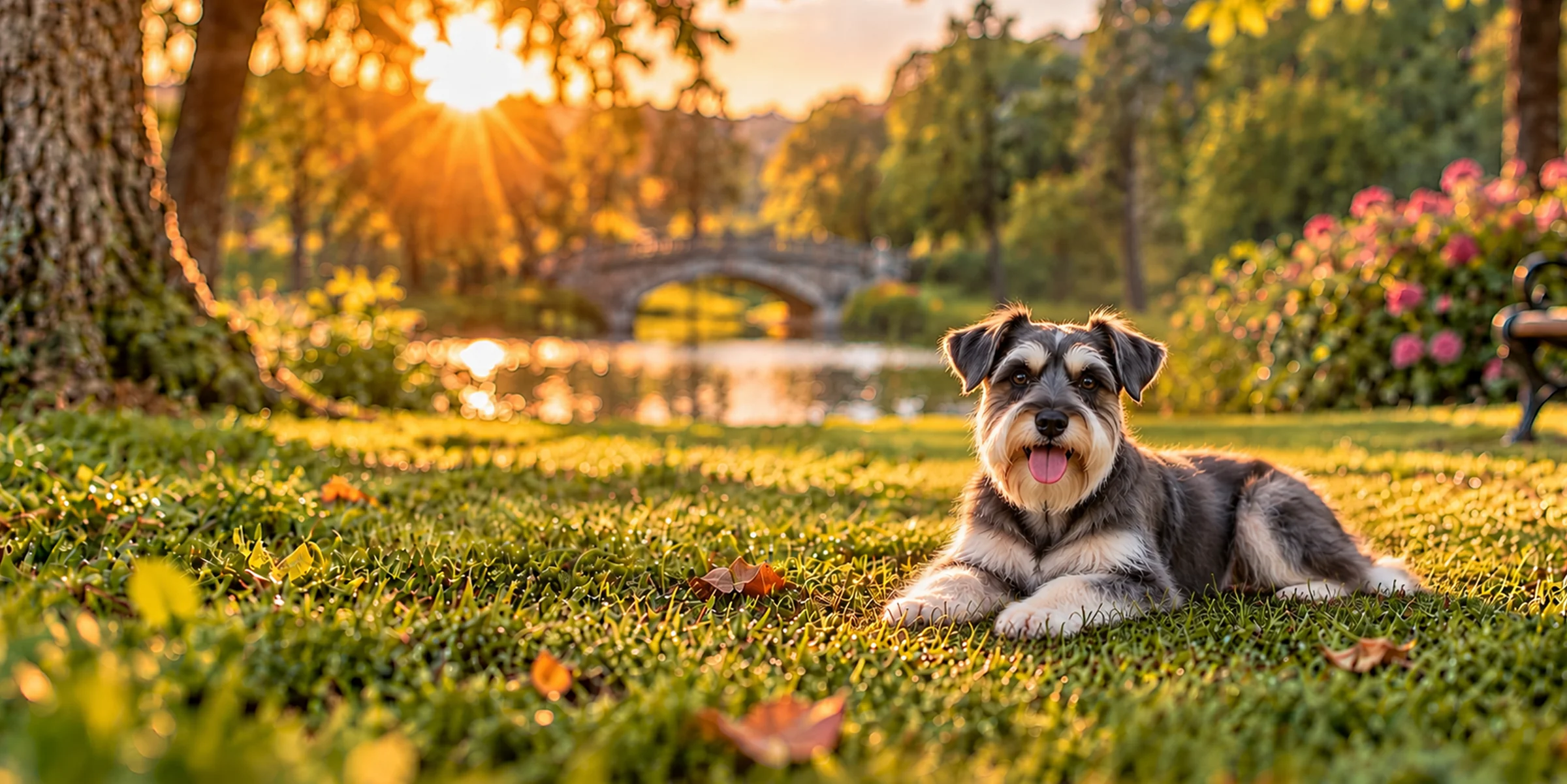
Miniature Schnauzer
A separate breed rather than a small version of this one - made in the late 1800s by crossing the Standard down with the Affenpinscher and Poodle, and placed in the Terrier Group. The Miniature is a compact, adaptable companion that fits most homes; the Standard is a bigger, driven working dog that needs a job and a fence.
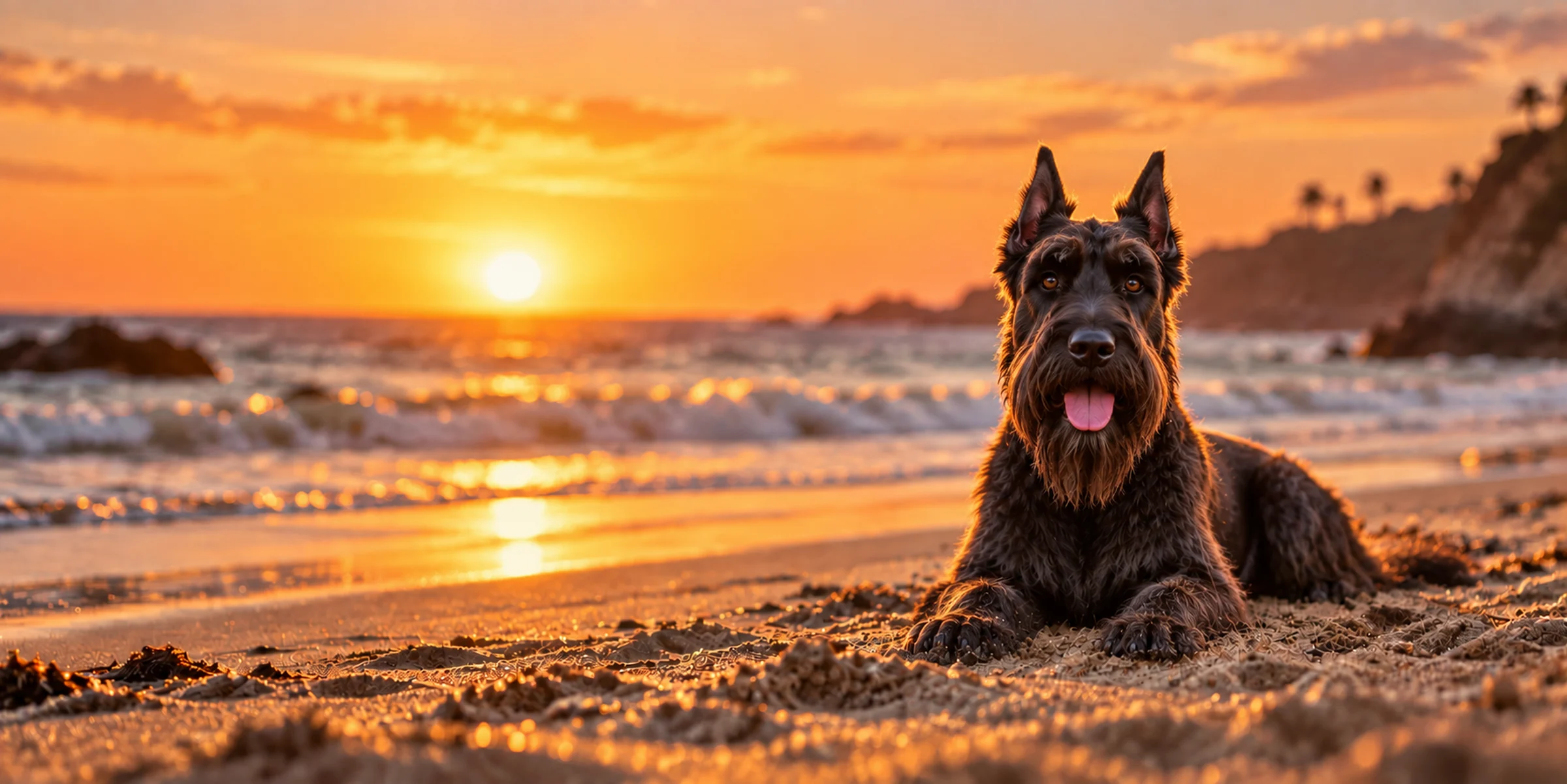
Giant Schnauzer
Also a separate breed, not a scaled-up Standard - built in Bavaria from Standard Schnauzer crossed with larger drover and mastiff stock for cattle work and guarding, and far more dog in every sense. Both sit in the Working Group, but the Giant is a serious protection breed for experienced handlers; the Standard is a manageable medium companion with the same beard and the same grooming bill.
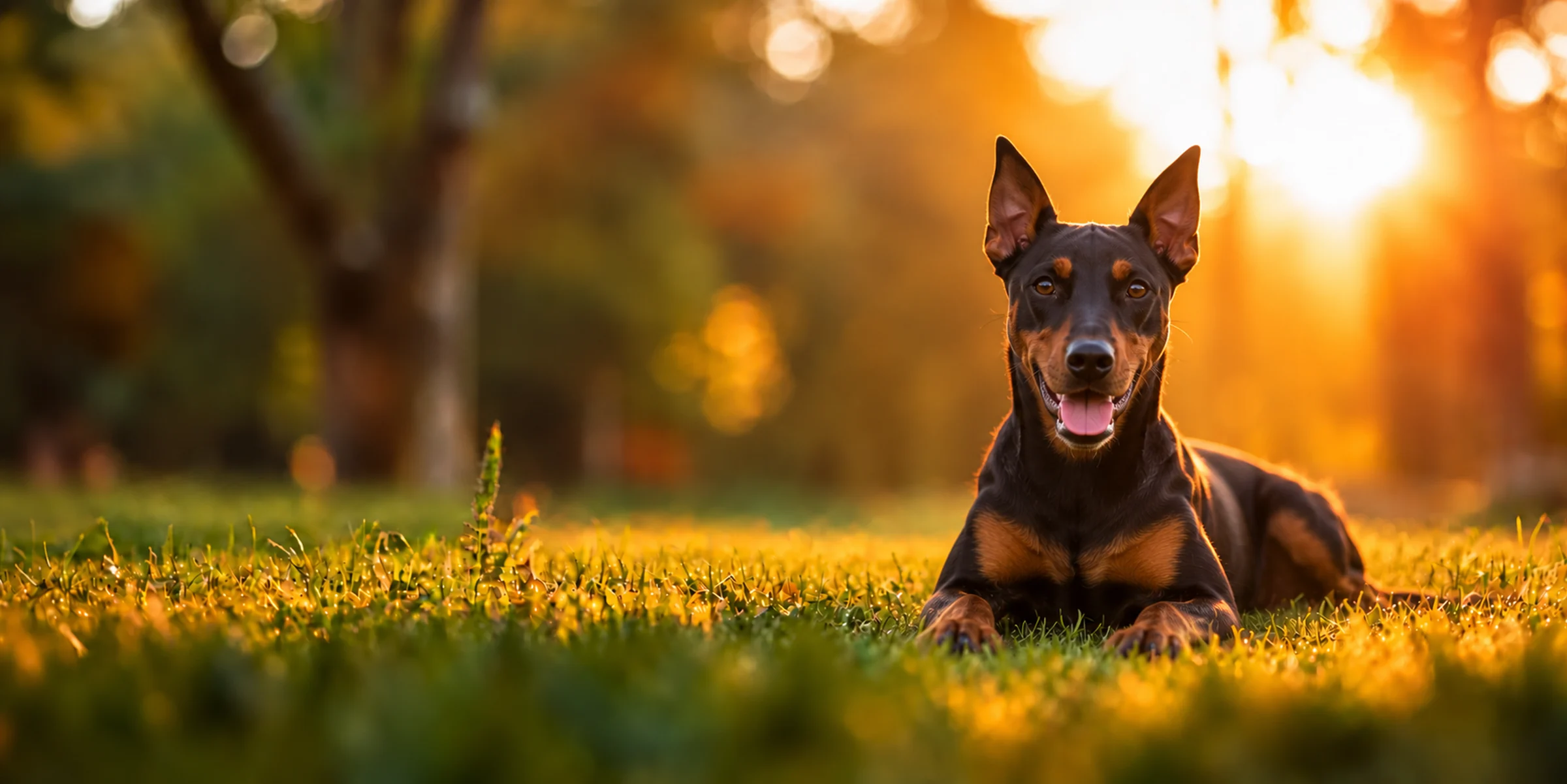
German Pinscher
The smooth-coated cousin from the same German farm-ratter stock and almost the same size. The Pinscher needs barely any grooming and carries more intensity and a stronger independent streak; the Standard Schnauzer is a little softer with family, a lot more coat, and easier to keep in a busy household.