

large-to-giant breed
American Bulldog
Powerful, fearless and startlingly affectionate with their own people - an American Bulldog will body-slam you onto the sofa and then fall asleep across your legs. The difficulty is everything attached to that: real strength in a seventy-five-to-125-pound frame, a guarding instinct that switches on without any training, and a legal and insurance status that varies by where you live. Handled well they are superb. Handled casually they are a lot of dog.

Pup Height
22-27 in

Pup Weight
75-125 lb
Figures are for males; females are 20-24 in and 60-100 lb. Two types persist within one standard - the heavier, shorter-muzzled Johnson and the leaner, more athletic Scott - and most modern dogs are a blend of the two. Source: UKC breed standard.

Pup Lifespan
10-14 years
Your pup, at a glance
What’s Life With This Pup Really Like?

Enormously affectionate with their own household and entirely unaware of their size - expect a hundred pounds arriving on your lap uninvited.

Devoted and tolerant with children they have grown up with. The caveat is physics rather than temperament: American Bulldogs knock small children over without meaning anything by it.

The hard part. Same-sex dog aggression is common and prey drive toward small animals is real, so introductions need managing rather than assuming.

Moderate. Not a chatty breed, but they announce arrivals and they have the voice to make it count.

High, and muscular rather than frantic. They want an hour of real work daily, then sleep like a rock.

Moderate year-round. A short coat, but the hairs are stiff and they weave into fabric.

Boisterous and genuinely funny - a clown in a heavyweight's body. Games need structure simply because of the force involved.

Noticeable, and more so on the heavier Johnson-type heads with looser flews. Keep a cloth to hand.

Willing and food-motivated, but strong-willed enough to test an inconsistent handler. They learn fast; the question is whether they decide you meant it.

Very high, with no training required. Territorial and naturally suspicious of strangers, which is the trait most needing careful socialization.

Minimal. A weekly brush, regular nails, and drying the face folds on heavier-headed dogs.

Limited. They need space, secure fencing, an experienced handler and a jurisdiction that permits them - and that last one is not a given.
Lifestyle fit
Could This Be Your Best Breed?
An American Bulldog suits a house with a strong fence and an owner who starts training early and never quite stops - confident on a leash, honest about the dog they have, and willing to check local rules and home insurance first. Budget $2,000 to $3,400 a year across ten to fourteen years. Skip this one if you live in an apartment, have never raised a dog before, or would rather not be the one setting the rules.

Living Space
A house with a strong, secure fence. Not for an apartment - the size, the strength and the guarding instinct all want room and a clear boundary, and this is a breed that leans on things until they give.

Pup Experience
Not a first dog. A hundred pounds of confident, strong-willed dog is only manageable if the training happened early, and this breed will quietly take charge of a household that does not lead them.

Daily Pup Time
An hour or more of real exercise daily plus training that never quite stops, and five minutes of grooming a week.

Allergies & Coat
The American Bulldog scores 5/10 for shedding and 6/10 for drooling. No dog is truly hypoallergenic. The allergens come from dander and saliva, and a dog that sheds this much will leave plenty of hair behind - especially on your furniture, floors, and clothes.
Quirks & challenges
The Not-So-Easy Stuff

Strength Needs Training
A hundred pounds that pulls is not a habit, it is a hazard. Loose-leash work has to happen while they are still small enough to correct.
Restricted in Some Places
Breed-specific legislation and landlord bans catch this breed regularly. Check local law and your insurer before committing, not after.
Not a Dog Park Dog
Same-sex dog aggression is common and prey drive is real. Controlled introductions, not open free-for-alls.
Guards by Default
The protective instinct arrives without training. Heavy socialization is what keeps it proportionate rather than indiscriminate.
Chews Through Anything
Jaw strength that was bred for holding livestock goes through ordinary toys in minutes. Buy for a mastiff, not for a retriever.
Heat Is a Real Limit
The shorter-muzzled Johnson type especially. Summer exercise means early and late, and a hot day is a genuine risk rather than an inconvenience.
The good, the bad & the hairy
Health, Care & Costs
Understanding the health risks and ongoing costs of a American Bulldog helps you plan for a happy, healthy life together.

10-14 years
$40-$65
per groom (bath and nails), every 8-12 weeks - a short coat needs little ($180-$320/year)
$2,000-$3,400/year
all-in (food, routine vet, grooming, insurance, incidentals)

Health Risks
Conditions this breed is prone to.

The joint develops loosely, so the bones grind instead of gliding, leading to arthritis and sometimes surgery. Common in large, heavy, fast-growing breeds - ask to see scores for both parents.
An inherited neurological disease specific to this breed, usually appearing around one to two years old as loss of coordination and behavioral change. It is fatal and untreatable, but there is a DNA test - no responsible breeder skips it.
An inherited skin condition causing thick, flaky, scaling skin. Not painful and managed with medicated shampoos, and there is a DNA test for the variant found in this breed.
The knee ligament tears under the load of a heavy, athletic dog turning hard. It usually needs surgery, and dogs that do one side often do the other later.
Eyelid problems common in loose-faced breeds - the lid rolls inward and rubs the cornea, or the third eyelid gland prolapses. Both are surgically corrected and both are more likely in the heavier type.
The stomach fills with gas and twists, cutting off its own blood supply. Without surgery within hours it is fatal. Deep-chested dogs are most at risk, and feeding one large meal a day or exercising straight after eating makes it likelier.

Insurance & Health Coverage
This breed has an insurance problem most do not, and it is worth knowing before you commit rather than after: many home and renters policies exclude or surcharge bully-type breeds, and some landlords and local ordinances restrict them outright. That is a question to ask your insurer and your council by name, not by category.

On the pet side, the costs to plan for are orthopedic. Cruciate surgery runs several thousand dollars per knee and this breed often needs both, hip or elbow work is in the same range, and bloat is an emergency operation for a deep-chested dog of this size.

A policy taken out before anything reaches a vet's notes is what keeps a later claim from being refused as pre-existing - and with a joint that is already clicking, that window has usually closed.
 Get a Pet Insurance Quote
Care needs
The Daily Routine

Grooming
A short coat that needs almost nothing - a weekly once-over with a rubber curry and regular nails. The face folds on heavier-headed dogs need wiping dry, since damp skin folds go sore quickly.

Exercise
An hour or more daily of real work, and it should build muscle rather than mileage - drag work, hill walks and structured play suit them better than long flat runs on hard ground.

Food & Weight
Feed two measured meals rather than one large one and keep hard exercise clear of mealtimes, since deep-chested breeds carry real bloat risk. Grow puppies slowly on large-breed food, and keep adults genuinely lean - every extra pound goes through knees and hips that are already the weak point.
Similar breeds
If This Isn’t Quite the One

Akita
The other powerful guardian on this site. An Akita is quieter, more aloof and far less demonstrative - the same protective instinct without the American Bulldog's clownish affection for their own people.

German Shepherd
If the protection and the size appeal but the strength and the legal complications do not, a German Shepherd is more trainable, more widely accepted by insurers and landlords, and far easier to take into public spaces.
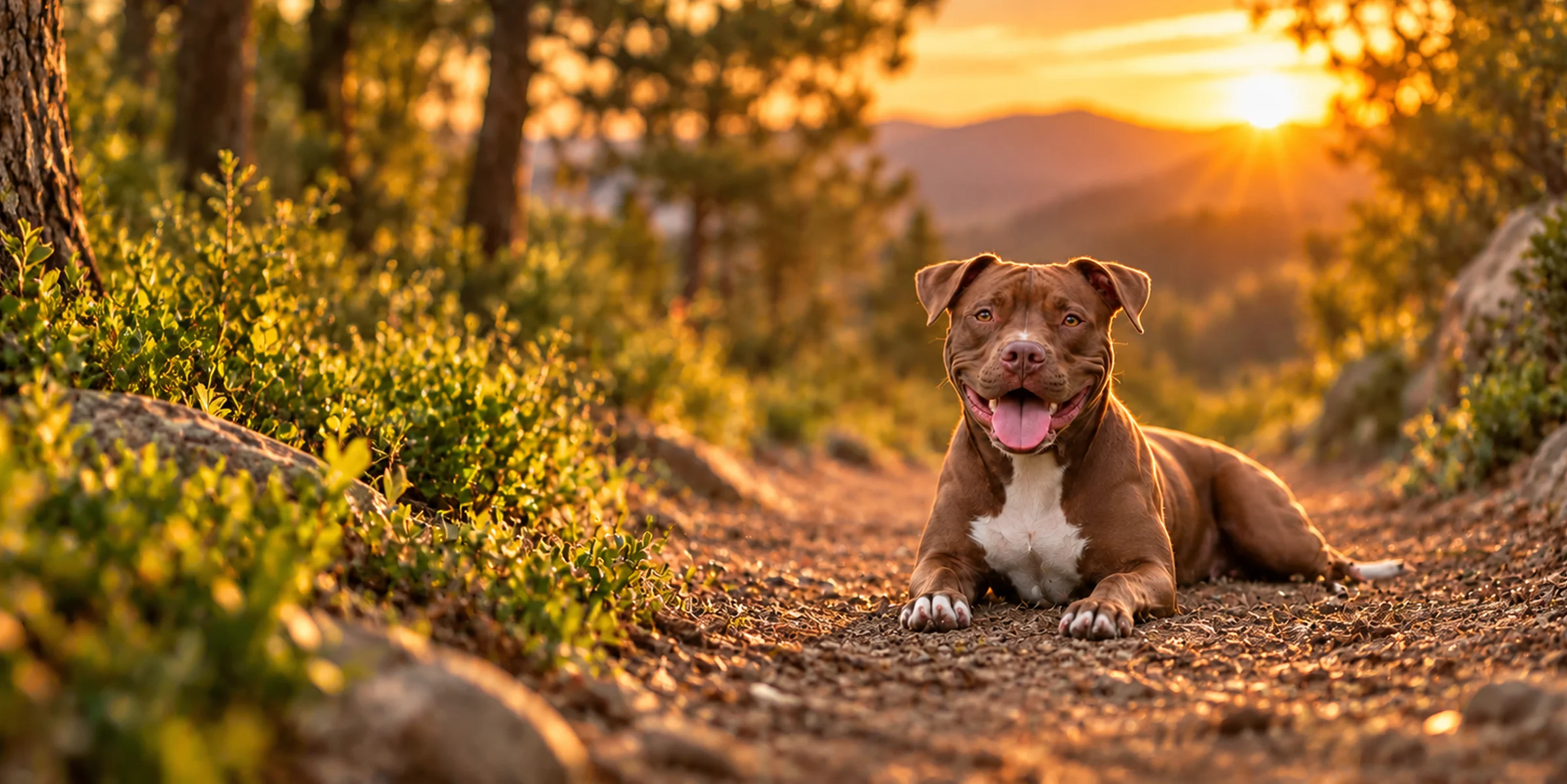
American Pit Bull Terrier
Lighter, quicker and considerably more social with strangers. American Bulldogs are guardians with a real protective streak; a Pit Bull greets the visitor. Both meet the same housing and insurance questions.
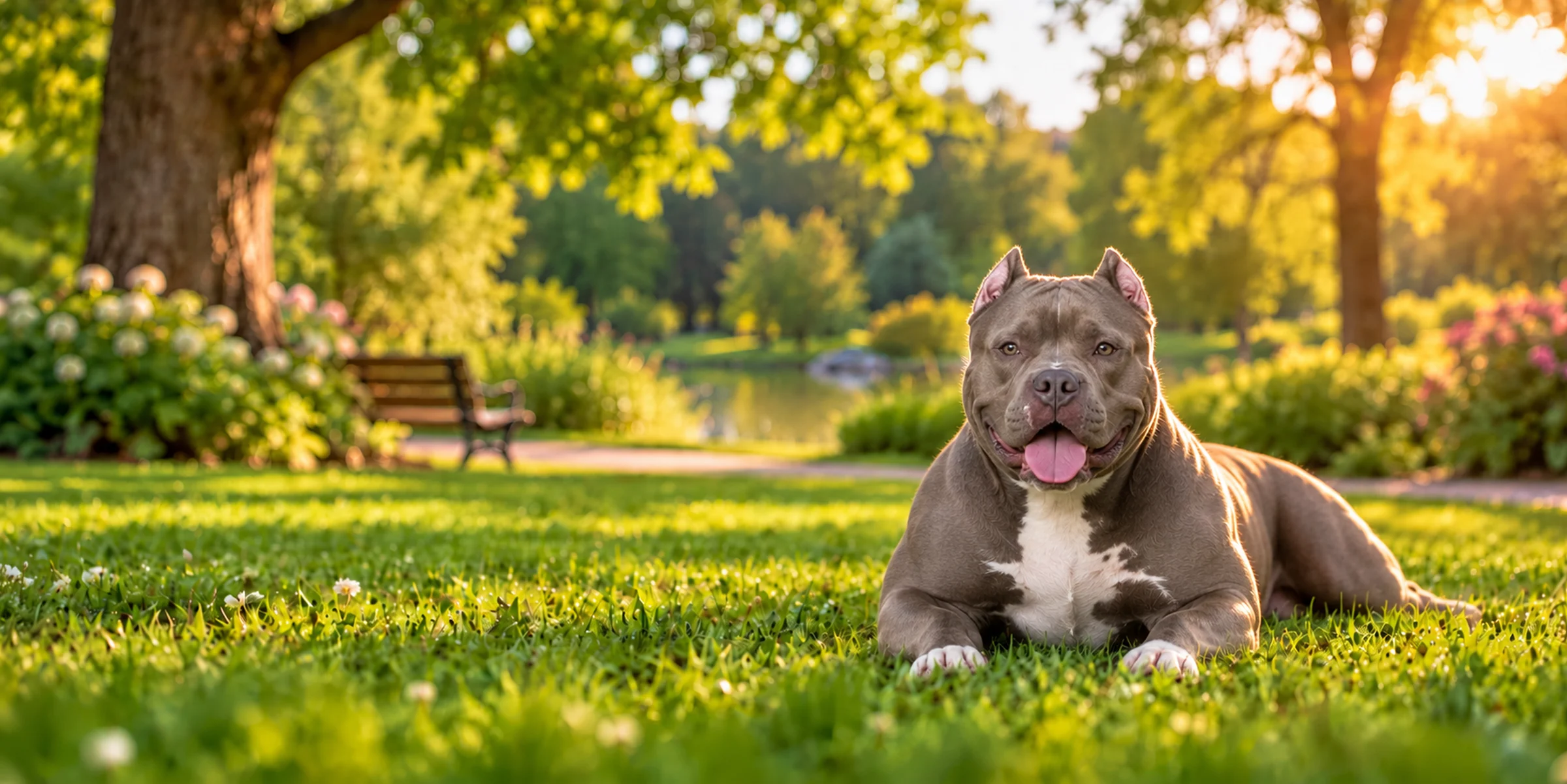
American Bully
A shorter, wider companion breed rather than a working guardian, and calmer indoors than either. The tradeoff is structural - the heavy Bully build brings hip, skin and breathing trouble the leaner American Bulldog largely avoids.