

large-to-giant breed
Tibetan Mastiff
An ancient Himalayan guardian, kept by nomads to sleep out beside the herds and by monasteries to hold the gate through the night. The old name, Do-khyi, means roughly the dog you tie by day and turn loose after dark, and that is still the temperament: mellow and asleep around the house, awake and patrolling from dusk, entirely serious about anyone arriving uninvited. Expect an independent mind, giant-breed vet bills and one enormous annual shed.

Pup Height
24-26 in

Pup Weight
70-150 lb
Males stand a minimum of 26 in and run about 90-150 lb, females a minimum of 24 in and 70-120 lb - the standard sets a floor rather than a ceiling, and faults dogs noticeably under it. Black, brown and blue-gray, each with or without tan markings, plus various shades of gold; white is allowed on the chest and feet. A double coat with hard, straight, stand-off guard hair over a heavy wooly undercoat, never silky, curly or wavy, and heaviest around the neck and shoulders on males, who carry a mane. The coat is never trimmed. AKC Working Group, recognized in 2006. Source: AKC breed standard.

Pup Lifespan
10-12 years
Your pup, at a glance
What’s Life With This Pup Really Like?

Moderate, and on their own terms. Tibetan Mastiffs are devoted without being demonstrative, and most would rather lie across the doorway than climb onto the couch.

Good with their own, wary of visiting ones. Patient and steady with the family's children, but a yard full of shrieking, tumbling visitors can read as trouble that needs sorting out.

Mixed. Usually calm with animals raised alongside them, while same-sex aggression between adults is common enough that keeping two of the same sex is a real gamble.

Very high, and concentrated after dark. Announcing the perimeter all night is the job the breed was kept for, and training does not remove it - only distance from the neighbors does.

Low to moderate by day. Tibetan Mastiffs sleep through the afternoon and come alive at dusk, which is the schedule the work was built around.

Light most of the year, then enormous. The wooly undercoat lifts out in one long spring blow-out that puts drifts of hair through the whole house.

Dignified. Puppies play like any other puppy; adults would rather patrol, and most lose interest in fetch altogether.

Moderate. Nothing like the heavy-flewed mastiffs, but a drink at the water bowl travels.

Low, and not for lack of intelligence. Tibetan Mastiffs learn quickly and then weigh whether the request is worth honoring, which makes obedience competition an unrealistic goal.

As high as the scale goes. Territorial, alert all night and entirely willing to act - the whole point of the breed, and the whole problem with the breed.

Moderate. A weekly brush for most of the year, daily undercoat work for several weeks during the spring shed, and no trimming or shaving ever.

Low. The barking, the fencing, the size and a coat built for the Himalaya rule out apartments, close neighbors and hot climates.
Lifestyle fit
Could This Be Your Best Breed?
A Tibetan Mastiff wants rural land, six feet of solid fencing secured at the base, and an owner who is calm, consistent and willing to manage a dog rather than train the instinct out. Budget $2,000 to $3,500 a year for ten or twelve years. The neighbors decide this one: the night barking carries a long way, no fence contains sound, and a close neighborhood makes the breed unworkable whatever the owner does.

Living Space
A rural or large-lot property with tall, solid fencing - six feet, secured at the base, with gates that latch, because Tibetan Mastiffs climb and dig when something outside needs investigating. Indoors the breed is calm and undemanding and takes up less room than the weight suggests. The neighbors matter as much as the yard: the night barking carries a long way, and no fence contains sound.

Pup Experience
Not a first dog, and not a second one either unless the first was a guardian breed. Tibetan Mastiffs are intelligent and quick to learn, but they were kept for centuries to make decisions alone in the dark, and an owner who expects compliance will spend years frustrated. What the breed needs is someone calm, consistent, physically able to manage 120 pounds, and genuinely willing to manage a dog rather than train the instinct out.

Daily Pup Time
Thirty to sixty minutes of leashed walking for most adults, plus a weekly brush that becomes daily undercoat work for several weeks during the annual shed. The real commitment is management - gates, fences, and a plan for every visitor who comes to the door.

Allergies & Coat
The Tibetan Mastiff scores 7/10 for shedding and 4/10 for drooling. No dog is truly hypoallergenic. The allergens come from dander and saliva, and a dog that sheds this much will leave plenty of hair behind - especially on your furniture, floors, and clothes.
Quirks & challenges
The Not-So-Easy Stuff

Barking Through the Night
Patrolling and sounding off after dark is the job the breed was kept for, not a habit that crept in. Whether it works comes down to how close the neighbors are.
Serious About Visitors
A stranger at the gate is a problem to be solved. Guests need to be let in by the family and introduced deliberately, never allowed to walk up unannounced.
One Huge Annual Shed
A genuinely low-maintenance coat for most of the year, and then the entire wooly undercoat comes out over several weeks in spring.
An Independent Mind
Bred to decide alone in the small hours without asking anyone. Obedience competition is not a realistic goal, and off-leash reliability rarely is either.
Climbs and Digs Out
A determined patroller treats a low fence as a suggestion and an unlatched gate as an invitation. Six feet, solid, and secured at the base.
One Season a Year
Many females cycle only once a year, usually in late fall, so litters arrive in winter and waiting lists with good breeders run long.
The good, the bad & the hairy
Health, Care & Costs
Understanding the health risks and ongoing costs of a Tibetan Mastiff helps you plan for a happy, healthy life together.

10-12 years
$80-$140
per groom (bath, blow-out, de-shed, nails, ears), a few times a year or done at home ($0-$550/year)
$2,000-$3,500/year
all-in (food, routine vet, grooming, insurance, incidentals)

Health Risks
Conditions this breed is prone to.

The joints develop loosely and grind toward arthritis, and surgery on a dog this heavy runs into the thousands. Both parents should have OFA or equivalent scores for hips and elbows, and puppies need controlled growth and low-impact exercise.
A recessive nerve disease specific to the breed that appears in puppies at around seven to ten weeks as hind-leg weakness and progresses to paralysis; there is no treatment. A DNA test exists, and two tested parents remove the risk entirely - ask for both results in writing.
An underactive thyroid causing weight gain, coat loss, skin trouble and flatness. Common in the breed, and worth noting that normal thyroid values run low in Tibetan Mastiffs, so results are best read by a vet who knows that. A daily tablet manages it.
Eyelids that roll inward so lashes scrape the cornea, or outward so the eye dries and collects debris. Both are painful, both are corrected surgically, and squinting or a weeping eye in a young dog deserves a vet appointment rather than a wait.
The stomach fills with gas and twists, cutting off its own circulation, and it kills within hours without emergency surgery. Deep-chested giants are at real risk - split the day's food into two meals and keep hard exercise clear of them.
Shifting lameness from inflamed long bones, or a flap of joint cartilage that fails to attach, both showing up in heavy youngsters between four months and two years. Large-breed puppy food, a lean body and no forced running or jumping until the growth plates close are the prevention.

Insurance & Health Coverage
Insure young. Anesthesia, medication and surgery are all dosed by weight, so every line on a giant-breed invoice is larger, and the orthopedic problems that drive the biggest claims show up in middle age - by which point a note on the record turns into a permanent exclusion.

The claims to plan for are joints and the stomach. A hip or elbow repair and an emergency bloat surgery both land in the thousands, so read the per-condition and annual caps rather than comparing premiums. CIDN sits outside all of this: an inherited condition is congenital, no policy covers it, and the only protection is DNA results on both parents before a puppy comes home.

One extra thing to check with a guardian breed. Homeowner's and renter's policies sometimes restrict large protective breeds or exclude dog-related liability, and a territorial giant behind a gate is exactly the scenario those clauses are written for. Ask before the dog arrives, not after an incident.
 Get a Pet Insurance Quote
Care needs
The Daily Routine

Grooming
Easy for most of the year - a weekly going-over with a slicker or a long pin brush, nails kept short, and ears checked. Then the annual blow-out arrives in spring and the whole undercoat lifts out over several weeks, which means daily work with an undercoat rake, a high-velocity dryer if you have one, or a couple of trips to a groomer who has one. Never shave the coat: the double coat insulates against heat as well as cold.

Exercise
Modest - thirty to sixty minutes of walking a day, on leash or inside secure fencing, and a lazy afternoon is normal rather than a warning sign. Dog parks are a poor idea given how the breed reads strange dogs. Keep puppies off stairs, jumps and long runs until the growth plates close at around 18-24 months.

Food & Weight
Famously light eaters for the size - many adults eat less than a much smaller working dog, refuse a meal now and then, and settle into eating once a day, which alarms new owners and is usually normal. Feed a large-breed formula, keep the dog lean so the joints last, and keep hard exercise away from meals because of the bloat risk.
Similar breeds
If This Isn’t Quite the One
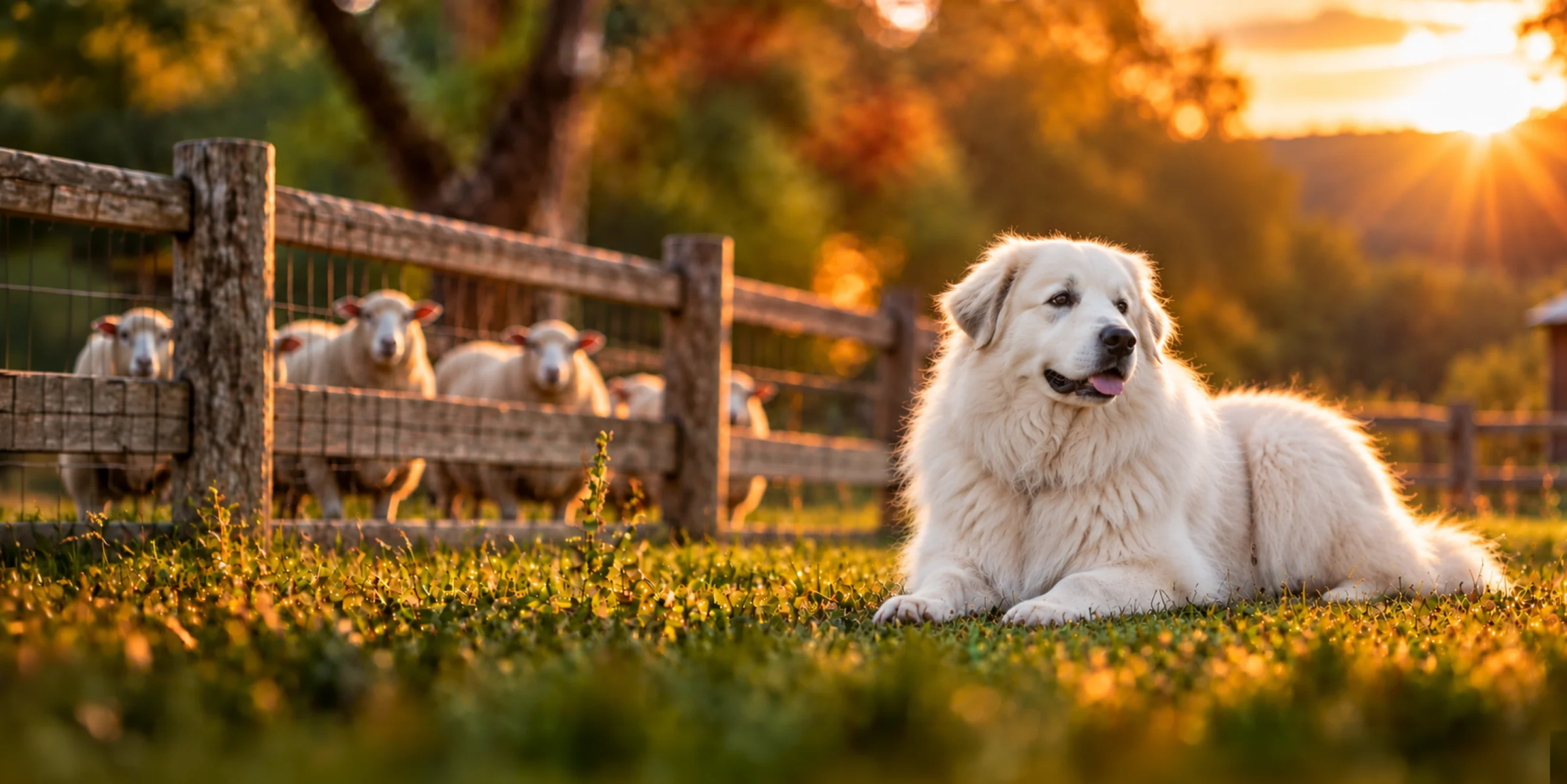
Great Pyrenees
The same all-night barking and the same heavy shed in a dog most families find easier to live with. The Pyrenees is lighter, softer with strangers and more openly affectionate; the Tibetan Mastiff is heavier-built, more aloof and considerably more serious about the gate.
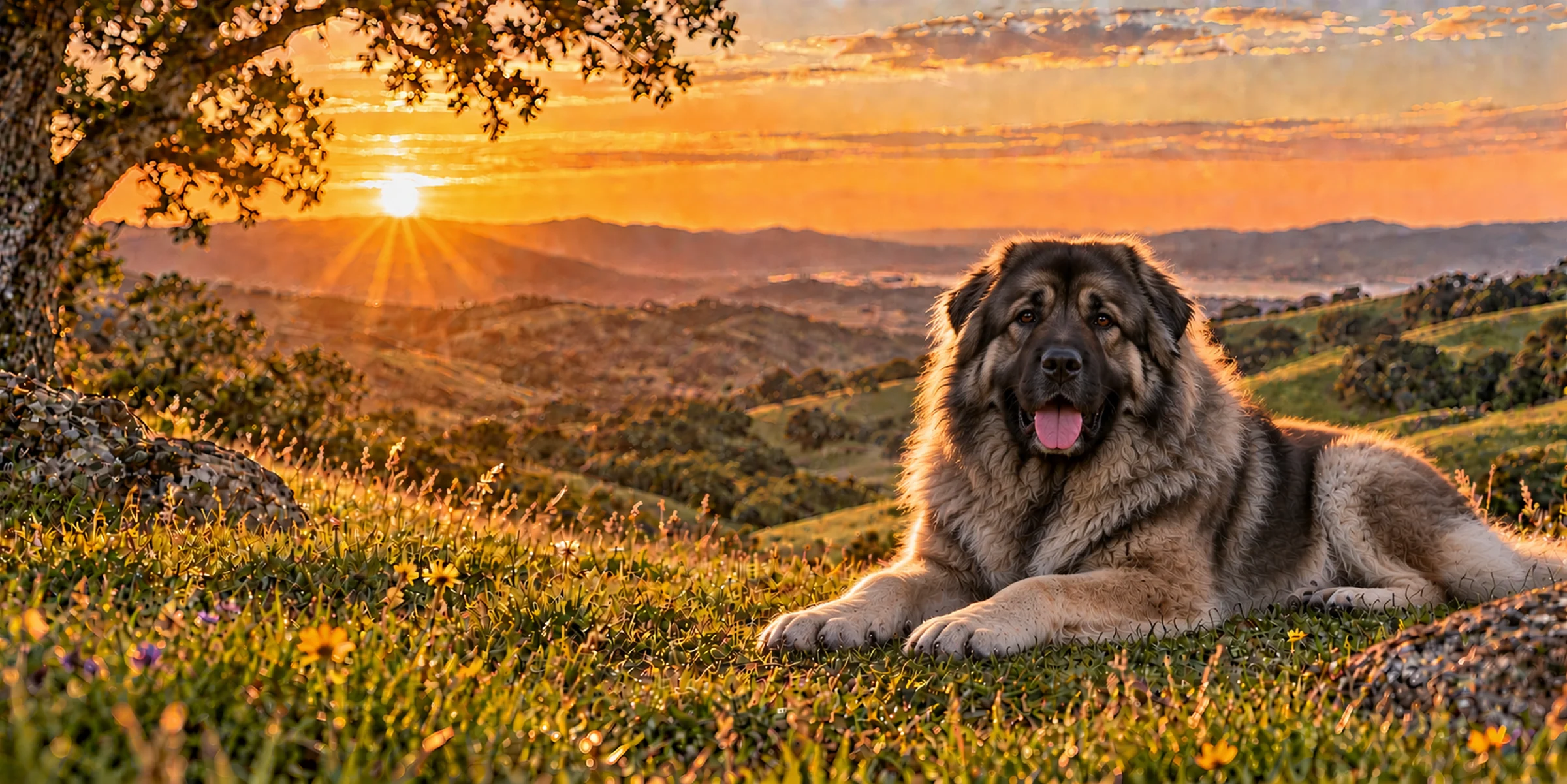
Caucasian Shepherd Dog
A mountain guardian of similar weight with the same independent streak and the same fencing requirements. The Caucasian Shepherd is sharper and quicker to escalate, and Tibetan Mastiffs are more reserved and easier to settle indoors - though neither is a beginner's dog.
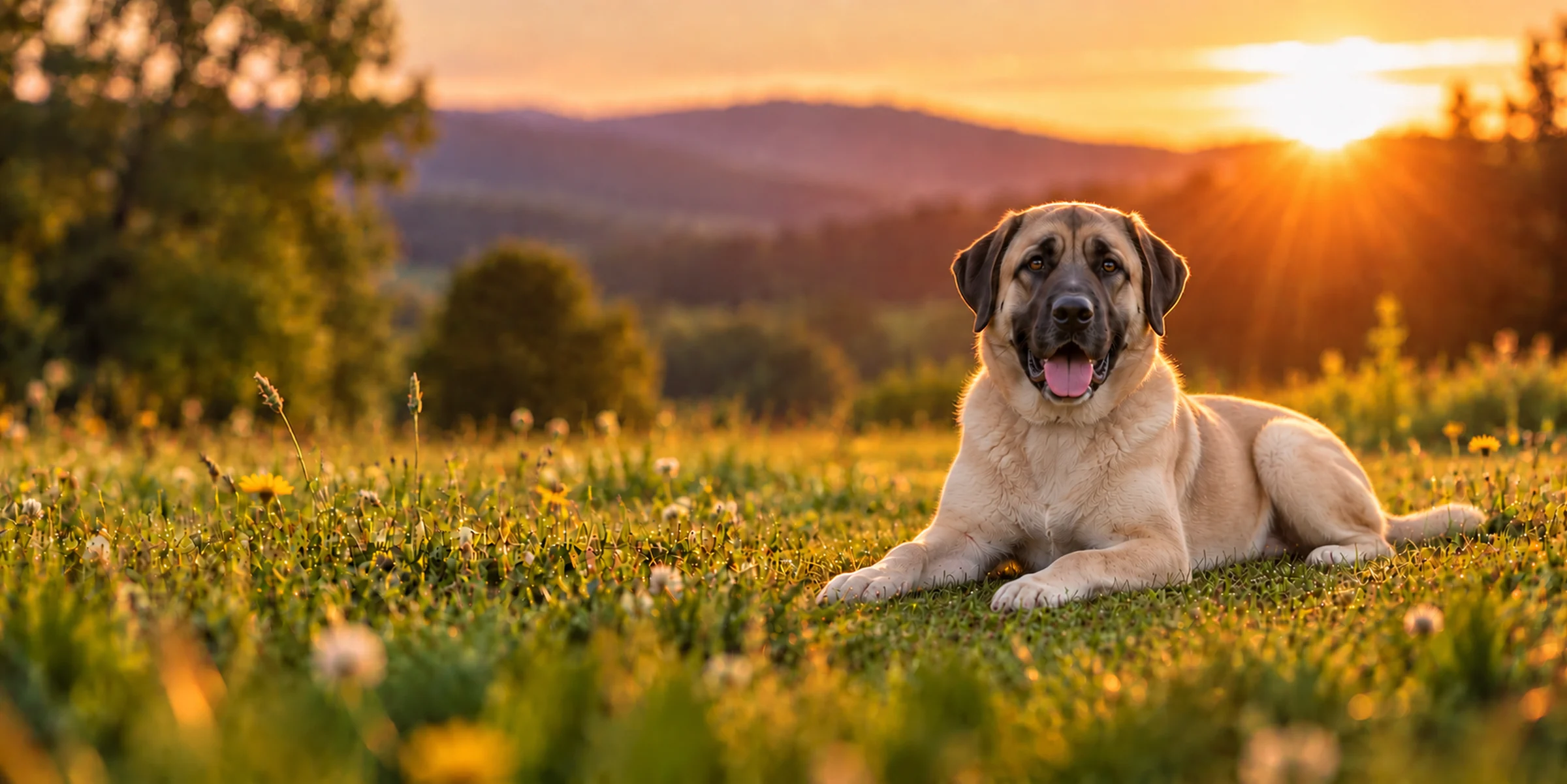
Anatolian Shepherd Dog
Still bred to live out with stock, and leaner, faster and far more of a patroller across open ground. The Anatolian wants acreage and a flock; the Tibetan Mastiff guards a house and a family and is content with a fraction of the daily mileage.
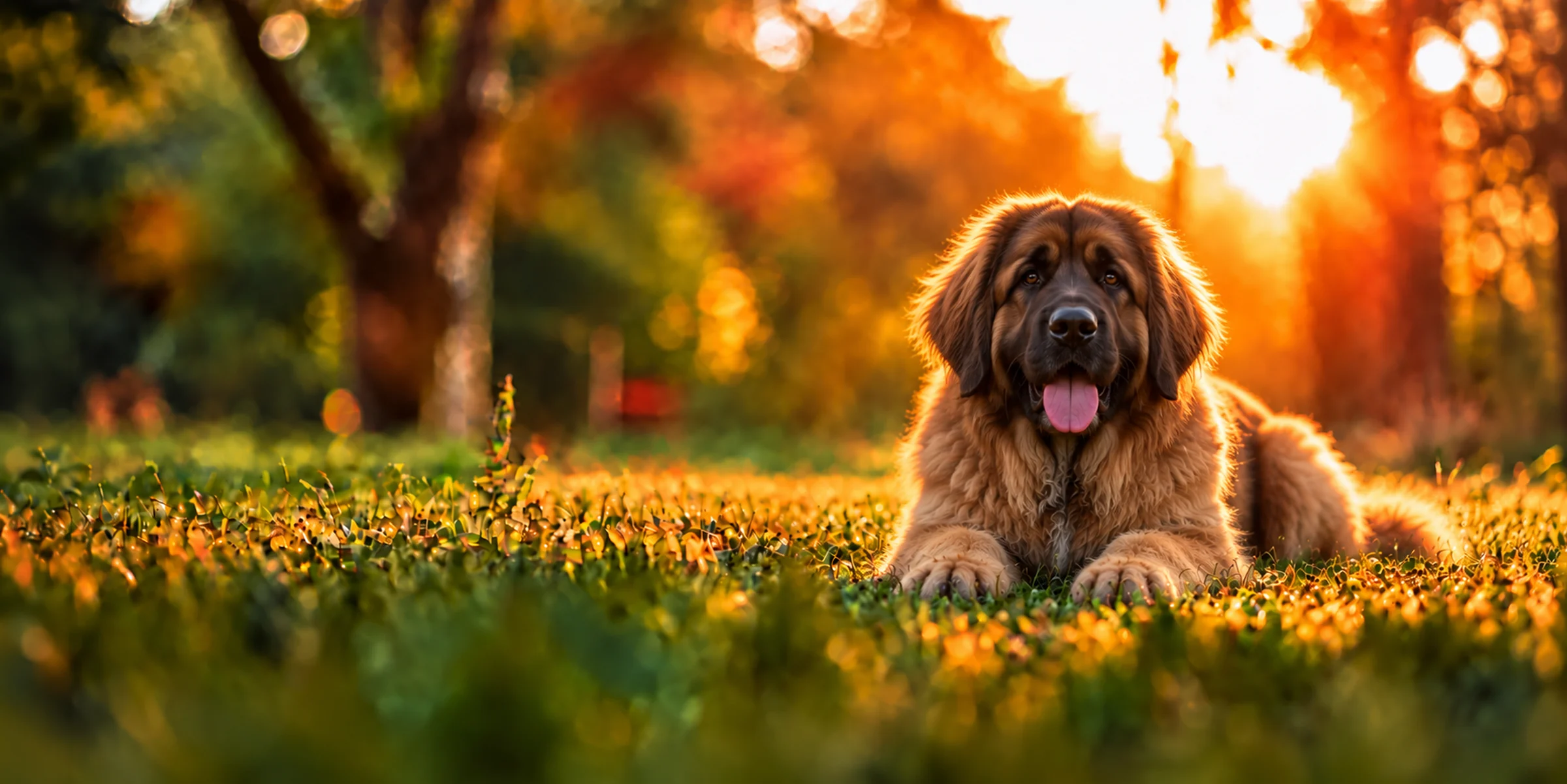
Leonberger
The giant size and the huge coat without the guarding job attached. Leonbergers are welcoming to visitors and genuinely trainable, which is the whole difference - if what appeals is the presence rather than the protection, that is the honest comparison to make.