

medium-to-large breed
Czechoslovakian Vlciak
A 1955 military experiment: German Shepherds crossed with Carpathian wolves to get a patrol dog with a wolf's stamina and a shepherd's trainability. The stamina came through completely and the trainability only partly. Vlciaks are intelligent, athletic to an extraordinary degree, almost silent, and intensely loyal to their own group. They are also beautiful, which is why they are among the breeds most often surrendered by people who chose one for the look.

Pup Height
23.5-25.5 in

Pup Weight
44-57 lb
Males from 25.5 in and 57 lb, females from 23.5 in and 44 lb, with no upper limit stated. Yellow-gray to silver-gray with the characteristic light mask, and amber eyes set obliquely. The build is deliberately wolflike - long-legged, light-boned and rectangular. In the AKC's Miscellaneous Class. Source: AKC Foundation Stock Service breed standard.

Pup Lifespan
12-16 years
Your pup, at a glance
What’s Life With This Pup Really Like?

Loyal and physically close with their own group, undemonstrative about it, and entirely uninterested in affection from anyone outside it.

Poor as a general rule. They are not typically aggressive, but the prey drive, the size and the speed make chaotic play a bad combination, and they have little patience for handling.

Difficult. High prey drive toward cats and small dogs, and same-sex tension with other large dogs. Vlciaks do best with a compatible dog they were raised with, or alone.

Very low - one of the quietest breeds here. They whine, yelp and howl rather than barking, which surprises people expecting a shepherd.

The highest on this site. Two to three hours daily is the floor, not a generous allowance.

Very heavy. A dense northern double coat that sheds year-round and blows out completely twice a year.

Athletic and physical, with a strong chase instinct. They play hard with dogs they trust and have limited interest in fetch or human-directed games.

Minimal.

Low. Highly intelligent and poorly motivated by pleasing a person - they learn fast, bore fast, and never become reliable under distraction.

Strong but unusual. Exceptionally alert and quick to notice change, and silent enough that the warning is a posture rather than a bark.

Low most of the year, demanding for a few weeks twice a year when the undercoat lets go entirely.

Very low. They need land, containment, hours of daily work, an experienced handler and a jurisdiction that permits them.
Lifestyle fit
Could This Be Your Best Breed?
A Czechoslovakian Vlciak needs land and six-foot fencing sunk at the base, because they climb, dig and have the patience to keep at it. Two to three hours of hard activity daily, for twelve to sixteen years - the dog is robust and cheap to feed at $1,500 to $2,600 a year, so time is the real price. In an apartment, on a first dog, or in hope of obedience, do not - choosing one for the look is how most of them end up surrendered.

Living Space
Land with serious containment - six-foot fencing sunk at the base, because they climb and dig and have the patience to work at it. An apartment is close to the worst possible outcome for this dog.

Pup Experience
The most demanding breed on this site alongside the guardians, and demanding in a different way. Vlciaks are not aggressive so much as un-doglike - independent, easily bored, hard to motivate and impossible to coerce. Owners need experience with primitive breeds specifically.

Daily Pup Time
Two to three hours of hard activity daily, in all weather, for the life of the dog. The coat needs a weekly brush and a great deal more twice a year.

Allergies & Coat
The Czechoslovakian Vlciak scores 8/10 for shedding and 1/10 for drooling. No dog is truly hypoallergenic. The allergens come from dander and saliva, and a dog that sheds this much will leave plenty of hair behind - especially on your furniture, floors, and clothes.
Quirks & challenges
The Not-So-Easy Stuff

Extreme Exercise Needs
Two to three hours daily, every day. Under-exercised they destroy things on a scale that surprises people.
They Escape
Climbs, digs, tests methodically and travels far. Six-foot fencing with a buried base is the minimum.
Trainability Is Limited
They learn fast and comply selectively. Recall in particular has a hard ceiling, and force makes it worse.
Strong Prey Drive
Cats, small dogs and livestock are all at real risk. This is not something socialization removes.
Legal Restrictions
Wolfdog laws vary by state and city, and some ban them outright. Check before you commit, not after.
Slow to Mature
Two to three years of adolescence, and females can be seasonal and moody with it.
The good, the bad & the hairy
Health, Care & Costs
Understanding the health risks and ongoing costs of a Czechoslovakian Vlciak helps you plan for a happy, healthy life together.

12-16 years
$55-$85
per groom (bath, blow-out, nails, ears), every 10-12 weeks or done at home ($0-$350/year)
$1,500-$2,600/year
all-in (food, routine vet, grooming, insurance, incidentals)

Health Risks
Conditions this breed is prone to.

Worth stating first. The wolf outcross and the military program's hard functional selection left the breed with unusually few inherited problems for a large dog, and a long healthy working life is normal.
The hip joint develops loosely so the ball wears in the socket instead of gliding, leading to arthritis and sometimes surgery. It is the main inherited concern in the breed - ask to see both parents' scores rather than a reassurance.
A progressive spinal cord disease causing painless but irreversible hind-leg weakness, usually in older dogs. It is DNA testable, so both parents' status can be known before a puppy exists.
An inherited hormone deficiency that stunts growth and causes coat and organ problems, found in this breed and in German Shepherd lines. There is a DNA test and responsible breeders use it.
Not inherited, but the likeliest reason they see a vet. An extremely athletic dog who runs hard and escapes competently meets fences, roads and other animals, and the resulting bills are trauma rather than illness.
Listed because it is the most common thing to go wrong and it is preventable. Destructiveness, self-harm and reactivity in this breed are almost always the symptoms of an unemployed, under-exercised animal rather than a temperament fault.

Insurance & Health Coverage
Start with the legal question, because it decides whether the rest matters. Wolfdog ownership is restricted or banned in a number of states and municipalities, and insurers frequently decline anything with wolf content regardless of how many generations back it sits. Confirm the local law and get an insurer's position in writing before there is a puppy - this dog rehomes very badly.

On health the Vlciak is a good bet. The inherited-disease list is short and the routine costs are modest.

What you are insuring is accident. An exceptional athlete who escapes competently meets roads and fences, and trauma cover is the part that earns its keep. Degenerative myelopathy and pituitary dwarfism are both congenital and uncovered by any policy, and both are DNA testable in the parents.
 Get a Pet Insurance Quote
Care needs
The Daily Routine

Grooming
A dense double coat that needs a weekly brush most of the year and daily attention for a few weeks in spring and fall, when the undercoat comes out completely and the dog changes shape. No trimming, and bathing rarely - the coat sheds dirt on its own.

Exercise
Two to three hours daily of genuine work. They were bred to trot for miles and they need distance rather than intensity - hiking, canicross, bikejoring and long runs suit them, and a fenced yard by itself does nothing.

Food & Weight
Two measured meals. Vlciaks are lean, efficient dogs built to cover ground on modest rations, so they need less than their size suggests. They should look lean with the last ribs faintly visible - that is correct for the breed rather than underweight.
Similar breeds
If This Isn’t Quite the One
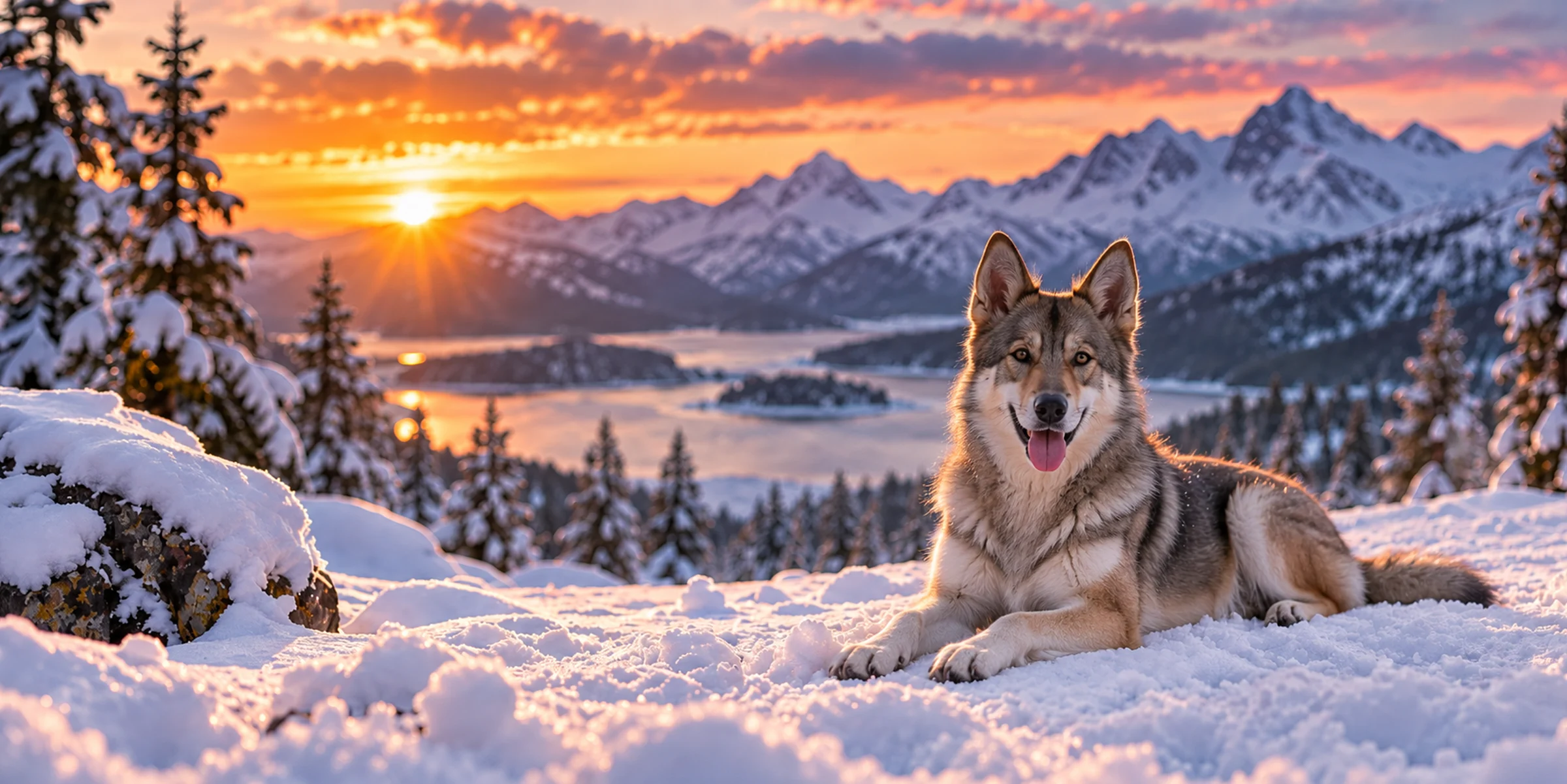
Saarloos Wolfhond
The other established European wolfdog, and the nearest match on independence and escape skill. The Saarloos is larger, calmer and far shyer, with flight as the main problem; the Vlciak is lighter, more intense and needs considerably more daily work.
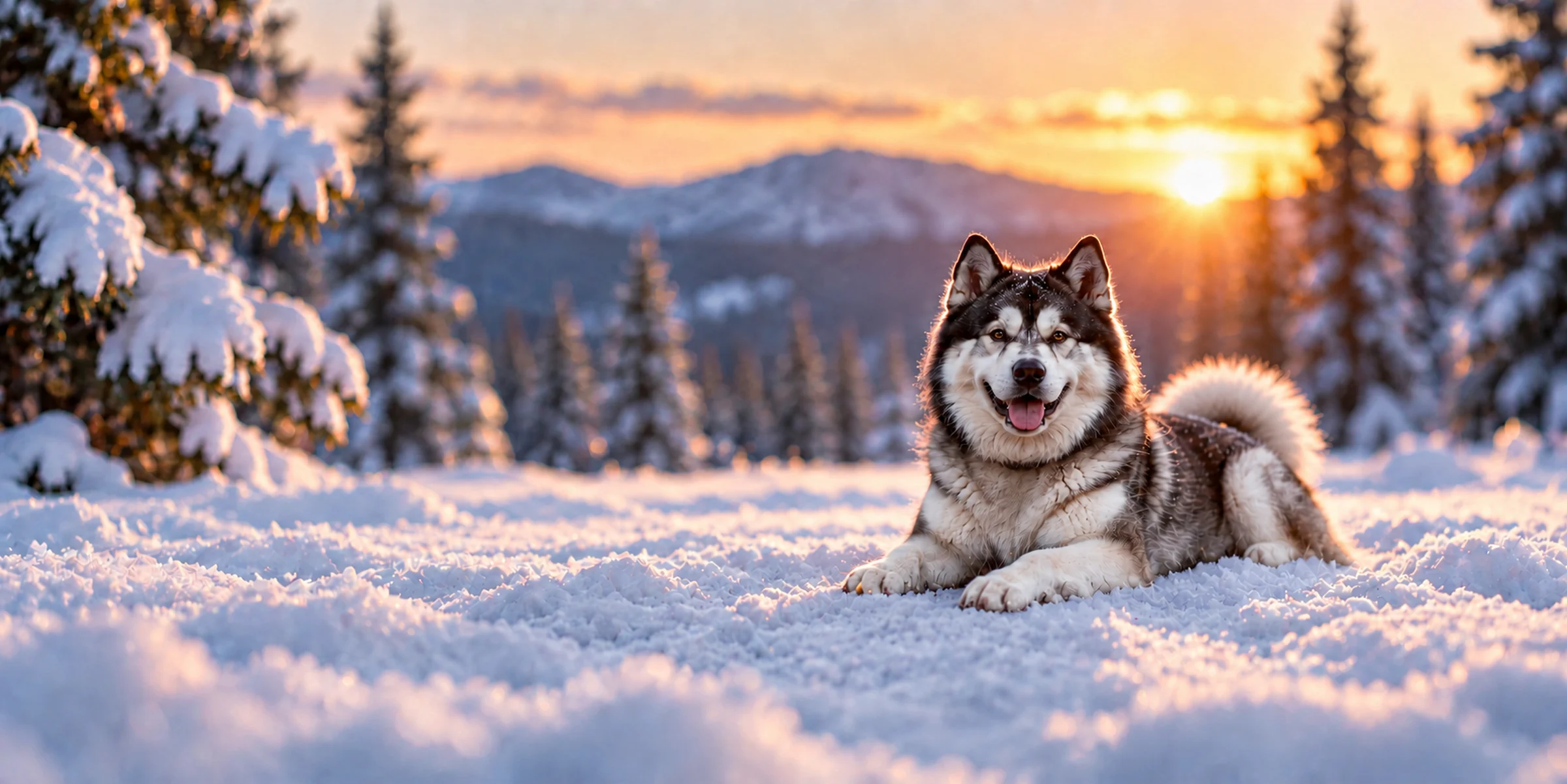
Alaskan Malamute
The closest common breed on independence, escape skill and exercise appetite. The Malamute is heavier and built for hauling rather than distance; the Vlciak is faster, more reserved and considerably less trainable.
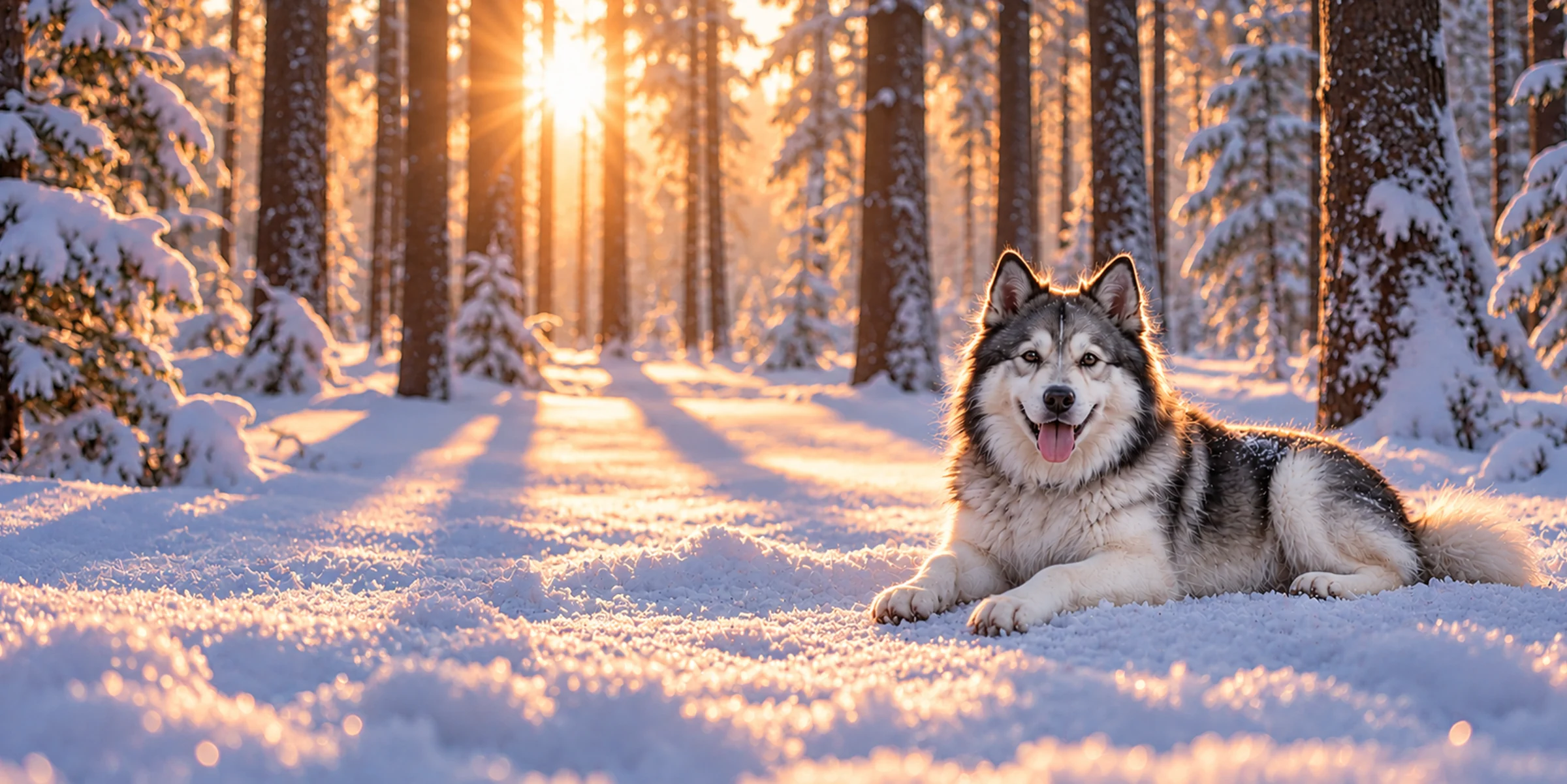
Canadian Eskimo Dog
Another primitive northern working dog with a pack orientation, real prey drive and limited biddability. Both need a job and serious containment; the Vlciak needs roughly twice the daily distance.