

large breed
Saarloos Wolfhond
A German Shepherd crossed with a European wolf in the 1930s, and what came out was not the hardier working dog anyone intended - it was a shy one. Saarloos Wolfhonden are quiet, devoted to their own household and almost never aggressive, but deeply unsettled by anything unfamiliar. Their first answer to a strange sound, place or person is to leave, which makes containment the central fact of ownership rather than a detail.

Pup Height
23-30 in

Pup Weight
60-90 lb
Males 25-30 in and 70-90 lb, females 23-28 in and 60-80 lb, with slight deviations upward permitted. Wolf-gray or brown, each in light to dark shades with pale cream-to-white wolf markings and a mask; white and cream dogs also occur. A double coat that is much heavier in winter, and light yellow eyes. The AKC records the breed in its Foundation Stock Service and works from the FCI standard. Source: AKC Foundation Stock Service breed standard.

Pup Lifespan
12-15 years
Your pup, at a glance
What’s Life With This Pup Really Like?

Moderate. Close and affectionate with their own family, and uninterested in attention from anyone else.

Poor as a general rule. Saarloos are seldom aggressive, but loud, unpredictable children frighten a shy dog, and a frightened dog may snap or bolt.

Mixed. Pack-minded and often good with dogs they were raised with, but prey drive puts cats and small animals at risk.

Very low. They howl and whine far more than they bark.

High. A tireless trotter who needs distance every day, though calmer at home than many working breeds.

Heavy. A thick winter undercoat comes out in quantity each spring, with steady shedding the rest of the year.

Reserved. Playful with trusted dogs and family, with little interest in fetch or games directed by people.

Minimal.

Low. Intelligent and quick to learn, but obeys mainly by choice and shuts down under pressure.

Low to moderate. Alert to anything new, but the instinct is to retreat rather than warn off or guard.

Low most of the year, with a few demanding weeks when the winter coat sheds.

Very low. Change, crowds and time alone all stress them, and they need land, containment and an experienced home.
Lifestyle fit
Could This Be Your Best Breed?
A Saarloos Wolfhond needs a quiet house, land, tall fencing with a dig guard, and about two hours of walking a day from an owner with primitive-breed experience. Costs run $1,700 to $3,000 a year across twelve to fifteen years. People who fall for the wolf in the photographs are the ones who give these dogs up six months later.

Living Space
A quiet house with land and serious containment - tall fencing with a dig guard and a secure gate routine, because a frightened Saarloos looks for a way out before anything else. Busy streets, crowded buildings and apartments are a poor match for a dog built to avoid the unfamiliar.

Pup Experience
Not a breed for first-time owners. Saarloos are rarely aggressive; the difficulty is that they are shy, self-willed and prone to flight, and a mishandled one becomes fearful rather than obedient. Owners need patience, primitive-breed experience and a calm household.

Daily Pup Time
Around two hours a day of walking, trotting and exploring on a long line, plus daily socialization outings in the first two years. The coat needs a weekly brush and much more when the winter undercoat comes out.

Allergies & Coat
The Saarloos Wolfhond scores 8/10 for shedding and 1/10 for drooling. No dog is truly hypoallergenic. The allergens come from dander and saliva, and a dog that sheds this much will leave plenty of hair behind - especially on your furniture, floors, and clothes.
Quirks & challenges
The Not-So-Easy Stuff

Shy and Wary
Strangers, traffic and new places can overwhelm them. Without heavy early socialization the caution hardens into fear.
Flight Instinct
A startled Saarloos bolts first and thinks later. Off-leash reliability is rarely realistic.
Escape Artists
They dig, climb and slip gates, especially when anxious or alone. Containment has to be built for it.
Slow House-Training
Many puppies take far longer than a typical shepherd to become reliably clean indoors.
Hate Being Left Alone
Pack animals at heart. Long hours alone bring howling, destruction and escape attempts.
Legal Restrictions
Some places restrict or ban wolfdogs, and definitions vary. Check local rules and your landlord or insurer first.
The good, the bad & the hairy
Health, Care & Costs
Understanding the health risks and ongoing costs of a Saarloos Wolfhond helps you plan for a happy, healthy life together.

12-15 years
$60-$95
per groom (bath, de-shed, nails, ears), every 10-12 weeks or done at home ($0-$400/year)
$1,700-$3,000/year
all-in (food, routine vet, grooming, insurance, incidentals)

Health Risks
Conditions this breed is prone to.

The hip joint develops loosely and wears into arthritis, sometimes needing surgery. Breed clubs require hip x-rays on breeding dogs, so ask to see both parents' official results.
An inherited pituitary hormone deficiency that stunts growth and causes coat, kidney and thyroid problems. The same LHX3 mutation found in German Shepherds occurs in this breed, carriers have been common, and a DNA test exists.
A progressive spinal cord disease causing painless but irreversible hind-leg weakness, usually in older dogs. The SOD1 mutation behind it is DNA testable, and tested parents greatly reduce the risk.
A recently identified inherited disease in the breed that causes progressive retinal atrophy and blindness in young adults, followed by neurological decline. There is a DNA test, and responsible breeders now screen for it.
Bony spurs form along the spine, sometimes bridging vertebrae and causing stiffness or back pain as the dog ages. There is no DNA test; x-rays show it, and keeping the dog lean and fit helps.
Every Saarloos descends from a handful of founders, which is linked to reduced fertility and some epilepsy in the breed. Clubs run outcross programs, so ask a breeder about inbreeding coefficients as well as test results.

Insurance & Health Coverage
Settle the legal question before anything else. Some states, cities and countries restrict or ban wolfdogs, the definitions differ, and some insurers and landlords decline anything described as part wolf, however many generations back the wolf sits. Get the local position and an insurer's answer in writing before bringing a puppy home - a Saarloos rehomes badly.

For health, the known inherited diseases are mostly DNA testable, which makes the parents' paperwork worth more than any policy. Dwarfism, degenerative myelopathy and PCYT2 deficiency are congenital and no insurer will cover them.

What a policy earns its keep on is accident and later-life illness. A shy dog with a strong flight instinct is at real risk around roads when something goes wrong, and hip or spinal problems in an older large dog get expensive. Enroll young, before any note on the record becomes an exclusion.
 Get a Pet Insurance Quote
Care needs
The Daily Routine

Grooming
A double coat that needs a weekly brush most of the year, and daily work with an undercoat rake when the heavy winter undercoat comes out in spring. No trimming, and baths only occasionally. Handle feet, ears and mouth gently from puppyhood, because a shy adult who was never handled is hard to groom or examine.

Exercise
About two hours a day, mostly steady trotting and walking rather than fetch or sprinting - the standard describes a tireless trotter built to cover distance. Long walks on a long line, hiking and quiet trails suit them; crowded dog parks usually do not.

Food & Weight
Two measured meals a day. Saarloos are lean, efficient dogs and should look athletic with a visible waist. Keeping them slim protects the hips and spine, and puppies need steady rather than fast growth.
Similar breeds
If This Isn’t Quite the One
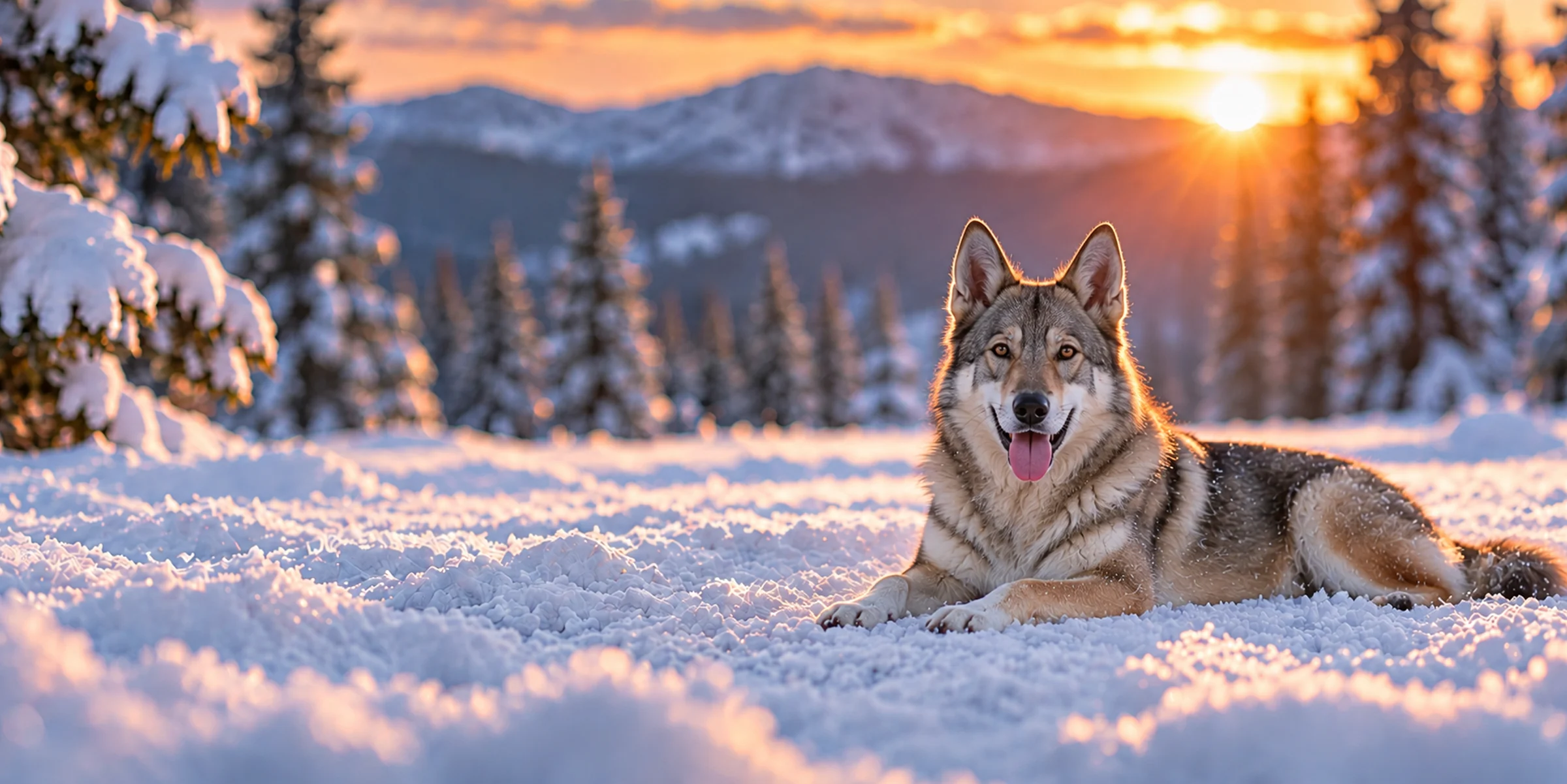
Czechoslovakian Vlciak
The other established European wolfdog, and the closest match. The Vlciak is lighter, more intense and needs more daily exercise; the Saarloos is larger, calmer and markedly shyer, with flight rather than drive as the main problem.

German Shepherd
The founding breed on the dog side. The German Shepherd is handler-focused, protective and highly trainable; the Saarloos kept the build and loyalty but little of the obedience, and avoids strangers rather than guarding against them.
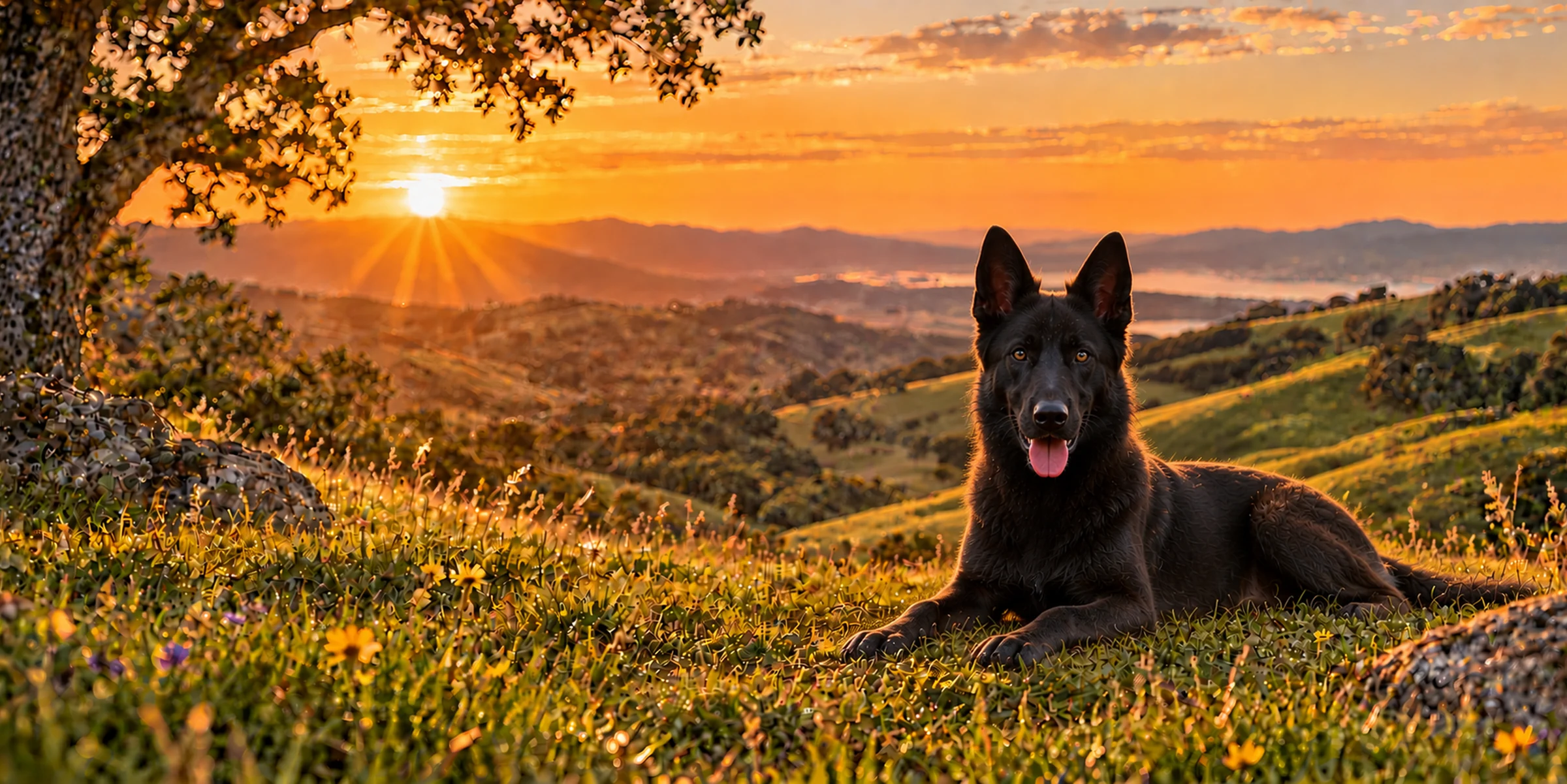
Calupoh
A modern Mexican wolfdog with a similar independent, family-only temperament. The Calupoh is more of a watchdog and somewhat more trainable; the Saarloos is more reserved and harder to contain.
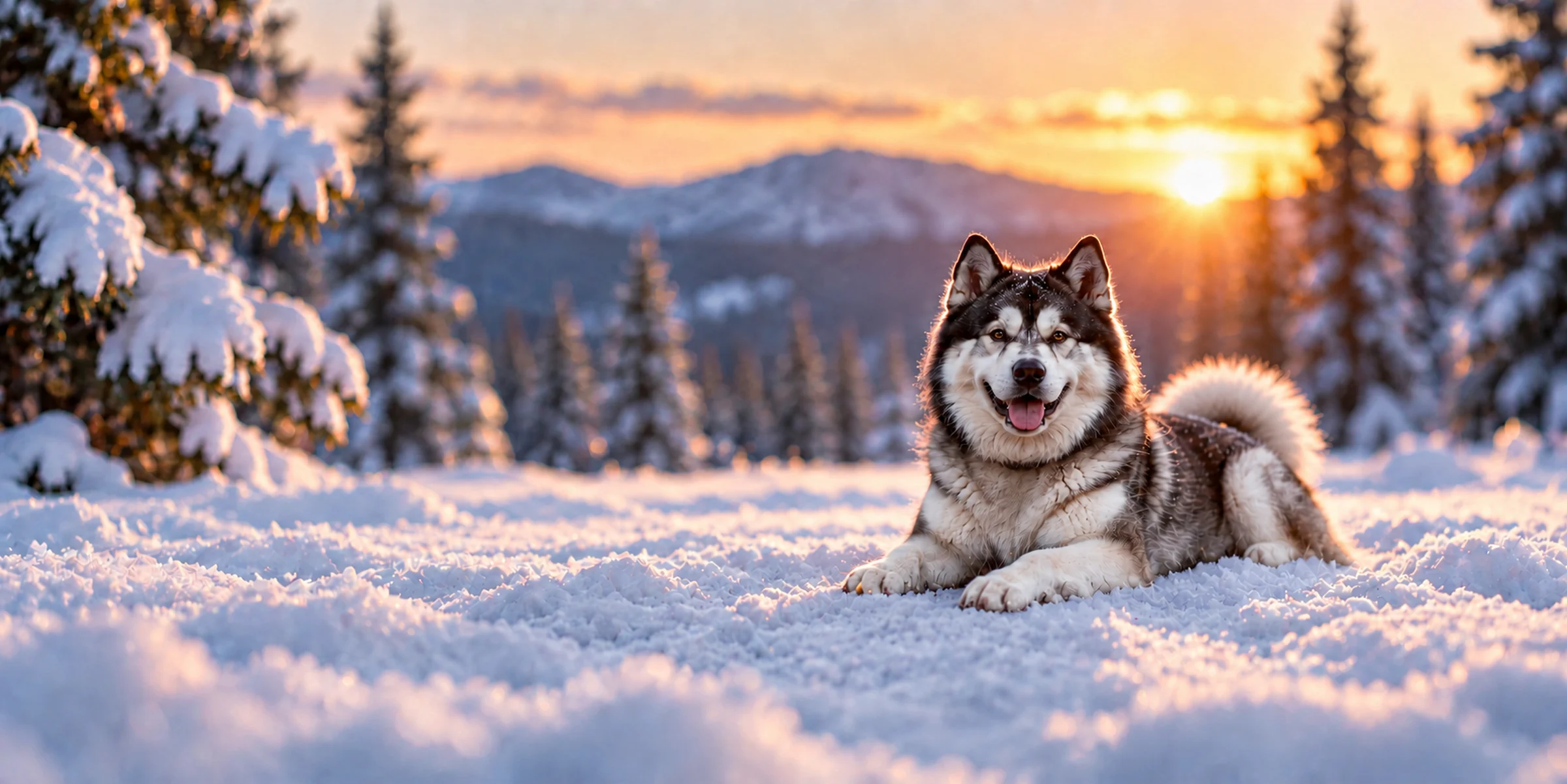
Alaskan Malamute
A common northern breed with the same independence, escape skill and heavy seasonal shedding. The Malamute is friendly with almost everyone; the Saarloos is wary of anyone outside the family.