

small breed
Jagdterrier
A German working terrier built after the First World War to do everything at once - go to ground on fox and badger, push boar out of cover, track wounded game and retrieve from water. German breeding is still gated on hunting tests rather than ring placings, so nothing about them has been softened. Jagdterriers are affectionate and attentive with their own handler, which is not the same thing as being a family dog.

Pup Height
13-16 in

Pup Weight
17-22 lb
The AKC gives 17-22 lb and 13-16 in for both sexes; the FCI standard sets working weights of 9-10 kg for males and 7.5-8.5 kg for females and asks for a chest that is not too broad, so the dog can still work underground. Black, dark brown or black-gray grizzle, always with clearly defined tan markings over the eyes, on the muzzle, chest and legs and around the vent; small white markings on the chest and toes are allowed. Two coat varieties, harsh and smooth, both dense and weather-resistant over an undercoat. FCI Group 3 with a working trial, and in the AKC's Foundation Stock Service since June 2014, approved for AKC Earthdog events from January 1, 2016. Source: AKC and FCI breed standards.

Pup Lifespan
10-12 years
Your pup, at a glance
What’s Life With This Pup Really Like?

Moderate, and reserved for their own people. Jagdterriers are genuinely affectionate with the handler they work for and largely indifferent to everyone else.

Limited. Steady enough with the children of their own household when raised with them, but the breed has little tolerance for rough handling and a short fuse, and working lines are too intense for most family homes.

Very poor. Cats, rabbits, poultry and small pets are quarry to a dog bred to kill underground, and same-sex dog aggression is common.

High. Jagdterriers give tongue on game by design, and an under-worked one sounds off at everything that passes the house.

Extreme. Two hours or more of hard work daily with scent work in it, and a walk around the block barely registers.

Moderate. A dense short coat sheds steadily year-round with heavier turns twice a year, and a weekly brush keeps the worst off the furniture.

Very high and very rough. Tug, chase and flirt-pole games are met with total commitment and a hard mouth.

Very low.

Good, with a large caveat. Quick, handler-focused and easy to teach for a terrier - and none of that reduces the drive once game is in front of them.

Very strong. Alert, suspicious of strangers and without any fear to appeal to, in a 20-pound frame that will follow through.

Low. A weekly brush, an occasional strip for harsh coats, short nails, and the post-outing check for ticks and wounds.

Very low. Jagdterriers need work, ground and a hunting handler, and they cope badly with any household that cannot supply all three.
Lifestyle fit
Could This Be Your Best Breed?
A Jagdterrier suits a hunter with land to work and two hours a day of hard physical and scent work to give, every day of a ten to twelve year life. They cost little at $1,000 to $1,900 a year and are hardy, though gameness means injuries and vet visits. With cats, other dogs or small children in the house - or a terrier background that stops at pet terriers - read the Rat Terrier page instead.

Living Space
Land to work on, and fencing that goes down as well as up. Jagdterriers dig, climb, squeeze through gaps and leave after anything that moves, and no apartment or ordinary suburban yard holds a dog bred to go underground after badger and to push boar out of cover.

Pup Experience
Experienced hunting homes, and realistically nothing else. German breeders place puppies with hunters who will performance-test them, and that gatekeeping exists for a reason - the drive, the hardness and the sharpness toward other dogs overwhelm owners who have only ever kept pet terriers.

Daily Pup Time
Two hours or more of hard physical and scent work every day, for the whole of a 10-12 year life. Grooming is minimal: a brush once a week, plus a check-over for wounds, ticks and grass seeds after every outing.

Allergies & Coat
The Jagdterrier scores 4/10 for shedding and 1/10 for drooling. No dog is truly hypoallergenic. The allergens come from dander and saliva, and a dog that sheds this much will leave plenty of hair behind - especially on your furniture, floors, and clothes.
Quirks & challenges
The Not-So-Easy Stuff

They Need Real Hunting Work
Bred and still tested on live quarry. Walks, fetch and obedience classes do not stand in for the job, and an unworked Jagdterrier gets louder, harder and more destructive.
Extreme Prey Drive
Cats, rabbits, poultry and small dogs read as quarry to a dog bred to kill underground. This is instinct, and no amount of training removes it.
Dog Aggression Is Common
Same-sex fights start fast and finish badly, and size is no deterrent to a terrier bred for gameness. Many live best as the only dog in the home.
Digs, Climbs and Escapes
Fences get gone under, over or through. Secure perimeter fencing and a long line in open country are the baseline, not an upgrade.
Gameness Means Injuries
A dog who will not back off boar, fox or badger collects bite wounds, broken teeth and punctures. Working Jagdterriers see the vet for trauma, not illness.
Placed With Hunters Only
German breeders and most serious North American ones screen for a hunting home and a performance test. Pet homes are usually turned away, and rehomed adults are very hard to place.
The good, the bad & the hairy
Health, Care & Costs
Understanding the health risks and ongoing costs of a Jagdterrier helps you plan for a happy, healthy life together.

10-12 years
$30-$55
per groom (bath, nails, ears, and a tidy or strip for harsh coats), every 10-12 weeks or done at home ($0-$250/year)
$1,000-$1,900/year
all-in (food, routine vet, grooming, insurance, incidentals)

Health Risks
Conditions this breed is prone to.

Worth saying first. Ninety years of breeding for performance rather than looks, on a population that has never been fashionable, has kept the inherited-disease list genuinely short and the working constitution sound.
The lens slips out of position, which is painful and can cause glaucoma and permanent blindness within days. Usually appears between three and eight years old. A DNA test for the ADAMTS17 mutation shows clear, carrier or at-risk status, and both parents should have results.
The most likely reason a Jagdterrier ever sees a vet, and not inherited at all. Bites to the face and jaw from quarry that fights back, broken teeth, punctures, torn pads and eye injuries underground - and emergency surgery runs into the thousands.
An underactive thyroid causing weight gain, coat loss, skin trouble and a drop in energy, which is conspicuous in a dog this driven. A blood test confirms it and a daily tablet manages it for life.
Clouding of the lens, and extra eyelashes that grow inward and rub the cornea. Neither has a DNA test in this breed; an annual eye examination by a veterinary ophthalmologist is the screening that matters, and German clubs expect it before breeding.
Lyme disease, anaplasmosis and babesiosis all come from the heavy cover this breed works in daily. Year-round tick prevention and a check of the coat, ears and feet after every outing are the whole defense.

Insurance & Health Coverage
The illness side is light for a breed carrying this little inherited disease, so premiums should be reasonable. What you are covering is trauma.

Read the working exclusions before anything else. A terrier who faces boar, fox and badger collects bite wounds, broken jaws and punctures, and several policies specifically exclude injuries sustained while hunting or working - which removes exactly the cover this dog needs. Accident cover with a high per-incident limit is worth more here than a low premium.

Lens luxation is the medical claim to understand: sudden, painful, an emergency, and still capable of costing the eye if treatment waits. It is also hereditary, so a policy may decline it outright - DNA results on both parents are the real protection. Insure young either way, because anything already on the record at renewal becomes a permanent exclusion.
 Get a Pet Insurance Quote
Care needs
The Daily Routine

Grooming
A weekly going-over with a rubber curry brush for smooth coats; harsh coats want the same plus hand-stripping once or twice a year to keep the texture right. Both shed steadily. The routine that actually matters is the post-outing check - ticks out, bite wounds and punctures found early, grass seeds out of the feet and ears, and a look at the teeth, which take a beating underground.

Exercise
Two hours minimum daily, and the scent and quarry half is not optional. Hunting, earthdog, barn hunt, tracking, agility and flirt-pole work all suit them; a long walk on its own does nothing for a dog bred to solve problems at the end of a tunnel.

Food & Weight
Two measured meals scaled to the work, with training treats counted in. Jagdterriers should be lean and hard, with a chest narrow enough to go to ground - extra weight both slows the work and loads the joints of a dog who jumps, digs and lands badly all day.
Similar breeds
If This Isn’t Quite the One
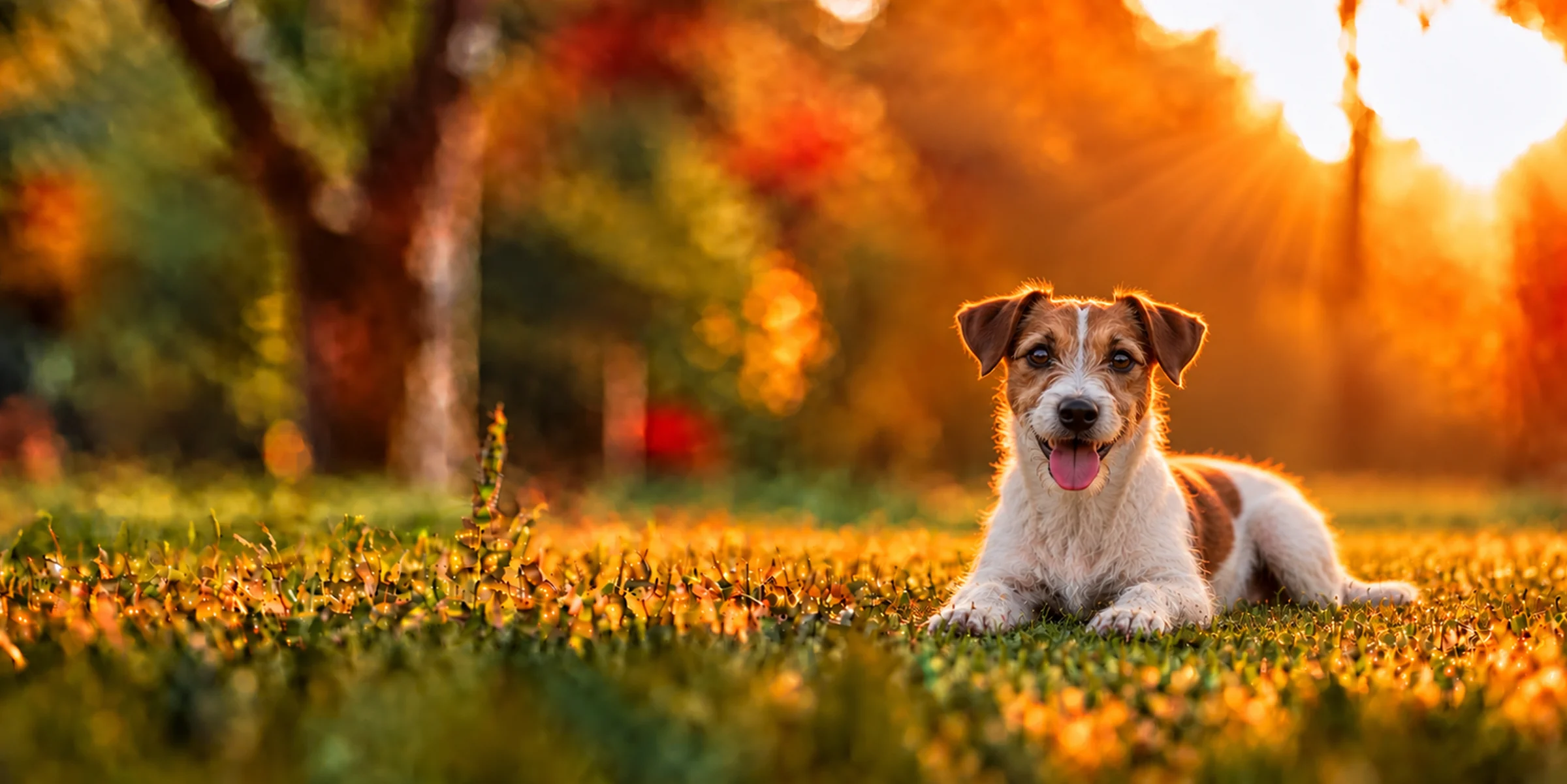
Jack Russell Terrier
The other working fox terrier kept deliberately out of the show ring, and the nearest comparison for drive. Jack Russells are just as relentless and far easier to find, but the Jagdterrier is harder on quarry, sharper with other dogs and bred for a job most homes cannot offer.
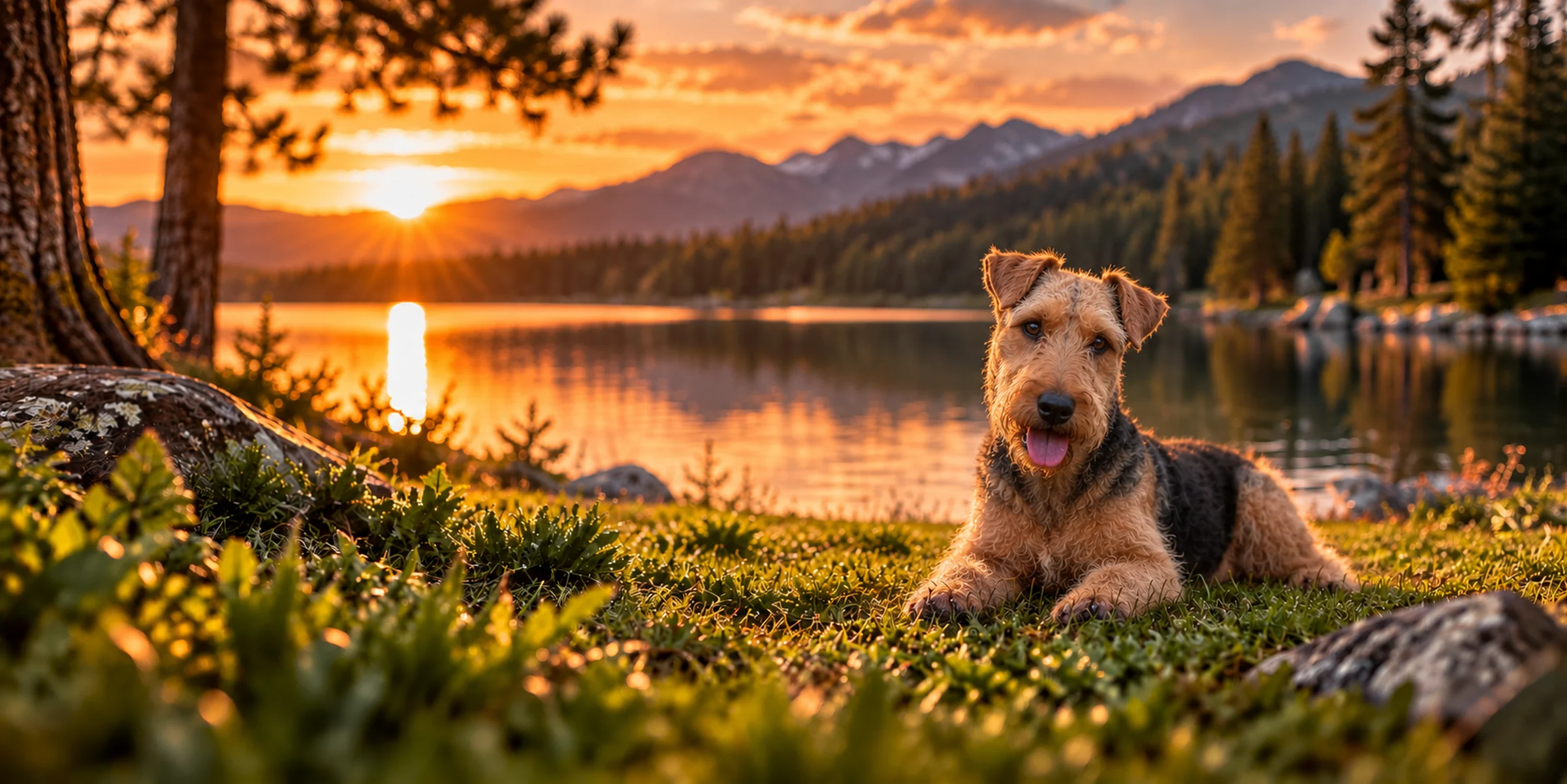
Welsh Terrier
The same black and tan coloring and the same original job underground on fox and badger, softened by 140 years of show breeding. Welsh Terriers make a workable family dog with a terrier's edge; the Jagdterrier never went through that and is not a pet breed.
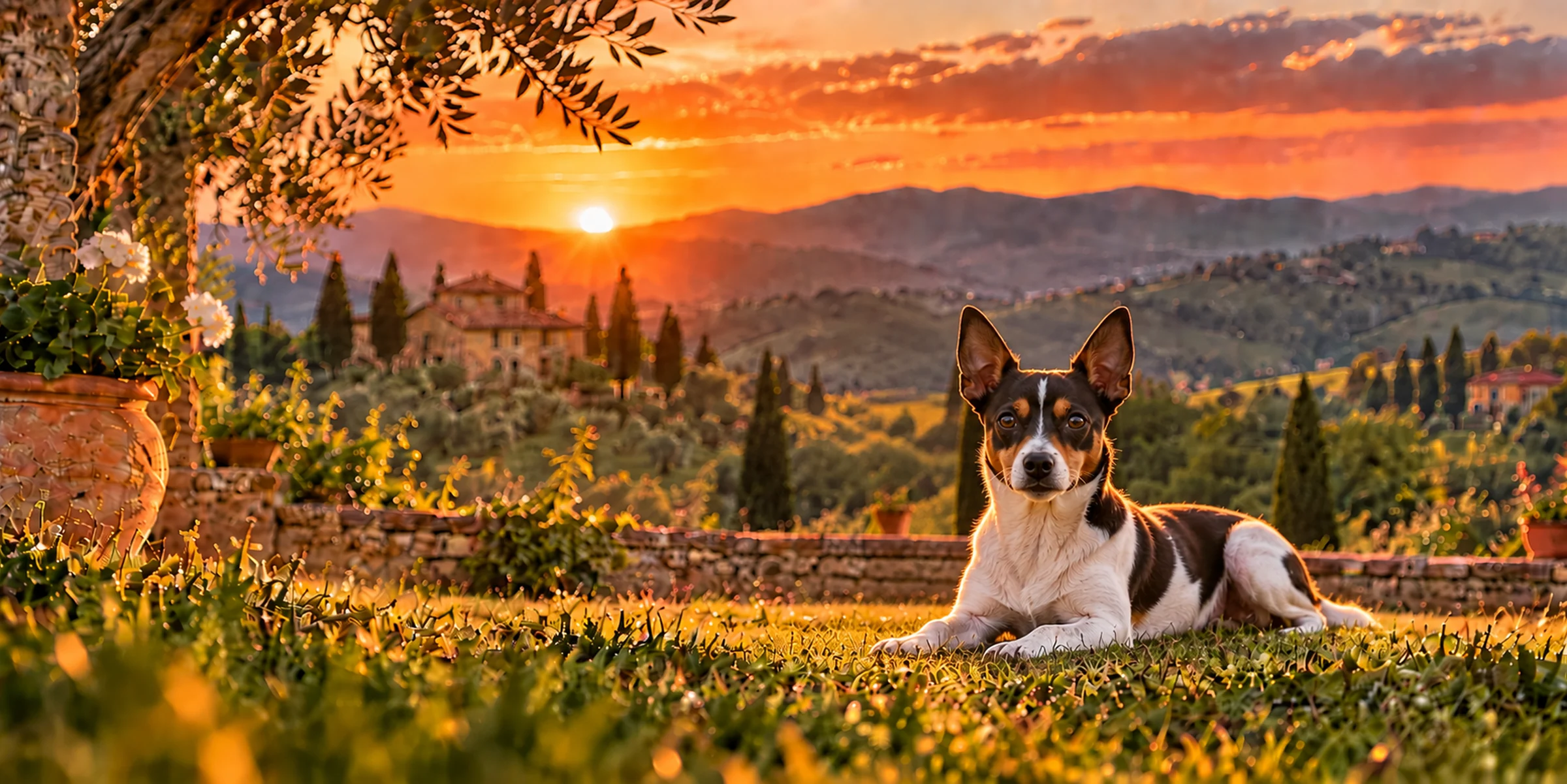
Rat Terrier
A comparable small working terrier from American farms that genuinely did make the crossing to family life - biddable, sociable and adaptable. Choose the Rat Terrier if what appeals is the size and the spark rather than the hunting.
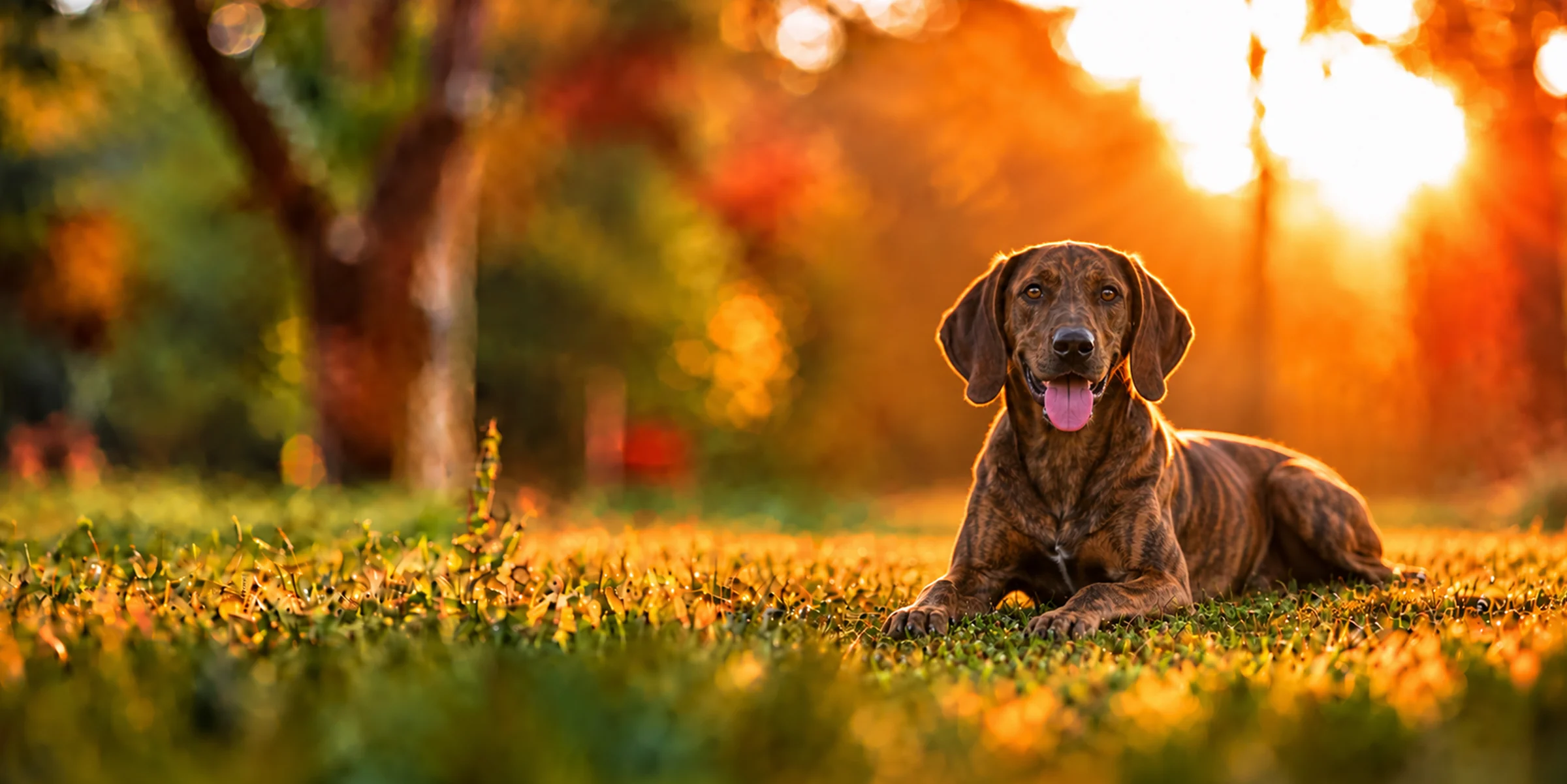
Plott Hound
A different tool for the same quarry: German-descended American hounds that trail and bay boar and bear above ground. Plotts need as much work but are amiable at home and far easier with other dogs, having been bred to hunt in a pack.