

medium-to-large breed
Lapponian Herder
The Sami reindeer herder, and the working half of the pair the Finnish Lapphund also belongs to - leaner, harder-driving, and still out on the fells in Lapland today. Lapponian Herders are friendly with almost everyone, fast to learn, and enormous fun for anyone doing sport or stockwork. The costs are two hours of real work a day, a dog who herds by voice and keeps using it at home, and a northern coat that struggles in heat.

Pup Height
18.5-21.5 in
Males about 20-21.5 in, females 18.5-20 in. Longer than tall and considerably leaner than the Finnish Lapphund they share a homeland with - the coat is medium-length and far less profuse, which is the quickest way to tell them apart. Usually black or dark gray with lighter markings on the head, chest and legs. Separated from the Lapphund as a distinct breed in 1966. In the AKC's Foundation Stock Service. Source: AKC Foundation Stock Service breed standard.

Pup Weight
55-65 lb

Pup Lifespan
12-14 years
Your pup, at a glance
What’s Life With This Pup Really Like?

High. They are affectionate and physically close with their family once the day's work is done, and genuinely attached.

Very good. Friendly, sturdy and patient, with the usual herding caveat about circling and nipping at running children.

Good. Sociable with dogs and generally fine with cats, with a modest prey drive and no territorial streak.

High. They herd by voice and use it liberally - trainable down to manageable, never a quiet breed.

Very high. Two hours of hard work daily with mental engagement, and the walking alone will not do it.

Moderate to heavy. A northern double coat that sheds year-round with substantial seasonal blowouts.

Lively and inventive. They play hard, learn games instantly, and keep it up well into adulthood.

Very low.

Excellent. Quick, willing and handler-focused - notably more biddable than most northern breeds.

Strong as an alarm. Alert and very quick to announce, with no guarding instinct behind the noise.

Low to moderate. A weekly brush most of the year and daily work through the blowouts.

Low. They handle cold superbly and heat badly, and they need a job, space and tolerant neighbors.
Lifestyle fit
Could This Be Your Best Breed?
A Lapponian Herder belongs with someone doing herding, canicross, agility or serious hiking, in a house with a fenced yard and neighbors far enough off not to mind the noise. They are cheap to keep at $1,200 to $2,100 a year across twelve to fourteen years. Two hours a day, in the weather, every day for fourteen years - if that is not a straight yes, this is not the breed to take on.

Living Space
A house with a securely fenced yard and neighbors at some distance. They herd by voice and they have genuine working stamina - the barking and the exercise both argue against apartments.

Pup Experience
Better for an owner with working-dog experience. Lapponian Herders are biddable and eager and they need a real job; the failure mode is a bright, vocal, frustrated dog rather than a difficult one.

Daily Pup Time
Two hours minimum of hard activity daily with mental work in it. Grooming is a weekly brush and daily work during the twice-yearly blowouts.

Allergies & Coat
The Lapponian Herder scores 7/10 for shedding and 2/10 for drooling. No dog is truly hypoallergenic. The allergens come from dander and saliva, and a dog that sheds this much will leave plenty of hair behind - especially on your furniture, floors, and clothes.
Quirks & challenges
The Not-So-Easy Stuff

They Bark
Herding reindeer is done by voice. Among the most vocal breeds here and never fully quiet.
Serious Exercise Needs
Two hours with mental work. Under-exercised they are restless, destructive and much louder.
They Need a Job
Walking does not satisfy them. Herding, agility or serious sport is the actual requirement.
Herding Instinct on Children
Circling and nipping aimed at running kids. Worth redirecting into a task early.
Poor in Heat
Built for Lapland. Summer exercise at dawn and dusk, and never shave the coat.
Rare Outside Finland
Few American breeders. Expect a waiting list and possibly an import.
The good, the bad & the hairy
Health, Care & Costs
Understanding the health risks and ongoing costs of a Lapponian Herder helps you plan for a happy, healthy life together.

12-14 years
$50-$80
per groom (bath, blow-out, de-shed, nails, ears), every 8-12 weeks or done at home ($0-$400/year)
$1,200-$2,100/year
all-in (food, routine vet, grooming, insurance, incidentals)

Health Risks
Conditions this breed is prone to.

Worth stating first. The breed has been maintained as a working reindeer dog under Finnish club oversight rather than bred for show, and it carries a genuinely short inherited-disease list with a long working life.
The joints develop loosely or unevenly and wear into arthritis, sometimes needing surgery. Rates are low by herding-breed standards because of the Finnish screening requirements, and both parents should still have scored hips.
The retina degenerates gradually until the dog is blind, usually beginning with night vision. There is no treatment and a DNA test exists, so tested parents remove the risk entirely.
The lens clouds and vision declines, sometimes in young dogs. Annual eye examination catches it, and surgery is available where it is significant.
Not inherited, but a likely reason they see a vet. A fast dog working rough fell ground collects strains, cuts and the occasional torn ligament, and reindeer are large animals to work around.
A practical rather than a pathological problem. A northern double coat means they overheat easily, and the coat must never be shaved because it insulates in both directions.

Insurance & Health Coverage
A healthy, inexpensive breed with decades of Finnish club screening behind it, so the illness side is light and premiums should be reasonable.

What you are mostly insuring is accident. A fast working dog on rough ground tears ligaments and pulls muscles, and if you actually do stockwork the injuries can come from the livestock - check whether the policy excludes injuries sustained while working, because several do.

Insure young for the standard reason: joint or eye notes on a record become permanent exclusions. Progressive retinal atrophy is congenital and uncovered by any policy, but DNA testable in the parents, so the breeder's paperwork is the protection on that one.
 Get a Pet Insurance Quote
Care needs
The Daily Routine

Grooming
A medium-length double coat that is considerably less work than the Lapphund's - a thorough brush weekly most of the year, with daily attention for several weeks in spring and fall when the undercoat lets go. No trimming, and never shave the coat.

Exercise
Two hours minimum daily with mental work in it. Herding, agility, canicross, hiking and obedience all suit them; distance walking alone does not satisfy a dog bred to work fell all day.

Food & Weight
Two measured meals scaled to the work. They are lean and efficient by build and burn heavily when employed, far less when not.
Similar breeds
If This Isn’t Quite the One
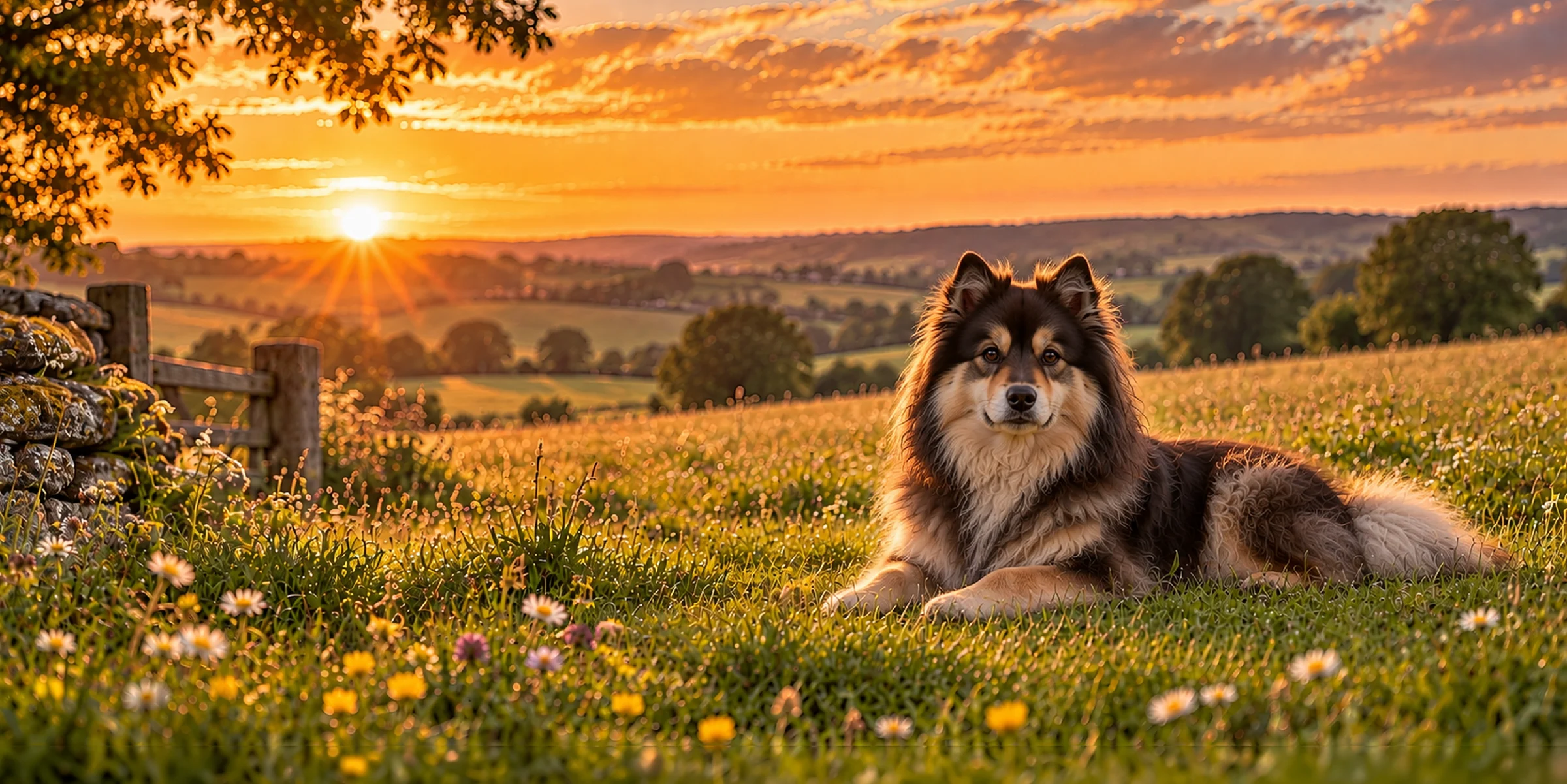
Finnish Lapphund
The direct comparison - same homeland, same reindeer work, separated as breeds in 1966. The Lapphund is heavier-coated, calmer and far easier to keep as a pet; the Herder is leaner, harder-driving and needs a genuine job.
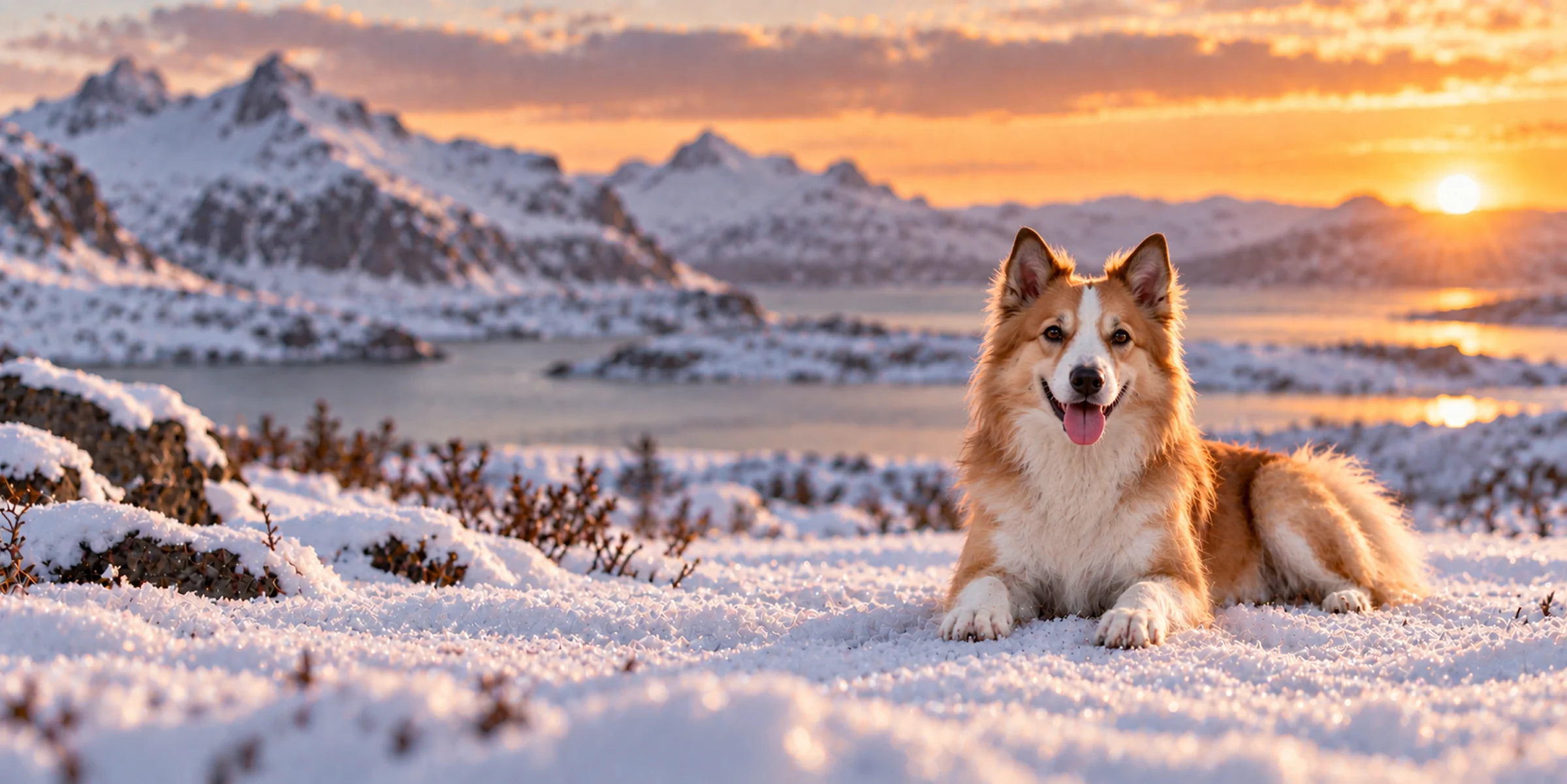
Icelandic Sheepdog
Another small northern herding spitz with the same friendly temperament and strong voice. The Icelandic is smaller and needs about half the exercise; the Herder is the more serious working dog.
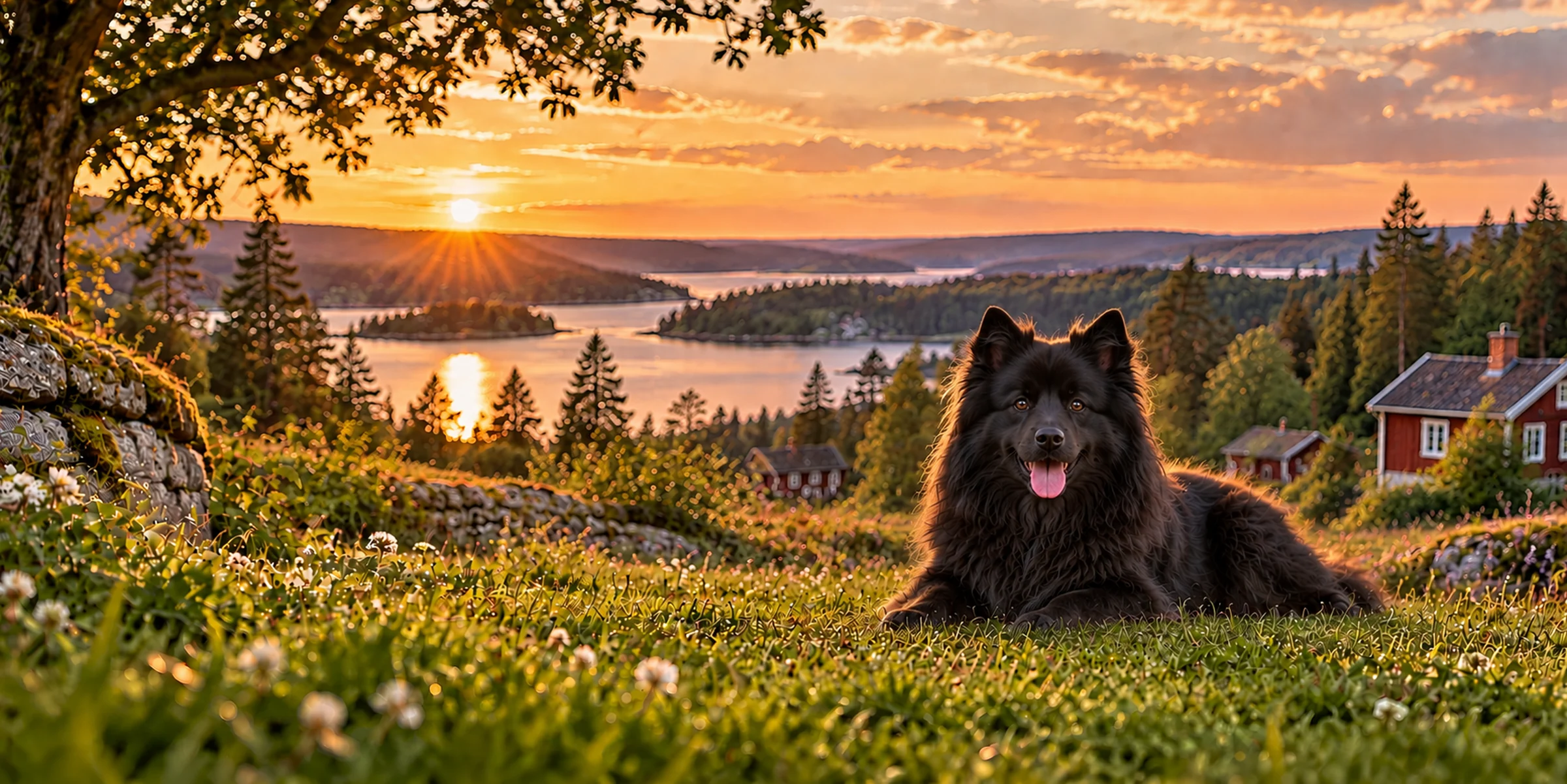
Swedish Lapphund
The other Sami breed kept for reindeer, and the more coated of the two. Swedish Lapphunds carry a full spitz double coat that blows out twice a year, and are a little softer to live with than the leaner, harder-working Herder.