

small breed
Lhasa Apso
Bred in Tibet as an indoor sentinel, kept to announce anything unfamiliar while the mastiffs held the gate, and that job still describes the dog. A Lhasa Apso is devoted and clownish with their own people, aloof with everyone else, and entirely comfortable making up their own mind. The coat is a lifelong job either way - daily line-combing at full length, or a groomer every four to six weeks in a short cut.

Pup Height
10-11 in

Pup Weight
12-18 lb
Males about 10-11 in at the shoulder, females slightly smaller; the standard sets no weight, and AKC gives 12-18 lb for males with females a little lighter. All colors are equally acceptable, with or without dark tips to the ears and beard. A heavy, straight, hard coat of good length - not woolly or silky - with a heavy fall over the eyes, whiskers and beard, and a well-feathered tail carried over the back in a screw. Source: AKC breed standard.

Pup Lifespan
12-15 years
Your pup, at a glance
What’s Life With This Pup Really Like?

Moderate. Affectionate and loyal with their own people, but on their own terms - many prefer lying nearby to being held.

Fair with older, gentle children. Lhasas dislike grabbing and rough play, and may snap when pushed, so toddler homes are a poor match.

Moderate. Usually fine with dogs and cats they are raised with, though some guard food and toys and bristle at bossy dogs.

High. They were bred to sound the alarm, and without early work on a quiet cue they bark at every noise.

Moderate. Playful bursts and a couple of walks, then long spells watching the household from a good vantage point.

Low. The long hair holds loose coat rather than dropping it, which is why it mats without regular brushing.

Clownish in short bursts with trusted people, then dignified again. Not a dog for endless fetch.

Very low, though the beard gets wet and messy after drinking.

Below average. Intelligent but independent, and responsive only to short, rewarding sessions - force makes them dig in.

Very high. An alert sentinel who announces every arrival and stays wary until satisfied.

Very high in full coat, needing daily brushing; a short puppy cut brings it down but still means regular grooming appointments.

High. Small, content indoors and happy in an apartment, provided the barking is managed.
Lifestyle fit
Could This Be Your Best Breed?
A Lhasa Apso suits a calm adult household, an apartment, and an owner who wants a dignified companion rather than an eager pupil - thirty to forty-five minutes of walking a day, $1,200 to $2,200 a year, and often a life well into the teens. Do not choose this breed as the family dog for a house with toddlers in it. A Lhasa who gets grabbed or woken suddenly will say so, and will remember.

Living Space
Anywhere, including a small apartment. Lhasa Apsos need little room and are content indoors, but they are alert barkers, so thin walls and close neighbors call for early work on quiet.

Pup Experience
Workable for a first-time owner who is patient and consistent and who wants a dignified companion rather than an eager pupil. The breed is independent and remembers rough handling; owners expecting a people-pleaser find the Lhasa hard going.

Daily Pup Time
Two short walks and some play, about 30-45 minutes in all, plus daily brushing for a long coat or a professional groom every 4-6 weeks for a short one.

Allergies & Coat
The Lhasa Apso scores 2/10 for shedding and 1/10 for drooling. No dog is truly hypoallergenic. The allergens come from dander and saliva, and a coat like this one holds on to them rather than spreading them around your home - which is what a groomer is clearing out every six to eight weeks.
Quirks & challenges
The Not-So-Easy Stuff

Suspicious of Strangers
Bred to question anyone unfamiliar. Without broad early socialization that caution can harden into snapping at visitors.
Alarm Barking
A sentinel's bark at every sound and passerby. Teach a quiet cue early, especially in apartments.
Independent Streak
Lhasas learn quickly but decide for themselves whether a request is worth doing. Short, rewarding sessions work; repetition does not.
Low Tolerance for Rough Handling
Poor with grabbing, poking or being hauled around by small children. Supervise every interaction.
Resource Guarding
Some guard food, toys or a favorite spot. Trade-up games from puppyhood prevent most of it.
Coat Upkeep
A full coat mats within days if skipped. Many owners keep a short puppy cut instead.
The good, the bad & the hairy
Health, Care & Costs
Understanding the health risks and ongoing costs of a Lhasa Apso helps you plan for a happy, healthy life together.

12-15 years
$60-$100
per groom (bath, trim or puppy cut, nails, ears), every 4-6 weeks, or $0-$200/year for a full coat kept at home with daily brushing
$1,200-$2,200/year
all-in (food, routine vet, grooming, insurance, incidentals)

Health Risks
Conditions this breed is prone to.

An inherited kidney disease in which the kidneys fail to develop normally, showing as excessive thirst, weight loss or poor growth, often in young dogs. There is no reliable DNA test; ask breeders about kidney problems in their lines, and early blood and urine tests help catch it.
An inherited degeneration of the retina that starts with night blindness and progresses to full blindness. Breeding dogs should have annual eye exams by a veterinary ophthalmologist (OFA/CAER) as part of the club's CHIC screening.
Prolapse of the third-eyelid gland, keratoconjunctivitis sicca and entropion all appear in the breed. Dry eye is managed with daily drops; cherry eye usually needs surgery to reposition the gland.
The kneecap slips out of place, causing a skipping gait and sometimes arthritis. Mild cases need nothing more than monitoring, while severe ones need surgery; parents should have patella evaluations.
A long back on short legs puts the discs at risk of rupture, from sudden pain to paralysis. A DNA test for the CDDY (FGF4) variant is available, and keeping the dog lean and limiting jumps off furniture helps.
Allergies and sebaceous adenitis, an inflammatory condition of the skin glands, both show up under that heavy coat. A small mouth also crowds the teeth, so regular brushing and professional cleanings are part of normal care.

Insurance & Health Coverage
Lhasa Apsos are small and long-lived, which cuts both ways: routine costs are modest, but a dog who lives into their mid-teens has many years in which to develop something expensive. Insure young, before an eye or skin note on the record becomes a permanent exclusion.

The claims that tend to arrive are eyes, skin, teeth and backs. Cherry eye surgery, ongoing dry-eye and allergy medication, and a disc rupture needing surgery can each run from hundreds to several thousand dollars, and the chronic ones repeat every year - check whether the policy caps ongoing conditions.

Renal dysplasia is often considered congenital and excluded, so a breeder who is open about kidney health in their lines is the real protection. Dental cleanings are usually excluded too, so budget for them separately.
 Get a Pet Insurance Quote
Care needs
The Daily Routine

Grooming
A full floor-length coat needs brushing and line-combing down to the skin every day or two, plus a bath every week or two, or it mats tight. Most pet owners keep a short puppy cut trimmed every 4-6 weeks, which cuts brushing to a few times a week. Either way, keep the hair clear of the eyes, wipe tear stains, check the ears and trim hair between the pads.

Exercise
Moderate. A couple of brisk walks and some indoor play keep a Lhasa fit and content, and the breed enjoys a sniff-heavy outing more than a long run. Scent games and puzzle toys help the mind of a dog bred to stay on watch.

Food & Weight
Small measured meals of a quality small-breed food; Lhasas gain weight easily when treats go unchecked, and extra weight loads the back and knees. Keep the beard clean after meals, and add dental chews or brushing to the routine.
Similar breeds
If This Isn’t Quite the One
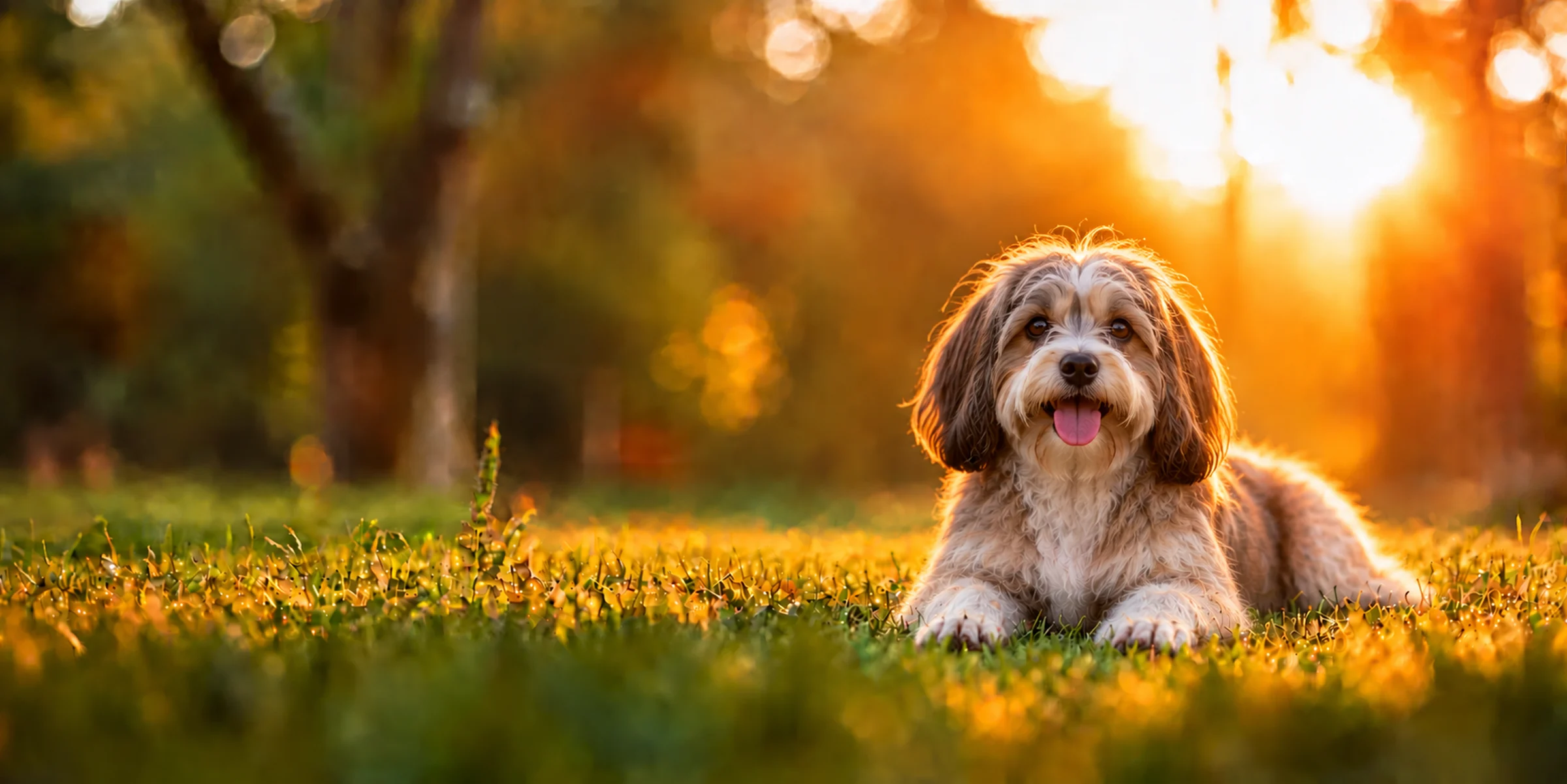
Havanese
A similar-size companion with a long coat and low shedding. The Havanese is friendlier with strangers, far keener to please and easier with children; the Lhasa is more independent, more watchful and more of a barker.
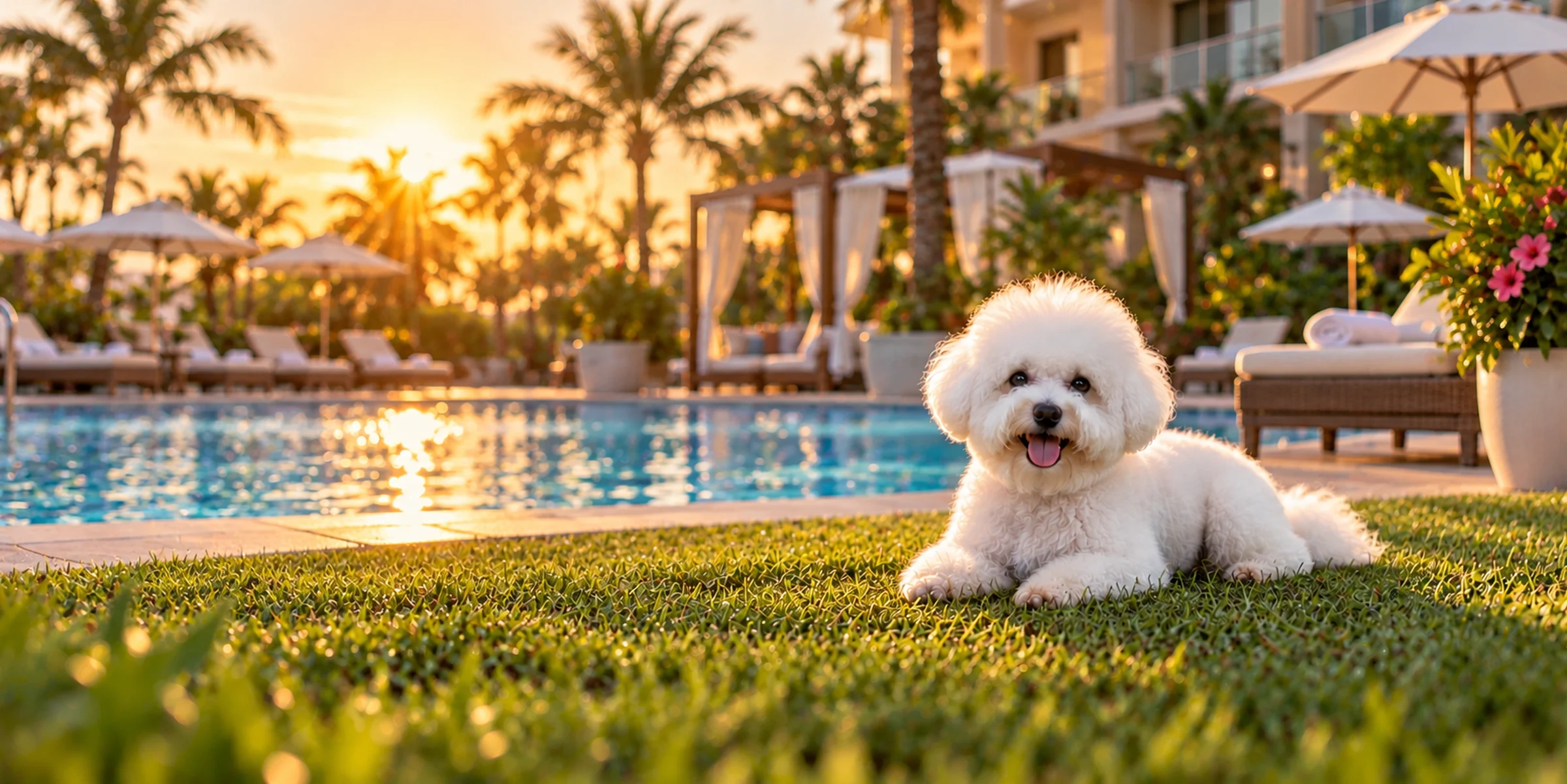
Bichon Frise
Another small, low-shedding dog with serious grooming needs. The Bichon is cheerful and outgoing with everyone; the Lhasa is reserved, protective of the household and less tolerant of handling.
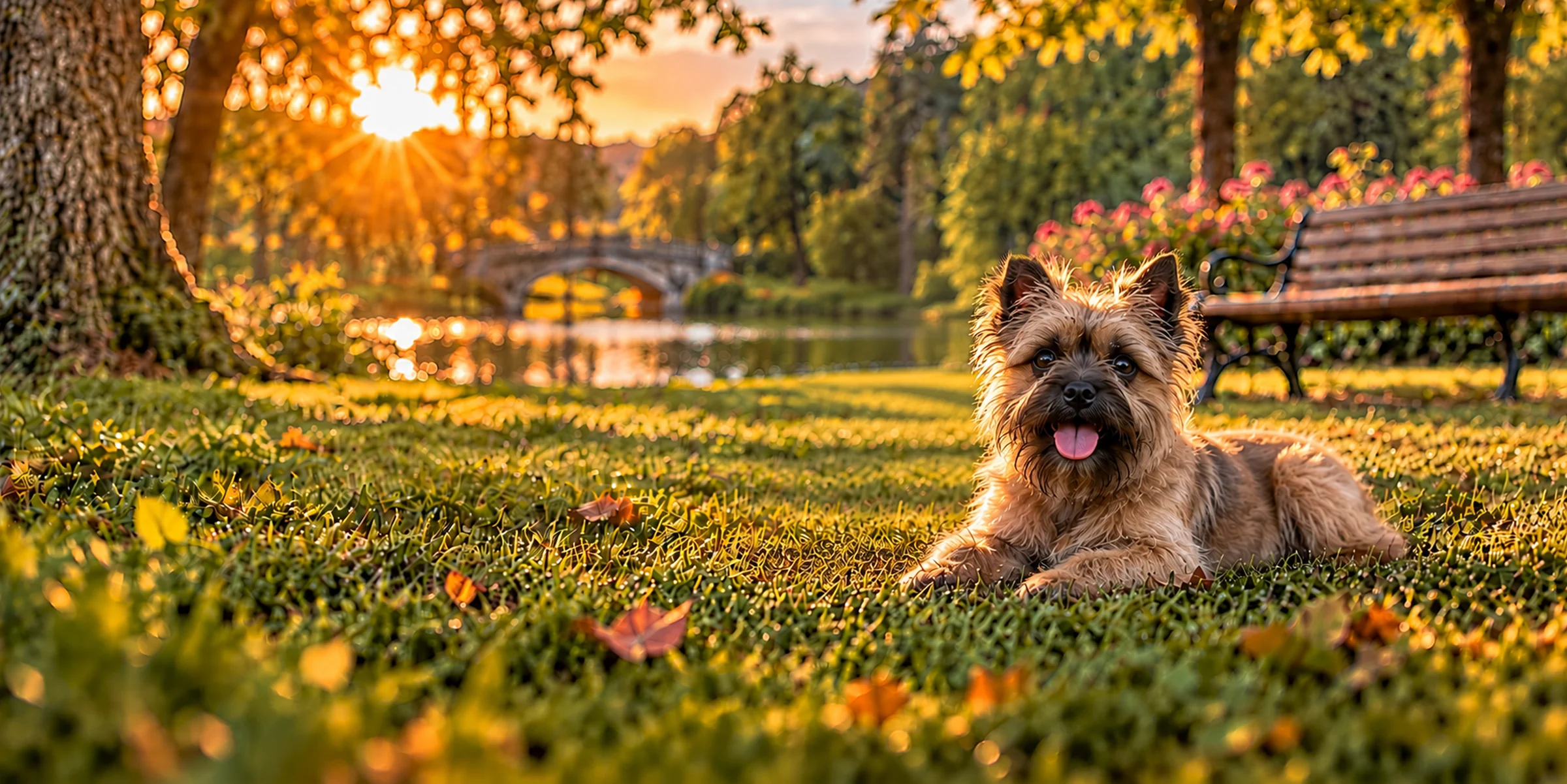
Cairn Terrier
A comparably sturdy, independent small dog with a strong alarm bark. The Cairn is busier and more driven to dig and chase, with a far simpler coat; the Lhasa is calmer indoors and more aloof with strangers.
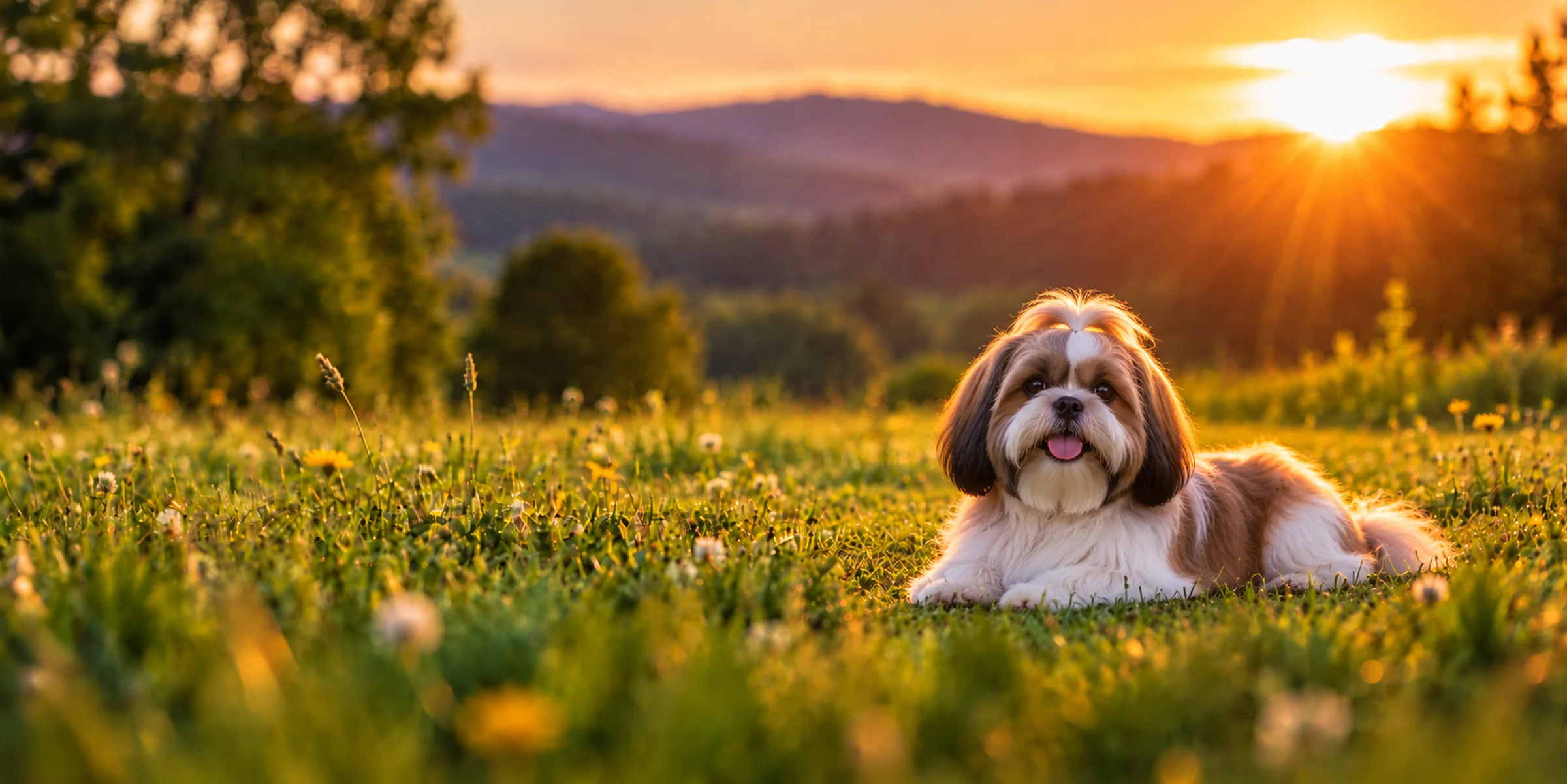
Shih Tzu
A close relative with the same long coat, low shedding and Tibetan roots. The Shih Tzu has a shorter face, is friendlier with strangers and easier with children, and barks less; the Lhasa is more watchful, more independent and breathes more easily.

Tibetan Terrier
The larger Tibetan monastery dog, roughly twice the weight with the same coat commitment. Tibetan Terriers are more athletic and more outgoing once past their reserve, and carry snowshoe feet built for mountain ground.