

small breed
Shih Tzu
A palace companion from China by way of Tibetan stock, with no job in the breed's history beyond being good company - the name means little lion. Shih Tzu are friendly with practically everyone, content indoors, and need very little room. What they do need is air conditioning, daily brushing, and care around a face that was never built for breathing hard or for a hot afternoon.

Pup Height
9-10.5 in

Pup Weight
9-16 lb
One size for both sexes: ideal height 9-10.5 in at the shoulder, never under 8 in or over 11 in, and a mature weight of 9-16 lb. "Imperial" and "teacup" Shih Tzu are marketing labels, not varieties - no kennel club recognizes them, and a dog bred to come in under the standard is simply undersized, with a higher risk of fragile bones, dental crowding and liver and blood-sugar problems. All colors and markings are allowed and equally considered. A luxurious, dense, long and flowing double coat, with a slight wave allowed, and the hair on the head is tied up. Source: AKC breed standard.

Pup Lifespan
10-18 years
Your pup, at a glance
What’s Life With This Pup Really Like?

Very high. Shih Tzu were bred for nothing but company and want to be on a lap or close by all day.

Good. Friendly and fairly sturdy for a toy, with the caveat that children need teaching to be gentle and to keep away from the eyes.

Very good. Usually friendly with other dogs and cats, with little prey drive; a rough, much bigger dog is a risk to their eyes and back.

Low to moderate. Shih Tzu announce visitors and noises, then settle quickly.

Low to moderate. Playful bursts and short walks, capped by breathing and heat.

Low. The long hair holds loose coat rather than dropping it, which is why it mats - but low shedding is not the same as hypoallergenic.

Playful and good-natured in short spells, then happy to flop. Not a dog for long games of fetch.

Low. Not droolers, though the beard gets wet and messy after meals and water.

Moderate. Keen on food and on people, but stubborn about anything that is not their idea, and slow to housetrain.

Low. Shih Tzu may bark at the door, then greet the visitor like an old friend.

High. A full coat needs daily brushing; a puppy clip brings it down but still means regular groomer visits, plus daily eye and face care.

Fairly high. Happy in small homes and busy households, but limited by heat and unhappy left alone for long.
Lifestyle fit
Could This Be Your Best Breed?
A Shih Tzu suits an apartment, an older owner, or a family with gentle children - someone home most of the day who will keep up a daily brush or a regular clip. Grooming alone runs $500 to $1,000 a year, inside $1,500 to $3,000 all-in. A hot home without air conditioning is the one place this falls apart; the short face and the heavy coat leave no margin.

Living Space
An apartment suits a Shih Tzu well, provided it stays cool. Shih Tzu need very little room and are content indoors, but the short face and heavy coat make heat and humidity genuinely dangerous, so air conditioning in summer is part of the setup.

Pup Experience
Good for a first-time owner who wants a companion rather than an athlete and who takes the coat, the eyes and the breathing seriously from the start. The temperament is easy; the upkeep is where new owners get caught out.

Daily Pup Time
Two short walks in the cool part of the day and some indoor play, plus daily brushing for a full coat or a groomer every 4-6 weeks for a puppy clip. Shih Tzu also want company for most of the day.

Allergies & Coat
The Shih Tzu scores 2/10 for shedding and 2/10 for drooling. No dog is truly hypoallergenic. The allergens come from dander and saliva, and a coat like this one holds on to them rather than spreading them around your home - which is what a groomer is clearing out every six to eight weeks.
Quirks & challenges
The Not-So-Easy Stuff

Breathing Trouble
Snoring and snorting come with the short face. Noisy breathing at rest, gagging or collapse after mild exercise need a vet.
Heat Can Kill
A short airway under a heavy coat cannot shed heat well. No hot cars, no midday summer walks, and air conditioning in summer.
Exposed Eyes
Prominent eyes scratch easily and can even pop from the socket after a knock. A squint, tearing or a cloudy patch is a same-day vet visit.
A Coat That Mats
A full coat tangles within days if brushing is skipped. Most pet owners keep a short puppy clip instead.
Slow Housetraining
Often takes months rather than weeks. A strict routine, frequent trips out and lots of praise beat frustration.
Home Alone Blues
Bred purely for company, many Shih Tzu struggle with long days alone. Build up time apart gradually from puppyhood.
The good, the bad & the hairy
Health, Care & Costs
Understanding the health risks and ongoing costs of a Shih Tzu helps you plan for a happy, healthy life together.

10-18 years
$60-$100
per groom (bath, puppy clip or trim, nails, ears, sanitary trim), every 4-6 weeks ($500-$1,000/year), or less with a full coat kept at home with daily brushing
$1,500-$3,000/year
all-in (food, routine vet, grooming, insurance, incidentals)

Health Risks
Conditions this breed is prone to.

Brachycephalic obstructive airway syndrome affects many Shih Tzu, usually less severely than in the flattest-faced breeds but still for real. Narrow nostrils, an over-long soft palate and a crowded throat restrict airflow, which shows as snoring, snorting, poor exercise tolerance and, in bad cases, collapse. The same airway cannot shed heat, so heatstroke can come on quickly. Surgery to open the nostrils and shorten the palate helps many dogs, and anesthesia carries more risk than in a long-nosed breed. Choose a puppy from parents with open nostrils and quiet breathing.
Shallow sockets and prominent eyes mean a knock, a bite or pressure on the neck can push an eye out of the socket - an emergency where minutes matter. Corneal ulcers are common and can deepen fast, and hair from the nose fold can rub the eye. Dry eye (keratoconjunctivitis sicca) is managed with daily drops. Progressive retinal atrophy, an inherited slow loss of sight, also occurs; there is no breed-specific DNA test in routine use, so breeding dogs should have annual eye exams by a veterinary ophthalmologist (CAER).
An inherited kidney disease in which the kidneys fail to develop normally, showing as excessive thirst and urination, poor growth or weight loss, often in young dogs. A DNA test was once marketed for the breed, but it was not shown to predict the disease reliably, so there is no dependable test. Ask breeders about kidney problems in their lines, and early blood and urine tests help catch it.
Shih Tzu are a chondrodystrophic breed, so discs harden early and can rupture, causing pain, a hunched back or sudden hind-leg weakness, sometimes needing spinal surgery. A CDDY DNA test exists, but the variant is common in the breed, so keeping the dog lean, using a harness and limiting jumps off furniture matter as much as the result.
Loose kneecaps are common and show as an occasional skipping step; severe cases need surgery. Hip dysplasia is more common than the small size suggests, though small dogs often carry it with few signs. Parents should have OFA patella and hip evaluations, which the breed club includes in its CHIC screening.
A short jaw crowds the teeth, baby teeth are often retained, and tartar and gum disease set in early, leading to tooth loss and infection. Daily brushing and regular professional cleanings under anesthesia are part of normal care, not an extra.

Insurance & Health Coverage
Read the brachycephalic wording first. Some insurers exclude conditions linked to a short face or charge more for them, and in a Shih Tzu that can cover airway surgery, heatstroke treatment and much of the eye work. Ask directly rather than assuming a general policy covers it.

Eyes and backs are the expensive emergencies. An eye proptosis or a deep ulcer can mean specialist surgery, and a disc rupture that needs spinal surgery commonly runs into the thousands. Both tend to happen suddenly, and a Shih Tzu who lives into their mid-teens has many years in which to need one, so cover in place before the first incident is worth far more than cover taken out after something is on the record.

Renal dysplasia is often treated as congenital and excluded, so a breeder who is open about kidney health in their lines is the real protection. Dental cleanings are usually excluded too, and every anesthetic carries extra risk in this breed, so budget for dental care as a planned cost.
 Get a Pet Insurance Quote
Care needs
The Daily Routine

Grooming
A full coat needs brushing and combing down to the skin every day, a bath every week or two, and the topknot tied up to keep hair out of the eyes. Most pet owners keep a short puppy clip trimmed every 4-6 weeks, which cuts brushing to a few times a week. Either way, wipe the eyes and face daily, check the ears weekly, trim the hair between the pads and keep the rear end clean. The coat sheds very little, but a Shih Tzu is not hypoallergenic - allergens are in dander and saliva too.

Exercise
Modest: two short walks of 15-20 minutes a day plus indoor play is plenty. Walk early or late in warm weather, stop at the first sign of heavy panting, and skip exercise in heat and humidity. Discourage jumping off furniture, and use a harness rather than a collar to protect the airway and neck.

Food & Weight
Small, measured meals of a quality small-breed food. Shih Tzu gain weight easily, and extra weight makes the breathing, the back and the knees worse. Take training treats out of the daily ration, wipe the face after meals to keep the beard and nose fold clean, and add tooth brushing or dental chews to the routine.
Similar breeds
If This Isn’t Quite the One
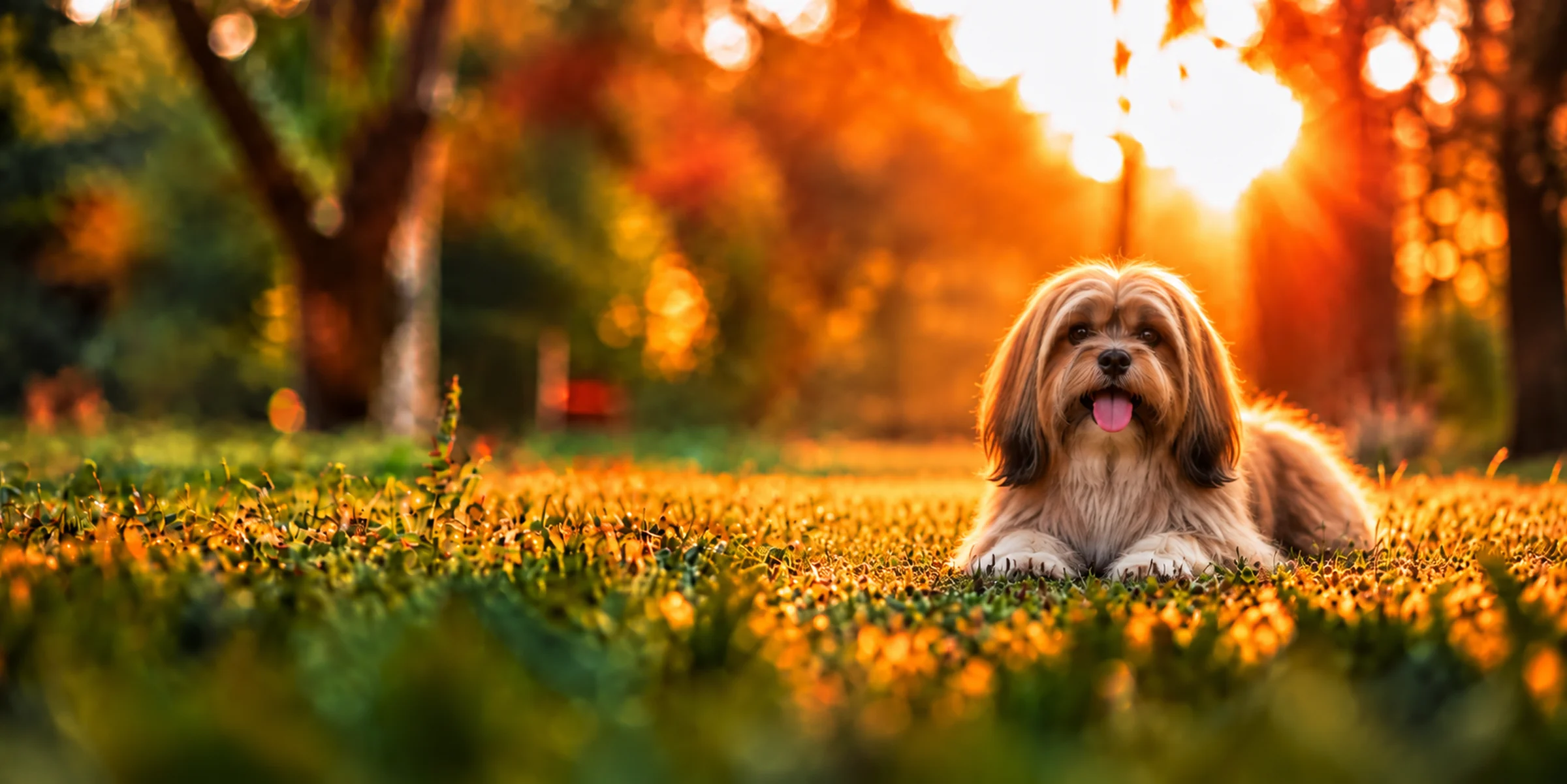
Lhasa Apso
A close relative with the same long coat, low shedding and Tibetan roots. The Lhasa has a longer muzzle and breathes more easily, but is aloof with strangers and a keen alarm barker; the Shih Tzu is friendlier with everyone and easier with children.
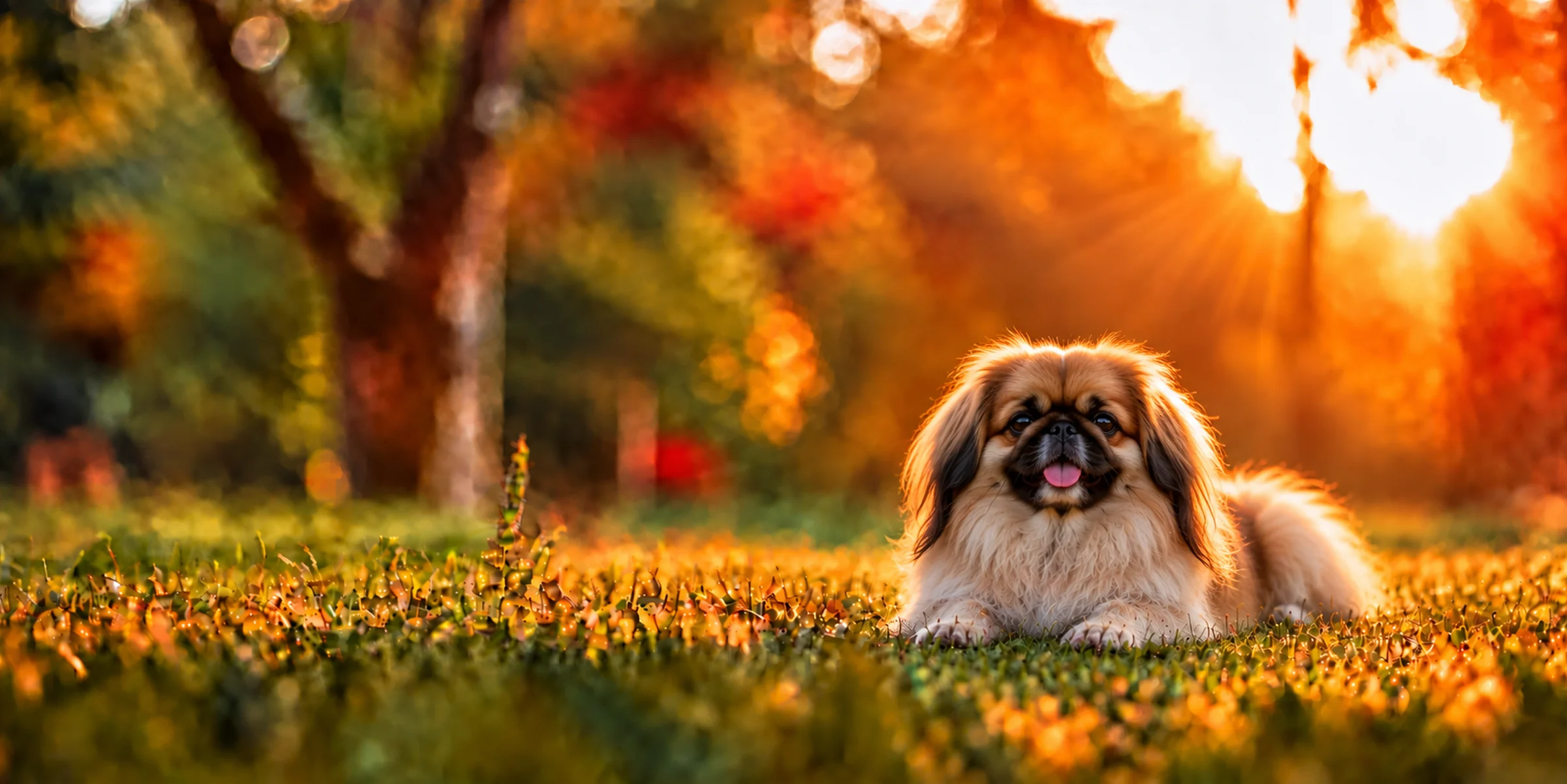
Pekingese
Another short-faced palace companion with the same eye exposure, heat limits and heavy coat. The Pekingese is heavier-fronted, more stubborn and less tolerant of handling; the Shih Tzu is more outgoing and easier with visitors and children.
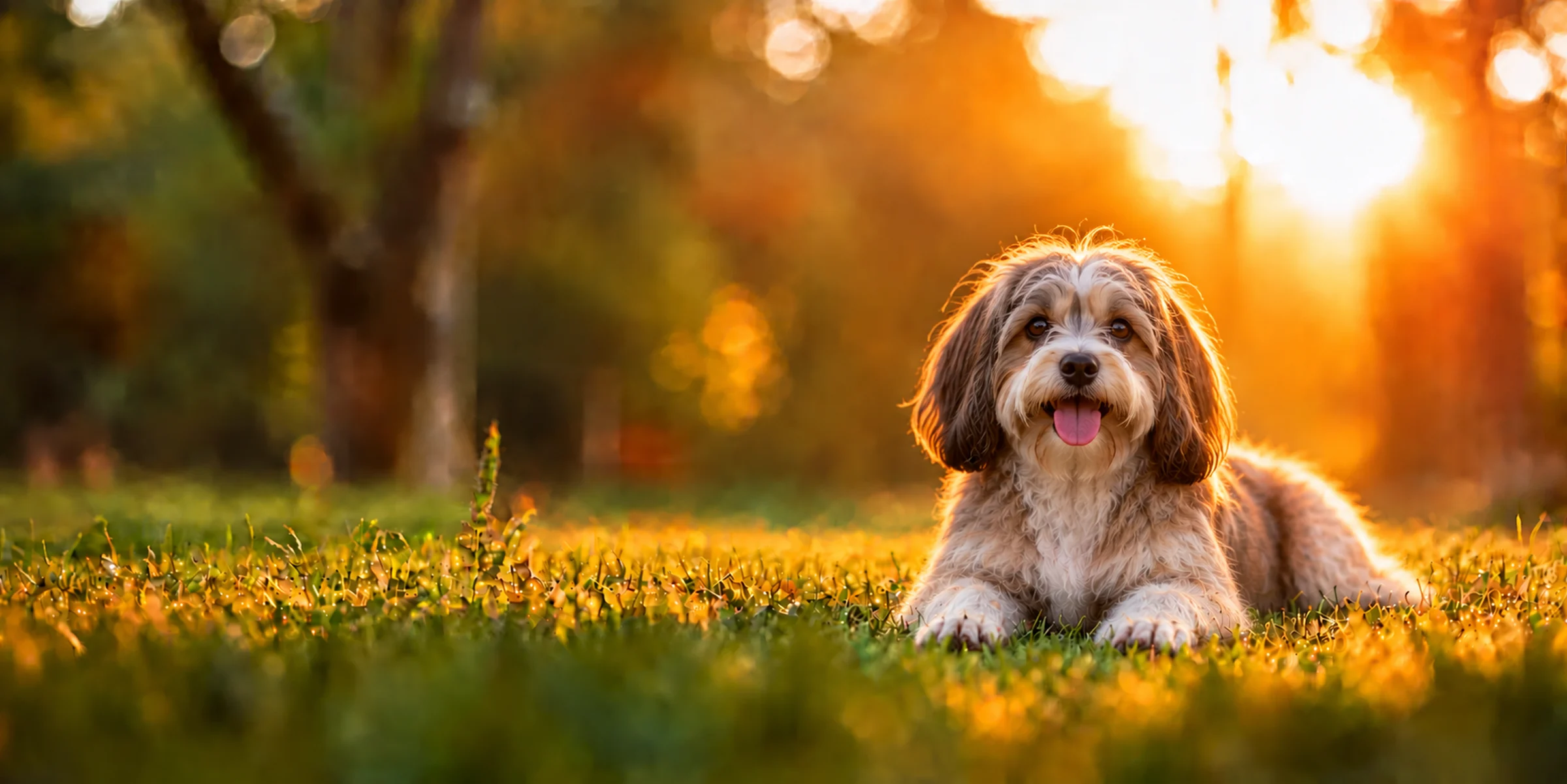
Havanese
A similar-size, long-coated, low-shedding companion with the same love of people. The Havanese has a normal-length muzzle, more energy and an easier time in the heat; the Shih Tzu is calmer indoors but more limited by breathing.
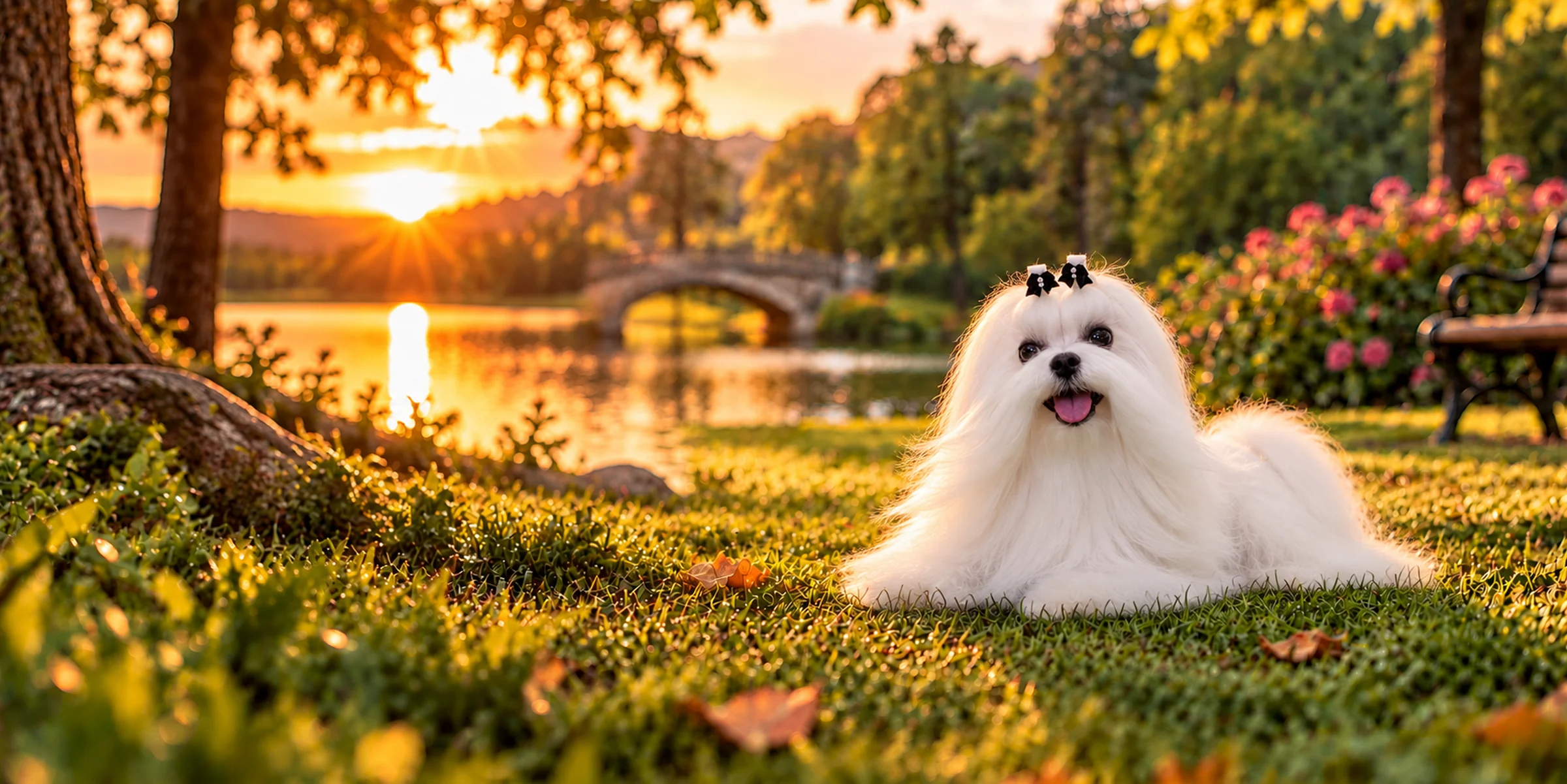
Maltese
A long-coated toy with similar grooming demands and devotion to company. The Maltese is smaller, more delicate and more of a barker, with a longer face; the Shih Tzu is sturdier, quieter and more limited by heat.
Tibetan Spaniel
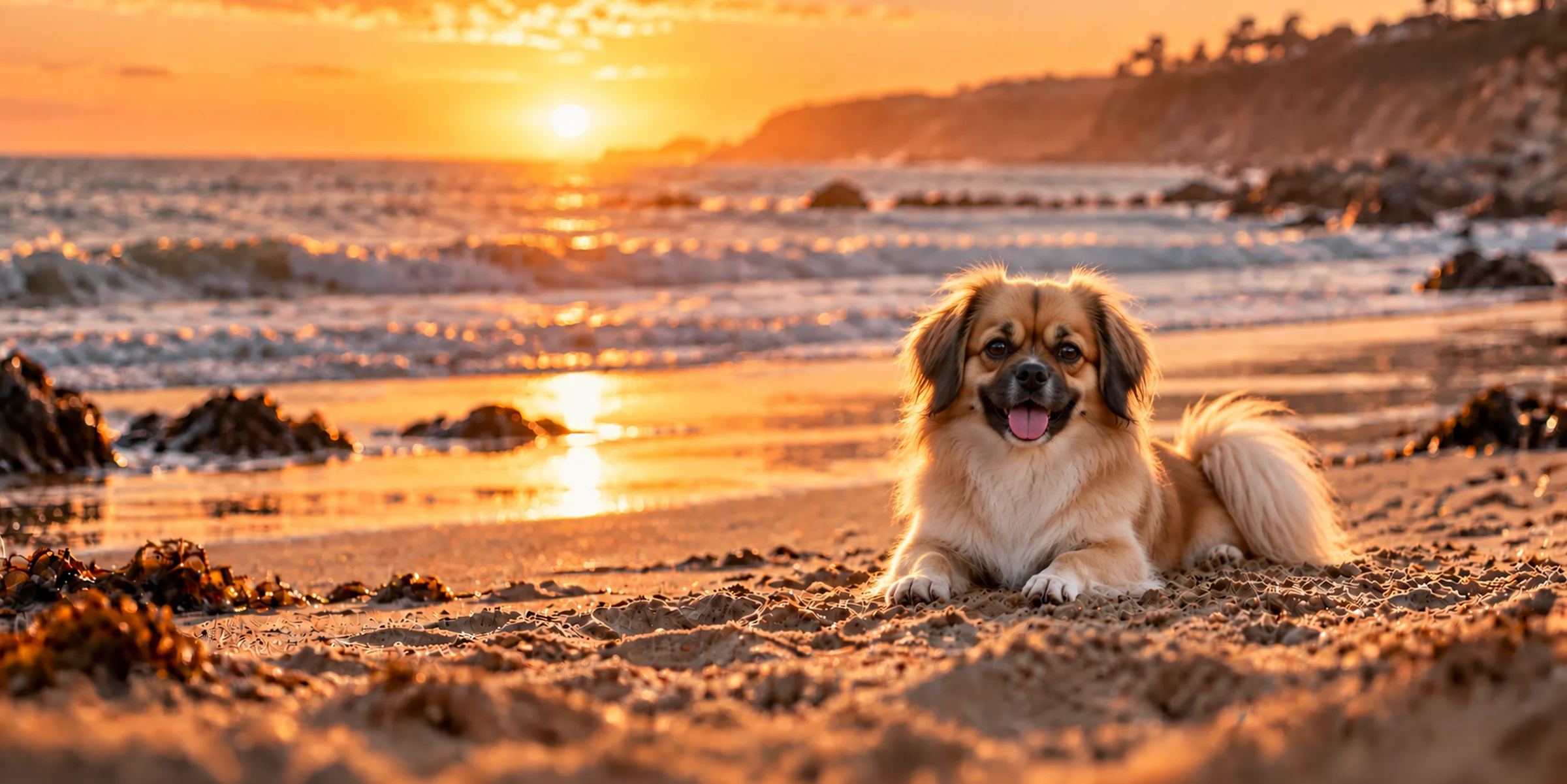
The Tibetan original behind the same lapdog tradition, and a working sentinel rather than a court companion. Tibetan Spaniels bark to announce visitors as a matter of breeding, and their muzzle is far less shortened than a Shih Tzu's.

Shihpoo
The Poodle cross, and the rare case where outcrossing does something mechanical: a Poodle muzzle can moderate the flat face and the breathing that goes with it. It is decided per puppy though, so the thing to check is the nose and the breathing in front of you.