

small breed
Lowchen
A small European companion painted into tapestries since the Renaissance, and rare enough in the 1960s and 1970s to be listed among the rarest dogs in the world. The name means little lion, after the traditional clip. Lowchens are sturdier and more athletic than the trim suggests, sharp-eyed, and firmly of the view that the mail carrier should be announced. The single coat sheds little and tangles readily.

Pup Height
12-14 in

Pup Weight
9-18 lb
One size for both sexes, ideally 12-14 in at the withers; the AKC standard sets no weight, and most adults fall between about 9 and 18 lb. All colors and combinations are allowed. A long, soft, wavy single coat that is shown in the traditional lion trim - clipped short from the last rib back and on the legs, with cuffs on the feet and a plume on the tail. Source: AKC breed standard.

Pup Lifespan
13-15 years
Your pup, at a glance
What’s Life With This Pup Really Like?

Very high. Lowchens want to be with their people and are happiest in a lap or right beside one.

Good. Playful and sturdier than many small breeds, but best with children old enough to handle a small dog gently.

Very good. Usually friendly with other dogs and cats, though some are bold with much larger dogs.

High. Alert and vocal, and without early training they bark at most sounds and passersby.

Moderate. Lively and playful in bursts, then content to settle once they have had walks and games.

Low. A single coat that loses little hair, though loose hair tangles into mats instead of falling out.

Very playful. Busy, clownish and game for toys, tricks and chasing games well into adulthood.

Very low.

Good. Bright and eager for rewards, with a stubborn streak that shows up when training gets dull.

Good alarm. They notice everything and say so, though there is no guarding behind the bark.

High. Brushing several times a week plus regular professional trims to keep the coat free of mats.

High. Fine in apartments and houses alike, as long as they are not left alone for long hours.
Lifestyle fit
Could This Be Your Best Breed?
A Lowchen fits an apartment and a first-time owner well, given thirty to forty-five minutes of walks and play, brushing several times a week, and a groomer every four to eight weeks - $400 to $1,200 of the $1,200 to $2,200 annual total. Bringing one into a house that stands empty from eight to six is how the barking habit starts, and it is far easier to prevent than to undo.

Living Space
Anywhere with company. The Lowchen is small, sheds little and gets enough exercise from walks and indoor play, so an apartment works well - provided the neighbors can live with a dog who announces the mail carrier.

Pup Experience
Good for a first-time owner. Lowchens are bright, people-focused and easy to teach with rewards; the things new owners underestimate are the coat upkeep and how much the dog barks when nobody has shaped the habit.

Daily Pup Time
Thirty to forty-five minutes of walks and play, brushing several times a week, and a household that is home more often than not.

Allergies & Coat
The Lowchen scores 2/10 for shedding and 1/10 for drooling. No dog is truly hypoallergenic. The allergens come from dander and saliva, and a coat like this one holds on to them rather than spreading them around your home - which is what a groomer is clearing out every six to eight weeks.
Quirks & challenges
The Not-So-Easy Stuff

Barking
An alert, vocal breed that reports on everything. Teach a quiet cue early and limit window-watching.
Separation Stress
Bred for constant company. Long workdays alone often bring barking, pacing or chewing.
Coat Upkeep
The long coat mats if brushing slips, and the lion trim needs a groomer every few weeks.
Big-Dog Attitude
Lowchens can square up to dogs many times their size. Supervise play with large, rough dogs.
Housetraining
Like many small breeds, slow to be fully reliable indoors. Consistency and a set routine help.
Hard to Find
Still an uncommon breed, and reputable breeders often have waiting lists for puppies.
The good, the bad & the hairy
Health, Care & Costs
Understanding the health risks and ongoing costs of a Lowchen helps you plan for a happy, healthy life together.

13-15 years
$60-$100
per groom (bath, lion trim or puppy clip, nails, ears), every 4-8 weeks ($400-$1,200/year)
$1,200-$2,200/year
all-in (food, routine vet, grooming, insurance, incidentals)

Health Risks
Conditions this breed is prone to.

The kneecap slips out of its groove, causing a skipping gait and, in worse cases, arthritis or the need for surgery. Both parents should have patella evaluations, which the breed club recommends.
Clouding of the lens that can appear in young dogs and progress to vision loss, with surgery as the fix. Annual eye examinations by a veterinary ophthalmologist are recommended for breeding dogs.
A gradual degeneration of the retina that starts with night blindness and can end in full blindness. It is not painful, and annual eye examinations of breeding stock help keep it out of litters.
Less common than in large breeds, but reported; the joint forms loosely and wears into arthritis. The breed club recommends hip evaluations on breeding dogs.
Small mouths crowd teeth, and tartar builds quickly. Daily brushing and periodic professional cleanings prevent early tooth loss and the costs that come with it.
Itching, licking and ear or skin infections from food or environmental allergies. Usually manageable, but an ongoing cost once it starts.

Insurance & Health Coverage
A generally healthy small breed with a long life, which means more years of premiums and a long run for chronic conditions to add up.

The claims most likely to matter are orthopedic and eye-related. Kneecap surgery runs into the thousands, and cataract surgery costs more than most owners expect. Both can show up young, so insure early, before anything is noted on the record.

Dental work is the steady expense underneath, and many policies exclude routine cleanings or cap dental cover. Check that line if you want it included.
 Get a Pet Insurance Quote
Care needs
The Daily Routine

Grooming
A long, soft single coat that sheds little but tangles, so brush through to the skin several times a week and comb out the legs, ears and armpits where mats start. Most pet owners keep a Lowchen in a lion trim or a short all-over puppy clip, redone by a groomer every four to eight weeks. Brush teeth daily and check the ears weekly.

Exercise
About thirty to forty-five minutes a day - a couple of walks plus play. Lowchens are more athletic than their size suggests and enjoy games, trick work and agility, and mental exercise matters as much as distance.

Food & Weight
Two measured meals of a quality small-breed food, with treats counted into the day. Extra weight is hard to see under the coat and hard on small knees, so check body condition by feel rather than by eye.
Similar breeds
If This Isn’t Quite the One
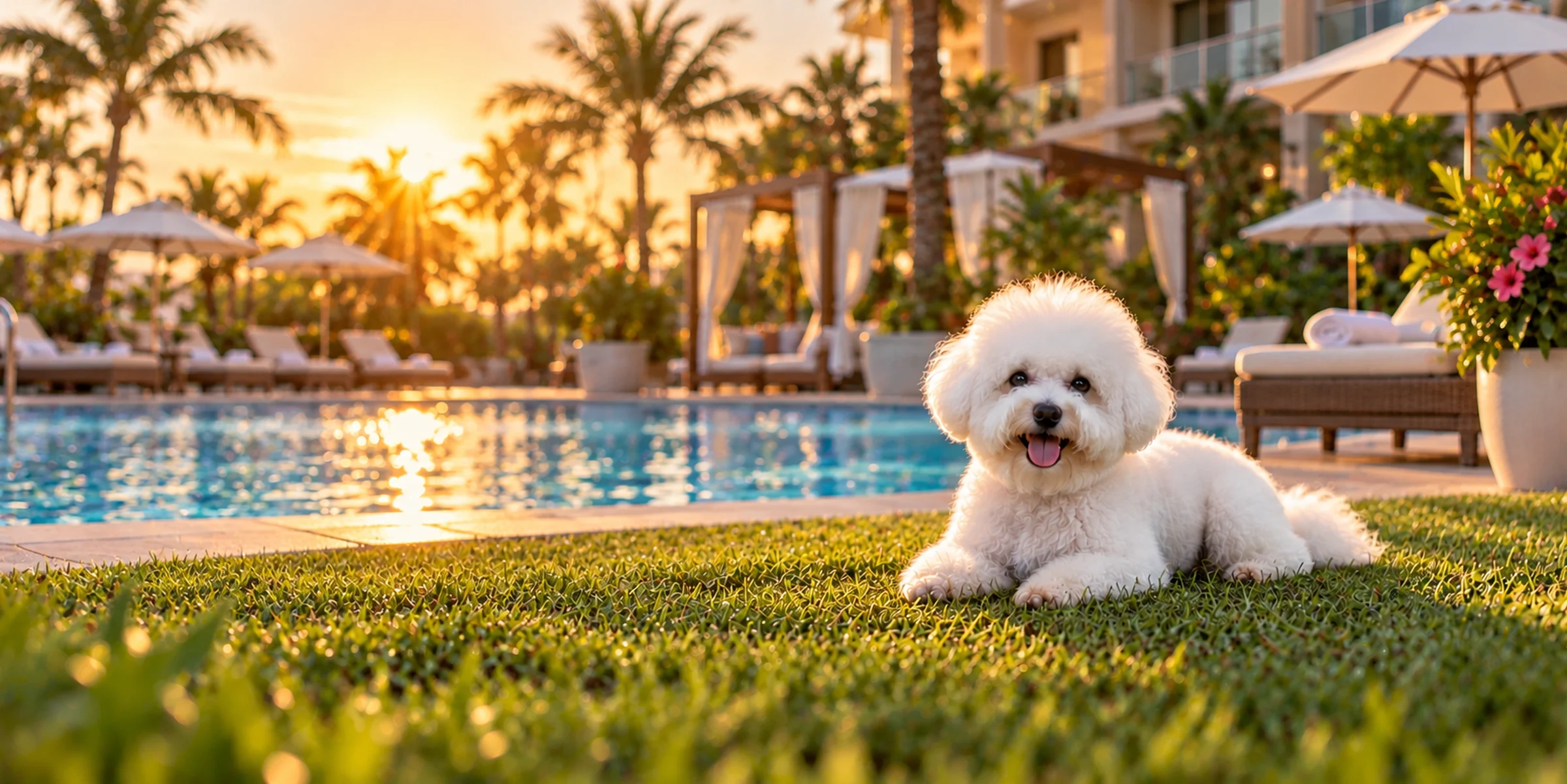
Bichon Frise
Another cheerful, low-shedding European companion of similar size. The Bichon is always white with a curly coat and tends to be softer-voiced; the Lowchen comes in any color and is more alert and vocal.

Havanese
A comparable small, sturdy, people-focused companion with a long coat. The Havanese is usually a little more easygoing with strangers and less of a barker; both need regular grooming.

Bolognese
A related small companion breed. The Bolognese is calmer, quieter and always white; the Lowchen is more playful, busier and more likely to sound the alarm.