

small-to-medium breed
Mudi
A Hungarian farm dog only described as a separate breed in the 1930s, and still rare enough outside Hungary and Finland that a puppy usually means a waiting list and some travel. Mudis are compact, fast and startlingly versatile - herding, vermin, agility and yard duty in the same week. The loudest honest cost is exactly that: the barking. A Mudi announces everything, and training shapes the habit rather than switching it off.

Pup Height
15-18.5 in

Pup Weight
18-29 lb
Males 16-18.5 in and 24-29 lb, females 15-17.5 in and 18-24 lb. Black, brown, gray, fawn, white or merle; a small white mark on the chest or toes is tolerated but not wanted. The coat is short and smooth on the face and front of the legs and wavy to curly, about 2-3 in long, over the body. The tail may be long or a natural bobtail. Recognized by the AKC in the Herding Group since 2022. Source: AKC breed standard.

Pup Lifespan
12-14 years
Your pup, at a glance
What’s Life With This Pup Really Like?

Moderate. Affectionate and close with their own family, though more likely to follow you around than to settle on a lap.

Good with supervision. Playful and loyal with children they know, but may herd and nip at running kids and can be wary of visiting friends.

Fair. Often fine with pets raised alongside them, but can be bossy with other dogs and quick to chase small animals.

High. A natural alarm system that barks at anything unusual and needs a taught off-switch.

Very high. A working herder built to go all day, who needs both physical exercise and a job.

Moderate. A wavy coat that sheds lightly most of the year and more during seasonal changes.

Keen and inventive. Loves ball games, agility and anything that involves learning something new.

Minimal. A clean, dry-mouthed breed.

Excellent. Quick, eager and responsive to reward-based training - but just as quick to learn habits you did not intend.

Very high. Alert, suspicious of strangers and willing to guard home and family.

Low. A weekly brush and the odd bath; the coat rarely mats.

Moderate. Adjusts to different homes if the exercise and training are there, but the barking and wariness make busy urban settings harder.
Lifestyle fit
Could This Be Your Best Breed?
Mudis suit a house with a fenced yard and an owner who wants a training partner - a dog sport, herding, tricks, anything with a goal in it. Twelve to fourteen years at $1,500 to $2,800 a year, and the coat costs almost nothing to keep. Anyone whose idea of enough exercise is a walk around the block will end up with a loud, inventive dog and a neighbor problem.

Living Space
A house with a securely fenced yard suits a Mudi best. The size works in a larger apartment for an active owner, but the barking and the need for a real outlet every day make close neighbors a problem.

Pup Experience
Best with someone who has trained a working breed before, or a first-timer ready to take classes seriously. Mudis learn fast, which means they learn the wrong things fast too, and a bored one invents a job.

Daily Pup Time
One to two hours of activity a day, at least part of it mental work - training, a dog sport or herding - plus a quick brush once a week.

Allergies & Coat
The Mudi scores 4/10 for shedding and 1/10 for drooling. No dog is truly hypoallergenic. The allergens come from dander and saliva, and a dog that sheds this much will leave plenty of hair behind - especially on your furniture, floors, and clothes.
Quirks & challenges
The Not-So-Easy Stuff

Barking
A vocal watchdog that announces every visitor, delivery and passing cat. Teach a quiet cue early.
Wary of Strangers
Naturally reserved with people they do not know. Wide socialization as a puppy keeps caution from turning into reactivity.
Herding and Nipping
Heels, bikes, joggers and small children all look like livestock. The instinct needs an outlet and firm limits.
Needs a Job
A walk around the block is not enough. Without training or sport, a Mudi finds their own work.
Hard to Find
A rare breed outside Hungary and Finland, so expect a waiting list and some travel to reach a breeder.
Sensitive to Handling
Quick to shut down or push back under harsh correction. Fair, consistent, reward-based training works far better.
The good, the bad & the hairy
Health, Care & Costs
Understanding the health risks and ongoing costs of a Mudi helps you plan for a happy, healthy life together.

12-14 years
$0-$60
per groom - the coat rarely needs a professional; most owners brush and bathe at home ($0-$250/year)
$1,500-$2,800/year
all-in (food, routine vet, grooming, insurance, incidentals)

Health Risks
Conditions this breed is prone to.

The hip joint forms loosely and wears into arthritis over time. It is the most commonly screened condition in the breed; both parents should have OFA or equivalent hip scores.
Abnormal development of the elbow that causes front-leg lameness in young, active dogs. Parents should have elbow scores, and puppies benefit from not being pushed into hard jumping too early.
Seizures with no other cause, usually starting between one and five years of age. The Mudi is one of the breeds where epilepsy has been studied as an inherited concern; ask breeders about seizures in their lines. Daily medication controls most cases.
The kneecap slips out of place, showing as a skip in the gait. Mild cases need no treatment; severe ones need surgery. Breeders should have patellas checked.
Cataracts and other inherited eye problems turn up in the breed. An annual eye examination by a veterinary ophthalmologist on breeding dogs catches them before they are passed on.
Breeding merle to merle produces puppies with a high risk of deafness and eye malformations. Responsible breeders never pair two merles, so confirm the parents' colors before you commit.

Insurance & Health Coverage
Insure young. The conditions that matter most in the Mudi - hip and elbow dysplasia and epilepsy - often show between one and five years, and once a symptom is on the record it becomes a pre-existing exclusion for good.

Active dogs get hurt. A Mudi doing agility, herding or simply running flat out in the yard is at real risk of torn ligaments, strains and cuts, so accident cover is worth as much here as illness cover.

Epilepsy is a long-term cost rather than a one-off bill: lifelong medication and regular blood tests. Check that a policy covers chronic conditions year after year, not just the first year's claim.
 Get a Pet Insurance Quote
Care needs
The Daily Routine

Grooming
A wavy, low-maintenance coat that sheds moderately and resists matting. A weekly brush with a slicker, a little more during seasonal shedding, and an occasional bath are all it needs. Trim nails and check ears regularly, and never shave the coat.

Exercise
One to two hours a day of real activity - running, hiking, fetch and, above all, work for the brain such as training, agility, scent games or herding. A Mudi who gets only a leashed walk will turn that energy into barking and chasing.

Food & Weight
A quality food for an active medium-sized dog, measured rather than free-fed. Working and sport Mudis may need more calories in season; companions need less. Keeping them lean protects the hips and elbows.
Similar breeds
If This Isn’t Quite the One
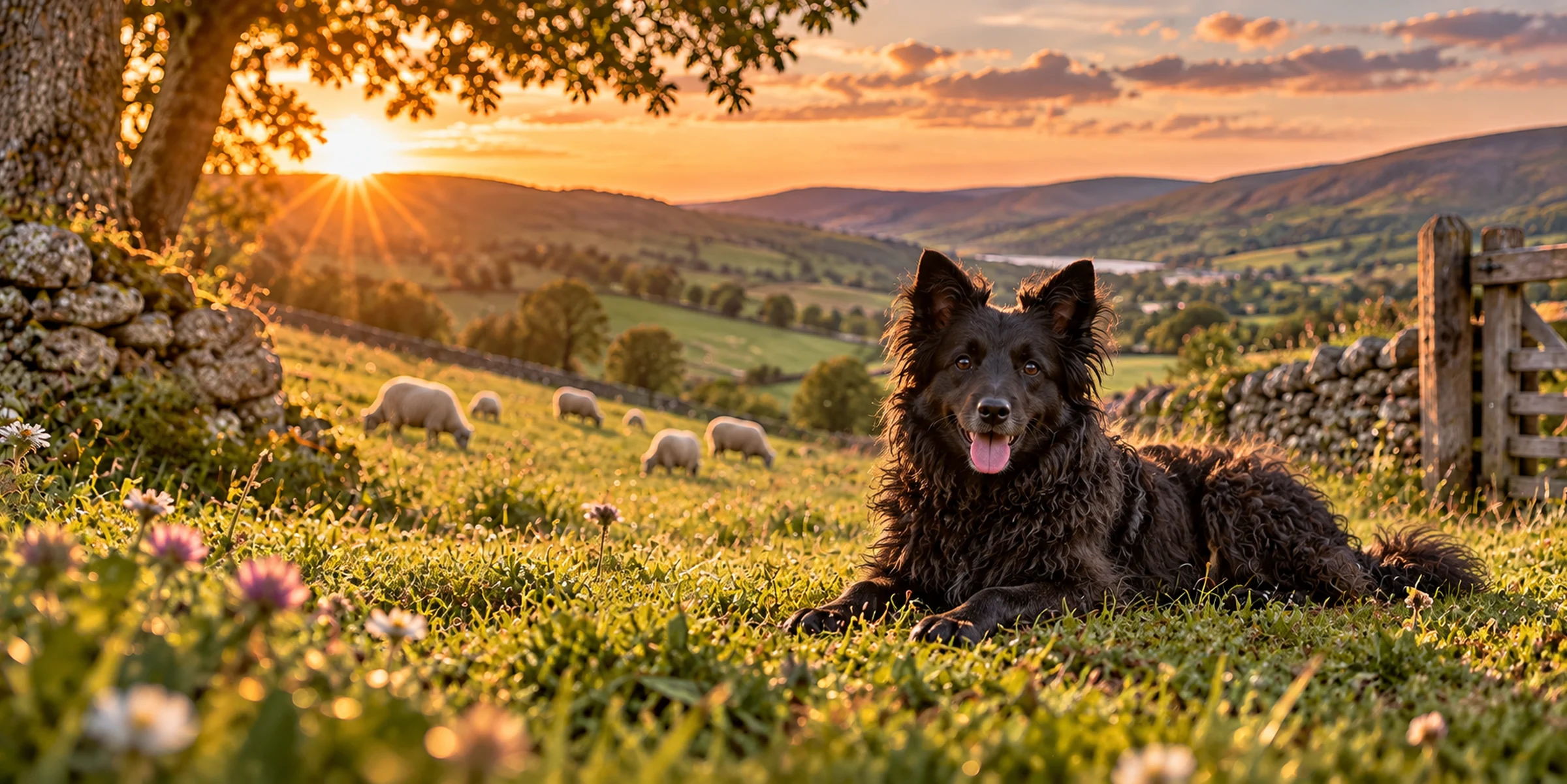
Croatian Sheepdog
The nearest look-alike - another compact Central European farm herder with a wavy coat and a watchful nature. The Croatian Sheepdog is always black and more one-person; the Mudi comes in more colors and is a little more outgoing with the family.
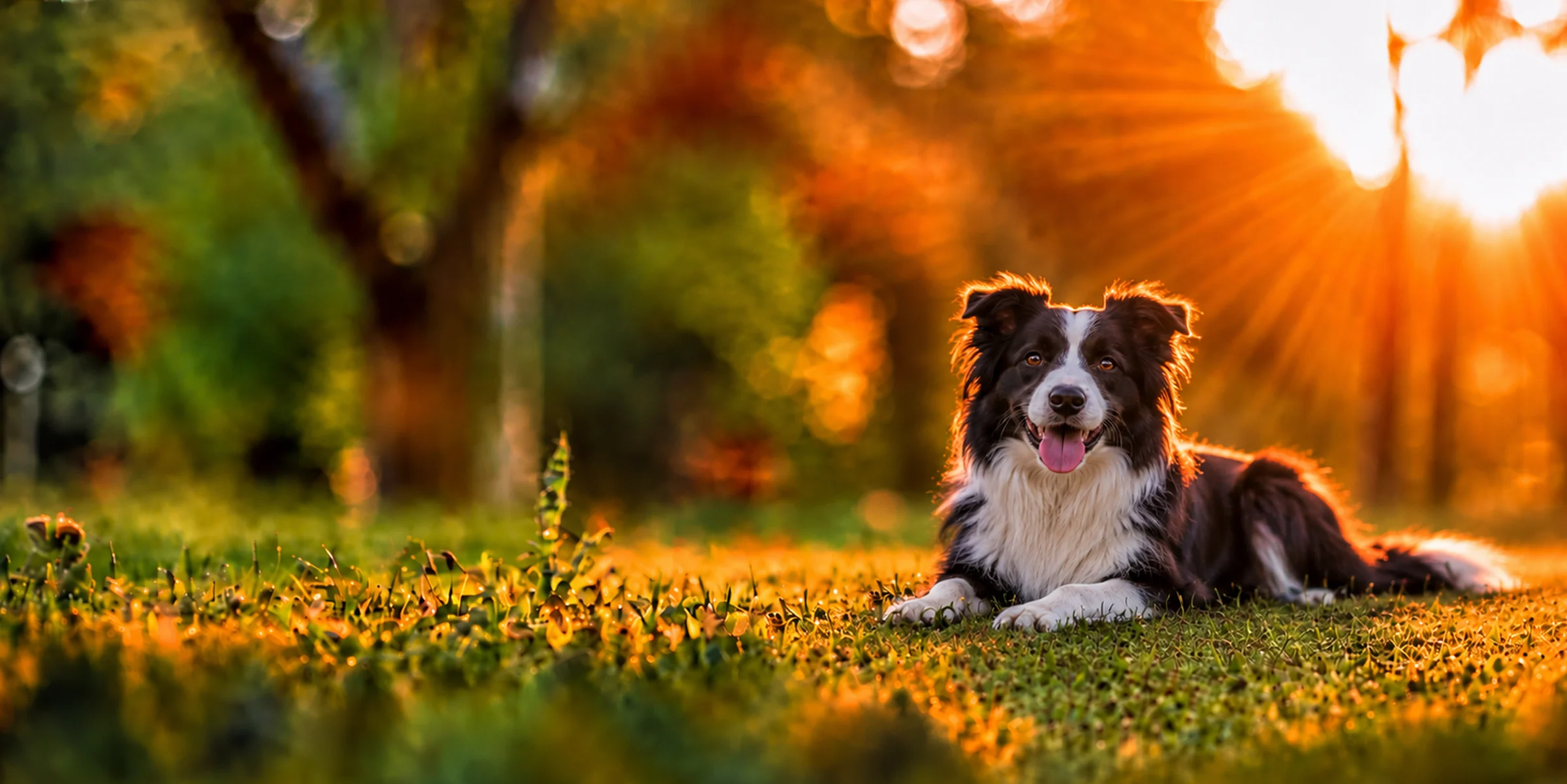
Border Collie
A match on intelligence and appetite for work. The Border Collie is larger, more intense and more fixated on herding; the Mudi is more of an all-rounder and more vocal and protective at home.

Miniature American Shepherd
A similar size and a similar sport-dog energy. The Miniature American Shepherd is easier to find, friendlier with strangers and sheds more; the Mudi is warier, barkier and lower-maintenance to groom.

Pumi
The closest relative - another compact Hungarian herder of the same size, bark and busy temperament. The Pumi has a corkscrew-curled coat, tipped ears and more trimming to do; the Mudi's wavy coat and upright ears are lower-maintenance.