

giant breed
Neapolitan Mastiff
A Roman guardian type kept for centuries on southern Italian estates, and standardized only after the Second World War. The Mastino is 110 to 150 pounds of slow, wrinkled deliberation - devoted at home and openly suspicious of everyone else. The daily reality is maintenance: wiping and drying the skin folds every single day so they do not go septic, and ropes of drool that land on the walls, the ceiling and your visitors.

Pup Height
24-31 in

Pup Weight
110-150 lb
Males 26-31 in and about 150 lb, females 24-29 in and about 110 lb - the standard gives average weights rather than a range, and many males are heavier. Solid gray (blue), black, mahogany or tawny, and any of those with tan brindling; small white markings on the chest, throat, underside and toes are allowed. A short, dense, even coat over abundant loose skin with heavy folds and wrinkles on the head and a pronounced dewlap. Source: AKC breed standard.

Pup Lifespan
7-9 years
Your pup, at a glance
What’s Life With This Pup Really Like?

High with family. Neapolitan Mastiffs like to be near their people and will lean or lie on feet, while staying aloof with everyone else.

Mixed. Usually patient with the family's own children, but a guardian that outweighs a child can misread rough play with visiting friends, so supervision is essential.

Low. Many are intolerant of unfamiliar dogs, especially of the same sex; pets raised alongside them fare better.

Low. Neos rarely bark without reason, and when they do, the deep voice makes the point.

Low. A slow, deliberate dog that spends most of the day lying down and watching.

Moderate. A short coat that sheds steadily, more heavily in spring and fall.

Low-key. Puppies are clumsy and playful, but adults prefer a gentle wander to games of fetch.

Extreme. Heavy flews and loose lips mean ropes of drool, shaken onto walls, ceilings and clothes.

Challenging. Intelligent but independent and slow to comply, and they respond to patient rewards rather than pressure.

Very high. Watchful, territorial and protective by nature, and the appearance alone deters most intruders.

Moderate. The coat is simple, but the skin folds, eyes and drool need attention every day.

Very low. Heat sensitivity, size, drool and a guarding temperament make them a poor fit for apartments, hot climates and busy households.
Lifestyle fit
Could This Be Your Best Breed?
Neapolitan Mastiffs belong with an experienced guardian-breed owner, in a house with a fenced yard, air conditioning and floors that can take a mess. The arithmetic is unsentimental: $2,500 to $5,000 a year, fold care every day, and a dog who often lives only seven to nine years. That last number is not a typo, and for most households it is reason enough to choose something else.

Living Space
A house with a securely fenced yard and floors that can take drool. Neapolitan Mastiffs are slow and quiet indoors, but a guardian this size needs a controlled boundary, and the heat sensitivity means a cool, shaded home rather than a kennel outside.

Pup Experience
Best with an experienced giant-breed or guardian-breed owner. The Neo is not hard to live with day to day, but the protective instinct, the independence and the sheer mass mean socialization and household rules have to be handled with real skill from puppyhood.

Daily Pup Time
About 30-45 minutes of easy walking daily, plus wiping the face and skin folds every day and cleaning up drool throughout it.

Allergies & Coat
The Neapolitan Mastiff scores 5/10 for shedding and 10/10 for drooling. No dog is truly hypoallergenic. The allergens come from dander and saliva, and a dog that sheds and drools this much will leave plenty of both behind - especially on your furniture, floors, and clothes.
Quirks & challenges
The Not-So-Easy Stuff

Constant Drool
Loose lips and heavy flews produce strings of drool that land on walls, furniture and guests. A towel in every room is normal.
Skin-Fold Care
The wrinkles trap moisture, food and saliva, and infected folds follow quickly. Wipe and dry them daily.
Short Lifespan
Many Neapolitan Mastiffs live only seven to nine years, and heart disease, bloat and cancer cut some lives shorter still.
Guardian Instincts
Naturally suspicious of strangers and protective of the home. Visitors need managed introductions for life.
Same-Sex Dog Aggression
Many do not tolerate unfamiliar dogs, and two adults of the same sex in one home can be a serious problem.
Heat Intolerance
A huge, heavy body and a shortened muzzle overheat easily. Summer walks belong at dawn and dusk, with air conditioning at home.
The good, the bad & the hairy
Health, Care & Costs
Understanding the health risks and ongoing costs of a Neapolitan Mastiff helps you plan for a happy, healthy life together.

7-9 years
$60-$100
per groom (bath, fold cleaning, nails, ears), every 6-8 weeks or done at home ($0-$600/year)
$2,500-$5,000/year
all-in (food, routine vet, grooming, insurance, incidentals)

Health Risks
Conditions this breed is prone to.

The loose facial skin pulls the eyelids out of shape - rolled in against the eye, sagging open, or with the third-eyelid gland popping out as a red lump. All are common in the breed and many need surgery; ask about the parents' eyes and keep up annual eye examinations.
Bacteria and yeast thrive in the damp folds of the face, lips and body, causing redness, odor and infection. Daily cleaning and drying prevent most of it, and demodectic mange also appears in the breed.
The heart muscle weakens and enlarges, leading to heart failure or sudden death, sometimes in dogs that seemed healthy. There is no DNA test in the breed; cardiac exams, including an echocardiogram, on breeding dogs and periodic checks in adults are the best defense.
The stomach fills with gas and twists, and it kills within hours without emergency surgery. Deep-chested giants are at high risk - feed split meals, avoid hard exercise around feeding, and ask your vet about a preventive gastropexy.
Among the most common orthopedic problems in the breed, wearing the joints into arthritis and sometimes needing surgery that is priced for a dog this heavy. Both parents should have hip and elbow evaluations, and puppies need slow, controlled growth.
A massive body and a shortened muzzle make overheating a genuine emergency. Anesthesia also needs extra care in a giant brachycephalic dog, so choose a vet who is comfortable with the breed.

Insurance & Health Coverage
Insure young, and insure early. Every drug, anesthetic and surgery is dosed by weight on a dog of 150 pounds, and the eye, skin and joint problems in this breed tend to show up in the first year or two - once one is on the record, it becomes a pre-existing exclusion.

The claims to plan for are eyelid surgery, recurring skin infections, bloat surgery and heart disease. Bloat alone can cost several thousand dollars in one night, and cardiomyopathy means years of medication and cardiology visits. Check whether a policy treats cherry eye or entropion as a hereditary exclusion, and read the per-condition caps rather than the premium.

With a lifespan often under nine years, the value of cover comes early and fast. Health testing on both parents - hips, elbows, eyes and heart - matters as much as any policy.
 Get a Pet Insurance Quote
Care needs
The Daily Routine

Grooming
The short coat itself needs only a weekly brush with a rubber curry or slicker brush, but the skin needs daily attention: wipe the facial folds, lips and dewlap clean and dry them thoroughly, especially after meals and drinking. Check the eyes daily for redness or discharge, clean the ears weekly, and keep the nails short to take strain off heavy feet.

Exercise
Low to moderate - one or two easy walks totaling 30-45 minutes a day, in cool parts of the day. Neapolitan Mastiffs are not built for running, jogging or long hikes. Puppies especially need restraint: no stairs at speed, jumping or forced exercise until the growth plates close at around 18-24 months.

Food & Weight
Large-breed puppy food and slow, steady growth are essential - a Neo puppy pushed to grow fast is heading for joint trouble. Adults should be kept lean, because extra weight on this frame strains the joints and heart. Feed two or three measured meals a day and keep exercise well away from feeding because of the bloat risk.
Similar breeds
If This Isn’t Quite the One

Mastiff
The English cousin, equally massive and a heavy drooler. The Mastiff is usually more easygoing with strangers and has far less loose skin; the Neapolitan is more wrinkled, more suspicious and more of a guardian.
Cane Corso
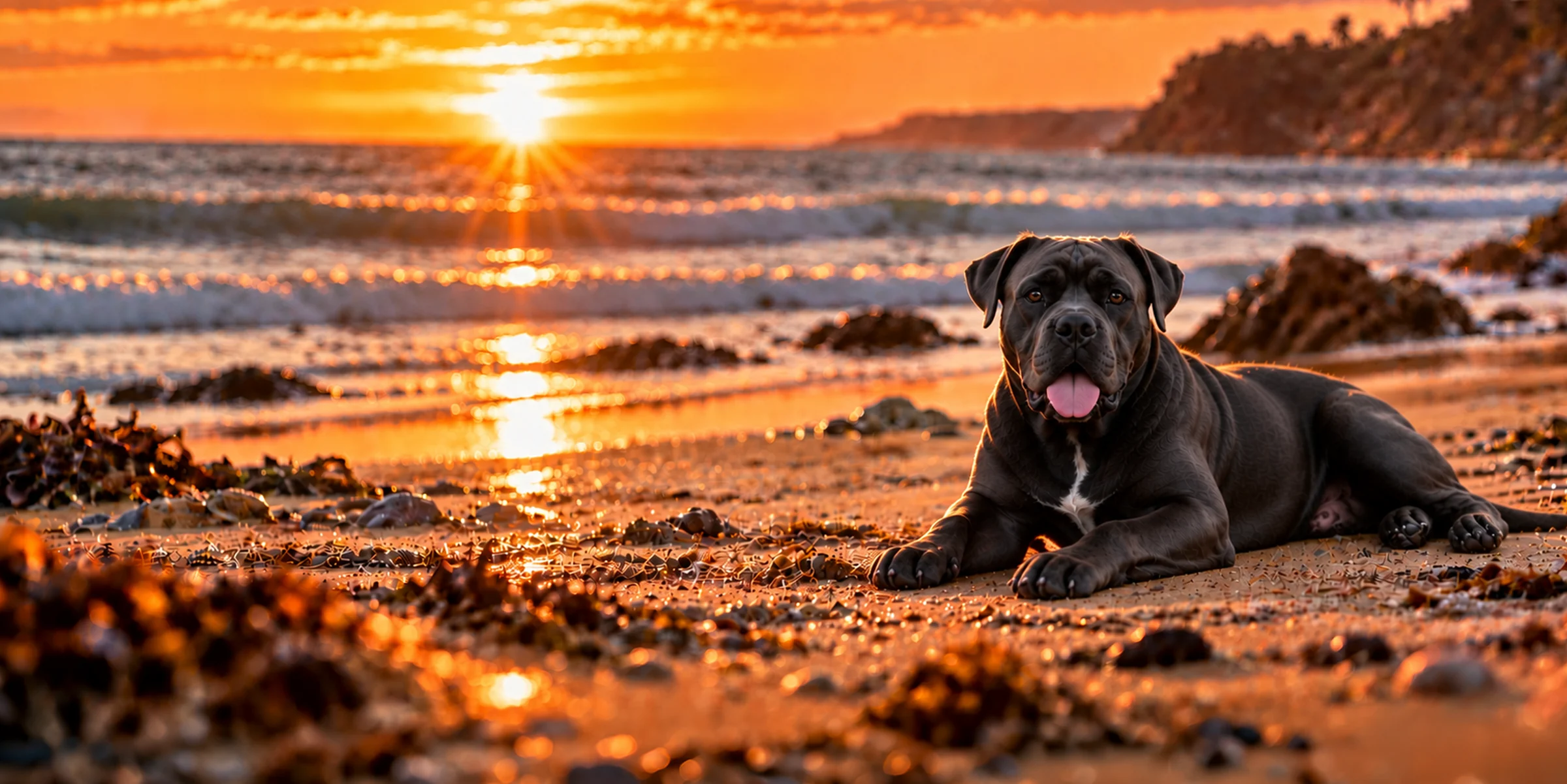
The other Italian mastiff and also a protective guardian. The Corso is leaner, far more athletic, drools much less and has little loose skin, but needs considerably more exercise and training work.
Dogue de Bordeaux
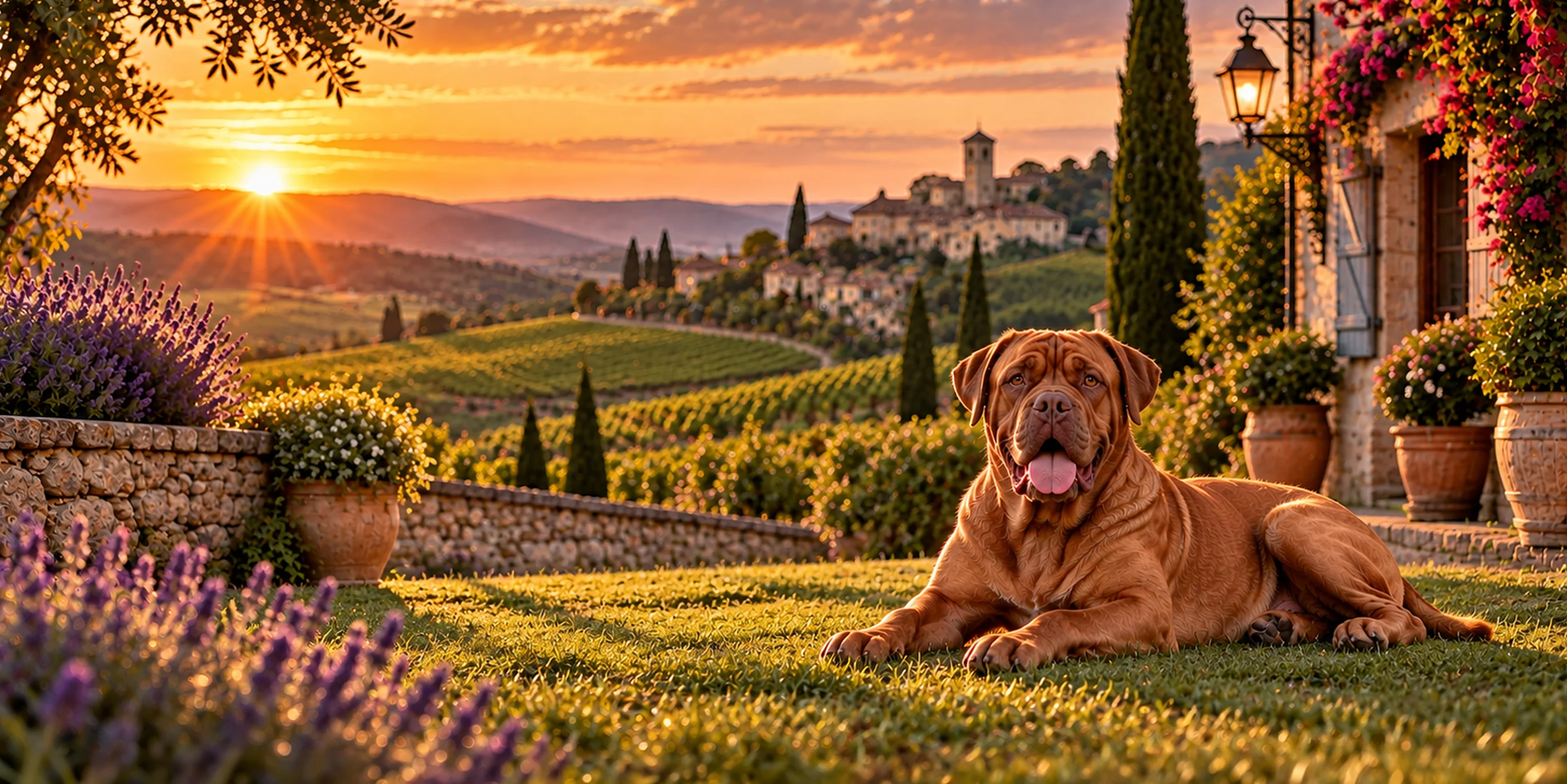
A wrinkled, heavy-headed, drooling guardian with a similarly short life. The Dogue is smaller and a single red-fawn color; the Neapolitan is larger, looser-skinned and comes in gray, black and mahogany.

Bullmastiff
A mastiff-type guardian with a similar calm, protective temperament. The Bullmastiff is smaller, tighter-skinned and easier to manage, with less drool and less skin-fold care.