

giant breed
Mastiff
Two thousand years of guardian dog in England stand behind them, and the modern Mastiff was rebuilt from a handful of survivors after the World Wars. What arrives is 120 to 230 pounds of quiet, dignified house dog who would like to lie against your legs all evening. The costs are structural rather than behavioral: drool on the walls, stairs and small rooms that stop working, and a body that overheats on a warm afternoon.

Pup Height
27.5-33 in

Pup Weight
120-230 lb
The standard sets minimum heights rather than a range: males at least 30 in at the shoulder, females at least 27.5 in, with most males 160-230 lb and females 120-170 lb. Fawn, apricot or brindle, always with a dark mask on the muzzle, ears and nose. A short, dense, straight outer coat over a close undercoat. Source: AKC breed standard.

Pup Lifespan
6-10 years
Your pup, at a glance
What’s Life With This Pup Really Like?

High. Mastiffs lean on their people, follow them from room to room and firmly believe they are lap dogs.

Very good. Gentle and patient with their own children, with the standing caveat that a giant dog can flatten a toddler by accident.

Good. Usually steady with dogs and cats raised alongside them, though same-sex tension between adult dogs can appear.

Low. Mastiffs rarely bark, and a deep warning bark means something is genuinely worth a look.

Low. A couple of unhurried walks and some play, then long hours asleep across the floor.

Moderate to heavy. A short coat, but a lot of dog - hair comes out steadily and more in the seasonal sheds.

Easygoing. Puppies are clumsy and playful; adults prefer a short game and a long nap.

Very high. Heavy flews and constant drool, especially after drinking, eating and in warm weather.

Moderate. Sensitive and willing to please, but deliberate and stubborn - short, reward-based sessions work best.

High. The size and natural protectiveness deter people, and the guarding is calm rather than noisy.

Low. A weekly brush, but daily face and fold wiping and regular nail care are part of the job.

Low. Size, heat sensitivity and drool make them a poor fit for small homes, hot climates and busy schedules.
Lifestyle fit
Could This Be Your Best Breed?
Mastiffs belong in a ground-floor house with a fenced yard, a big car and a patient owner who starts leash manners while the puppy can still be steered. Six to ten years is the usual span, and every one of those years runs $2,500 to $4,500 before anything goes wrong. If that budget and that short goodbye are not things you can sign up for, stop here.

Living Space
A house with ground-floor living, a fenced yard and a car big enough to carry a dog the weight of a grown man. Mastiffs are quiet and slow indoors, but stairs, small rooms and a coffee table at tail height all become problems at this size.

Pup Experience
Possible for a calm first-time owner who starts training on day one. The temperament is gentle; the challenge is that a stubborn adolescent can outweigh the person on the leash, so manners have to be solid while the puppy can still be steered.

Daily Pup Time
Two moderate walks totaling 30-60 minutes a day, a quick weekly brush, and a towel within reach at all times for the drool.

Allergies & Coat
The Mastiff scores 6/10 for shedding and 9/10 for drooling. No dog is truly hypoallergenic. The allergens come from dander and saliva, and a dog that sheds and drools this much will leave plenty of both behind - especially on your furniture, floors, and clothes.
Quirks & challenges
The Not-So-Easy Stuff

Drool
Heavy flews mean strings of saliva on walls, clothes and guests, worst after drinking and in warm weather. It does not train out.
Sheer Size
A puppy that grows past 150 pounds in under two years. Leash manners and no-jumping have to be reliable before that weight arrives.
Stubborn Streak
Mastiffs think before they comply and sometimes decide not to. A dog this size who lies down on a walk stays lying down.
Protective Instinct
Natural wariness of strangers needs steady socialization, so that guarding stays calm and considered rather than suspicious.
Short Lifespan
Six to ten years is typical. Joint, heart and cancer problems often arrive in middle age.
Heat Sensitivity
A big, heavy body that overheats easily. Summer exercise belongs at dawn and dusk, with shade and water close by.
The good, the bad & the hairy
Health, Care & Costs
Understanding the health risks and ongoing costs of a Mastiff helps you plan for a happy, healthy life together.

6-10 years
$60-$100
per groom (bath, nails, ears), every 8-12 weeks or done at home ($0-$450/year)
$2,500-$4,500/year
all-in (food, routine vet, grooming, insurance, incidentals)

Health Risks
Conditions this breed is prone to.

Loose joints that wear into arthritis, and surgery on a dog this heavy runs into the thousands. Both parents should have hip and elbow screening, and puppies need slow growth and limited forced exercise.
The stomach fills with gas and twists, cutting off circulation, and it kills within hours without emergency surgery. Deep-chested giants are at real risk - split meals, keep hard exercise away from feeding, and ask your vet about a preventive gastropexy.
An inherited defect in how the kidneys handle the amino acid cystine, causing bladder stones that can block the urethra, mostly in intact males. There is no reliable DNA test for the Mastiff form yet, so breeders screen with a urine test.
Entropion and ectropion (rolled-in or drooping eyelids) are common in the breed, along with persistent pupillary membranes. Dominant progressive retinal atrophy, which causes blindness, has a DNA test, and breeders should also do annual eye examinations.
Dilated cardiomyopathy and congenital defects such as pulmonic and subaortic stenosis occur. A cardiac examination on both parents, and echocardiograms for adults who show signs, catch problems early.
Osteosarcoma is a real risk in giant breeds and often shows first as lameness in a leg. It cannot be screened for; a limp that does not resolve in a week or two deserves an x-ray.

Insurance & Health Coverage
Insure young. Anesthesia, medication and surgery are all dosed by weight, so every claim on a Mastiff is larger than the same claim on an average dog, and joint and heart problems tend to show up in middle age - after which they become permanent exclusions.

Orthopedic surgery and bloat are the big claims to plan for. A cruciate repair or dysplasia surgery on a 200-pound dog runs well into the thousands, and bloat surgery is an emergency bill that arrives at night. Check that hip and elbow dysplasia are covered rather than excluded as hereditary, and read the per-condition caps rather than the premium.

Inherited conditions that are present before cover starts will not be covered, so health results on both parents are the first line of protection. Ask the breeder for hip, elbow, eye, heart and cystinuria paperwork before you commit.
 Get a Pet Insurance Quote
Care needs
The Daily Routine

Grooming
A short double coat that needs a brush once a week and more often during the seasonal sheds. The real routine is the face: wipe the folds and flews daily, clean the ears weekly, and keep the nails short, because long nails change how a heavy dog stands. Bathing is occasional but a two-person job.

Exercise
Two moderate walks a day, 30-60 minutes in total, plus gentle play - the breed has no interest in mileage and overheats quickly. Puppies need restraint rather than exercise: no forced running, jumping or stairs until the growth plates close at around 18-24 months.

Food & Weight
Large-breed puppy food and slow, controlled growth matter a great deal - a Mastiff pushed to grow fast is headed for joint problems. Adults do best lean, on two or three measured meals a day with exercise kept away from feeding because of the bloat risk. Extra weight on this frame shortens an already short life.
Similar breeds
If This Isn’t Quite the One
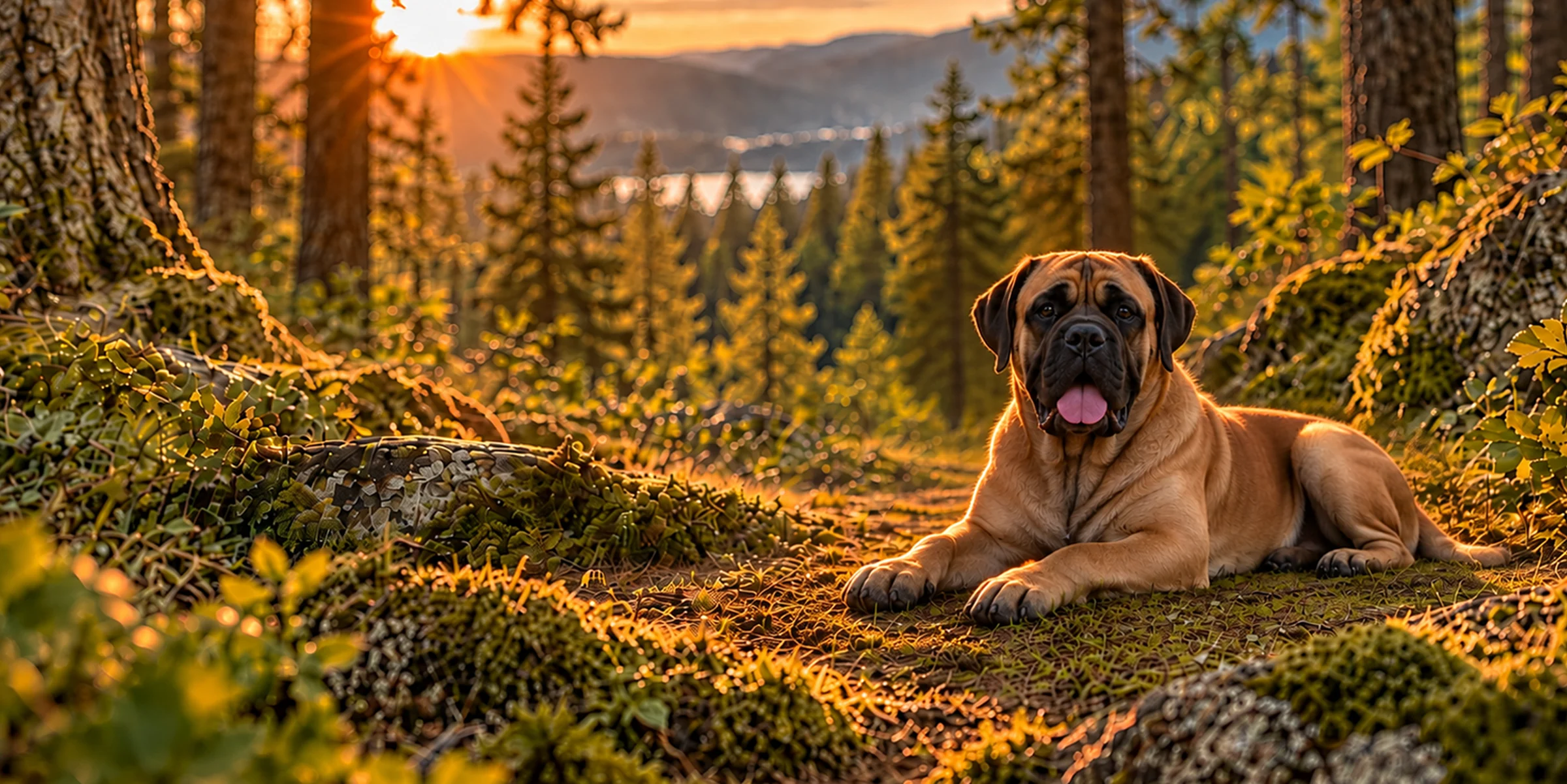
Bullmastiff
The Mastiff's own descendant, bred with the Bulldog to catch poachers. The Bullmastiff is smaller, quicker and takes guarding more seriously; the Mastiff is heavier, slower and more of a placid house guardian.
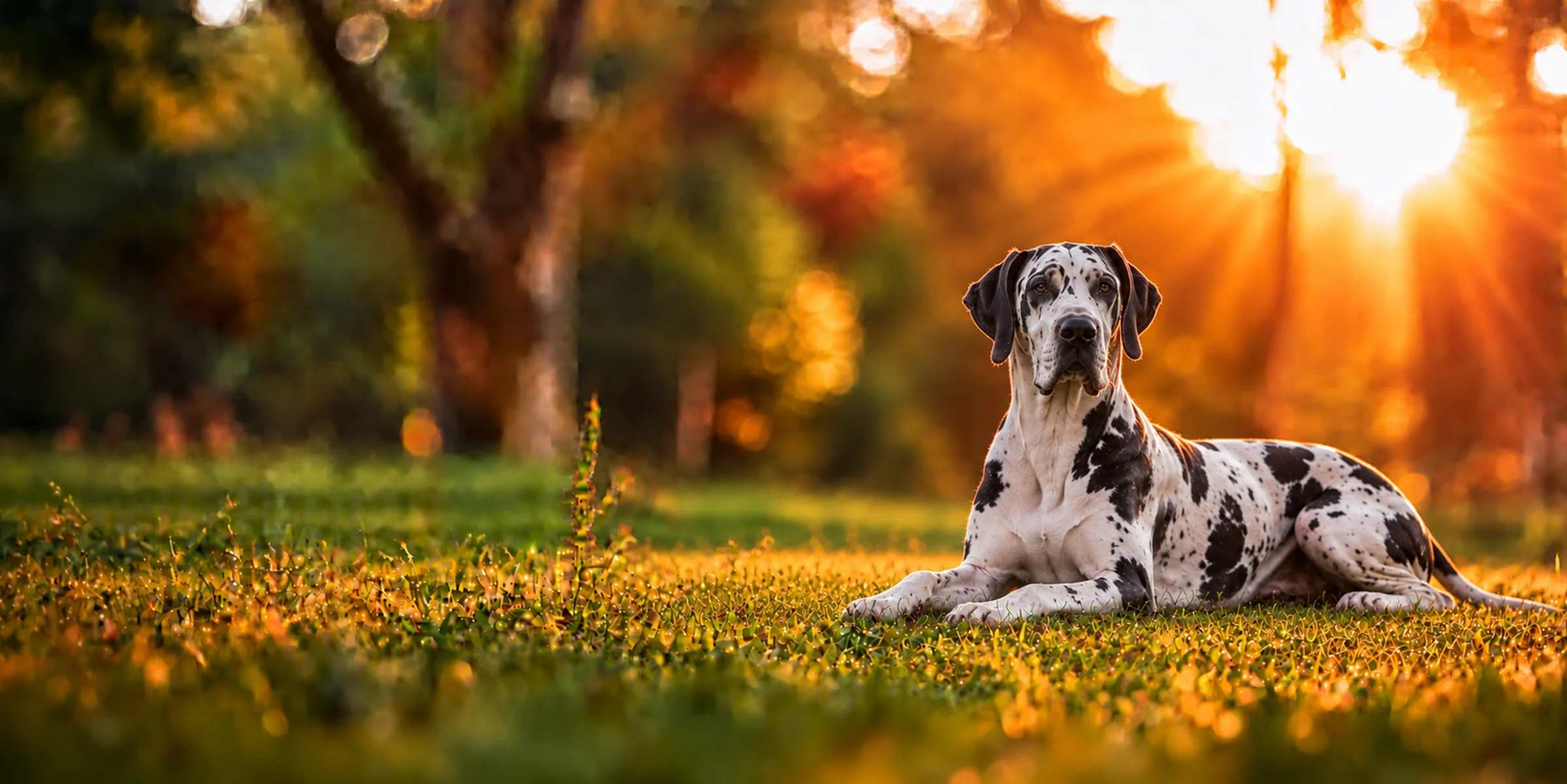
Great Dane
A comparable giant with the same short life and bloat risk. The Dane is taller, leaner, more athletic and far less drooly; the Mastiff is heavier, calmer and more naturally protective.
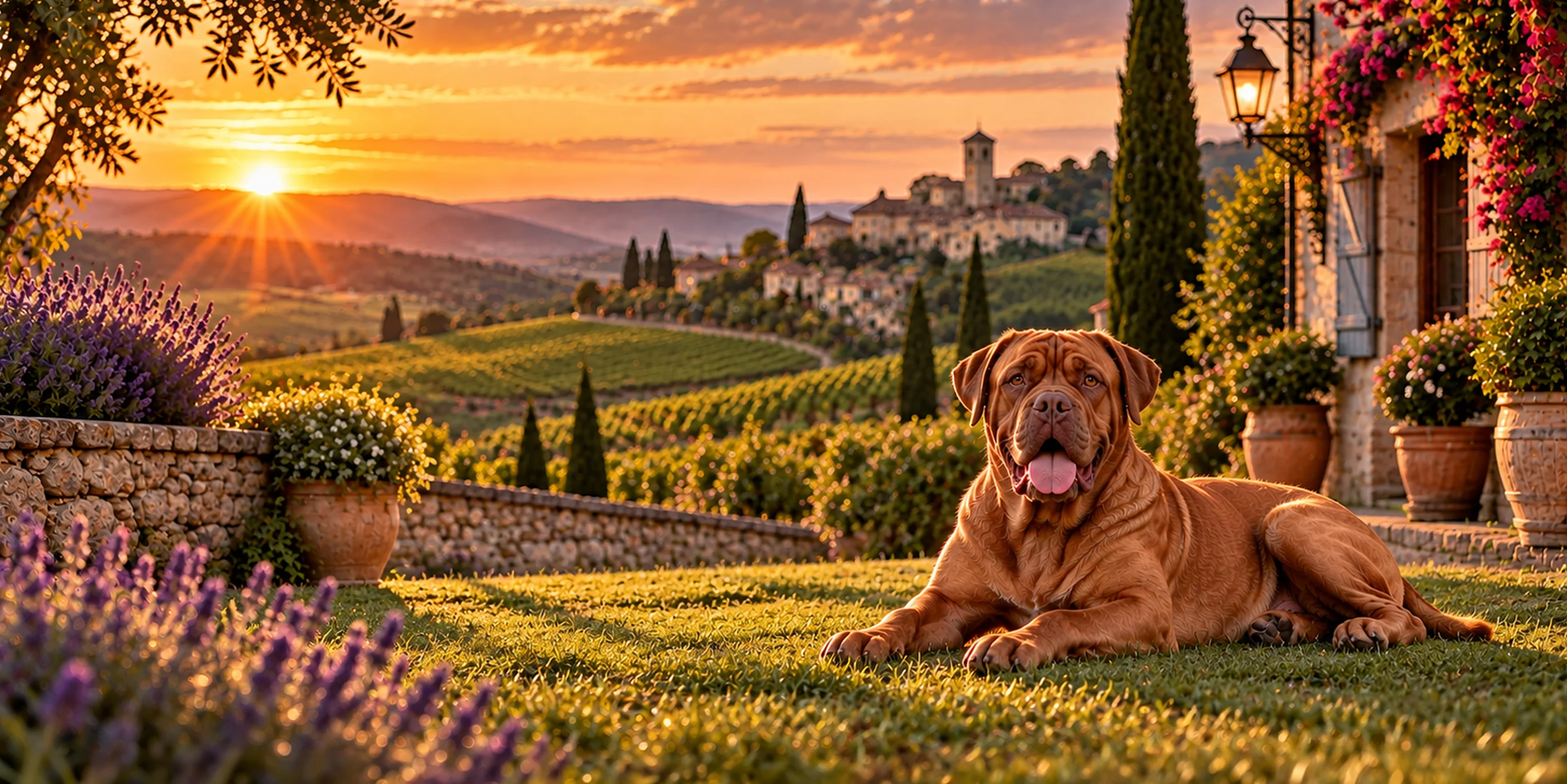
Dogue de Bordeaux
Another massive, drooling mastiff with a big heart and a short lifespan. The Dogue is shorter, more stubborn and can be less tolerant of other dogs; the Mastiff is larger and generally the more easygoing of the two.
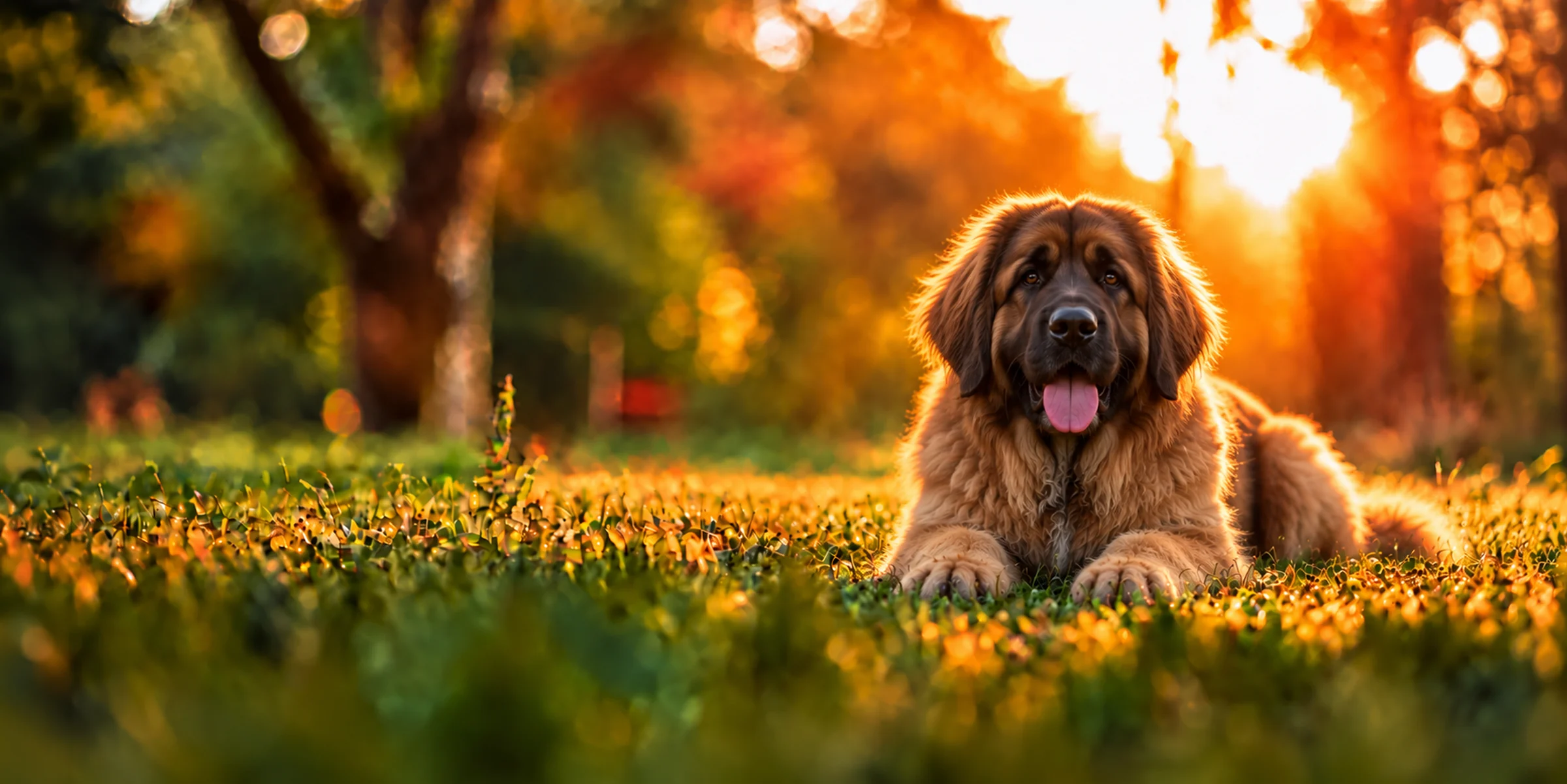
Leonberger
A gentle giant of similar weight for a family that wants a softer guardian. The Leonberger is more sociable, more trainable and less drooly, but sheds far more; the Mastiff has an easy coat and a stronger protective instinct.