

large-to-giant breed
Rafeiro do Alentejo
Portugal's big estate guardian from the Alentejo plains, where these dogs walked with the herds and then stayed on to watch the farms. Rafeiros run 77 to 132 pounds, are devoted to their own household and thoroughly unimpressed by anyone else. Two things decide whether the arrangement works: neighbors far enough away not to hear the night shift, and an owner who accepts that reliable health records for the breed barely exist outside Portugal.

Pup Height
25-29 in

Pup Weight
77-132 lb
Males 26-29 in and 99-132 lb, females 25-28 in and 77-110 lb. Black, wolf gray, fawn or yellow, solid or brindled, with white markings, or white with patches of those colors. A short to medium-length coat, thick, dense and straight. Registered by the UKC as the Alentejo Mastiff and in the AKC's Foundation Stock Service, which keeps records but does not grant full recognition. Source: FCI breed standard.

Pup Lifespan
12-14 years
Your pup, at a glance
What’s Life With This Pup Really Like?

Moderate. Affectionate with their own family in a quiet way - they settle nearby rather than climb into a lap.

Fair to good. Gentle and protective with children they live with, but the size and guarding instinct mean supervision, especially with visiting children.

Mixed. Good with livestock and pets raised alongside them, less tolerant of unfamiliar dogs, and same-sex tension can appear.

Very high. A deep bark used freely, especially at night, which is the guardian doing the job the breed was kept for.

Low to moderate. A steady daily walk, then long hours lying where they can watch the property.

Moderate to heavy. A dense coat that sheds year-round and more heavily twice a year.

Limited. Puppies play; adults are serious, unhurried dogs with little interest in fetch.

Moderate. Some drool around food and water, heavier in heat, well short of an English Mastiff.

Low. Intelligent but independent, and quick to lose interest in repetition.

The maximum. Territorial, vigilant at night, loud and big enough to back up the warning.

Low to moderate. A weekly brush on an easy coat, with extra work during the sheds.

Low. They need space, a secure boundary, distance from neighbors and an experienced owner.
Lifestyle fit
Could This Be Your Best Breed?
A Rafeiro do Alentejo belongs on rural land with a tall fence and a handler who has lived with a guardian breed before, not with a family hoping for a large, calm pet. Costs run $2,000 to $3,500 a year across twelve to fourteen years. In a suburb, with neighbors close enough to hear a guardian working through the night, this ends in complaints and a rehomed dog.

Living Space
Rural land with a tall, solid fence, and neighbors far enough away not to hear the night shift. A Rafeiro do Alentejo patrols a boundary and barks at whatever crosses it after dark, which rules out apartments, suburbs and most shared walls.

Pup Experience
Experienced owners only, ideally people who have lived with a livestock guardian before. The breed is calm and loyal, but independent by design, and a giant dog who makes their own decisions about visitors needs a handler who works with that instinct rather than against it.

Daily Pup Time
Forty-five minutes to an hour of steady walking or time patrolling a secure property, plus ongoing socialization through the first two or three years. Grooming is light for the size - a weekly brush, more in shedding season.

Allergies & Coat
The Rafeiro do Alentejo scores 6/10 for shedding and 5/10 for drooling. No dog is truly hypoallergenic. The allergens come from dander and saliva, and a dog that sheds this much will leave plenty of hair behind - especially on your furniture, floors, and clothes.
Quirks & challenges
The Not-So-Easy Stuff

Night Watch Barking
Most alert after dark and quick to announce every sound. Neighbors notice, and it is hard to train away.
Independent Thinker
Bred to decide alone, so commands are considered rather than obeyed. Recall off-leash is unreliable.
Territorial With Strangers
Visitors are sized up, not welcomed. Guests need introductions and the dog needs a secure place away from the door.
Giant Size
Males can top 130 pounds. Leash manners have to be in place long before the dog outweighs the handler.
Slow to Mature
Two to three years to settle, with a full-size body and a teenage attitude well before that.
Rare and Hard to Find
Few breeders outside Portugal and little published health data, so research takes real effort.
The good, the bad & the hairy
Health, Care & Costs
Understanding the health risks and ongoing costs of a Rafeiro do Alentejo helps you plan for a happy, healthy life together.

12-14 years
$60-$100
per groom (bath, de-shed, nails, ears), every 8-12 weeks or done at home ($0-$500/year)
$2,000-$3,500/year
all-in (food, routine vet, grooming, insurance, incidentals)

Health Risks
Conditions this breed is prone to.

The hip joint develops loosely and wears into arthritis, sometimes needing surgery that runs into the thousands on a dog this heavy. It is the condition most often reported in the breed. Ask for hip scores on both parents, since there is no DNA test.
Uneven growth in the elbow causes lameness and early arthritis in the front legs. It is common across giant breeds, and elbow scoring alongside hips is a sensible request of any breeder.
The stomach fills with gas and twists, cutting off circulation, and it kills within hours without emergency surgery. Deep-chested giants are at real risk - split meals, keep hard exercise away from feeding, and ask your vet about a preventive gastropexy.
Fast-growing giant puppies are prone to painful bone and cartilage conditions such as panosteitis and osteochondrosis. Slow growth on large-breed puppy food and limited forced exercise lower the risk.
Osteosarcoma is more common in giant breeds as a group and usually shows as lameness or swelling in a leg. There is no screening test, so any persistent limp in an older dog deserves an X-ray.
A low-energy guardian is easy to overfeed, and extra weight on big joints speeds up arthritis. Keeping a Rafeiro lean is one of the most useful things an owner can do.

Insurance & Health Coverage
Check liability first. Some home insurers and many landlords restrict large guardian breeds, and an underwriter may class a Rafeiro do Alentejo by type even when the breed name is not on a list. Get the answer in writing before the puppy comes home.

On health, the breed has little published data, which cuts both ways: no known breed-specific genetic diseases, but no DNA tests to screen for either. Plan around the giant-breed risks - hip and elbow surgery, bloat surgery at any hour, and medication and anesthesia dosed by weight.

Insure young, before a limp or a joint note on the record turns into a permanent exclusion.
 Get a Pet Insurance Quote
Care needs
The Daily Routine

Grooming
A short to medium-length, dense coat that needs a good brush once a week and more often during the seasonal sheds, when an undercoat rake or deshedding tool saves a lot of hair on the floor. Bathe only when needed, trim nails regularly, and check the ears. The coat is easy for a giant breed; the size of the dog is what makes grooming a job.

Exercise
Forty-five minutes to an hour of steady walking a day, or time patrolling a securely fenced property. Rafeiros are not joggers or dog-park dogs. Puppies need restraint: no forced running, jumping or long hikes until the growth plates close at around 18-24 months.

Food & Weight
Large-breed puppy food and slow, steady growth protect developing joints. Adults do best lean, on two or three measured meals a day rather than one big one, with exercise kept away from feeding because of the bloat risk.
Similar breeds
If This Isn’t Quite the One
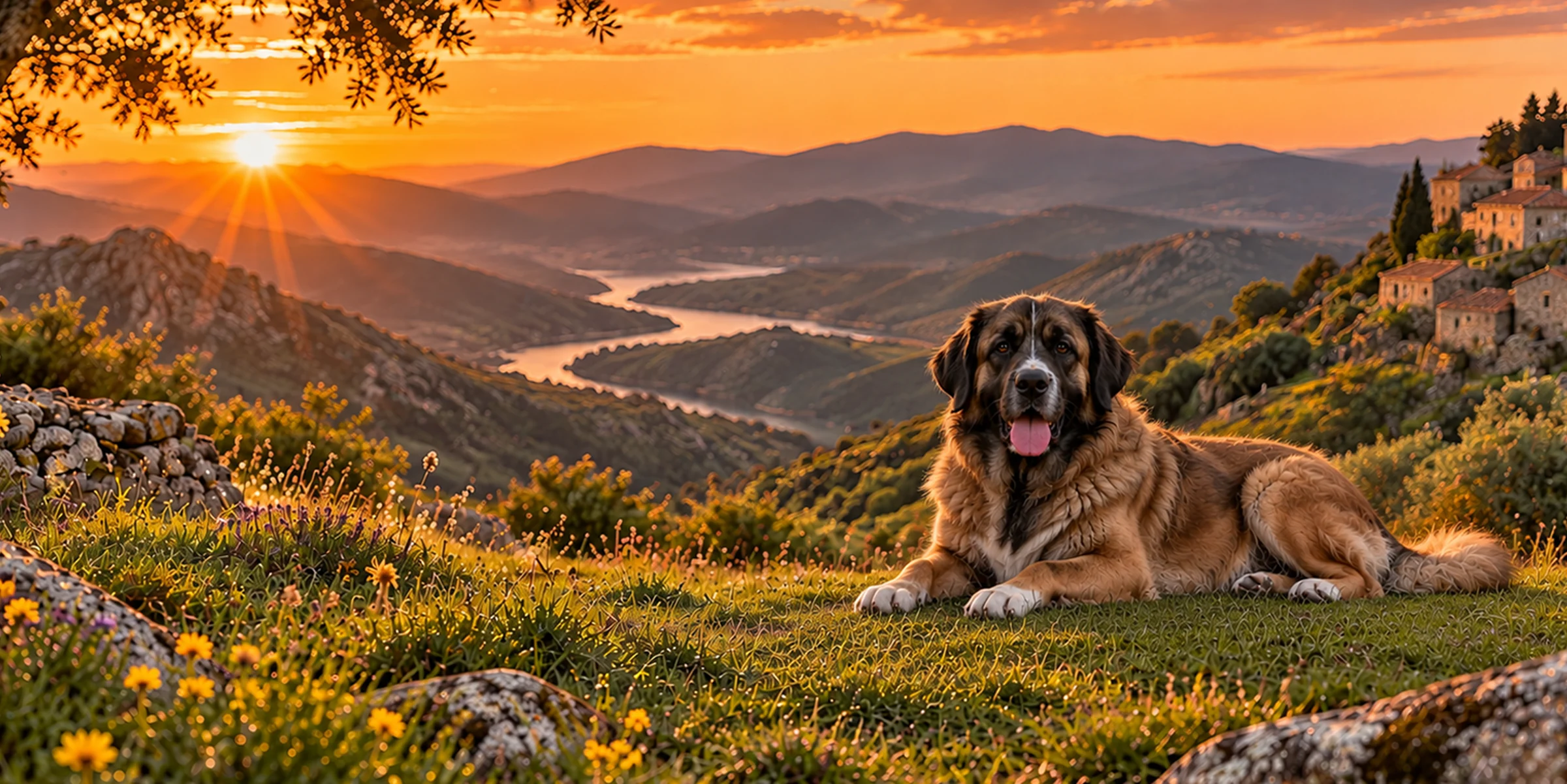
Estrela Mountain Dog
Portugal's other giant flock guardian, with the same watchful, independent temperament. The Estrela has a heavier coat and more grooming; the Rafeiro is a little calmer by day and even more of a night watchman.
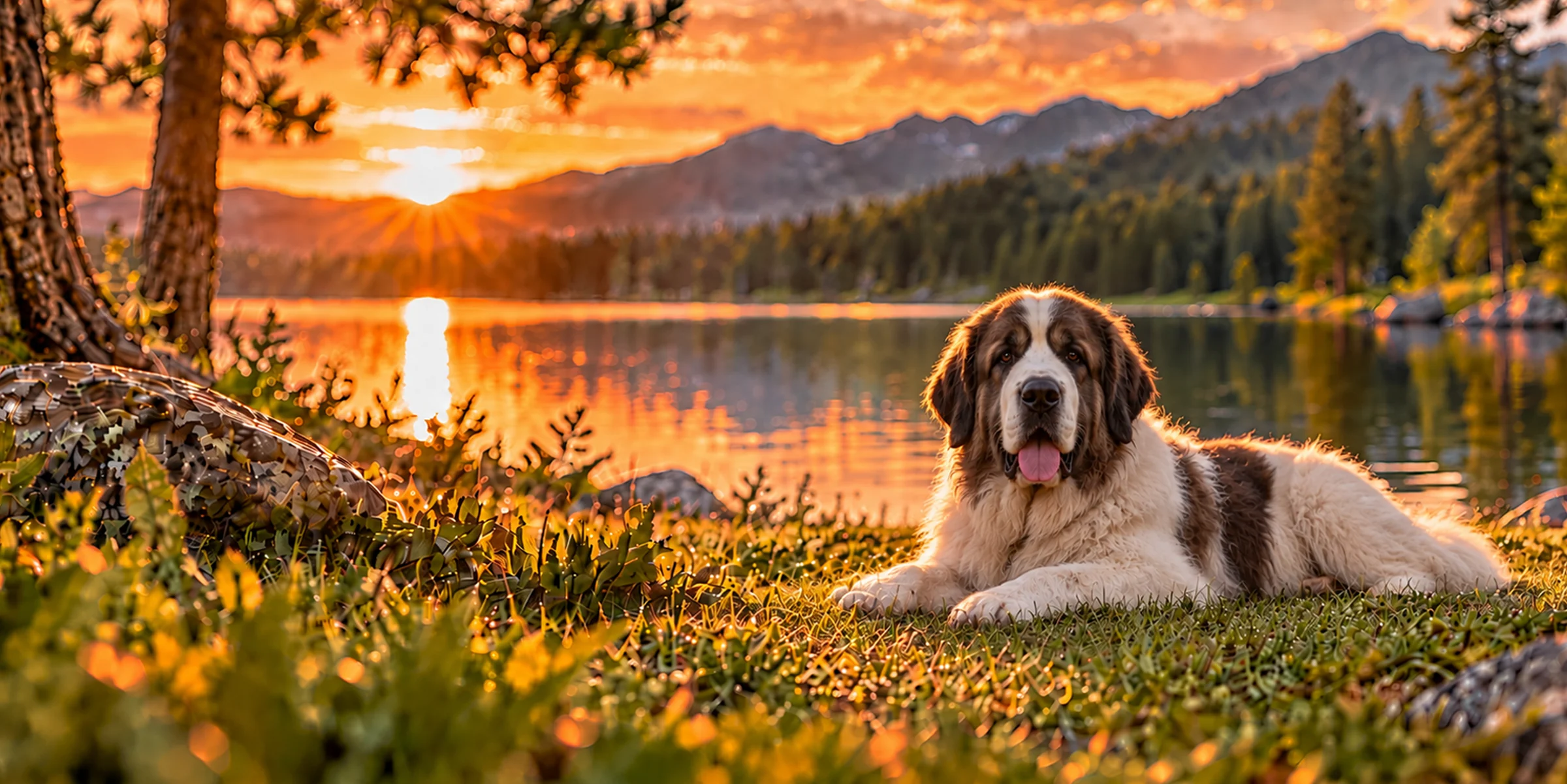
Pyrenean Mastiff
Another Iberian mastiff-type livestock guardian of similar size. The Pyrenean Mastiff tends to be more easygoing with people and drools more; the Rafeiro is more territorial and more vocal.
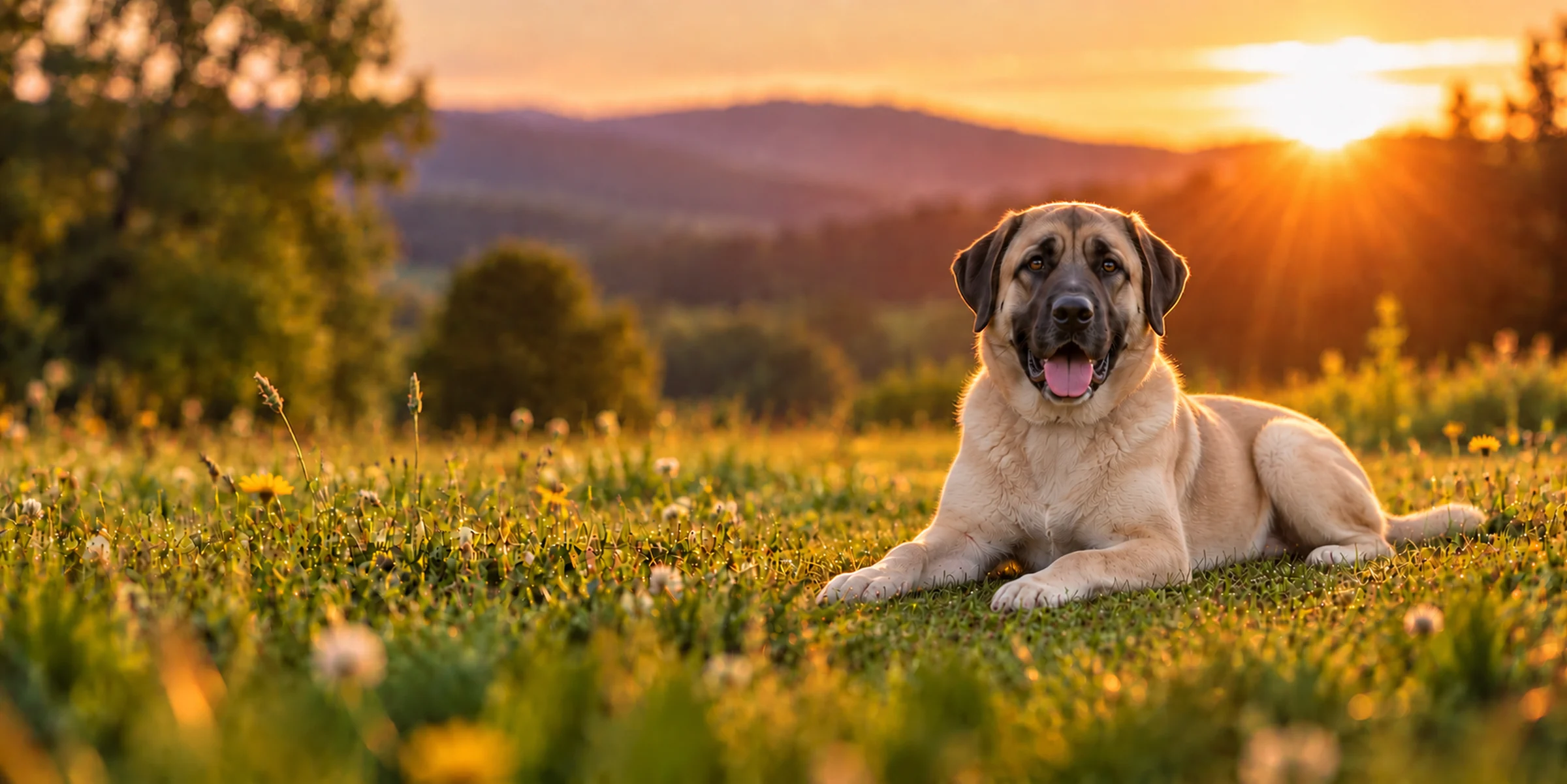
Anatolian Shepherd Dog
A flock guardian with the same independence and short, easy coat. The Anatolian is leaner, faster and more athletic; the Rafeiro is heavier, slower-moving and more of an estate guard.