

giant breed
Pyrenean Mastiff
A Spanish flock guardian built on mastiff lines - heavier, looser-skinned and far wetter around the mouth than the Great Pyrenees they are so often mistaken for. Pyrenean Mastiffs are calm indoors, unhurried, good-natured with children and easy with other animals, and they weigh 120 to 190 pounds while doing it. The drool, the shedding and the three years it takes to finish growing are the daily reality.

Pup Height
28-31 in

Pup Weight
120-190 lb
Males 30-31 in, females 28-30 in, and 120-190 lb; the FCI standard sets minimum heights rather than a range and gives no weight. The base color is always white, with a clearly defined mask and patches in the same color - black, gold, brown, gray, silver, beige, sand or marbled - and the ears are colored. Tricolor, solid white and poorly defined patches are undesirable. A thick, dense, moderately long double coat, longer on the neck, belly, legs and tail. In the AKC's Miscellaneous Class with a Working Group designation, and fully recognized by the FCI. Source: AKC breed standard.

Pup Lifespan
10-12 years
Your pup, at a glance
What’s Life With This Pup Really Like?

Fairly high. Affectionate and loyal with their own people in a quiet, unhurried way, and happy to lean their considerable weight against a leg.

Very good. Gentle and patient with children they live with, though a dog this size can flatten a toddler by accident, so supervision still applies.

Very good. A low prey drive and a guardian's instinct to protect the animals they live with; unfamiliar dogs on their territory are another matter.

Moderate. A deep warning bark when something is wrong, mostly at night, but not the nonstop barking of some flock guardians.

Low. An hour of steady walking suits them, and the rest of the day is spent lying where they can see everything.

Heavy. A dense double coat that sheds steadily and much more heavily at the seasonal changes.

Limited. Puppies are clumsy and playful; adults are dignified and would rather keep watch than chase a ball.

High. Loose lips and a mastiff mouth mean strings of drool after water and meals.

Low to moderate. Intelligent and willing with a trusted handler, but bred to make their own decisions and in no hurry to follow anyone else's.

Very high. Imposing, alert and protective, though calm and discerning rather than quick to react.

Moderate to high. Twice-weekly deep brushing, daily in shedding season, plus ears, drool and a coat that must dry properly.

Low. They need space, a secure fence, cool weather and patient owners, and they do poorly without them.
Lifestyle fit
Could This Be Your Best Breed?
A Pyrenean Mastiff needs land, a tall fence and an owner who has handled a giant guardian breed before - this is a dog who makes decisions, calmly, without asking. Expect $2,500 to $4,500 a year, grooming on top of that, and ten to twelve years at most. If that yearly figure is not something the household can carry for a decade, stop here.

Living Space
A house on land with a tall, solid fence. Pyrenean Mastiffs are calm indoors, but a dog this size needs floor space, and a guardian needs a boundary to patrol - an apartment or a small city yard is the wrong home.

Pup Experience
Experienced owners, ideally with giant breeds or livestock guardians. Pyrenean Mastiffs are gentle and steady rather than difficult, but they think for themselves, and everything they learn has to be in place before the dog outweighs the handler.

Daily Pup Time
About an hour of unhurried walking a day, a couple of thorough brushings a week, and a towel within reach for the drool.

Allergies & Coat
The Pyrenean Mastiff scores 8/10 for shedding and 8/10 for drooling. No dog is truly hypoallergenic. The allergens come from dander and saliva, and a dog that sheds and drools this much will leave plenty of both behind - especially on your furniture, floors, and clothes.
Quirks & challenges
The Not-So-Easy Stuff

Giant Size, Slow to Mature
Full-size well before they are mentally grown up. A two-year-old Pyrenean Mastiff can be 150 pounds of teenager.
Serious Drool
A true mastiff mouth with loose lips. Strings of slobber after drinking and eating, and on anyone nearby.
Independent Guardian
Bred to decide for themselves. They weigh requests, and recall off-leash is not something to rely on.
Protective at Night
They patrol and bark at what they hear after dark. Close neighbors will notice.
Needs a Real Fence
A guardian widens their territory when allowed. Tall, solid fencing is a requirement, not an extra.
Hard to Find
Rare outside Spain, with few breeders in North America and waiting lists for puppies.
The good, the bad & the hairy
Health, Care & Costs
Understanding the health risks and ongoing costs of a Pyrenean Mastiff helps you plan for a happy, healthy life together.

10-12 years
$90-$150
per groom (bath, blow-out, de-shed, nails, ears), every 8-10 weeks or done at home ($0-$900/year)
$2,500-$4,500/year
all-in (food, routine vet, grooming, insurance, incidentals)

Health Risks
Conditions this breed is prone to.

The joints develop loosely and wear into arthritis, sometimes needing surgery that sits at the top of the orthopedic cost range on a dog this heavy. The parent club asks breeders to screen hips and elbows, and slow, controlled puppy growth matters.
The stomach fills with gas and twists, cutting off its own circulation, and it kills within hours without emergency surgery. Deep-chested giants are the highest-risk group - split meals, keep exercise clear of them, and ask about a preventive gastropexy.
Osteosarcoma is a known risk across giant breeds, usually in a limb and usually in middle age. Any lameness or leg swelling that does not settle deserves prompt investigation.
Loose facial skin can turn the eyelids inward (entropion), where lashes rub the eye, or let them droop outward (ectropion), exposing the eye to irritation. Both are corrected surgically when they cause trouble.
A progressive, painless weakening of the hind legs in older dogs. The parent club recommends DNA testing for the risk gene, so ask for results on both parents.
Like many giant breeds, Pyrenean Mastiffs can develop heart problems as they age, and the AKC lists a cardiac exam among the recommended screenings. Report tiring, coughing or fainting to a vet.

Insurance & Health Coverage
Insure early and expect giant-breed premiums. Anesthesia, medication and surgery are all dosed by weight, so every bill on a 150-pound dog runs higher than the same treatment on a Labrador.

The likeliest large claims are joint surgery, bloat and bone cancer. Bloat is a several-thousand-dollar emergency on whatever night it happens, and joint problems often show in the first two years - a policy started after the first limp will exclude them.

Check the liability side as well. Insurers and landlords sometimes classify dogs by size and guarding function rather than breed name, so get their position in writing.
Grooming and the sheer volume of food are recurring costs no policy touches.
 Get a Pet Insurance Quote
Care needs
The Daily Routine

Grooming
A dense, moderately long double coat that needs a thorough brush down to the skin twice a week, and daily work with an undercoat rake during the seasonal sheds. Make sure the undercoat dries fully after rain or a bath - damp coat in humid weather leads to hot spots quickly. Check and clean the drop ears weekly, wipe the lips and chin after meals, and never shave the coat.

Exercise
About an hour of steady walking a day, on leash or inside a secure fence. Pyrenean Mastiffs are not athletes and conserve their energy; puppies need restraint rather than mileage, with no forced running, jumping or long hikes until growth finishes at around two years.

Food & Weight
Giant-breed puppy food and slow, steady growth - a puppy pushed to grow fast is a puppy headed for joint trouble. Adults do best lean, on two or three measured meals a day with exercise kept away from feeding because of the bloat risk.
Similar breeds
If This Isn’t Quite the One
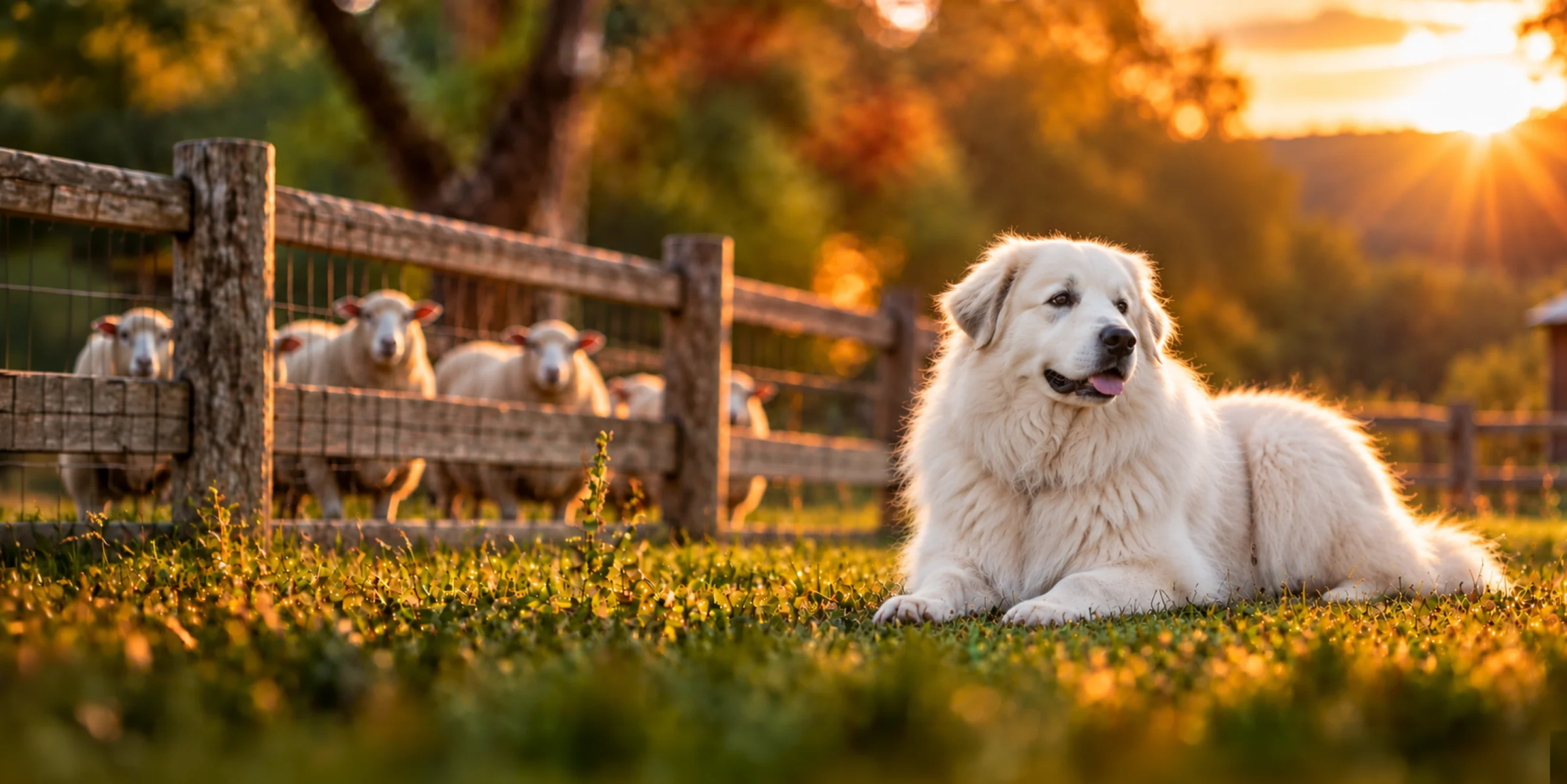
Great Pyrenees
The breed people most often mix up with this one - the name is similar and both guard flocks in the same mountains. The Great Pyrenees comes from the French side, is lighter, mostly white and much less drooly; the Pyrenean Mastiff is the Spanish mastiff type, heavier, with a colored mask and patches, and usually barks less.
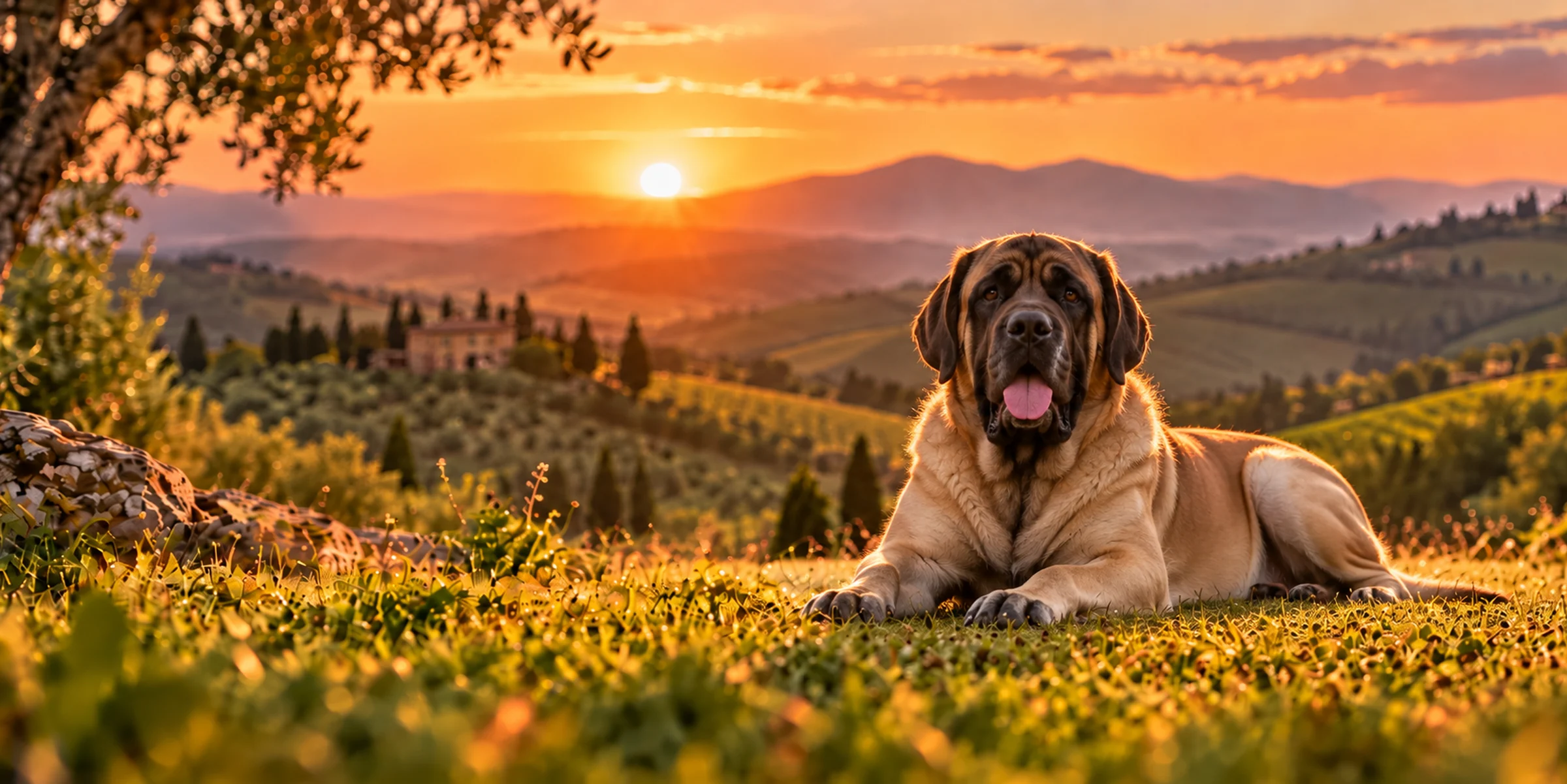
Mastiff
A similar giant, drooling mastiff build. The Mastiff is a short-coated companion and estate guard with little independence; the Pyrenean Mastiff is a working flock guardian with a heavy coat and a far more self-directed mind.
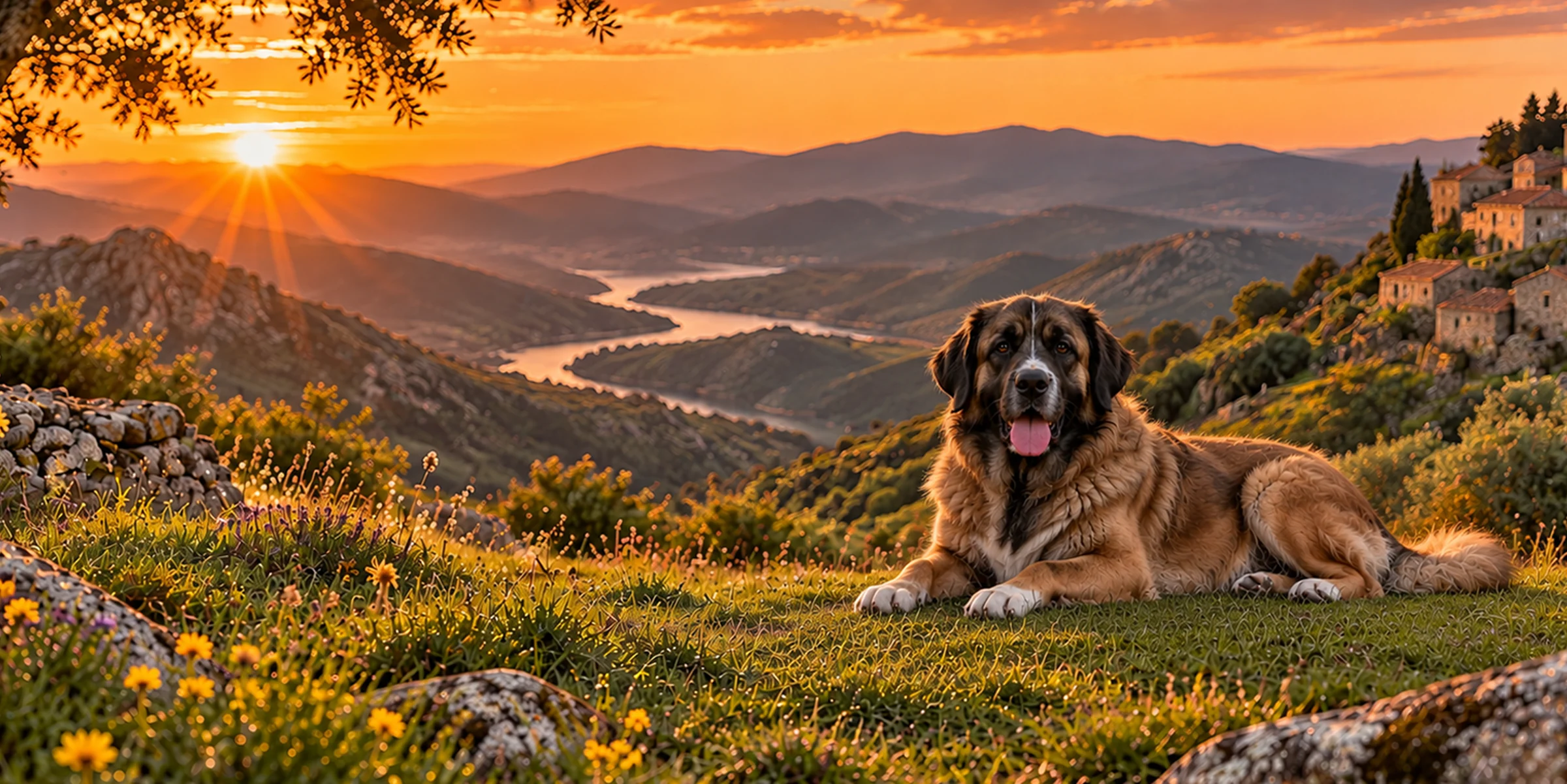
Estrela Mountain Dog
Another Iberian mountain flock guardian with a thick coat and the same watchful independence. The Estrela is lighter, quicker and more reactive with strangers; the Pyrenean Mastiff is bigger, calmer and slower to escalate.
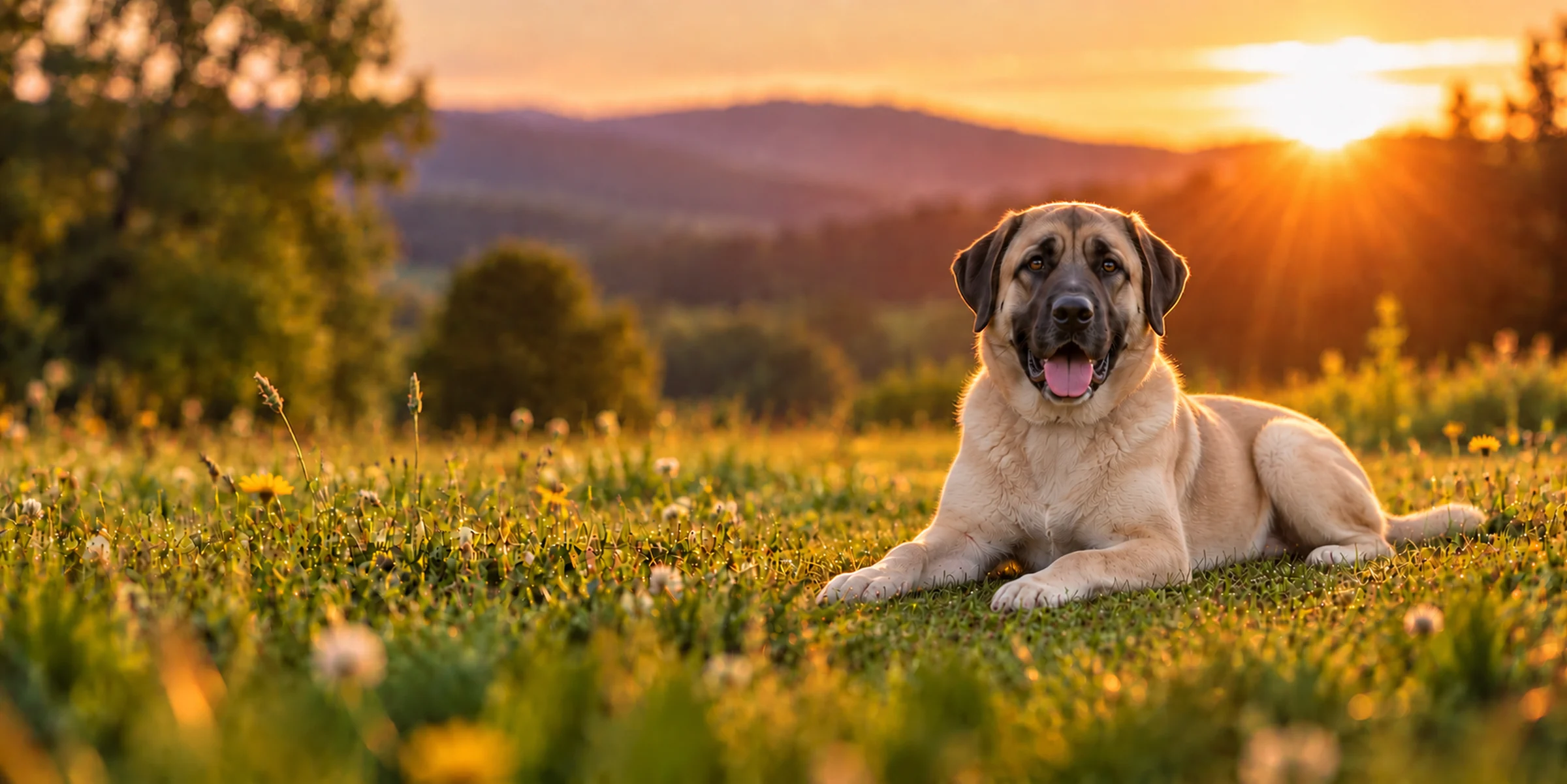
Anatolian Shepherd Dog
A livestock guardian with the same job and judgment. The Anatolian is short-coated, more athletic and harder-edged with strangers and other dogs; the Pyrenean Mastiff is heavier, mellower and more tolerant, at the cost of drool and a coat to brush.
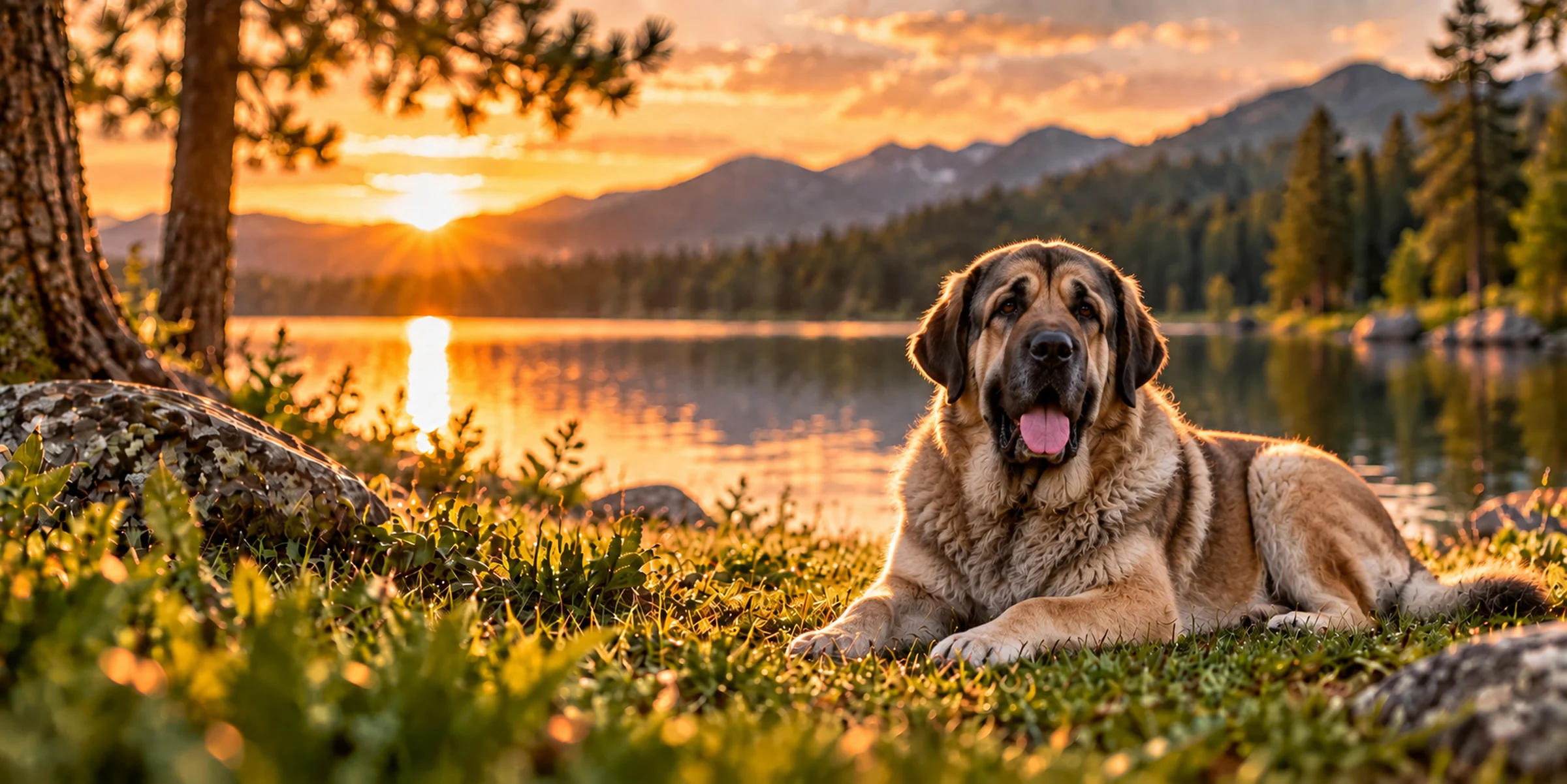
Spanish Mastiff
The heavier Spanish guardian from the same transhumance routes, at 140-200 lb. Spanish Mastiffs are more ponderous, drool considerably more, and bark through the night as the job rather than as a habit.