

medium-to-large breed
Samoyed
Kept by the Nenets people of Siberia to herd reindeer, pull sleds and sleep beside the family for warmth, which explains both the coat and the sociability. Samoyeds are cheerful, gentle, wonderful with children and permanently in the middle of whatever is happening. The coat sheds on an industrial scale and wants brushing several times a week, the talking never really stops, and hot weather is genuinely hard on them.

Pup Height
19-23.5 in

Pup Weight
35-65 lb
Males 21-23.5 in, females 19-21 in. The standard sets heights and asks only that weight be in proportion; the AKC's typical figures are 45-65 lb for males and 35-50 lb for females. Pure white, white and biscuit, cream, or all biscuit, in a heavy, weather-resistant double coat of harsh outer hair over a soft, thick undercoat, with a ruff that is fuller on males. Recognized by the AKC in 1906. Source: AKC breed standard.

Pup Lifespan
12-14 years
Your pup, at a glance
What’s Life With This Pup Really Like?

High. Samoyeds want to be with their people and were bred to sleep beside them.

Excellent. Gentle, playful and patient, though an exuberant young Samoyed can knock over a small child.

Good. Usually friendly with other dogs, but the herding and chasing instinct can target cats and small animals.

High. Samoyeds bark, howl and talk, and a lonely one does it for hours.

High. A working dog that needs real daily exercise and something to do.

Very heavy. A dense double coat that sheds constantly and blows out once or twice a year.

Joyful and mischievous. Samoyeds love games, running and chasing, and they keep a playful streak well into adulthood.

Minimal. A dry mouth and a clean face.

Moderate. Clever and people-oriented, but independent and easily bored by repetition.

Low. Samoyeds will bark to announce a visitor and then greet them warmly.

High. Several thorough brushings a week, daily raking during the blows, and baths that take real effort.

Low to moderate. The heat intolerance, the barking and the shedding make them a poor fit for hot climates and shared walls.
Lifestyle fit
Could This Be Your Best Breed?
A Samoyed wants an active family, a fenced yard, a cool climate, and roughly $2,000 to $3,500 a year, as much as $900 of it grooming alone. They will greet a burglar like a long-lost friend, so nobody should choose one for security. Skip this one if the house needs to stay quiet or the floors need to stay clean.

Living Space
A house with a securely fenced yard suits a Samoyed best. Apartment life is possible with a lot of daily exercise, but the barking carries through walls, the hair gets everywhere and a bored Samoyed will dig, chew and complain about it.

Pup Experience
Workable for a first-time owner who is ready for the grooming and patient with training. Samoyeds are friendly and clever, but they were bred to think for themselves in harness, and they do not obey just because they were asked.

Daily Pup Time
An hour or more of exercise a day, plus brushing several times a week and daily raking during the coat blows, when a single dog can fill a trash bag with undercoat.

Allergies & Coat
The Samoyed scores 9/10 for shedding and 1/10 for drooling. No dog is truly hypoallergenic. The allergens come from dander and saliva, and a dog that sheds this much will leave plenty of hair behind - especially on your furniture, floors, and clothes.
Quirks & challenges
The Not-So-Easy Stuff

Heavy Shedding
A dense double coat that sheds all year and blows out once or twice a year. White hair shows on everything.
Grooming Commitment
Brushing several times a week, down to the skin. A neglected coat mats close to the body and traps heat and moisture.
Vocal
Samoyeds bark, howl and 'talk' to their owners. Neighbors notice, especially when the dog is left alone.
Heat Intolerance
An Arctic coat on an active dog. Summer exercise belongs in the early morning and evening, with shade and water always available.
Independent Streak
Bred to work at a distance and make decisions. Recall is unreliable, so off-leash time belongs in fenced areas.
Not a Guard Dog
Samoyeds will bark at a visitor and then welcome them in. Choose a different breed if protection matters.
The good, the bad & the hairy
Health, Care & Costs
Understanding the health risks and ongoing costs of a Samoyed helps you plan for a happy, healthy life together.

12-14 years
$80-$140
per groom (bath, blow-out, de-shed, nails, ears), every 6-8 weeks or done at home ($0-$900/year)
$2,000-$3,500/year
all-in (food, routine vet, grooming, insurance, incidentals)

Health Risks
Conditions this breed is prone to.

The hip joint forms loosely and wears into arthritis, sometimes needing surgery. Both parents should have OFA or PennHIP hip evaluations, which the breed club includes in its recommended testing.
An X-linked inherited kidney disease caused by a known COL4A5 mutation. Affected males usually develop kidney failure young, while carrier females are milder. A DNA test for the mutation is offered by some laboratories, and a breeder whose lines have a history of it should test.
An inherited degeneration of the retina that leads to blindness, more severe in males. A DNA test (XLPRA1) is part of the breed club's CHIC requirements, so both parents should have results.
A recessive condition causing short front legs and eye defects, including retinal detachment and cataracts, in affected dogs. Carriers can show mild retinal folds. A DNA test exists and is also a CHIC requirement.
Samoyeds are among the breeds at higher risk. Watch for increased thirst and urination; treatment means twice-daily insulin and consistent meals for life. There is no screening test, but keeping the dog lean helps.
An underactive thyroid causes weight gain, coat loss and low energy, and a daily tablet manages it. Glaucoma and cataracts also occur in the breed, so annual eye examinations are worth keeping up.

Insurance & Health Coverage
Insure young. Diabetes, hypothyroidism and eye disease tend to appear in middle age, and once any of them is noted on the record it becomes a pre-existing condition that no new policy will cover.

Diabetes is the claim to plan for. Insulin, monitoring and regular blood work add up to a steady monthly cost for the rest of the dog's life, so a policy that covers chronic conditions year after year matters more than a low premium.

The inherited diseases are a different matter. Kidney disease, XLPRA and OSD2 are congenital, and DNA results on both parents are the real protection. Ask the breeder for the paperwork before you commit.
 Get a Pet Insurance Quote
Care needs
The Daily Routine

Grooming
A thick double coat that needs a thorough brush down to the skin several times a week, and daily work with an undercoat rake through the seasonal blows. Baths are occasional but a real job, and the coat must be dried completely to avoid hot spots. Trim nails and the hair between the pads regularly, and never shave the coat - it insulates against heat as well as cold.

Exercise
An hour or more a day of brisk walks, hiking, play and ideally some pulling or herding work. Exercise in the cool parts of the day in summer and watch closely for overheating. Always on leash or in a fenced area.

Food & Weight
A quality diet measured to the dog's activity level, since extra weight raises the diabetes risk and strains the hips. The coat hides a gain well, so feel for the ribs rather than trusting your eyes. Large-breed puppy food and steady growth help protect developing joints.
Similar breeds
If This Isn’t Quite the One
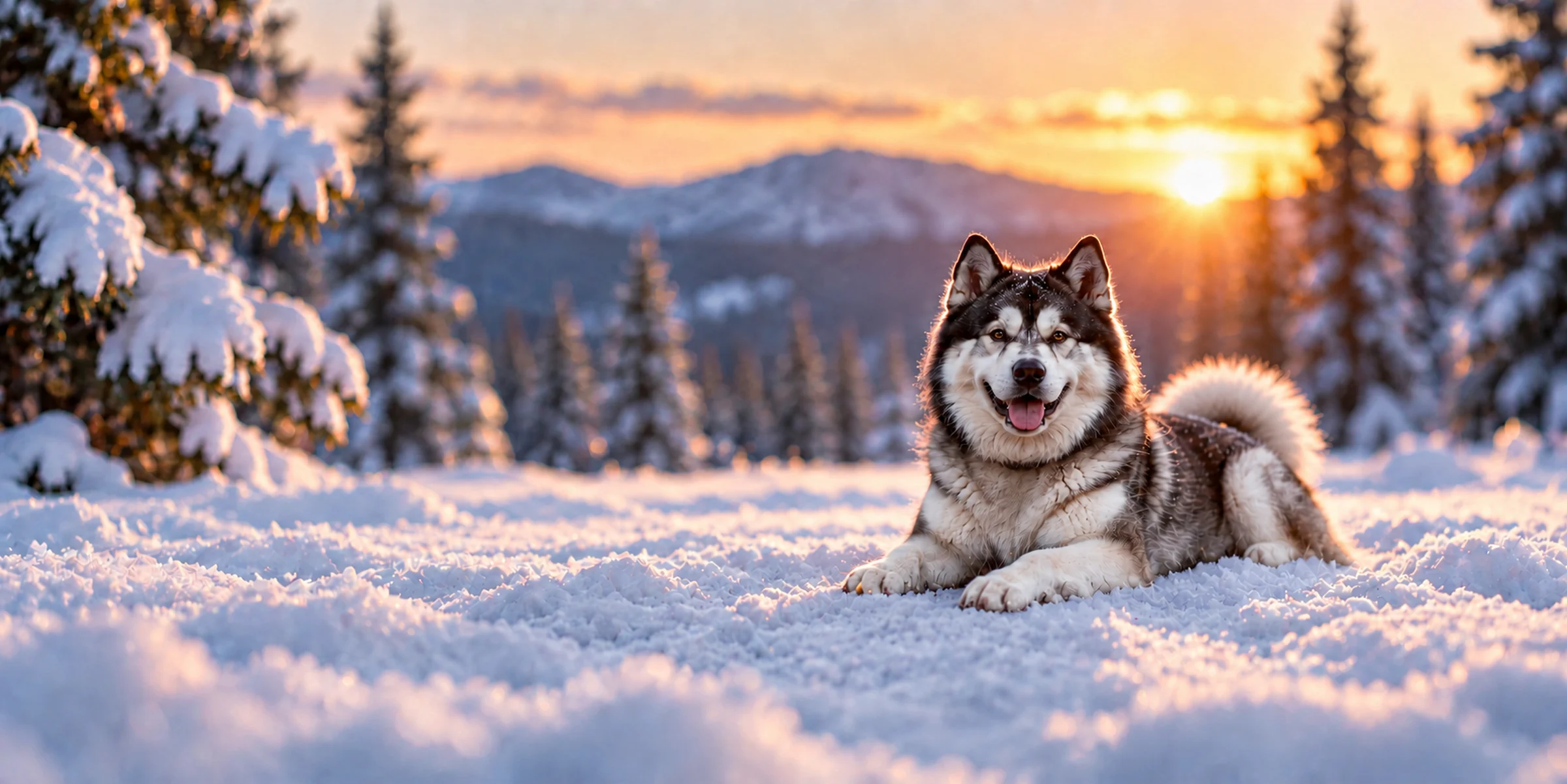
Alaskan Malamute
Another Arctic sled dog with a heavy coat and an independent mind. The Malamute is bigger, stronger and more often difficult with other dogs; the Samoyed is lighter, more sociable and more of a talker.
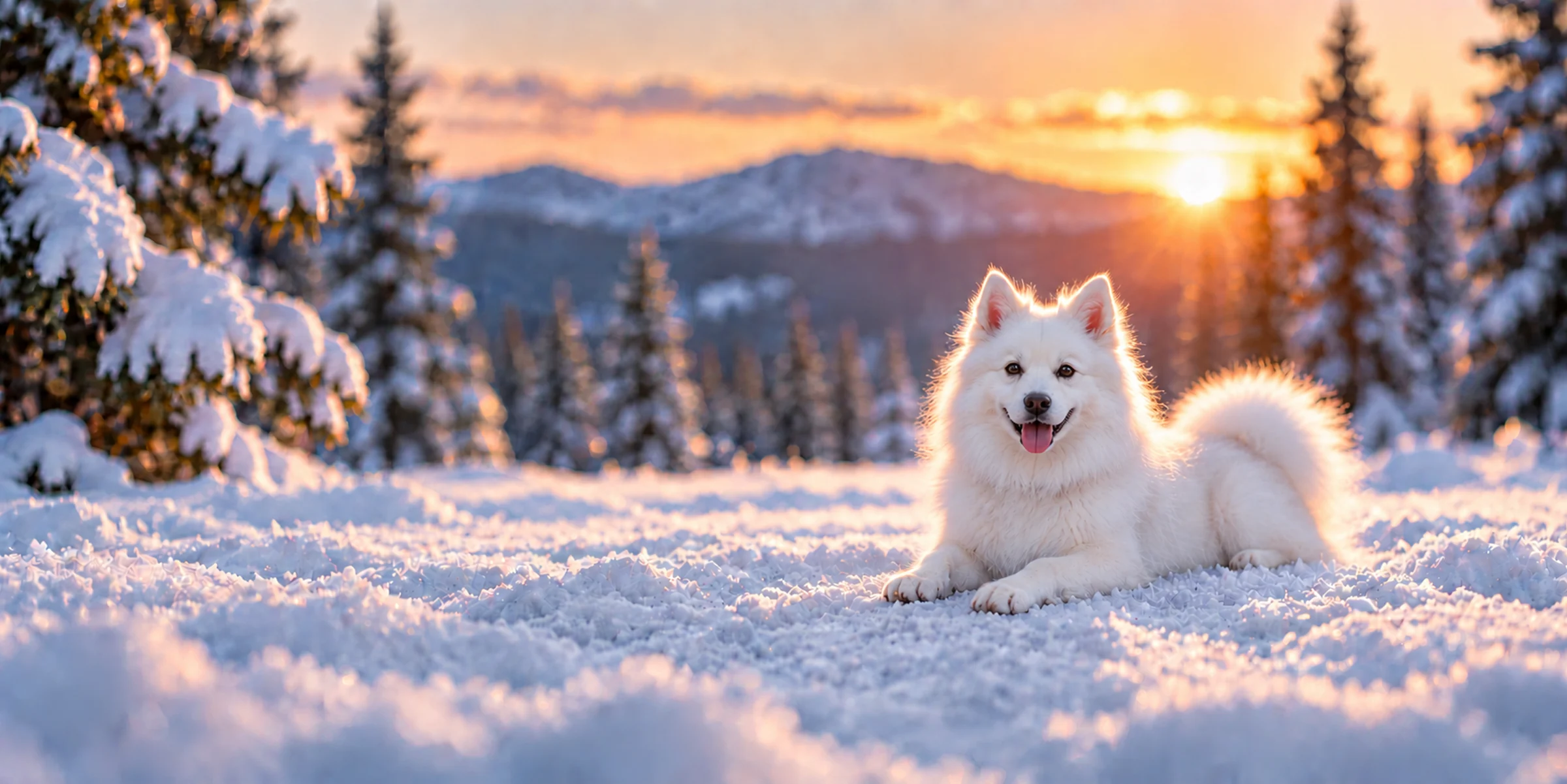
American Eskimo Dog
A white spitz with a similar look and a similar love of barking. The Eskie comes in three smaller sizes and is more wary of strangers; the Samoyed is a larger working dog that welcomes everyone.

Japanese Spitz
Often mistaken for a small Samoyed. The Japanese Spitz is a compact companion with far lower exercise needs and less coat to manage; the Samoyed needs a lot more space, work and brushing.
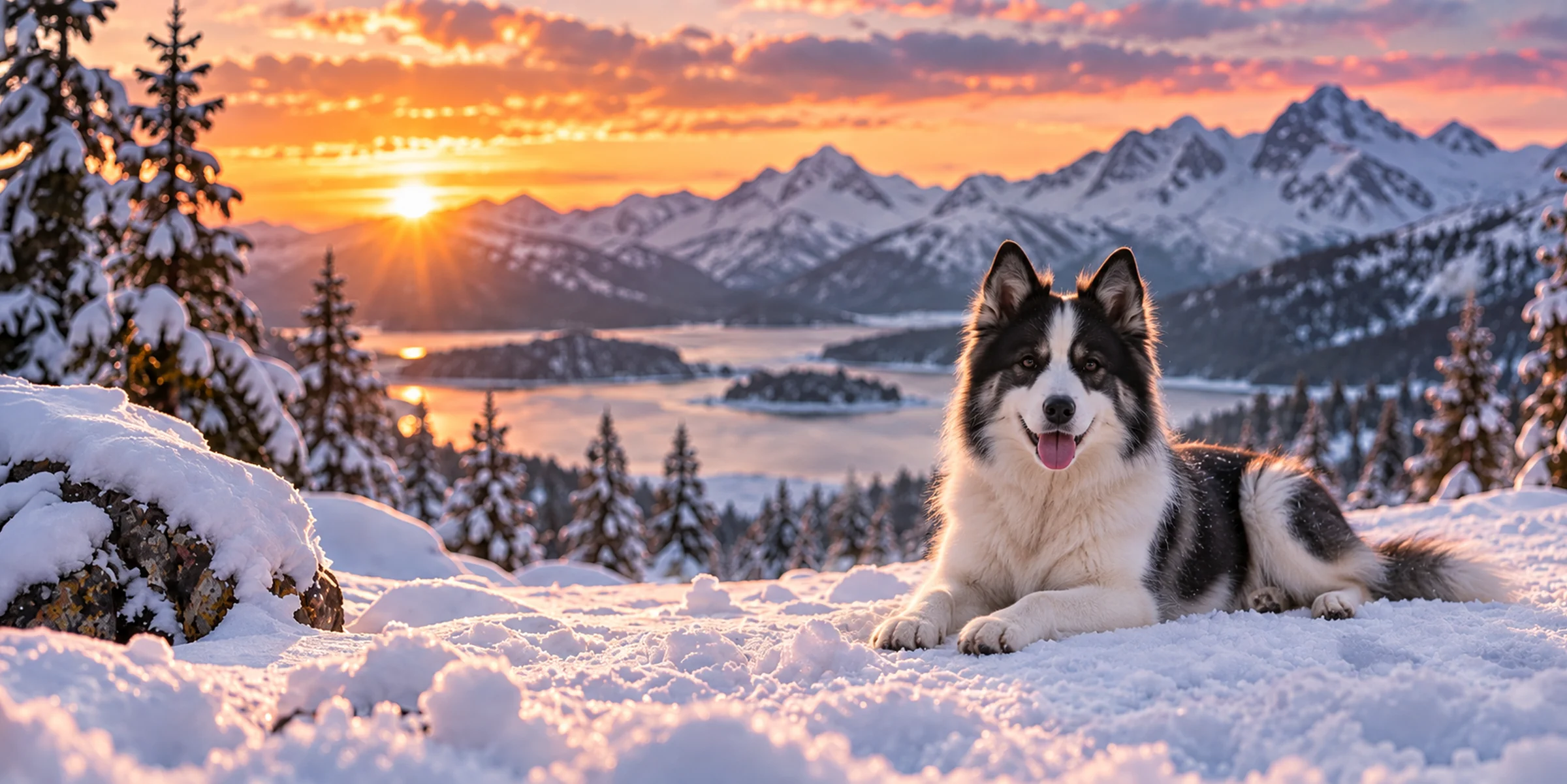
Nenets Laika
A reindeer herding dog from the same Nenets people. The Nenets Laika is smaller, rarer and closer to the original working type; the Samoyed has been bred for generations as a show and family dog.