

small-to-medium breed
Nenets Laika
The reindeer dog of the Nenets people of Arctic Russia, kept for centuries to move herds and travel with nomadic camps, and added to the AKC's Foundation Stock Service only in July 2026. Nenets Laikas are small, hardy, bright and cheap to keep for a working spitz. What you give up is certainty: no breed-wide health survey exists, the gene pool outside Russia is small, and the Arctic undercoat comes out in clumps twice a year.

Pup Height
15-20 in

Pup Weight
18-37 lb
Males 16.5-20 in and 24-37 lb, females 15-18.5 in and 18-26 lb. A double coat with a coarse, straight outer coat and a dense undercoat, found in two lengths - a longer coat and a shorter one. Colors include black, white, gray, red, fawn, sable, blue, chocolate and agouti with white, solid or with white markings, piebald or ticked patterns. The AKC listing points to the Russian Kynological Federation (RKF) standard. Added to the AKC's Foundation Stock Service in July 2026; not recognized by the FCI. Source: AKC Foundation Stock Service breed standard.

Pup Lifespan
12-15 years
Your pup, at a glance
What’s Life With This Pup Really Like?

Moderate. Devoted to their family and happy to be close, but not a lap dog - more a companion lying within sight.

Very good. The AKC rates them highly with young children; the herding caveat about circling and nipping at running kids applies.

Good. Sociable with other dogs, and generally fine with cats raised alongside them, with some chase instinct toward small animals.

Moderate. They bark to alert and while working, and a quiet cue is worth teaching early.

High. A working spitz that needs an hour or more of real activity daily, then settles well indoors.

Heavy. A dense double coat that sheds steadily and blows out twice a year.

Lively and clever. They enjoy games with a purpose - chasing, finding, herding a ball.

Minimal.

Good. Quick and willing, with the independent streak of a dog bred to make decisions on the tundra.

Moderate. Alert and quick to announce visitors, with some wariness of strangers but no real guarding drive.

Low to moderate. A weekly brush most of the year and daily work through the blowouts.

Moderate. Compact and easy to travel with, and superb in the cold, but poorly suited to heat and to a sedentary home.
Lifestyle fit
Could This Be Your Best Breed?
A Nenets Laika suits a cold-climate home with a securely fenced yard and an active owner who wants an uncommon working dog and will give them a job. Twelve to fifteen years at $1,200 to $2,000 a year is modest for a dog this busy. Bringing one home is a leap of faith, and anyone who needs to know what they are getting should wait for a breed with a longer paper trail.

Living Space
A house with a securely fenced yard suits them best. Nenets Laikas are compact enough for a smaller home, but a working spitz with a voice and a double coat is happier with room to move and some tolerance from the neighbors.

Pup Experience
Workable for a committed first-time owner who wants an active dog, though some experience with spitz or herding breeds helps. The breed is cooperative by northern standards; the harder part is finding a puppy and a breeder to mentor you, because there is very little support in the US yet.

Daily Pup Time
An hour or more of exercise daily with something for the brain in it, plus a weekly brush and daily attention during the twice-yearly coat blow.

Allergies & Coat
The Nenets Laika scores 8/10 for shedding and 1/10 for drooling. No dog is truly hypoallergenic. The allergens come from dander and saliva, and a dog that sheds this much will leave plenty of hair behind - especially on your furniture, floors, and clothes.
Quirks & challenges
The Not-So-Easy Stuff

Very Rare
Few breeders outside Russia and a young US registry. Expect a waiting list and possibly an import.
Thin Published Data
Little breed-specific health or temperament research exists. Ask breeders for parents' screening results and meet adult dogs.
Seasonal Coat Blow
A dense Arctic undercoat that comes out in clumps twice a year. Daily brushing for a few weeks each time.
Needs a Job
Bred to work all day on the tundra. Walks alone leave a bright dog bored and inventive.
Independent Streak
Herding dogs that make their own decisions at a distance. Recall takes steady work and a long line.
Poor in Heat
A coat built for the Arctic. Summer exercise at dawn and dusk, and never shave the coat.
The good, the bad & the hairy
Health, Care & Costs
Understanding the health risks and ongoing costs of a Nenets Laika helps you plan for a happy, healthy life together.

12-15 years
$55-$85
per groom (bath, blow-out, de-shed, nails, ears), every 8-12 weeks or done at home ($0-$450/year)
$1,200-$2,000/year
all-in (food, routine vet, grooming, insurance, incidentals)

Health Risks
Conditions this breed is prone to.

Worth stating first. The breed developed as a hardy working dog and is generally described as healthy, but there are no published breed-wide health surveys and no breed-specific DNA tests. Treat the list below as the sensible checks for a spitz of this size, not a documented disease profile.
The hip joint develops loosely and wears into arthritis over time. The AKC advises monitoring for it, so ask whether both parents have hip scores (OFA or an equivalent foreign scheme).
The AKC notes eye concerns as something to watch, as in many spitz breeds. An annual examination by a veterinary ophthalmologist catches cataracts and retinal problems early, and breeding dogs should have current eye clearances.
A kneecap that slips out of place, seen in many small and medium breeds. Mild cases cause an occasional skip in the stride; severe ones need surgery. A vet can check the knees at routine visits.
A practical rather than an inherited problem. A dense Arctic double coat overheats quickly, so heatstroke is a real risk in hot, humid weather, and the coat must never be shaved.
A rare breed with a limited number of dogs outside Russia. Ask how related the parents are, since close breeding raises the odds of any inherited problem.

Insurance & Health Coverage
A small, hardy dog with no known breed-specific disease list, so premiums should be modest - but that is partly because so little health data exists, not because the risks have been measured.

What you are most likely to claim for is accident and ordinary illness: a torn ligament, a swallowed object, a skin or ear infection. Choose a policy on its accident and illness cover and its caps rather than breed-specific promises.

Insure young. A hip or eye note on the record becomes a permanent exclusion, and inherited conditions present from birth are excluded by most policies. With a rare breed, the parents' screening paperwork is the best protection you have, so ask to see it before you bring a puppy home.
 Get a Pet Insurance Quote
Care needs
The Daily Routine

Grooming
A dense double coat that is easy most of the year - a thorough brush once a week keeps it clean. Twice a year the undercoat blows, and for a few weeks daily work with an undercoat rake keeps the hair under control. Trim nails and check ears regularly. No trimming of the coat, and never shave it.

Exercise
An hour or more a day of activity with mental work in it. Hiking, herding, agility, canicross and games that use the nose all suit a Nenets Laika; keep off-leash time to safe, fenced or remote areas until recall is solid.

Food & Weight
Two measured meals of a good-quality food for an active medium-sized dog. A Nenets Laika on the go burns noticeably more than one living a quiet week, so adjust portions to the work and keep them lean.
Similar breeds
If This Isn’t Quite the One
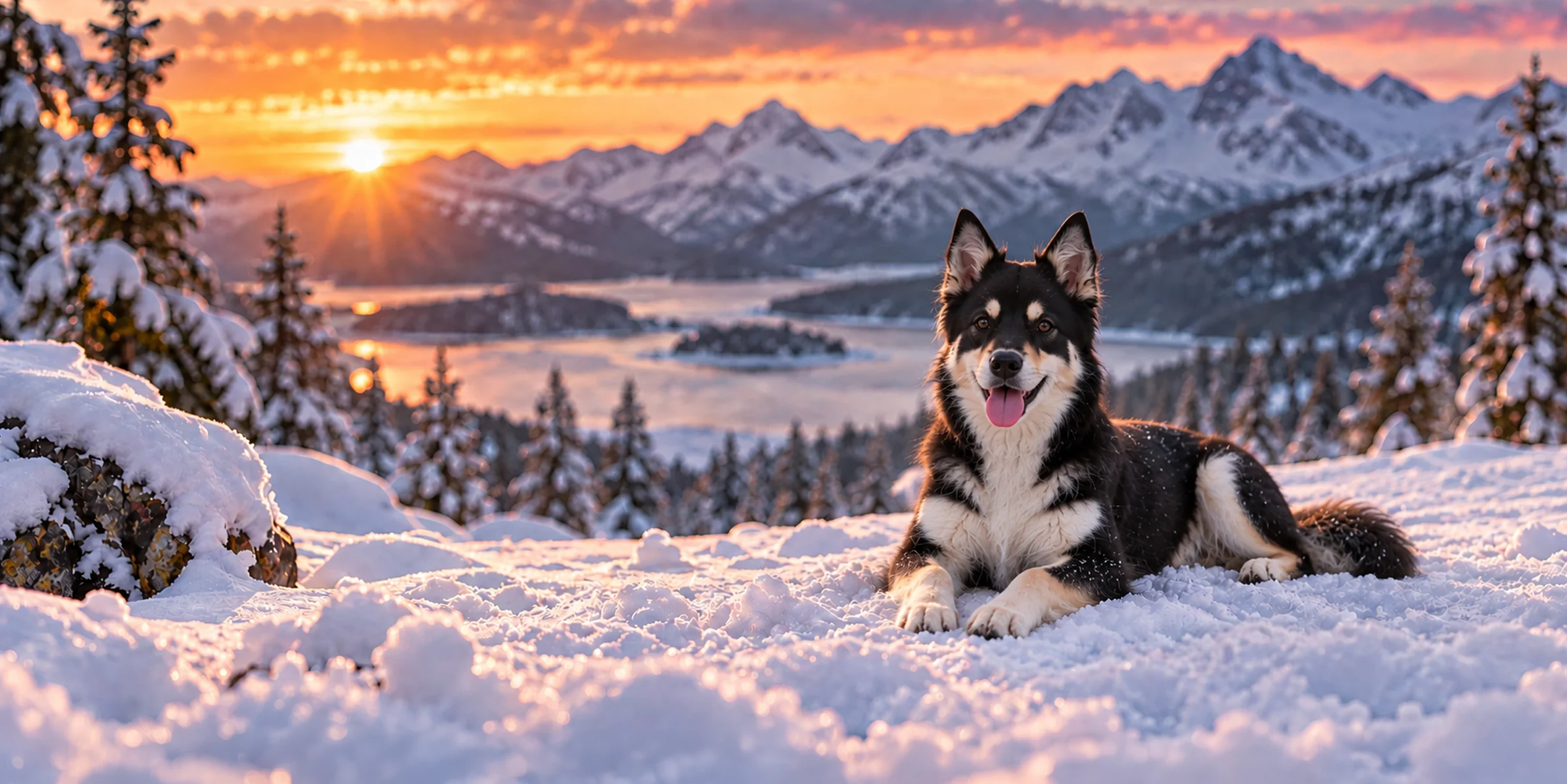
Lapponian Herder
The closest Western counterpart - another reindeer herder, from Finnish Lapland rather than Arctic Russia. The Lapponian Herder is larger, more intense and far better documented; the Nenets Laika is smaller and rarer.
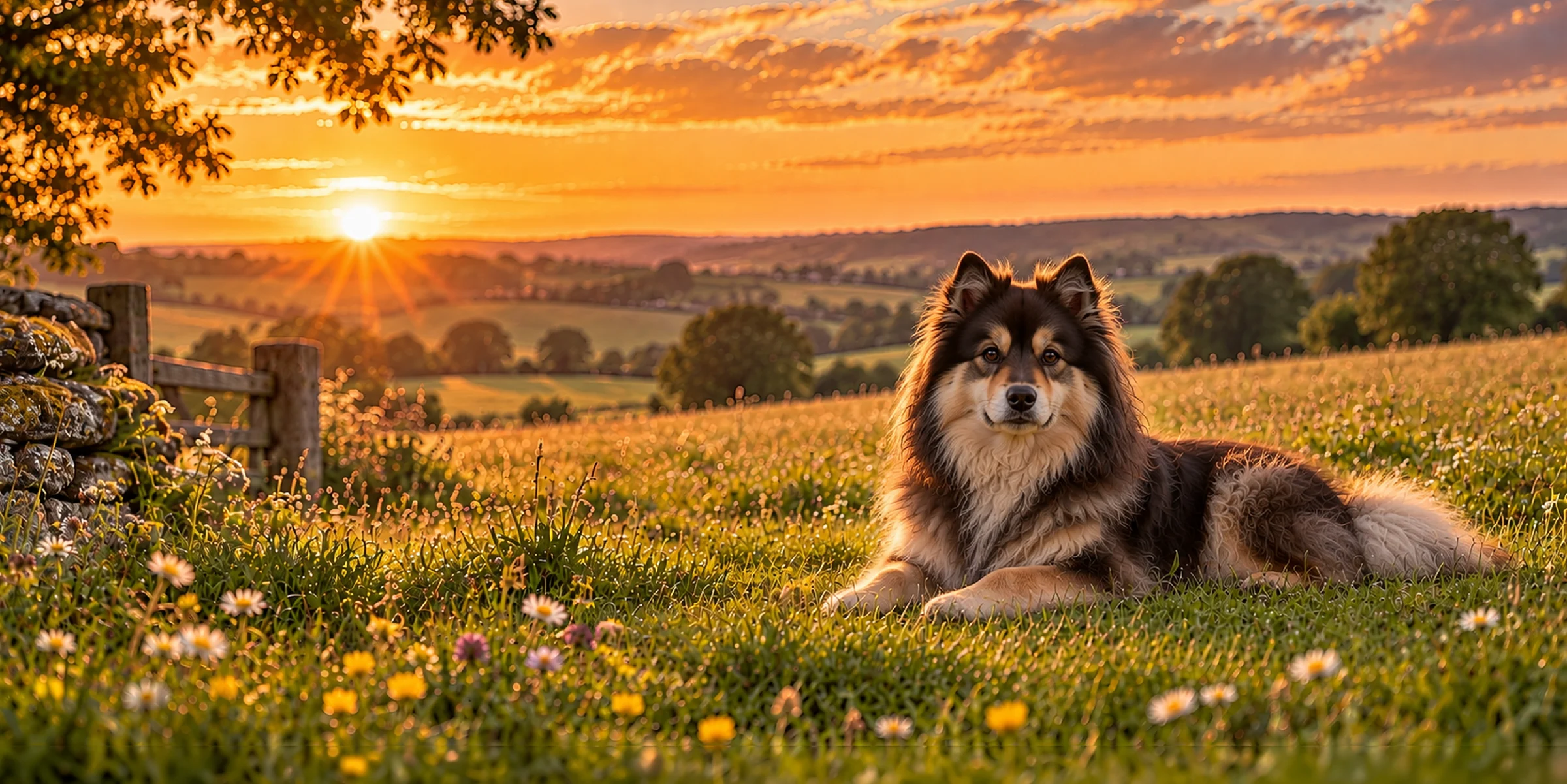
Finnish Lapphund
A reindeer-herding spitz that became a popular companion. The Lapphund carries a heavier coat and a softer, more settled temperament, and is much easier to find; the Nenets Laika is lighter-coated and more of a working dog.
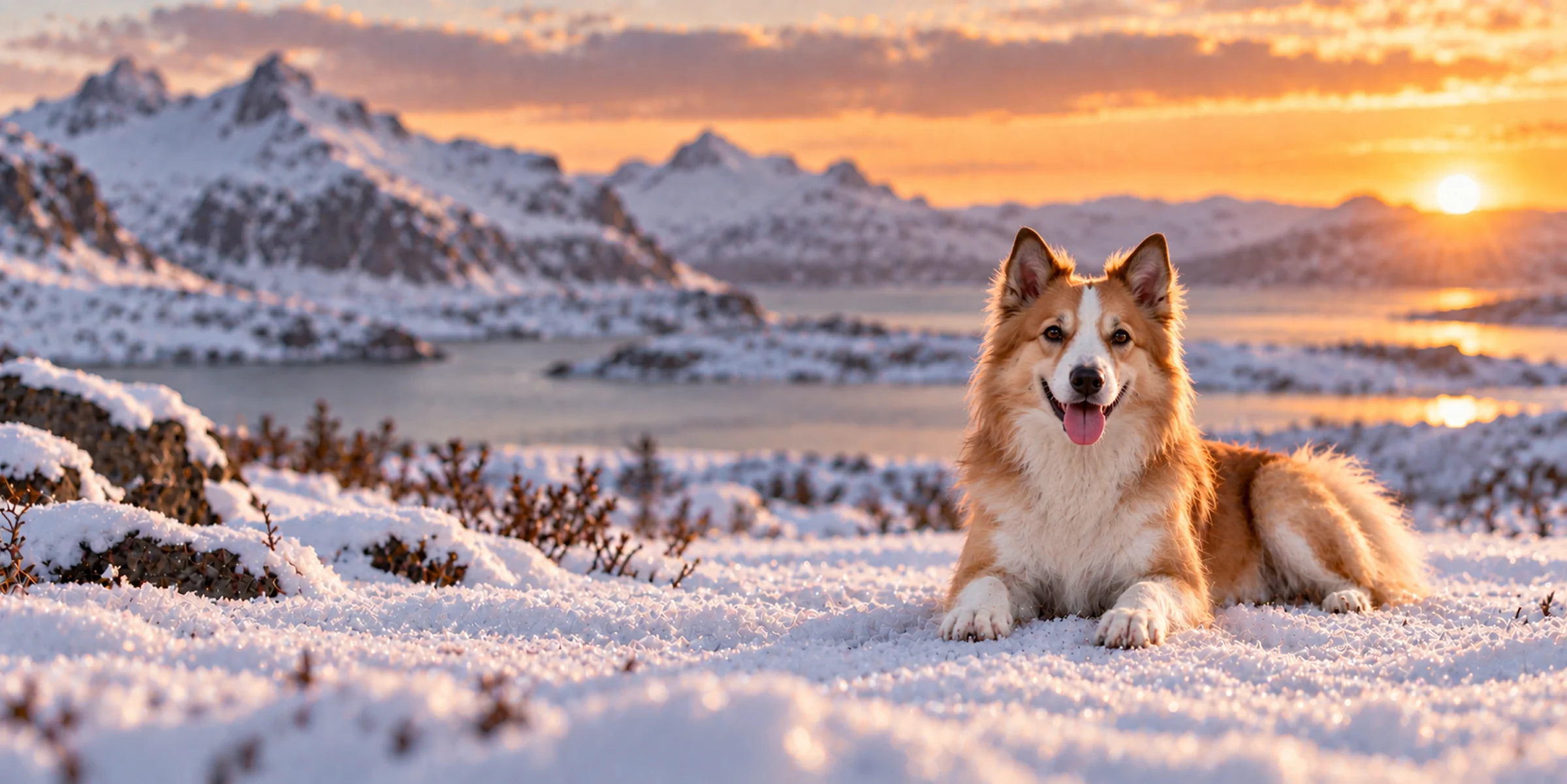
Icelandic Sheepdog
A similar-sized northern herding spitz with a friendly nature and a shedding double coat. The Icelandic is considerably more vocal and has a well-established US breeder base; the Nenets Laika is more independent and still very rare.

Yakutian Laika
The other Russian reindeer-country breed here, from Sakha rather than the Nenets tundra. Yakutian Laikas are bigger and heavier-coated, bred to pull sleds and hunt as well as herd, and carry real prey drive toward small animals.