

medium-to-large breed
Schapendoes
The shaggy sheepdog of the Dutch heathlands, nearly lost when the flocks went and rebuilt after the war from whatever survivors could be found. Schapendoes are springy, clever, funny dogs who bounce - the breed is a natural at agility - and they are affectionate with their own family without being needy. The long coat mats if a week is skipped, and the energy is not a phase they grow out of.

Pup Height
16-20 in

Pup Weight
26-55 lb
The AKC gives 16-20 in and 26-55 lb for both sexes. The FCI standard sets males at 17-19.5 in and females at 15.75-18.5 in, and names no weight. A long, lightly wavy coat that is dry and never silky, curly or frizzy, over a good undercoat, with a big topknot, mustache and beard. All colors are allowed, with blue-gray to black preferred. The tail is long and feathered and never carried stiffly over the back. FCI Group 1, without a working trial, and in the AKC's Foundation Stock Service since 2005 with a Herding Group designation. Source: AKC and FCI breed standards.

Pup Lifespan
12-15 years
Your pup, at a glance
What’s Life With This Pup Really Like?

High. Affectionate and loyal with their own people, and happy to settle close by once the day's running is done.

Very good. Cheerful and playful with children, with the herding caveat - some will chase and nudge running kids, which wants redirecting early.

Very good. Usually sociable with other dogs and fine with cats raised alongside them, though the chase and herding instinct needs watching.

Moderate. They alert to arrivals and noises and can get noisy when bored, but most are not constant barkers.

High. Built for endurance and speed on open heath, and in need of real daily running.

Low to moderate. The dense coat holds loose hair until it is brushed out, so the hair ends up on the brush more than the floor.

Very playful. Bouncy, clownish and athletic, with a real love of games and dog sports.

Minimal. A tidy mouth, though the beard carries water from the bowl.

Good. Quick and willing to learn, with an independent streak that short, varied sessions handle well.

Moderate. Watchful and quick to notice visitors, but friendly rather than protective.

Moderate. A thorough weekly brush-out keeps the coat free of mats, with no clipping or trimming needed.

Moderate. The medium size travels and fits most homes, but the exercise need does not bend to a busy week.
Lifestyle fit
Could This Be Your Best Breed?
A Schapendoes fits an active household with a fenced yard, a tall one at that, an hour of real exercise a day, and some sport or training to think about. Costs run $1,500 to $2,700 a year across twelve to fifteen years. An owner looking for a calm, low-effort housedog will be happier elsewhere, and outside the Netherlands the wait for a puppy is long.

Living Space
A house with a fenced yard is ideal, and a well-exercised Schapendoes can manage in a larger apartment. The size is easy; the real requirement is daily running room, and a fence tall enough for a dog built to jump.

Pup Experience
Workable for a first-time owner who is active and consistent. Schapendoes are friendly and keen to cooperate, but they think for themselves, and the herding instinct needs early, patient direction.

Daily Pup Time
An hour or more of real exercise every day, some training or a dog sport, and a thorough brush once a week.

Allergies & Coat
The Schapendoes scores 4/10 for shedding and 1/10 for drooling. No dog is truly hypoallergenic. The allergens come from dander and saliva, and a dog that sheds this much will leave plenty of hair behind - especially on your furniture, floors, and clothes.
Quirks & challenges
The Not-So-Easy Stuff

Needs Real Exercise
A breed built to gallop after sheep all day. A short walk around the block leaves most of that energy unspent.
Remarkable Jumpers
The standard calls for great jumping ability, and Schapendoes deliver. Low fences and baby gates are suggestions, not barriers.
Herding Instinct
Some will circle, nudge or chase running children, bikes and other pets. Redirect it early into games and training.
Coat Mats Without Care
The long, dense coat tangles behind the ears, in the armpits and on the legs. A missed week or two shows.
Independent Streak
Willing and quick, but capable of deciding a command is optional. Short, varied, reward-based sessions keep them engaged.
Rare Breed
Few breeders outside Europe, so expect waiting lists, travel and limited health data to go on.
The good, the bad & the hairy
Health, Care & Costs
Understanding the health risks and ongoing costs of a Schapendoes helps you plan for a happy, healthy life together.

12-15 years
$60-$100
per groom (bath, full brush-out, feet and sanitary tidy, nails), every 8-12 weeks or done at home ($0-$400/year)
$1,500-$2,700/year
all-in (food, routine vet, grooming, insurance, incidentals)

Health Risks
Conditions this breed is prone to.

The hip joint forms loosely and wears into arthritis over time. Breed clubs in Europe screen breeding stock for it, so ask for hip scores on both parents and keep a young dog lean.
An inherited degeneration of the retina that begins with night blindness and progresses to loss of sight. The Schapendoes form is caused by a known variant in the CCDC66 gene, and a DNA test exists, so tested parents can rule out affected puppies.
Cataracts and other eye problems turn up in many long-coated herding breeds. A current eye examination by a veterinary ophthalmologist on both parents is a sensible ask, and annual checks catch changes early.
Mats hold moisture and dirt against the skin and can hide hot spots and irritation until they are well established. Regular brushing down to the skin is the prevention.
Feathered, hanging ears with hair in the canal trap warmth and moisture. Weekly checks and a gentle clean keep most problems away.
The breed is rare and was rebuilt from a small number of dogs, so large health surveys do not exist. Good breeders track their lines closely; ask what conditions have appeared in the pedigree, not just which tests were done.

Insurance & Health Coverage
Insure early. Schapendoes are a sturdy, long-lived breed, but a long life means many years in which an injury or chronic condition can appear, and anything noted on the record before the policy starts is excluded for good.

For an athletic, jumping dog, accident cover matters as much as illness cover. Torn ligaments and other sports injuries are the realistic big bills, and hip dysplasia, if it shows, can mean surgery or lifelong management. Check the orthopedic terms and any waiting period on cruciate claims.

The breed's inherited retinal disease has a DNA test, and results on both parents do more than any policy can. Ask the breeder for the paperwork before you commit.
 Get a Pet Insurance Quote
Care needs
The Daily Routine

Grooming
A thorough brush and comb down to the skin once a week, with extra attention behind the ears, under the legs and on the rear. The coat is meant to look natural and shaggy, so there is no clipping or show trimming - just tidy the feet and the hair around the eyes as needed. Bathe only occasionally, check the ears weekly and keep the fast-growing nails short.

Exercise
At least an hour of vigorous exercise a day - running, off-leash play in a secure area, hiking or a dog sport. Schapendoes excel at agility and flyball, and a regular class gives the mind as much of a workout as the body. Hold off on repeated high jumping until the growth plates close.

Food & Weight
A good-quality diet matched to age and activity, measured rather than left out. Keep them lean - a slim Schapendoes jumps more safely and puts less strain on the hips - and adjust portions when exercise drops in bad weather.
Similar breeds
If This Isn’t Quite the One
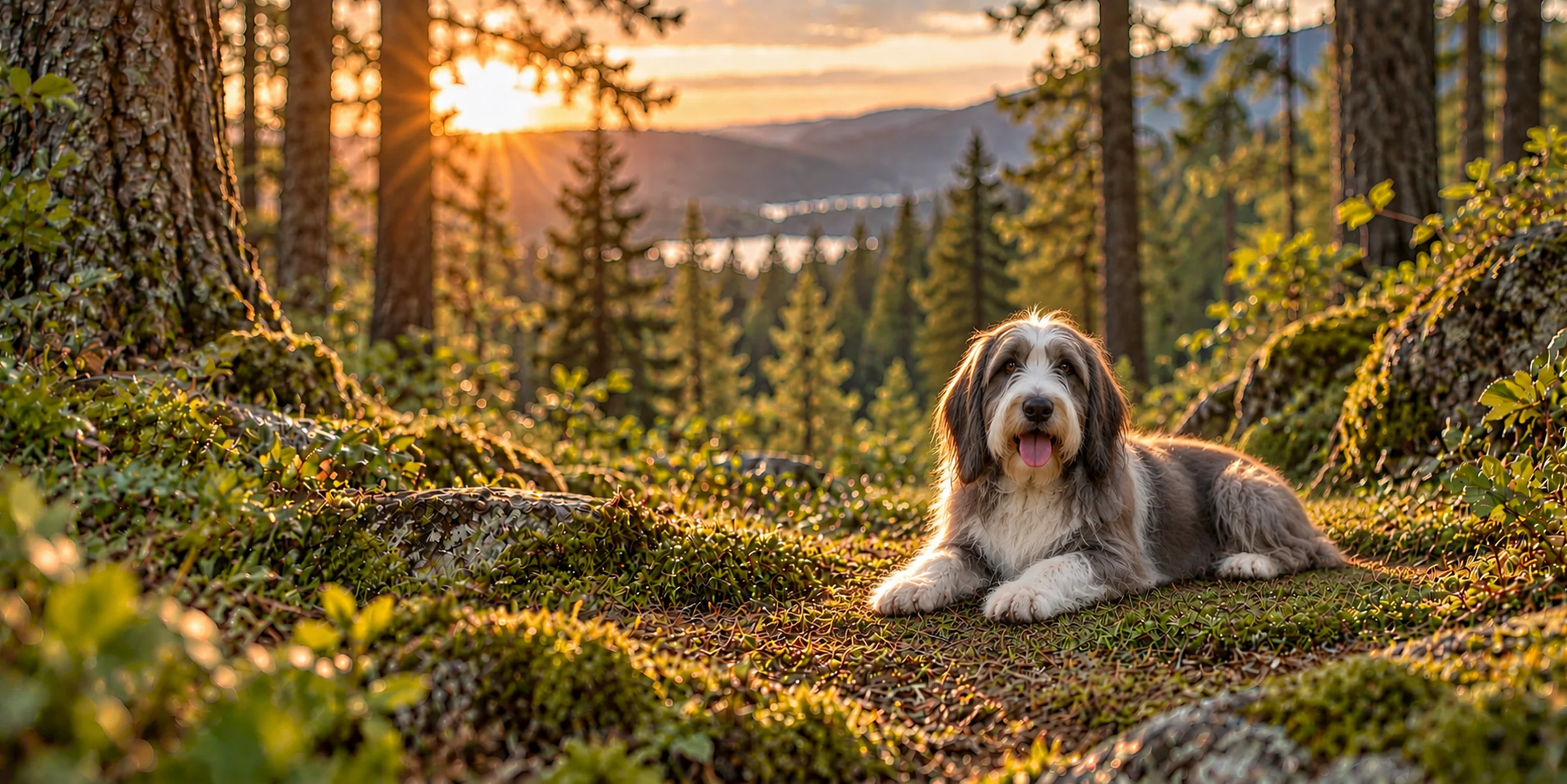
Bearded Collie
A close relative with the same shaggy look and happy, bouncy temperament. The Beardie is a little larger with a heavier coat that takes more work; the Schapendoes is lighter, springier and easier to keep up.
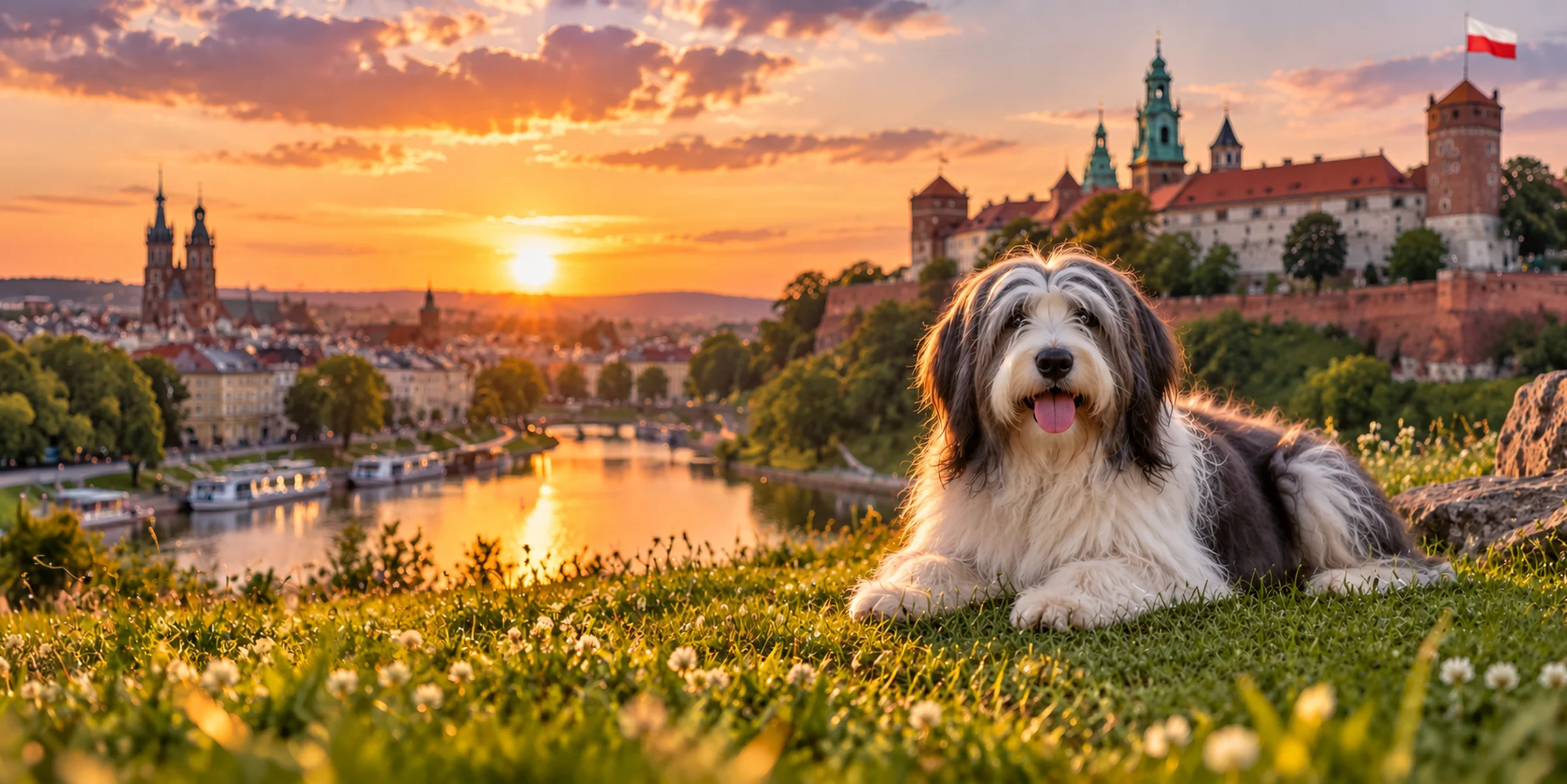
Polish Lowland Sheepdog
Another medium shaggy herder rebuilt after World War II. The PON is more self-assured and more wary of strangers; the Schapendoes is generally the more easygoing and sociable of the two.
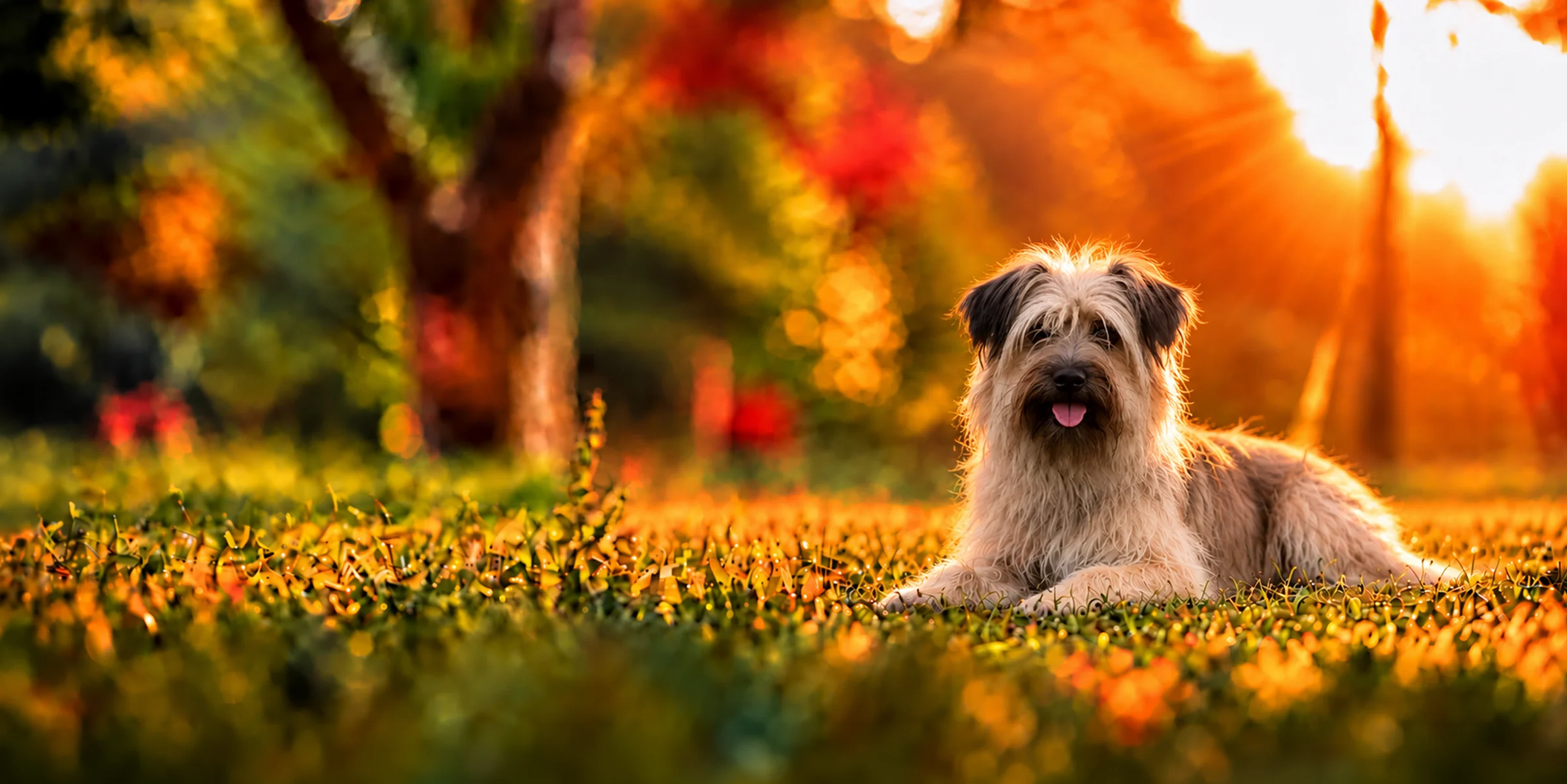
Pyrenean Shepherd
A light, agile herding dog that also shines in agility. The Pyrenean Shepherd is smaller, more intense and cooler with strangers; the Schapendoes is softer, friendlier and a little more relaxed at home.
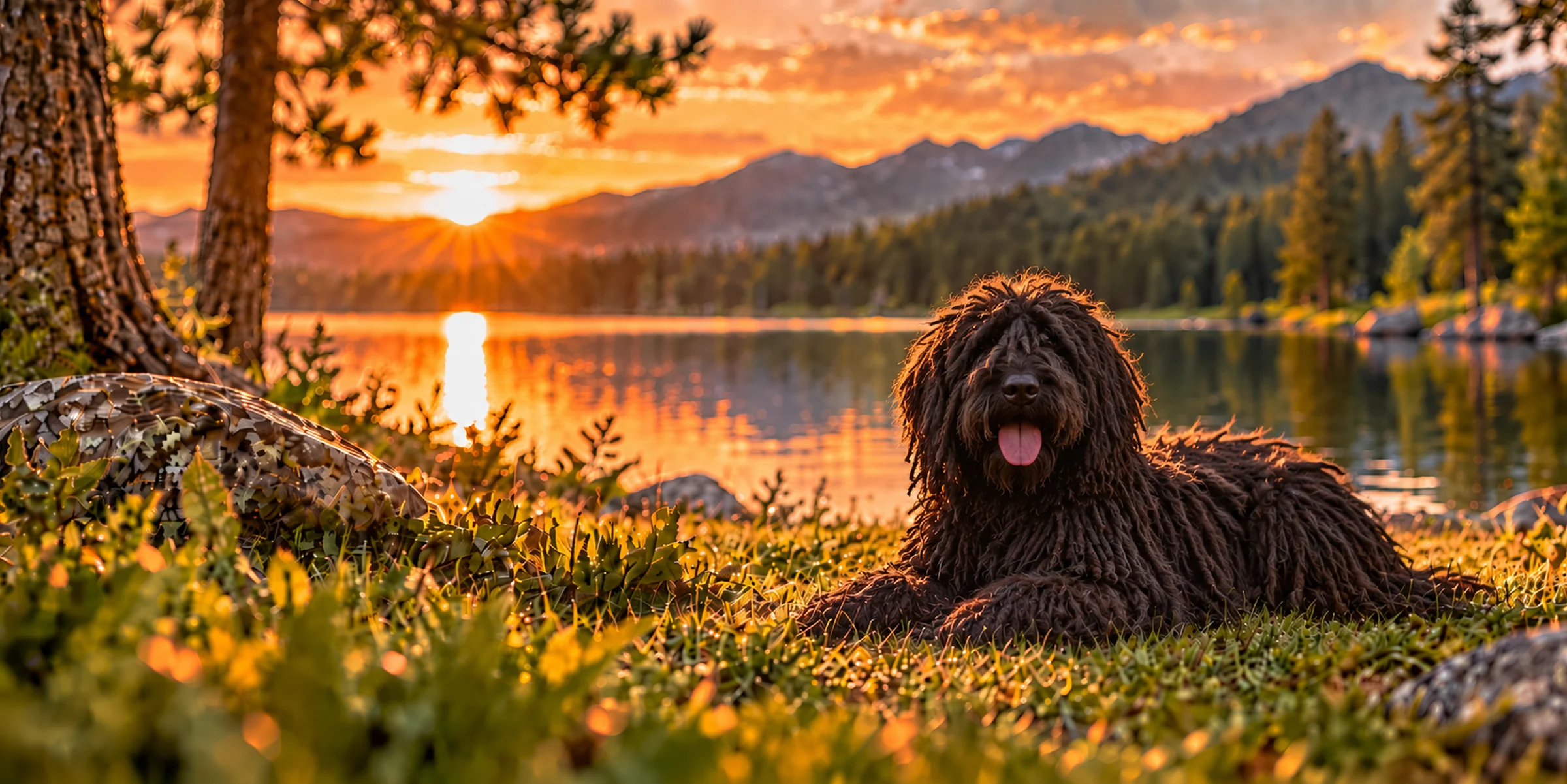
Puli
A related European sheepdog with a similar size and quick, lively mind. The Puli is more watchful and vocal, with a coat that cords; the Schapendoes is friendlier with visitors and keeps a brushed, shaggy coat.