

small-to-medium breed
Pyrenean Shepherd
The small herding half of the Pyrenees partnership - while the big white guardians watched for wolves, these dogs moved the flock across steep ground. Pyrenean Shepherds have the size of a terrier and the intensity of a working sheepdog: fast, wiry, funny and welded to one person. An hour and a half of real exercise a day is the floor rather than the target, and strangers get suspicion rather than a welcome.

Pup Height
15-21 in

Pup Weight
15-30 lb
Two coat varieties under one standard, shown as a single breed. Rough-faced: males 15.5-18.5 in, females 15-18 in, with a demi-long or long coat that is flat or slightly wavy and may form cords over the rump and thighs. Smooth-faced: males 15.5-21 in, females 15.5-20.5 in, with short, fine hair on the muzzle and a shorter body coat. The standard gives no weight; the AKC lists 15-30 lb. Fawn, gray, merle, brindle, black, or black with white markings, with only limited white allowed. Recognized by the AKC in the Herding Group since 2009. Source: AKC breed standard.

Pup Lifespan
15-17 years
Your pup, at a glance
What’s Life With This Pup Really Like?

Moderate. Affectionate and close with their own person, much cooler with visitors.

Fair. Good with respectful older children in their own family, but the herding nips and a low tolerance for rough handling make them a risky pick for toddlers.

Fair to good. Usually fine with dogs they grow up with, though cats and small pets may be herded relentlessly.

High. A vocal breed that barks while working, while playing and at anything unfamiliar.

Very high. A small body with a big herder's stamina and very little idle time.

Low to moderate. Rough-faced coats shed lightly with a modest seasonal change; smooth-faced coats a little more.

Fast, clever and tireless. Pyrenean Shepherds love games with rules - fetch, agility and anything involving chasing.

Minimal. A dry-mouthed breed.

Good. Quick and eager with a trusted handler, but sensitive, and easily put off by pressure or repetition.

High. Alert, suspicious of strangers and quick to sound the alarm.

Low to moderate. A weekly or twice-weekly brush-out, with attention to mats in the rough-faced coat.

Low to moderate. The size travels well, but the energy, barking and wariness make them a poor fit for a busy, quiet or sedentary home.
Lifestyle fit
Could This Be Your Best Breed?
Pyrenean Shepherds suit an agility handler, a hiker or a runner who wants a small dog with a working brain, and who will spend fifteen to seventeen years - an unusually long run - with the same intense little dog. Costs are modest at $1,500 to $2,800 a year. Anyone hoping for a mellow family pet who is fond of everybody should look at another herding breed.

Living Space
A house with a securely fenced yard suits best. A Pyrenean Shepherd is small enough for an apartment on paper, but the energy, the alert barking and the need for real daily work make apartment life hard unless the owner is out running, hiking or training with the dog every day.

Pup Experience
Best with someone who has raised an active herding dog before. The breed is quick and eager to work for one trusted person, but sensitive, reserved and easily soured by rough handling, and an under-occupied Pyr Shep invents jobs of their own.

Daily Pup Time
At least an hour and a half of vigorous exercise and training every day, plus a weekly brush and some thought given to socializing a naturally wary dog.

Allergies & Coat
The Pyrenean Shepherd scores 4/10 for shedding and 1/10 for drooling. No dog is truly hypoallergenic. The allergens come from dander and saliva, and a dog that sheds this much will leave plenty of hair behind - especially on your furniture, floors, and clothes.
Quirks & challenges
The Not-So-Easy Stuff

Boundless Energy
A small dog with the stamina of a much bigger herder. A short walk around the block barely scratches the surface.
Wary of Strangers
Naturally reserved and suspicious. Without steady socialization from puppyhood, the caution can turn into fear or snapping.
Barking
Pyrenean Shepherds bark to move stock and to announce anything new. Neighbors will hear about every visitor.
Sensitive Nature
Harsh corrections or a tense household make them anxious and shut down. Calm, consistent handling works far better.
Herding Instinct
Chasing, circling and nipping at running children, cats and bikes. Redirect the instinct early rather than scolding it.
One-Person Dog
Deeply attached to a favorite person and prone to fretting when left alone for long hours.
The good, the bad & the hairy
Health, Care & Costs
Understanding the health risks and ongoing costs of a Pyrenean Shepherd helps you plan for a happy, healthy life together.

15-17 years
$50-$80
per groom (bath, brush-out, nails, ears), a few times a year or done at home ($0-$300/year)
$1,500-$2,800/year
all-in (food, routine vet, grooming, insurance, incidentals)

Health Risks
Conditions this breed is prone to.

The hip joint develops loosely and wears into arthritis. Less common than in large breeds but present, and there is no DNA test - parents should have hip evaluations from the OFA or PennHIP.
The kneecap slips out of place, causing a skipping gait. Mild cases need only monitoring; severe ones need surgery. Breeders screen with a veterinary patella exam, as no DNA test exists.
An inherited degeneration of the retina that leads to night blindness and then gradual loss of sight. It is not painful. Annual eye exams are recommended, and ask the breeder which DNA tests the parents have had, such as prcd-PRA.
An inherited defect in the development of the eye, ranging from mild changes that never affect vision to retinal detachment. A DNA test identifies carriers, and a puppy eye exam by a veterinary ophthalmologist catches affected dogs.
Idiopathic epilepsy, which causes recurring seizures usually beginning between one and five years old, occurs in the breed. There is no DNA test; daily medication controls most cases, so ask about seizures in the pedigree.
A blood vessel near the heart fails to close after birth, which a vet usually hears as a murmur at the first puppy checks. Caught early, it is corrected with surgery and most dogs go on to live normally.

Insurance & Health Coverage
Insure early. A long-lived, athletic dog racks up years of exposure, and the conditions that matter - joint problems, eye disease and epilepsy - tend to show between puppyhood and middle age, when a pre-existing note on the record becomes a permanent exclusion.

Sports injuries are the claim active owners forget. Pyrenean Shepherds run, jump and turn hard, and a torn ligament or cruciate repair costs thousands. Choose a policy that covers accidents and orthopedic surgery without a low per-condition cap.

Epilepsy is a long-term cost rather than a single bill - medication and blood work for many years. Check whether a policy covers chronic conditions for life, and ask the breeder for parents' hip, patella and eye results before you commit.
 Get a Pet Insurance Quote
Care needs
The Daily Routine

Grooming
Surprisingly low-maintenance for the look. The rough-faced coat needs a brush-out once or twice a week to keep mats from forming behind the ears and on the legs, and some coats cord naturally over the rump. The smooth-faced coat needs even less. Check ears and trim nails regularly; the coat is not meant to be clipped or sculpted.

Exercise
At least 90 minutes of hard exercise and mental work daily - running, hiking, fetch, agility or herding. Pyrenean Shepherds need the brain work as much as the miles, and training games, puzzle toys and scent work stop them inventing their own entertainment.

Food & Weight
A quality diet sized for a small, very active dog, with portions adjusted for the season and the workload. Most stay lean naturally; weigh treats used in training against the daily ration, and keep a working dog in hard, athletic condition to protect the joints.
Similar breeds
If This Isn’t Quite the One
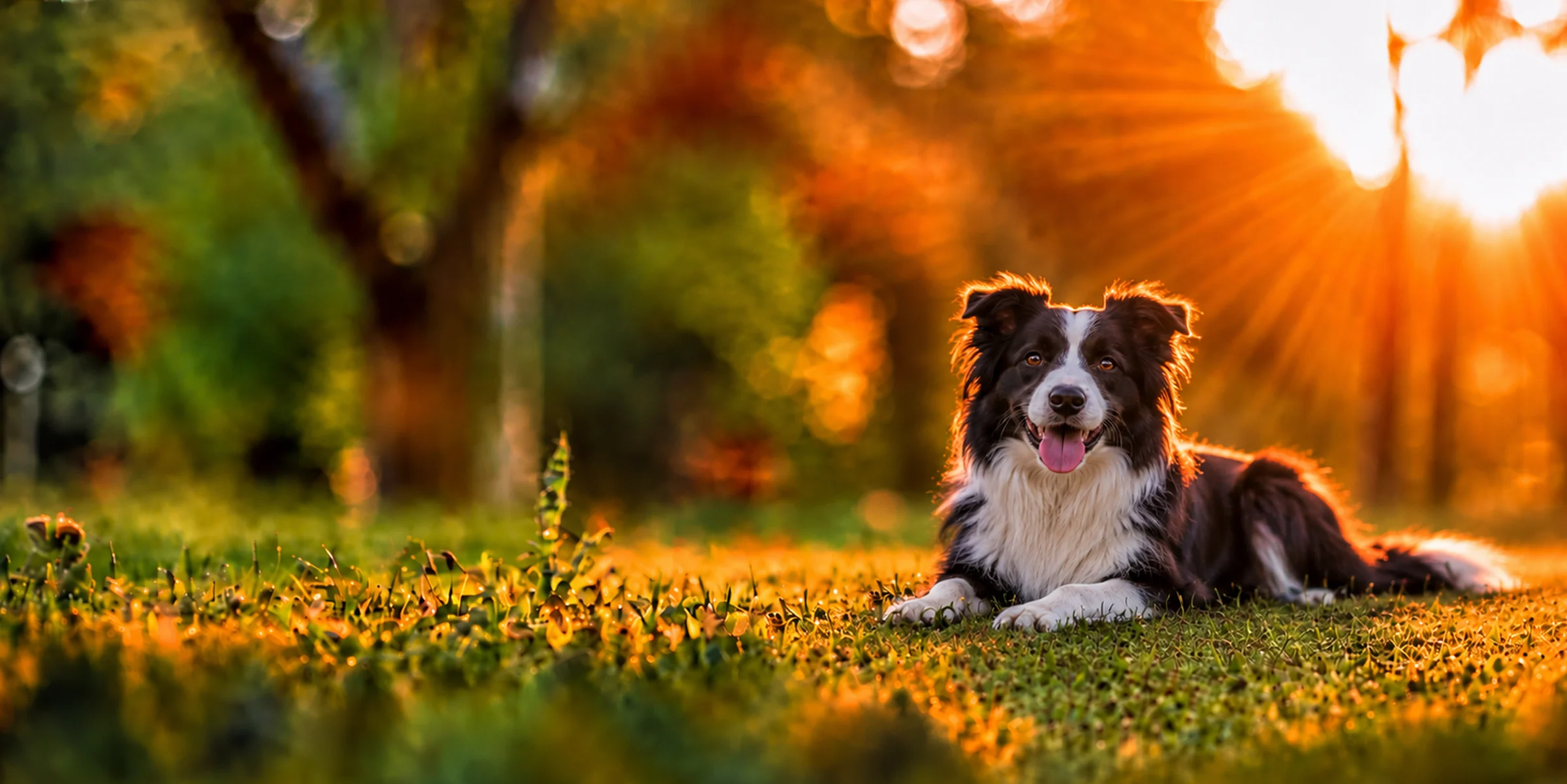
Border Collie
The same intense herding drive, work ethic and need for a job. The Border Collie is larger and generally more biddable; the Pyrenean Shepherd is smaller, more vocal and more reserved with strangers.
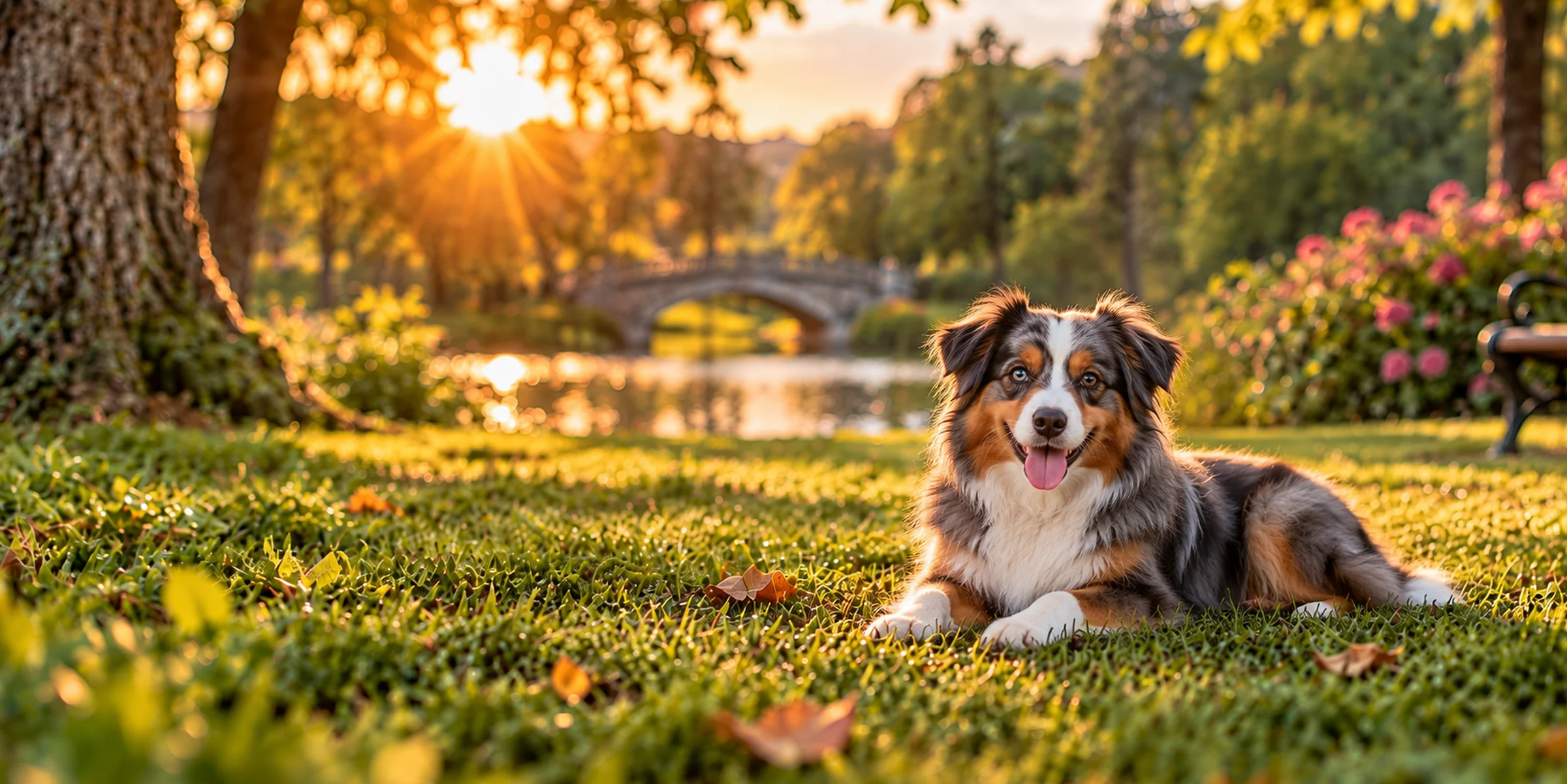
Miniature American Shepherd
A similar size and a similar energy level for owners wanting a compact herder. The Mini American is usually more outgoing and easier with strangers; the Pyr Shep is warier and more sensitive.
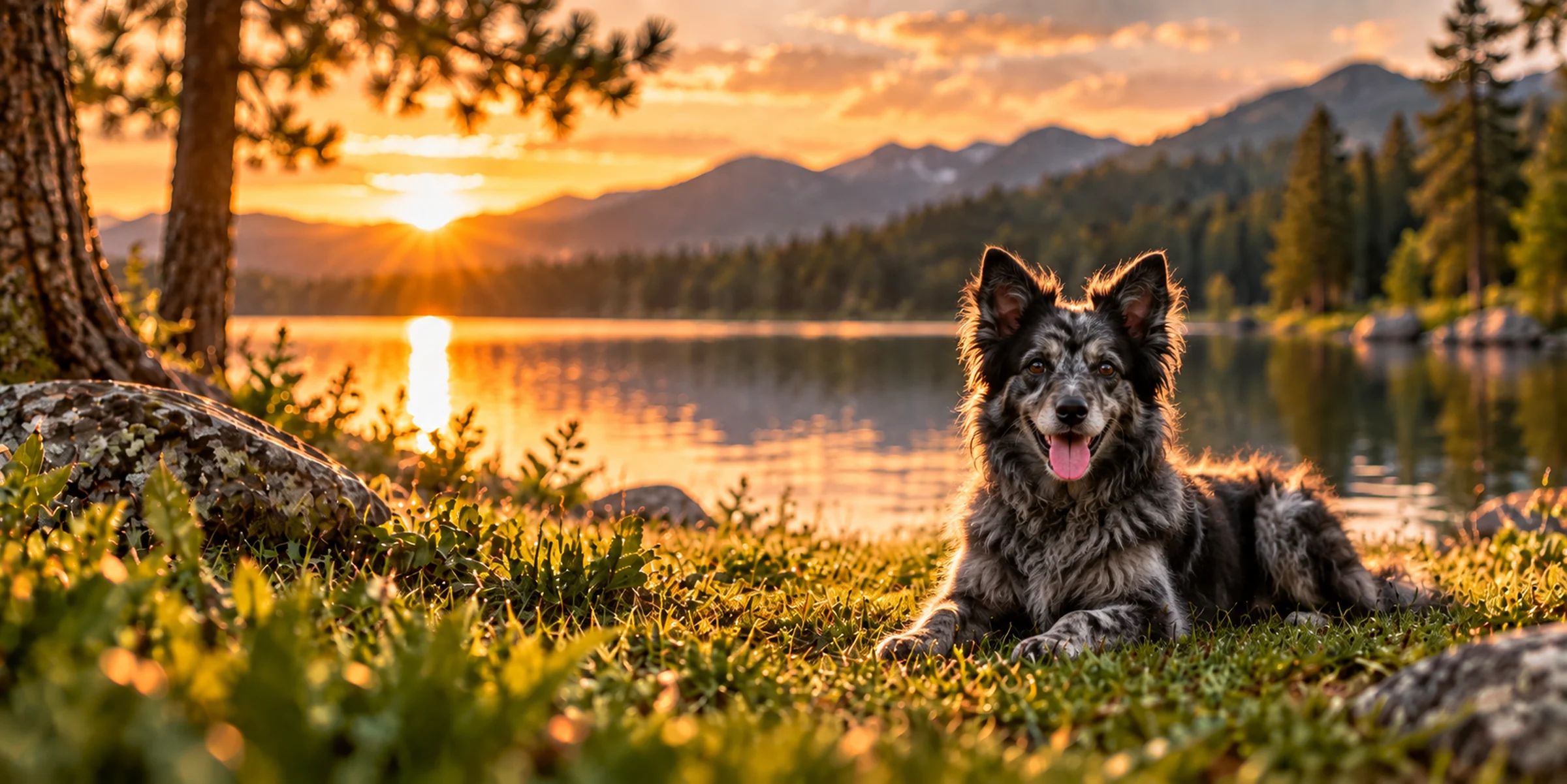
Mudi
Another small, quick, vocal herder with a strong bond to their own people. The Mudi is more of an all-purpose farm dog and watchdog; the Pyrenean Shepherd is lighter-built and even more intense in motion.
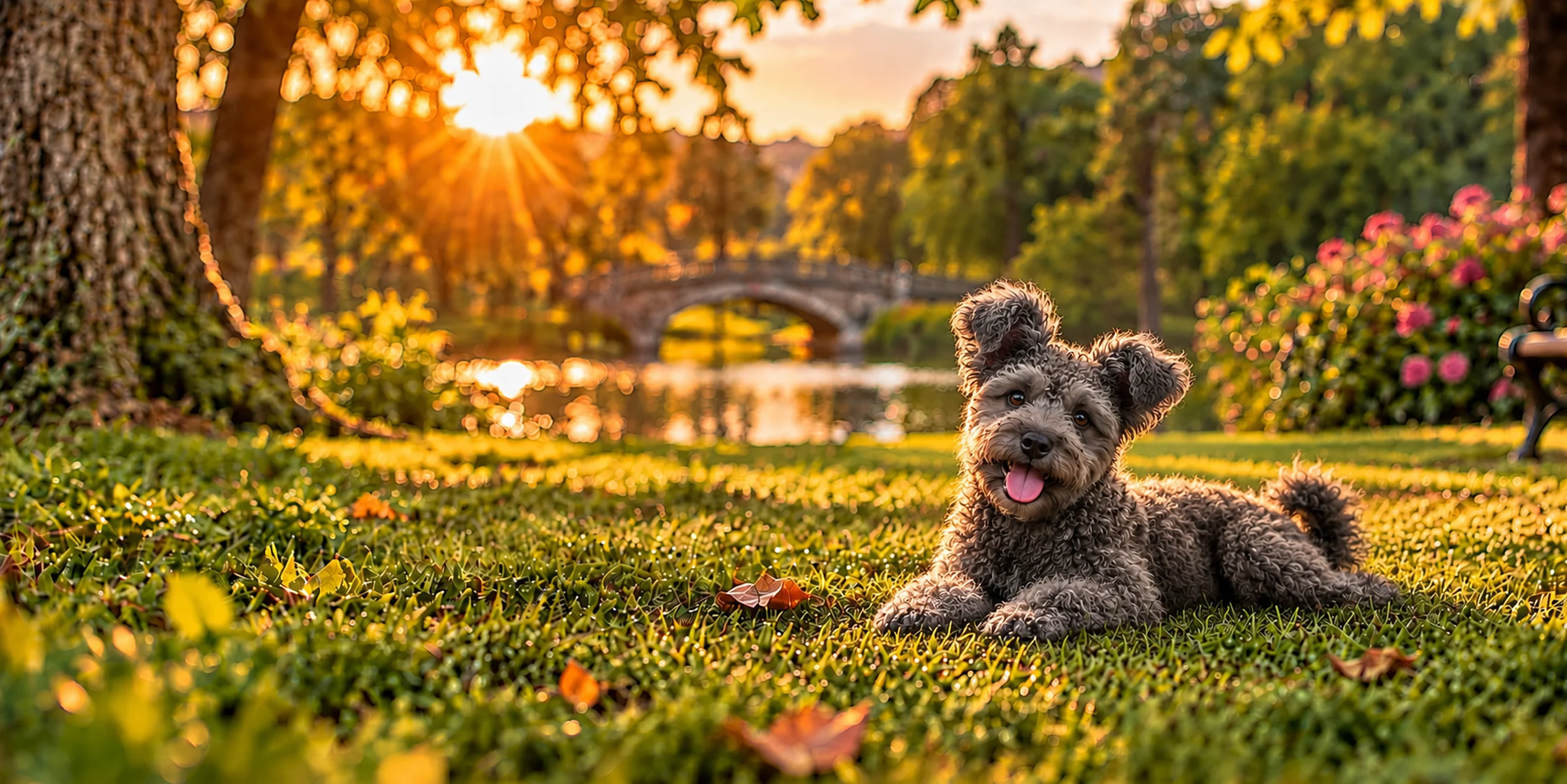
Pumi
A small, lively, barky herding dog with a similar size and a curly, lower-shedding coat. The Pumi is bolder and more terrier-like; the Pyrenean Shepherd is more sensitive and more reserved.