

medium-to-large breed
Shikoku Ken
A sesame-coated Japanese hunting dog from the mountains of Kochi, often called the most wolf-like of the medium native breeds. Shikoku Ken are lean, fast and far busier than most spitz owners expect - two hours of real exercise a day, plus something to think about. They are affectionate at home and reserved everywhere else, and the hunting drive is entirely intact: cats, rabbits and small dogs all register as game.

Pup Height
17-22 in

Pup Weight
35-55 lb
The AKC gives 17-22 in and 35-55 lb for both sexes; the Japanese and FCI standards put the ideal male at about 20.5 in with females a little smaller. Sesame, red sesame, black sesame, red, or black and tan, all with urajiro - the pale markings on the cheeks, throat and underside. Solid white or cream and excessive white are serious faults. A medium Japanese spitz with prick ears, a harsh straight outer coat over a soft undercoat, and a curled or sickle tail. Designated a Japanese Natural Monument in 1937. In the AKC's Foundation Stock Service with a Hound Group designation since 2025. Source: AKC Foundation Stock Service breed standard.

Pup Lifespan
10-12 years
Your pup, at a glance
What’s Life With This Pup Really Like?

High with their own family. Shikoku Ken like to stay close and show affection in quiet ways rather than constant attention-seeking.

Fair to good with children in their own home when raised with them and supervised. Reserved with visiting children and not tolerant of rough handling.

Difficult. Strong prey drive toward cats and small animals, and same-sex tension with other dogs is common.

Moderate to low. They alert to real changes and can get vocal when bored, but are not constant barkers.

Very high. About two hours of real exercise daily, and they settle well indoors once it has happened.

Heavy. A dense double coat that sheds year-round and blows out completely twice a year.

Playful and athletic. They love chase games and rough-and-tumble with their own people, and keep a lively streak well into adulthood.

Very low.

Moderate. Bright and people-focused, but independent - they cooperate when training is worth their while.

Strong. Alert and watchful, with a reserve toward strangers that makes them good at noticing and announcing visitors.

Moderate. A weekly brush most of the year and daily work through the blowouts, with no trimming.

Low to moderate. They handle cold and rough country well, and adapt badly to heat, small spaces, small pets and long hours alone.
Lifestyle fit
Could This Be Your Best Breed?
A Shikoku Ken needs high, secure fencing, a cool climate and an experienced owner with two hours a day to give - not a dog to fit around a desk job, and not an easy one to find in the United States. Costs run $1,300 to $2,300 a year across ten to twelve years. With a cat or a rabbit already in the house, do not.

Living Space
A house with high, secure fencing and room to burn off energy. A Shikoku is a fast, driven hunting dog with a dense coat, and an apartment, an unfenced yard or a hot climate all make life harder for everyone.

Pup Experience
Experienced owners, ideally with Japanese or primitive breeds. Shikoku Ken are devoted and responsive to their own people, and also independent, dog-selective and serious about prey - they need a handler who plans for that rather than hoping training will cover it.

Daily Pup Time
Two hours a day of real exercise and mental work, spread over more than one outing. Grooming is a weekly brush plus daily work during the twice-yearly blowouts.

Allergies & Coat
The Shikoku Ken scores 7/10 for shedding and 2/10 for drooling. No dog is truly hypoallergenic. The allergens come from dander and saliva, and a dog that sheds this much will leave plenty of hair behind - especially on your furniture, floors, and clothes.
Quirks & challenges
The Not-So-Easy Stuff

Very High Energy
More stamina than most owners expect from a medium spitz. An under-exercised Shikoku finds their own projects.
Serious Prey Drive
Bred to hunt boar. Cats, small pets and wildlife are a genuine problem, and recall has limits.
Dog Selective
Same-sex tension is common. Many do best as the only dog or with one well-matched companion.
Reserved With Strangers
Aloofness is correct; fearfulness is not. Early, steady socialization decides which you get.
Heavy Seasonal Shedding
A dense double coat that blows out twice a year in handfuls.
Very Rare
A small population outside Japan. Expect a waitlist, possibly an import, and a narrow gene pool.
The good, the bad & the hairy
Health, Care & Costs
Understanding the health risks and ongoing costs of a Shikoku Ken helps you plan for a happy, healthy life together.

10-12 years
$50-$80
per groom (bath, full blow-out, de-shed, nails, ears), every 8-12 weeks ($250-$450/year)
$1,300-$2,300/year
all-in (food, routine vet, grooming, insurance, incidentals)

Health Risks
Conditions this breed is prone to.

Loose hip joints that wear into arthritis, and kneecaps that slip out of place. The breed club reports hip problems at a level worth screening for, though a lean, muscular companion is rarely badly affected. Both parents should have OFA or PennHIP hip results and a patella check.
Seizures are known in certain lines, usually starting in young adults. There is no DNA test, so a breeder's honest knowledge of their pedigrees is the main protection; many dogs are well controlled on daily medication.
The immune system attacks the joints, causing lameness, stiffness and fever. It needs veterinary diagnosis, often including a joint tap, and long-term treatment. A young dog whose limp does not resolve should be checked for it.
Inflammation of the long bones in growing dogs, causing shifting-leg lameness. Painful but self-limiting - it usually resolves once growth finishes, with pain relief in the meantime.
A fatal inherited storage disease of the nervous system, reported by the American breed club in some lines. Signs start with a wobbly, uncoordinated gait, usually from around six months. Ask breeders directly about affected relatives.
Skin allergies, digestive upsets and fussy eating turn up in the breed. Most are managed with diet changes and, where needed, allergy treatment; a food trial is usually the first step.

Insurance & Health Coverage
Health data on the Shikoku Ken is thin - the population outside Japan is small and there are no large breed surveys - so treat any list of conditions as what owners and the breed club report rather than hard statistics.

The conditions that do show up are the expensive, ongoing kind. Epilepsy and immune-mediated polyarthritis both mean specialist diagnosis and years of medication, and allergies mean repeat visits. Insure young, before any of them appears on the record and becomes a permanent exclusion, and check that the policy covers chronic conditions year after year.

Accident cover matters too. A fast, prey-driven dog who gets loose meets roads, fences and wildlife, and some policies exclude injuries sustained while hunting.
 Get a Pet Insurance Quote
Care needs
The Daily Routine

Grooming
A harsh, straight outer coat over a dense undercoat that needs a thorough brush weekly for most of the year and daily attention for a few weeks in spring and fall when the undercoat comes out. The coat is largely self-cleaning, needs no trimming, and should never be shaved.

Exercise
About two hours a day, and more than a walk around the block. Hiking, running alongside a bike or on a canicross line, scent work and off-leash play in a securely fenced area all suit the breed. Puppies need structured play rather than long runs until they finish growing.

Food & Weight
Two measured meals of a good-quality diet. Some Shikoku Ken are fussy eaters or have sensitive stomachs, so change foods slowly. They should look lean and athletic; the coat hides weight gain, so go by feel over the ribs.
Similar breeds
If This Isn’t Quite the One
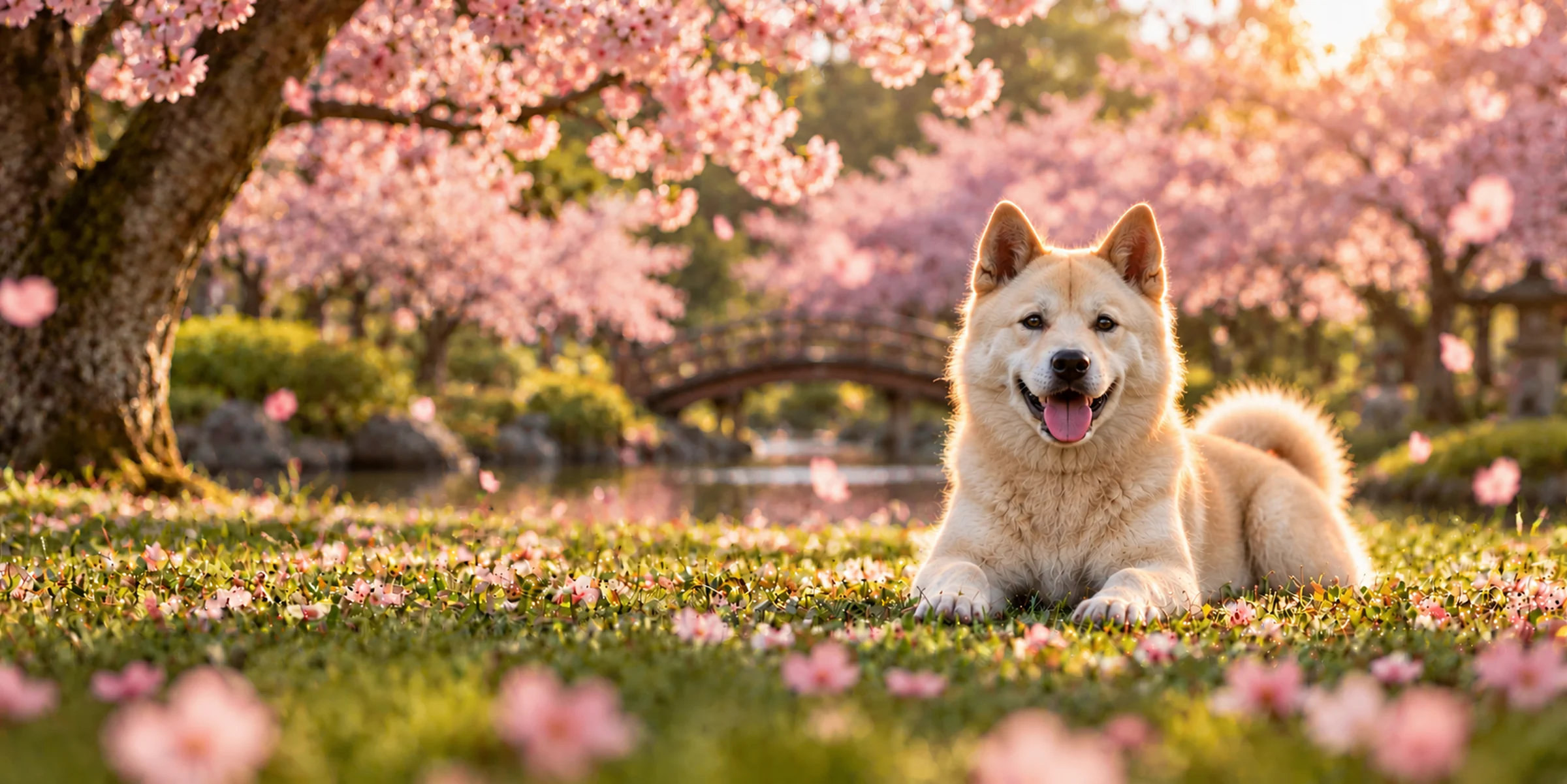
Kishu Ken
The Shikoku's closest relative - another medium boar-hunting spitz from the same part of Japan. The Kishu is usually white and noticeably calmer and quieter; the Shikoku is sesame-coated and more energetic and playful.
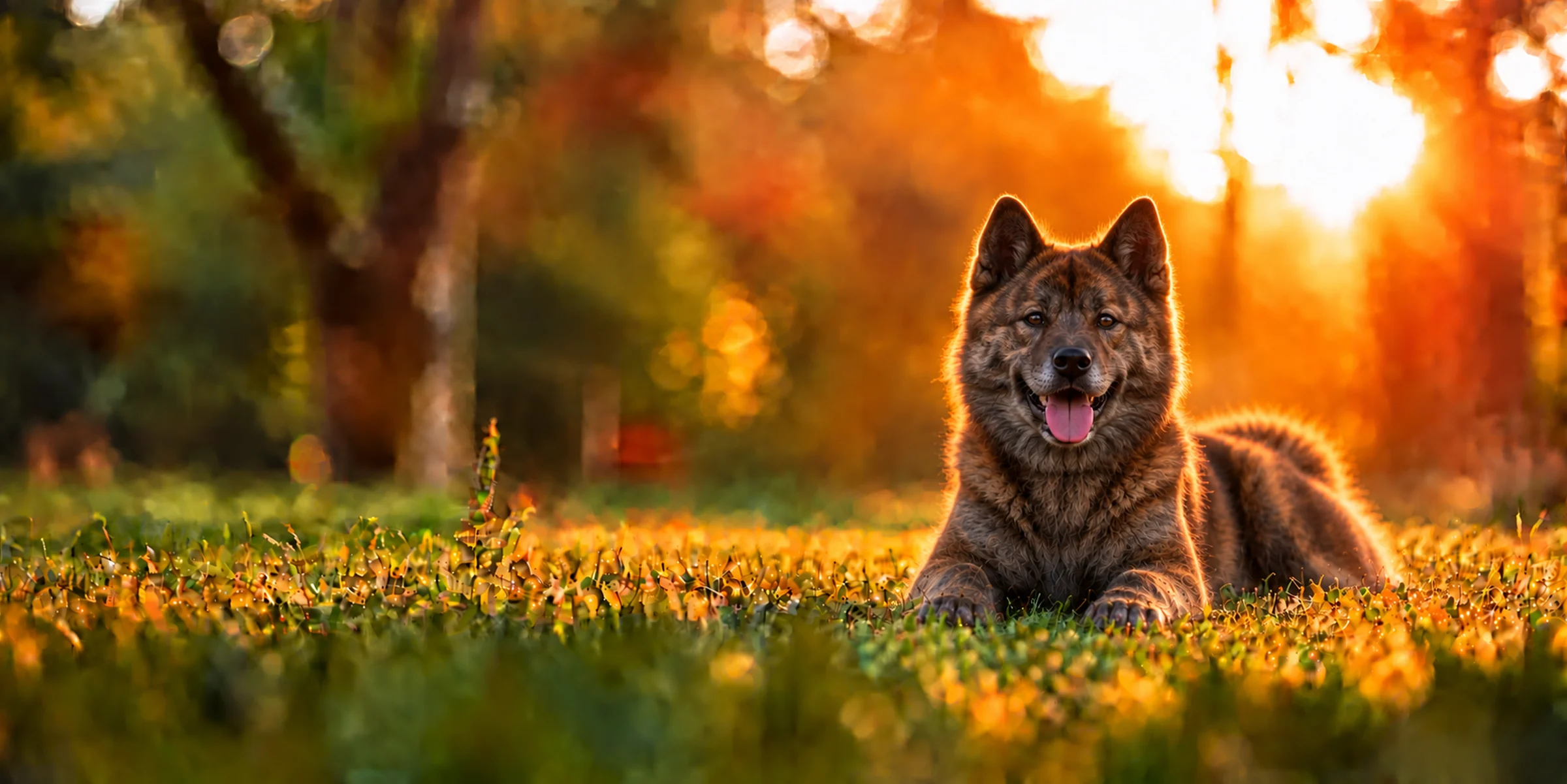
Kai Ken
A medium Japanese mountain hunter with similar loyalty and prey drive. The Kai is brindle, a notable climber and a little more biddable; the Shikoku is more of a runner than a climber and needs even more exercise.
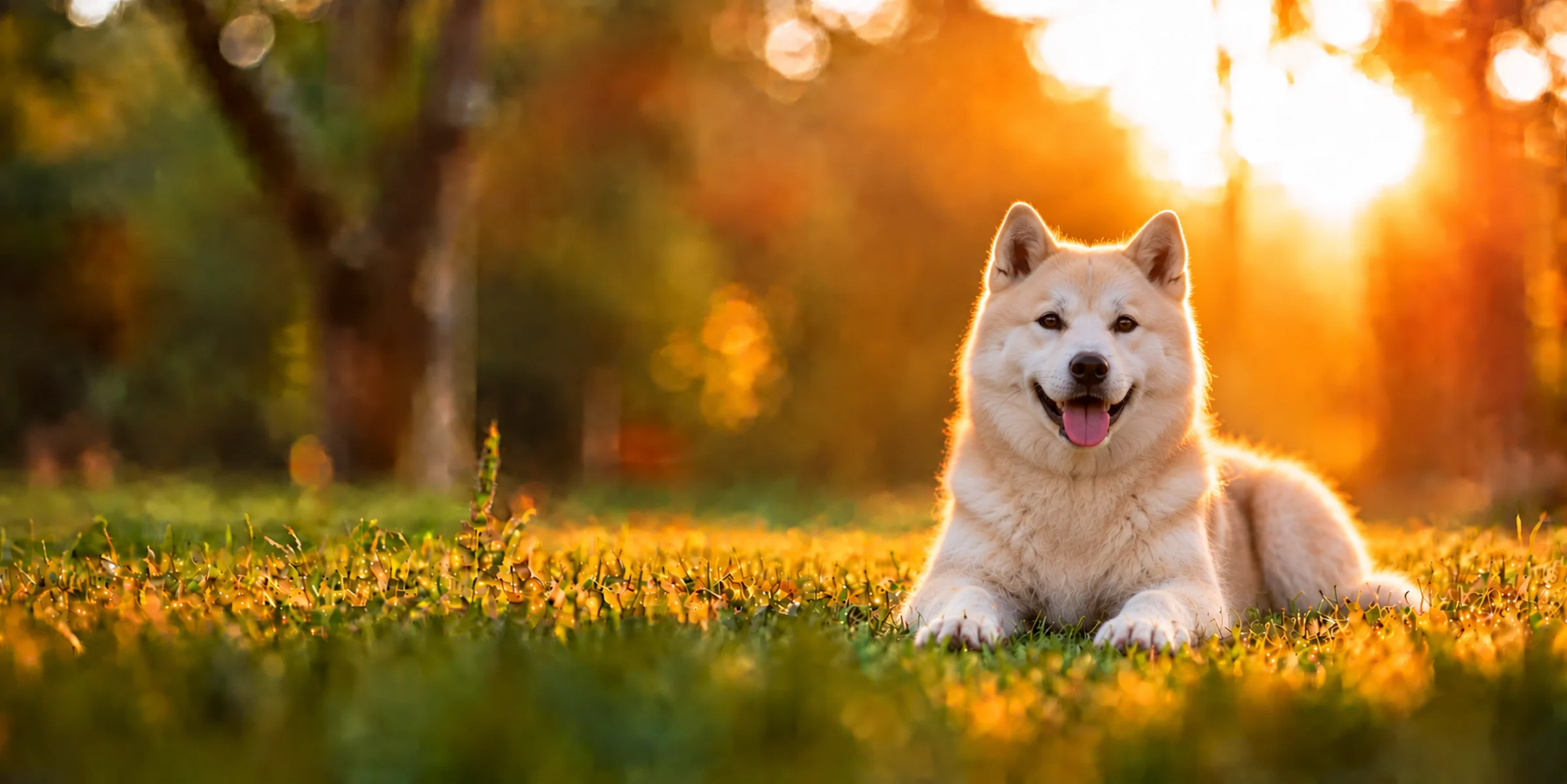
Hokkaido
Another medium Japanese spitz with the same devotion and reserve. The Hokkaido is heavier, thicker-coated and more territorial; the Shikoku is lighter, faster and more of an athlete.
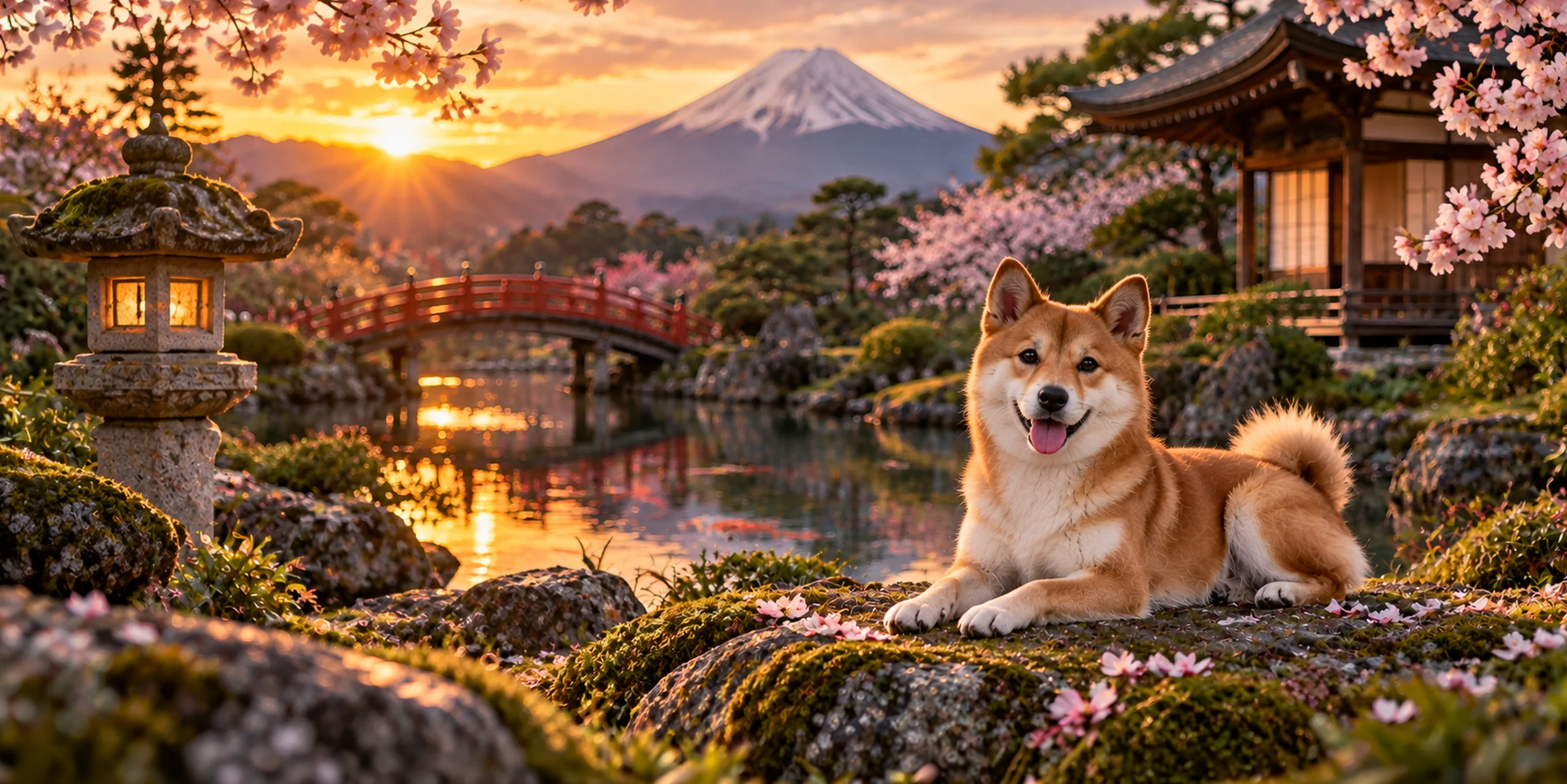
Shiba Inu
The best-known Japanese spitz and the same look in a smaller size. The Shiba is easier to find and fits smaller homes; the Shikoku is larger, far more energetic and generally more engaged with their people.

Tosa
The Japanese mastiff built on Shikoku stock in the 1800s, crossed with Western mastiff and bulldog blood for the fighting ring. Tosas are three times the weight, calm with family, and restricted by law in several countries.