

giant breed
Spanish Mastiff
Spain's livestock guardian, and one of the heaviest working dogs anywhere - large males reach 200 pounds, and the job on the old transhumance routes was to be big enough and loud enough that the wolves did not try. Spanish Mastiffs are calm to the point of looking inert indoors, gentle with their own people and entirely unmoved by strangers. The costs are ropes of drool, a booming bark that runs all night, and a body still growing at three.

Pup Height
28-35 in

Pup Weight
140-200 lb
The AKC's Foundation Stock Service listing gives one figure set for both sexes: 140-200 lb, with height given as a minimum of 28-35 in. The FCI standard behind that listing sets minimum heights rather than ranges - at least 30 in for males and 28 in for females, taller preferred - and gives no weight at all. No color is preferred; yellow, fawn, red, black, wolf gray and red-brown all appear, along with brindle, broken colors and white markings. The coat is thick, dense and medium-length with a goat-hair texture, and the pronounced double dewlap is a breed feature rather than a fault. Recorded in the AKC's Foundation Stock Service, which keeps the studbook but does not grant full recognition. Source: AKC Foundation Stock Service breed standard.

Pup Lifespan
10-12 years
Your pup, at a glance
What’s Life With This Pup Really Like?

Moderate. Affectionate with their own household in a quiet, undemonstrative way - a Spanish Mastiff leans heavily against a leg rather than asking to be fussed over, and the drool comes along for the ride.

Fair to good. Steady and tolerant with children they live with, but 170 pounds of guardian who takes a visiting child's shrieking game seriously is a real safety question rather than a theoretical one. Supervision, every time.

Mixed. A low prey drive and centuries of guarding livestock make them reliable with animals raised alongside them; unfamiliar dogs on their ground, and same-sex dogs in the household, are a different question.

Very high, very deep, and concentrated after dark. Sounding off all night is how a guardian keeps predators at a distance, so this is the breed working rather than misbehaving, and training does not remove it.

Very low. Two unhurried walks and the rest of the day spent lying at a vantage point, saving everything for the one night something comes over the wall.

Heavy. A dense double coat that sheds year-round and comes out in handfuls twice a year, spread over a very large surface area.

Minimal. Puppies lumber around cheerfully; adults are serious, deliberate dogs with next to no interest in fetch or games.

Very high. Loose flews and a pronounced double dewlap mean strings of drool after every drink, and the walls and pant legs take whatever the shake throws.

Low. Bright enough, but bred for centuries to weigh a situation alone and act on the answer, so requests get considered rather than followed.

Maximum. Territorial, imposing, loud after dark and heavy enough to make the warning mean something - which is the whole of what this breed was kept for.

Moderate. A thorough weekly brush most of the year and daily raking through the sheds, plus the wet work: chin, flews and dewlap wiped down every day.

Very low. Spanish Mastiffs need land, serious fencing, cool weather, distance from neighbors and an owner who wanted a guardian, and they do badly when any of those is missing.
Lifestyle fit
Could This Be Your Best Breed?
A Spanish Mastiff costs $2,500 to $4,500 a year, with every vet bill scaled to the weight, and gives ten or twelve years rather than the fourteen a smaller dog does. The breed needs rural land, tall solid fencing, and an owner who wanted a guardian and read the whole description first. A suburban lot with neighbors in earshot of the night shift is not somewhere the breed can work.

Living Space
Rural land with a tall, solid fence and neighbors far enough off not to hear the night shift. Spanish Mastiffs are quiet, sedentary company indoors, but a dog of this weight needs real floor space, a guardian needs a boundary to work, and an apartment or a suburban lot is the wrong answer on every count.

Pup Experience
Experienced owners only, and preferably people who have kept a livestock guardian before. Nothing about the breed is difficult for the sake of being difficult - the problem is that a Spanish Mastiff is a working guardian first and a companion a distant second, and an owner hoping for a large gentle house dog will find the guarding instinct arriving on schedule regardless.

Daily Pup Time
Less exercise than the size suggests - around an hour of steady walking, or the run of a securely fenced property. The real time goes elsewhere: daily drool duty, a thorough brush once or twice a week with far more during the sheds, and two or three years of patient, ongoing socialization.

Allergies & Coat
The Spanish Mastiff scores 7/10 for shedding and 9/10 for drooling. No dog is truly hypoallergenic. The allergens come from dander and saliva, and a dog that sheds and drools this much will leave plenty of both behind - especially on your furniture, floors, and clothes.
Quirks & challenges
The Not-So-Easy Stuff

Two Hundred Pounds of Dog
Large males reach 200 pounds and get there slowly. The vet visit, the vehicle, the doorway and every piece of handling have to be planned around that weight.
Ropes of Drool, All Day
Loose flews and a double dewlap produce slobber after every drink, and one head shake redecorates the wall. Towels in every room, permanently.
Night Barking Is the Job
A deep bark used freely after dark, because announcing their presence is how a guardian keeps predators off. Close neighbors will not tolerate much of this.
They Decide, You Find Out
Bred to judge a threat and act without waiting for instructions. Off-leash recall is unreliable, and a caller at the gate gets the dog's opinion rather than yours.
Fencing Comes First
A guardian keeps widening whatever territory is on offer. Tall, solid perimeter fencing is a prerequisite, not an upgrade to get to later.
Not a Pet-First Breed
Centuries of selection for guarding, none of it for companionship. A Spanish Mastiff in a suburban home is a problem for the dog, the owner and everyone within earshot.
The good, the bad & the hairy
Health, Care & Costs
Understanding the health risks and ongoing costs of a Spanish Mastiff helps you plan for a happy, healthy life together.

10-12 years
$80-$140
per groom (bath, blow-out, de-shed, nails, ears), every 8-12 weeks or done at home ($0-$700/year)
$2,500-$4,500/year
all-in (food, routine vet, grooming, insurance, incidentals)

Health Risks
Conditions this breed is prone to.

The hip joint develops loosely, so the ball grinds in the socket instead of gliding, and arthritis follows. On a dog of this weight the surgical options sit at the top of the orthopedic price range. There is no DNA test, so ask to see scored hips on both parents.
Uneven growth leaves the bones of the elbow fitting badly, which causes front-leg lameness and early arthritis. Common across fast-growing giant breeds, and worth asking about specifically, since plenty of breeders score hips and stop there.
The stomach fills with gas and twists, cutting off its own circulation, and it kills within hours without emergency surgery. A deep, broad chest on a giant frame puts this breed in the highest-risk group - split the meals, keep hard exercise clear of them, and ask a vet about a preventive gastropexy.
The loose facial skin the breed is built around also drags the eyelids out of position. Entropion rolls the lid inward so the lashes scrape the cornea; ectropion droops the lower lid outward and leaves the eye exposed and dry. Both are painful, both are corrected surgically, and both usually show in the first two years.
Panosteitis and osteochondrosis cause shifting lameness in giant puppies growing too fast. Giant-breed puppy food, a lean body and no forced exercise while the growth plates are still open is most of the prevention.
Ten to twelve years is the honest expectation, and the arithmetic that shortens every giant breed applies here: cancer, heart disease and worn joints all arrive earlier on a big frame. Osteosarcoma shows as a limp or a swelling in a leg that does not settle, and deserves an X-ray rather than rest and hope.

Insurance & Health Coverage
Insure young and expect the premium a giant breed attracts. Anesthesia, medication and surgery are all dosed by weight, so every bill on a 180-pound dog lands well above the same treatment on a Labrador.

The claims to plan for are joint surgery, bloat surgery and eyelid correction. Hips and elbows often declare themselves in the first two years, which is exactly when an uninsured owner learns that a policy started after the first limp excludes that joint for life. Bloat is a several-thousand-dollar emergency on whatever night it arrives, and eyelid surgery is common enough here to be worth reading the policy for.

Check the liability side separately. Home insurers and landlords often classify dogs by size and guarding function rather than by breed name, and a rare breed that appears on nobody's list is not the same thing as an approved one. Get the position in writing before the puppy comes home.
Food, fencing and the sheer volume of everything are recurring costs no policy touches.
 Get a Pet Insurance Quote
Care needs
The Daily Routine

Grooming
A thick, dense, medium-length double coat that wants a thorough brush down to the skin once or twice a week, and daily work with an undercoat rake through the spring and fall sheds. The other half of the job is the wet end: wipe the flews, chin and dewlap daily, dry the folds properly afterward, and keep a towel wherever the water bowl lives. Check the drop ears weekly, keep the nails short - a dog this heavy cannot carry long nails without the feet paying for it - and never shave the coat.

Exercise
About an hour of unhurried walking a day, on leash or inside a secure fence, and that is genuinely enough. Spanish Mastiffs are not athletes and have no ambition to become one; what they want is ground to be responsible for. Puppies need restraint rather than mileage - no forced running, no jumping, no long hikes until growth finishes at around two years, because the joints of a dog headed for 180 pounds are the easiest thing to ruin early.

Food & Weight
Giant-breed puppy food and slow, controlled growth matter more here than in most breeds: a fast-grown Spanish Mastiff puppy is a joint problem on a delay. Adults do best kept genuinely lean, on two or three measured meals a day rather than one large one, with hard exercise kept clear of feeding because of the bloat risk. Feeding a dog this size is a real line in the annual budget, not a rounding error.
Similar breeds
If This Isn’t Quite the One
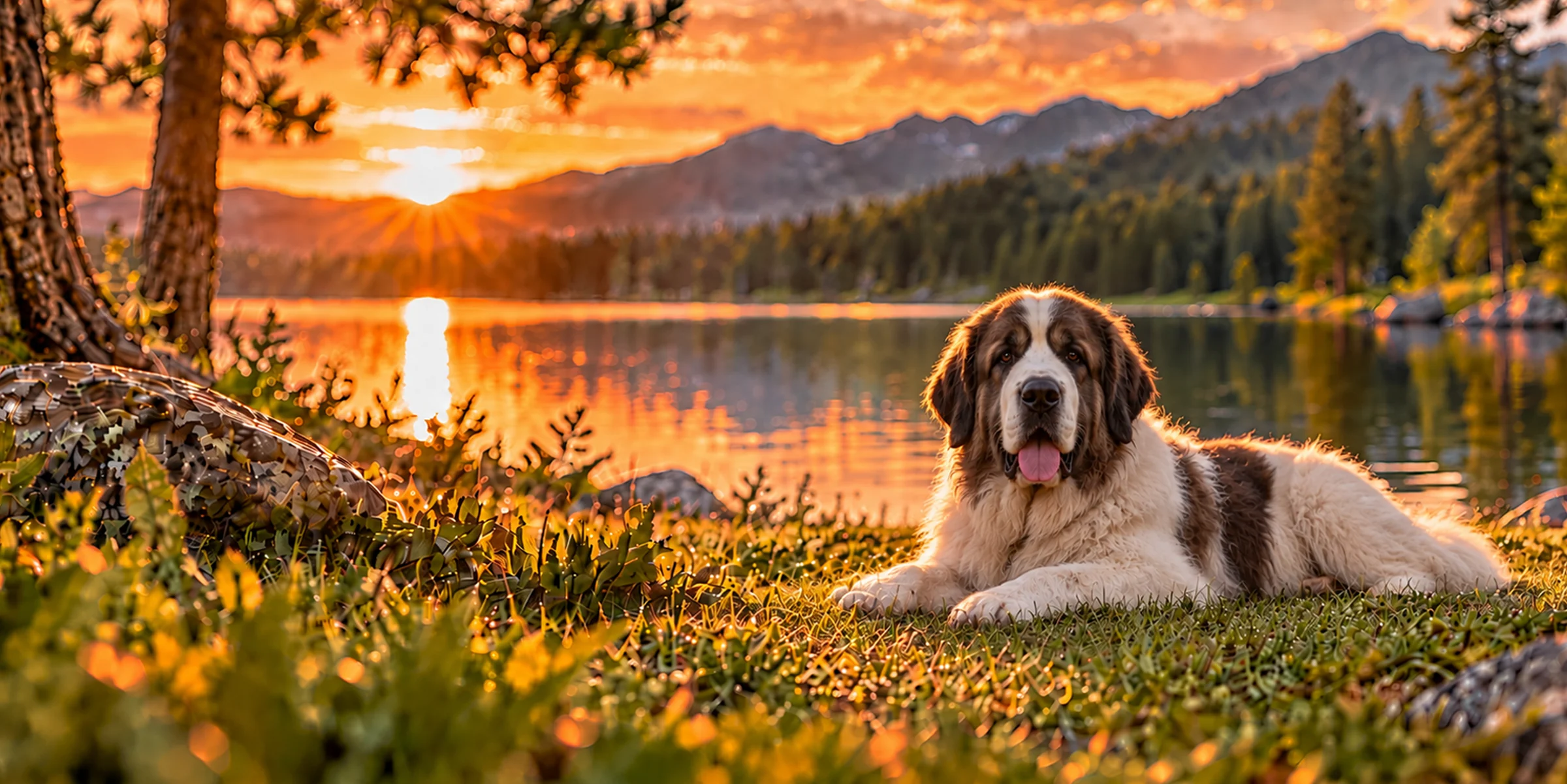
Pyrenean Mastiff
Spain's other giant mastiff-type flock guardian, and the closest comparison on this list. The Pyrenean Mastiff is white with a colored mask and patches, a shade lighter, and noticeably warmer with people and other animals; the Spanish Mastiff is heavier, more aloof, more vocal after dark and drools considerably more.
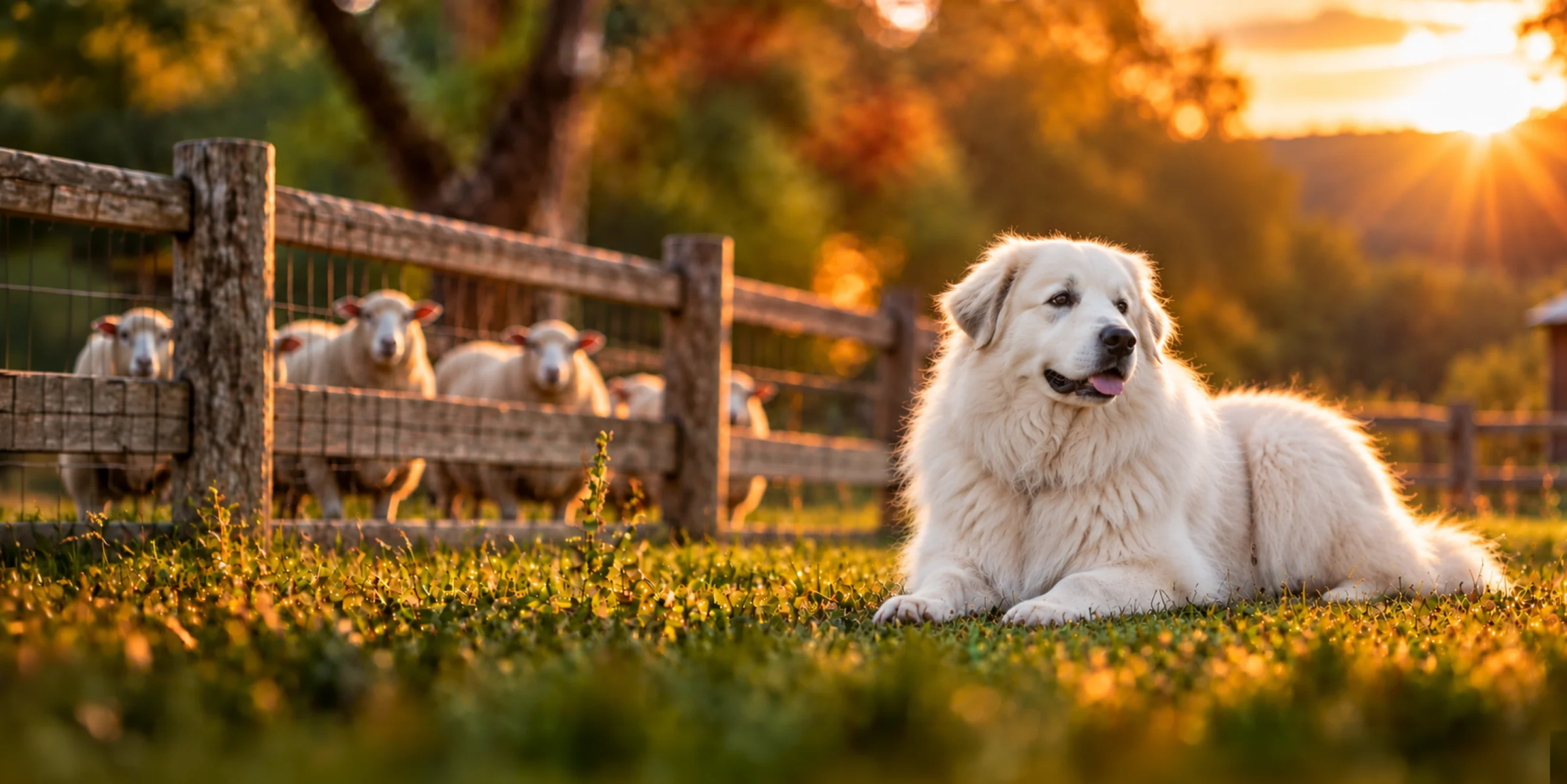
Great Pyrenees
The white guardian from the French side of the same mountains, and the breed most people who want this look actually end up with. The Great Pyrenees is a great deal lighter, barely drools and fits an ordinary family home far more readily; the Spanish Mastiff is a slower, heavier, messier mastiff type with much less interest in people.
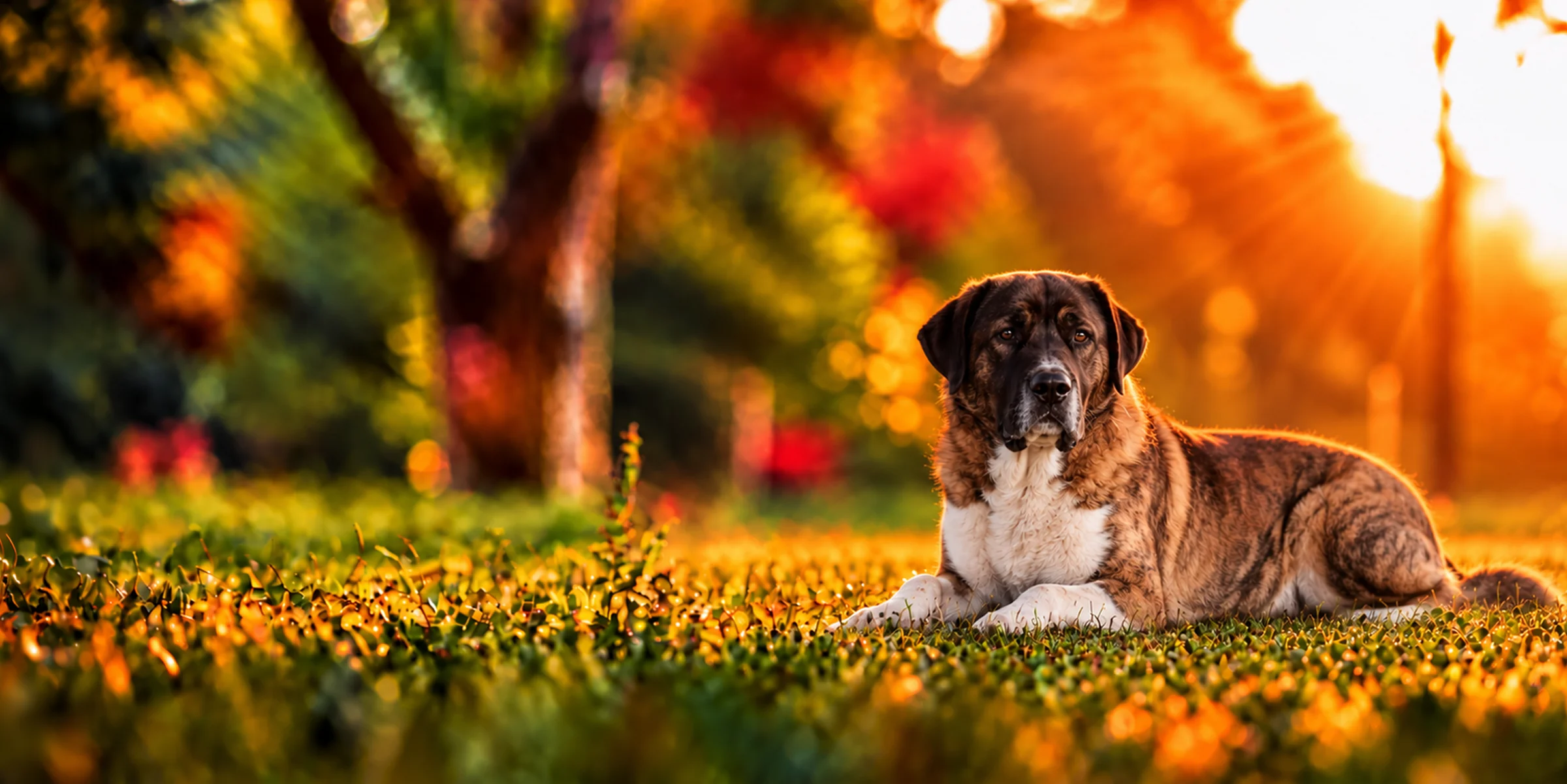
Rafeiro do Alentejo
Portugal's estate and flock guardian, with the same night-watch barking and the same self-directed mind. The Rafeiro carries a shorter, easier coat, drools far less and is lighter through the body; the Spanish Mastiff is bigger, heavier-boned and a much wetter dog to live with.
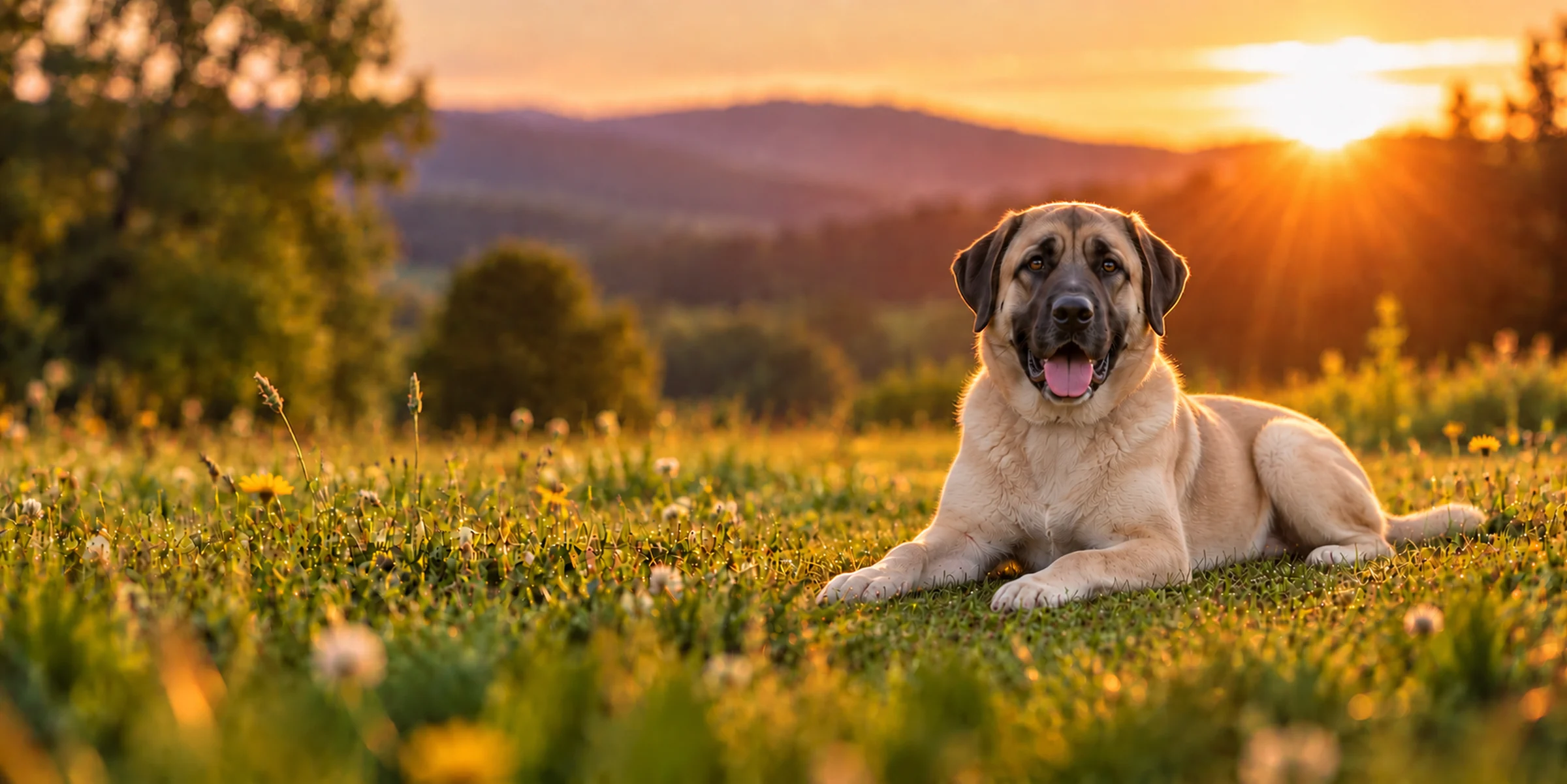
Anatolian Shepherd Dog
A livestock guardian with the same brief and the same habit of deciding things alone. The Anatolian is leaner, quicker and genuinely athletic, and sharper with strangers and strange dogs; the Spanish Mastiff is ponderous and slow to escalate, and would rather block a doorway than run anything down.