

medium-to-large breed
Norwegian Elkhound
An ancient Scandinavian spitz bred to track moose through forest and hold them at bay with barking until the hunter arrived - work that rewarded stamina, a great nose and a loud dog who made decisions alone. Norwegian Elkhounds are affectionate and playful at home and happiest outdoors in cold weather. The shedding is what people underestimate: a dense double coat that comes out in clumps twice a year and keeps going in between.

Pup Height
19.5-20.5 in

Pup Weight
48-55 lb
Males about 20.5 in and 55 lb, females about 19.5 in and 48 lb. Always gray - a lighter undercoat, black-tipped guard hairs forming a darker saddle, a darker muzzle and ears, and lighter legs, belly and underside of the tail; any overall color other than gray is a very serious fault. A thick, hard, weather-resistant double coat, prick ears and a tail curled tightly over the back. The Black Norwegian Elkhound is a separate breed recognized by the FCI and Norway, not the AKC. Source: AKC breed standard.

Pup Lifespan
12-15 years
Your pup, at a glance
What’s Life With This Pup Really Like?

Affectionate. Elkhounds like to be near their people and enjoy attention, without being clingy.

Very good. Playful and sturdy with sensible children, though an exuberant youngster can knock over a toddler.

Mixed. Often fine with dogs and cats raised alongside them, but same-sex tension and prey drive toward small animals both occur.

High. Barking was their hunting job, and they still use it freely to announce anything.

High. A tireless hunting dog that needs about an hour of real exercise daily.

Very heavy. A dense double coat that sheds all year and blows out in clumps twice a year.

Playful and bold. Norwegian Elkhounds enjoy games and outdoor adventures, especially in cold weather.

Minimal. A dry-mouthed breed.

Moderate. Clever and food-motivated, but independent and quickly bored by repetition.

High. Alert and vocal, quick to sound off at strangers and unusual noises.

Moderate. Brushing a couple of times a week, daily during the blowouts, and no trimming.

Moderate. Content in many homes with enough exercise, but the barking and poor heat tolerance limit where they thrive.
Lifestyle fit
Could This Be Your Best Breed?
Norwegian Elkhounds want an active household in a cool climate with a fenced yard, and an owner who accepts that off-leash freedom is off the table, because the nose wins. Twelve to fifteen years at $1,800 to $3,200 a year, plus a vacuum you genuinely like. Somewhere hot, or an apartment with neighbors through the wall, is where this breed comes apart.

Living Space
A house with a securely fenced yard suits them best. Norwegian Elkhounds are hardy in the cold and uncomfortable in heat, they bark readily, and their nose will take them over the horizon if a gate is left open.

Pup Experience
Workable for a first-time owner who is patient and consistent, though easier with some dog experience. Elkhounds are clever and friendly but independent, and they respond to fair, varied training rather than repetition or force.

Daily Pup Time
About an hour of real exercise a day - long walks, hiking or jogging - plus a couple of brushings a week and daily brushing through the heavy seasonal sheds.

Allergies & Coat
The Norwegian Elkhound scores 9/10 for shedding and 1/10 for drooling. No dog is truly hypoallergenic. The allergens come from dander and saliva, and a dog that sheds this much will leave plenty of hair behind - especially on your furniture, floors, and clothes.
Quirks & challenges
The Not-So-Easy Stuff

Barking
Barking was the job - the dog held game at bay with voice. Expect alert barking and plan early for a quiet cue.
Heavy Shedding
A dense double coat that sheds steadily and blows out in big clumps, usually twice a year.
Independent Streak
Smart and quick to learn, but not eager to repeat things. Short, varied sessions work far better than drilling.
Unreliable Recall
A strong tracking nose and a habit of ranging ahead. Keep them leashed or fenced unless recall is truly proven.
Food Motivated
Elkhounds love to eat and gain weight easily. Treats need to come out of the daily ration.
Heat Sensitivity
Built for Norwegian winters. Hot-weather exercise belongs early and late, with shade and water on hand.
The good, the bad & the hairy
Health, Care & Costs
Understanding the health risks and ongoing costs of a Norwegian Elkhound helps you plan for a happy, healthy life together.

12-15 years
$60-$100
per groom (bath, blow-out, de-shed, nails), a few times a year or done at home ($0-$400/year)
$1,800-$3,200/year
all-in (food, routine vet, grooming, insurance, incidentals)

Health Risks
Conditions this breed is prone to.

The hip joint forms loosely and wears into arthritis, showing as stiffness or reluctance to jump. Both parents should have hip evaluations, and keeping the dog lean does a great deal to protect the joints.
PRA gradually destroys the retina and leads to blindness; a DNA test exists for at least one early-onset form, so ask what the breeder has tested. Primary open-angle glaucoma also occurs in the breed and has a DNA test (ADAMTS10). Annual eye exams catch both early.
An underactive thyroid is common in the breed, causing weight gain, low energy and a dull, thinning coat. A blood test diagnoses it and a daily tablet manages it for life.
Norwegian Elkhounds are among the breeds prone to inherited kidney problems, including Fanconi syndrome, where the kidneys leak glucose and other nutrients into the urine, and renal dysplasia. Early signs are heavy drinking and urinating; urine tests catch it, and there is no DNA test for the Elkhound form.
The breed is prone to benign skin cysts and lumps under the coat. Most are harmless, but any new or changing lump should be checked by a vet, since only a sample can tell a cyst from something more serious.
A hearty appetite on a compact frame makes weight gain easy, and extra pounds worsen joint problems and hide hypothyroidism. Measure meals and check the waistline under that thick coat by hand.

Insurance & Health Coverage
Insure young. Norwegian Elkhounds are generally sturdy and long-lived, but a long life means many years of claims, and the conditions that matter - hips, thyroid, kidneys and eyes - tend to show up in middle age, when a note on the record becomes a permanent exclusion.

Kidney disease is the claim to think about. Ongoing blood and urine monitoring, medication and special diets add up over years rather than arriving as one bill, so check whether a policy covers chronic conditions for life or caps them annually.

Hip and eye problems are partly inherited. Hip evaluations and eye exams on both parents, plus DNA results where tests exist, do more to protect you than any policy. Ask the breeder for the paperwork before you commit.
 Get a Pet Insurance Quote
Care needs
The Daily Routine

Grooming
A thick double coat that needs brushing a couple of times a week and daily during the seasonal blowouts, when an undercoat rake does most of the work. The coat stays fairly clean and odor-free, so baths are occasional. No trimming needed beyond the feet - never shave the coat. Trim nails and check ears regularly.

Exercise
About an hour a day of genuine activity - brisk walks, hiking, jogging or tracking. Norwegian Elkhounds have real stamina and love cold-weather outings, but should stay on leash or inside a secure fence, and summer exercise needs to happen in the cool of the day.

Food & Weight
Elkhounds are food-loving and gain weight easily, so measure meals, count training treats and keep them lean enough that you can feel the ribs under the coat. Unexplained weight gain is worth a thyroid check.
Similar breeds
If This Isn’t Quite the One
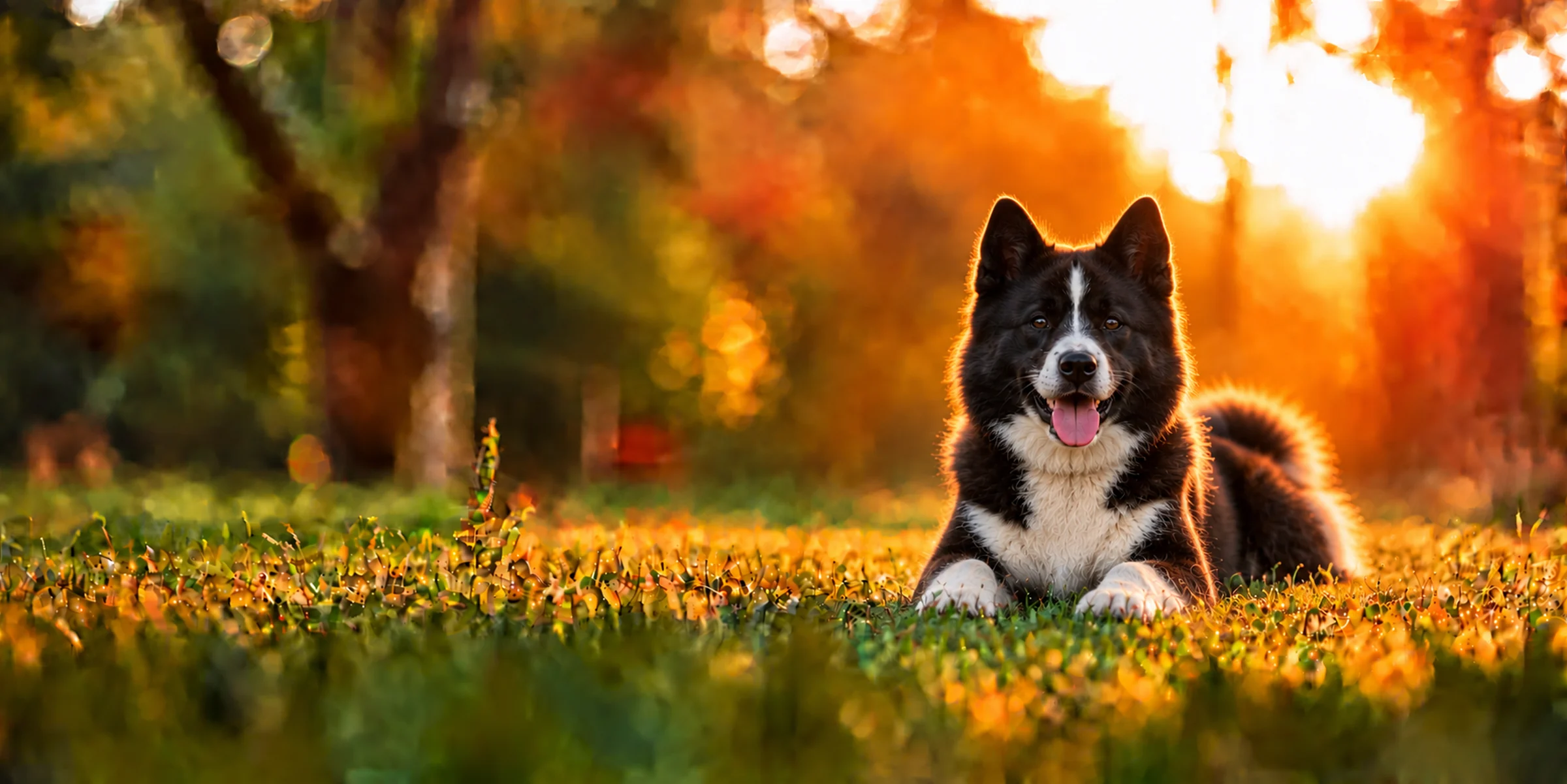
Karelian Bear Dog
A close Nordic cousin also bred to hold big game at bay with barking. The Karelian is black and white and far more intense, with a strong dog-aggressive streak; the Elkhound is friendlier and easier to live with.
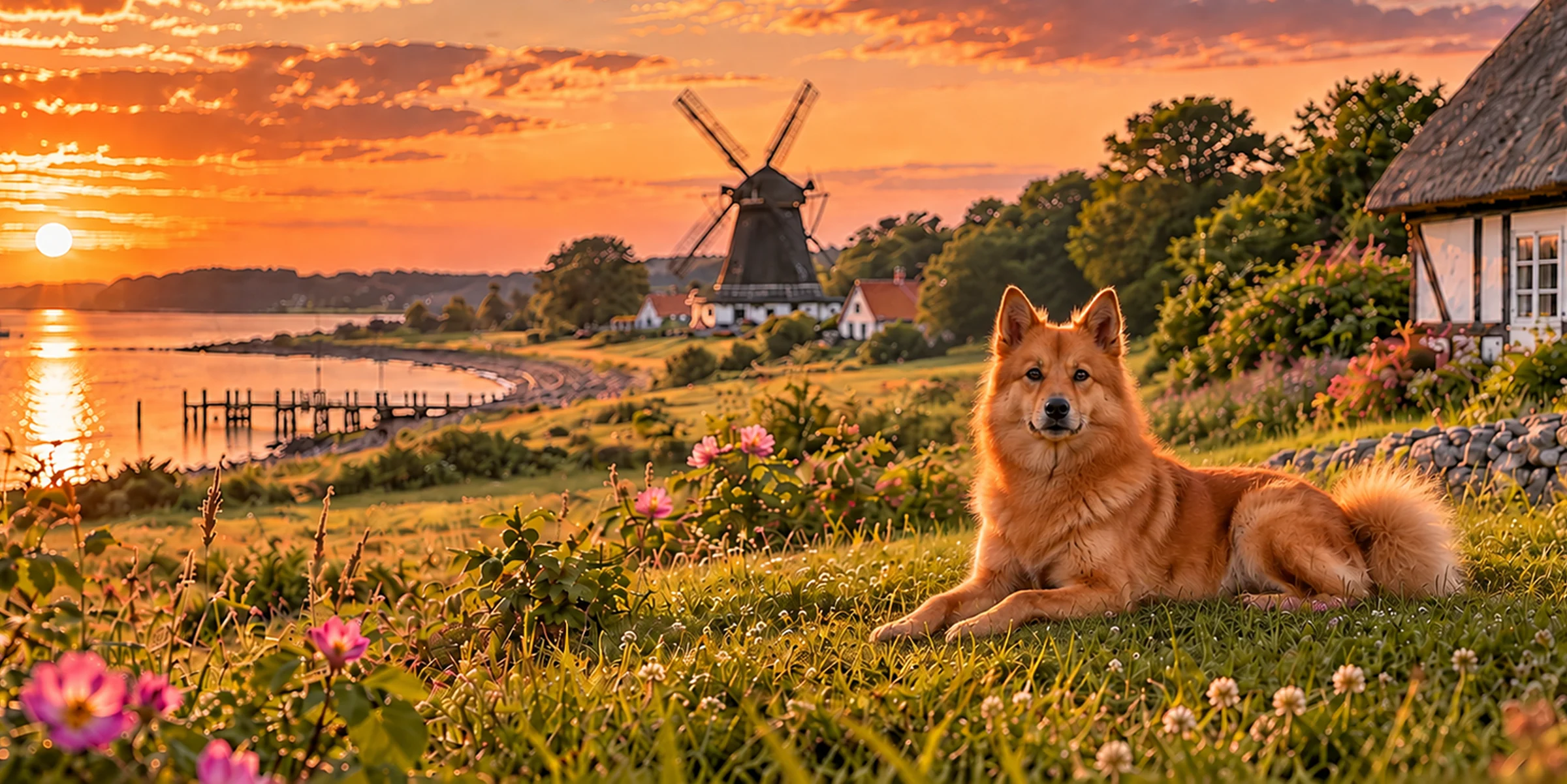
Finnish Spitz
Another Nordic barking hunter with a curled tail and an independent mind. The Finnish Spitz is smaller, red and even more vocal; the Elkhound is sturdier and was built for moose rather than birds.
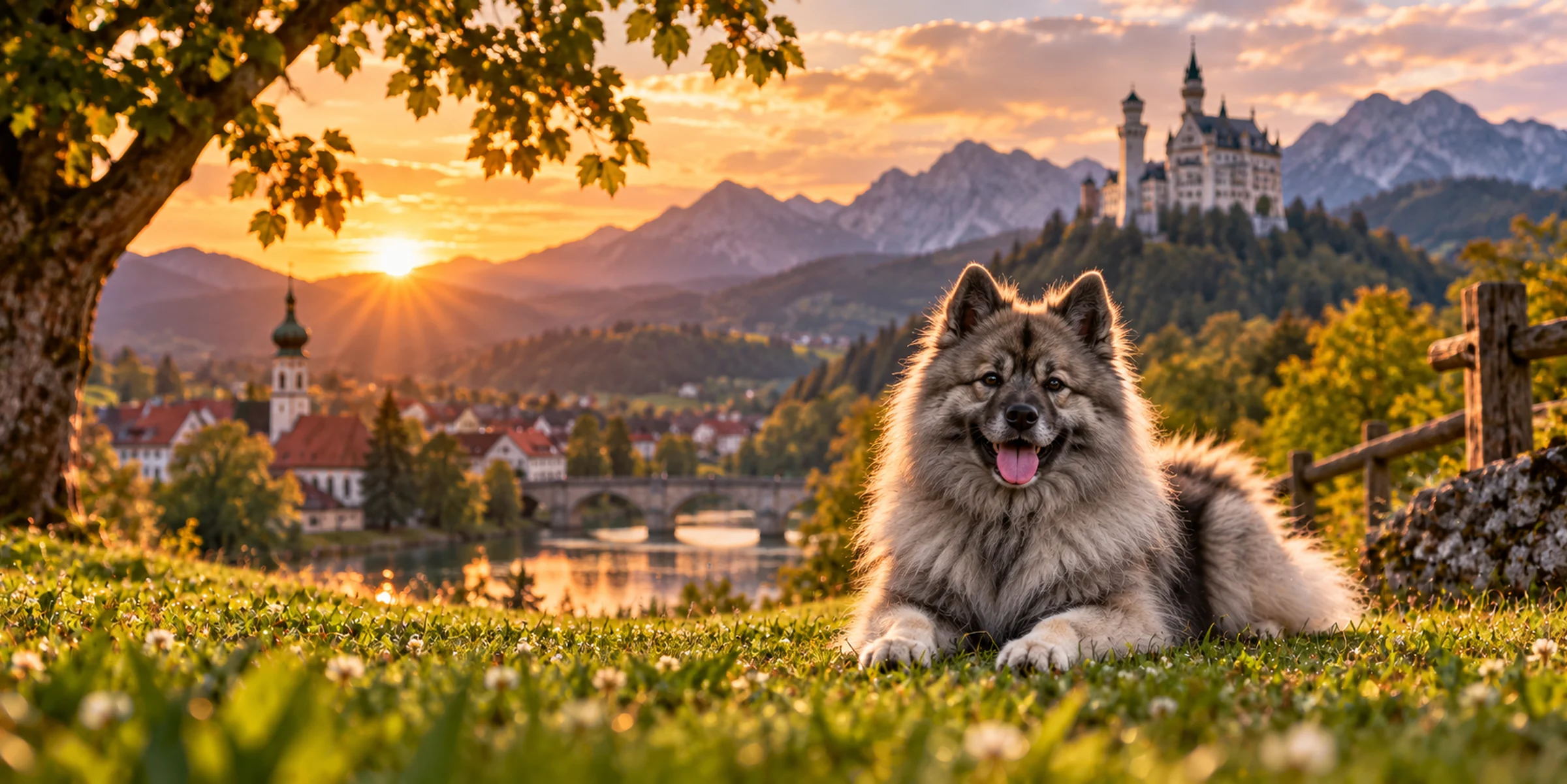
Keeshond
A similar-sized gray spitz with a heavy coat and a watchful bark. The Keeshond was bred as a companion and is more eager to please; the Elkhound is a hunter with more stamina and independence.
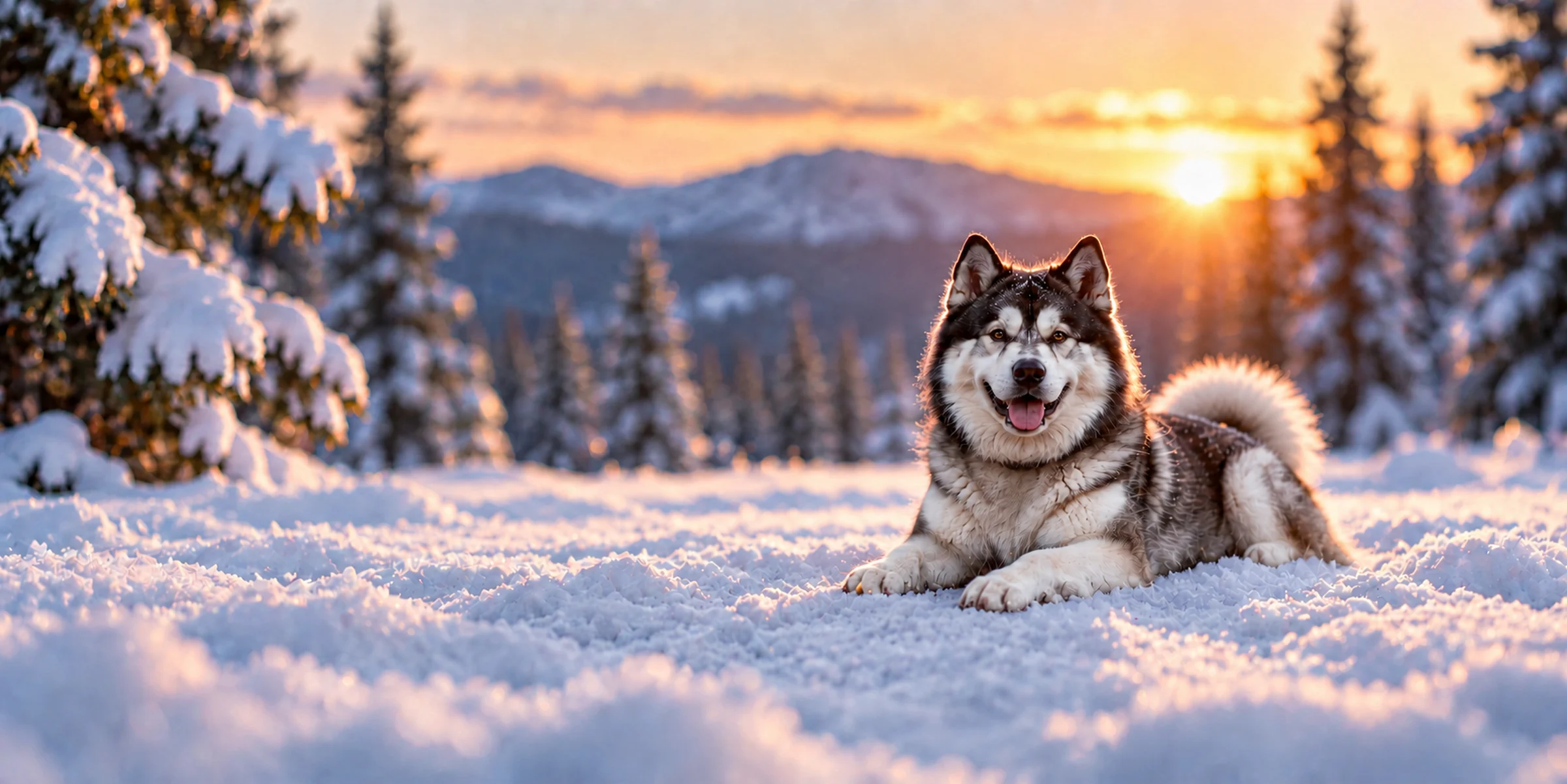
Alaskan Malamute
A northern spitz with the same cold-hardiness, heavy shedding and independent streak. The Malamute is much bigger and stronger and built to pull; the Elkhound is a more manageable medium size.