

small-to-medium breed
Norwegian Lundehund
Farmers on the islands off northern Norway kept these small spitz dogs to climb sea cliffs and pull puffins out of rock crevices, and when nets replaced them the breed came within a handful of dogs of disappearing. That bottleneck is the headline. Every Lundehund alive descends from the same few survivors, studies place the breed among the most inbred known, and most carry a real risk of Lundehund syndrome, a protein-losing gut disease.

Pup Height
12-15 in
Males 13-15 in, females 12-14 in, with a body slightly longer than tall; the AKC standard sets no weight. At least six toes on every foot, an elastic neck, shoulders that let the front legs reach flat out to the side, and erect ears that fold shut - all required, not optional extras. Fallow to reddish brown to tan with black hair tips and white markings, or white with red or dark markings. A harsh double coat, shown untrimmed. Recognized by the AKC in 2011. Source: AKC breed standard.

Pup Weight
20-30 lb

Pup Lifespan
12-15 years
Your pup, at a glance
What’s Life With This Pup Really Like?

Moderate. Affectionate and loyal with their own people, but on their own terms rather than a constant lap dog.

Fair. Usually fine with gentle, older children in the family; reserved and inclined to leave when handling gets rough.

Fair. Generally sociable with other dogs, but birds and small pets bring out the puffin-hunting instinct.

Moderate. They bark to alert at visitors and noises without being nonstop barkers.

Fairly high. Lively, curious and quick, happiest with daily walks, climbing and something to investigate.

Moderately heavy. A dense double coat that sheds steadily and blows out heavily about twice a year.

Curious and inventive. Norwegian Lundehunds love to explore, climb and carry off treasures to hide.

Minimal. A dry-mouthed spitz.

Low to moderate. Bright, but independent and famously slow to housetrain, so progress takes patience.

Good. Alert and wary of strangers, quick to announce anyone arriving.

Low. A weekly brush for an untrimmed coat, plus frequent nail care on all those extra toes.

Moderate. Small enough for an apartment, but the escape skills, housetraining and sensitive gut all need managing.
Lifestyle fit
Could This Be Your Best Breed?
Norwegian Lundehunds are apartment-sized, but suit an owner who has kept a primitive breed before: housetraining can run for many months, and the fencing has to hold a dog who climbs. Twelve to fifteen years at $1,500 to $3,000 a year, more with a prescription diet. Taking one on means accepting that the gut disease may arrive, and anyone wanting a safe bet should leave this breed to the people rebuilding it.

Living Space
A small dog who can manage in an apartment or a house, provided the home is escape-proof. Norwegian Lundehunds climb, squeeze and scramble better than almost any breed, so fences need to be tall with no gaps and nothing to climb, and balconies need real barriers.

Pup Experience
Better with an owner who has lived with an independent, primitive-type breed before. Lundehunds are not difficult to love, but they are slow to housetrain, wary of strangers and uninterested in obeying for its own sake, and the breed's gut disease asks for an owner who pays close attention to diet and stool.

Daily Pup Time
About an hour of walks and play daily, plus puzzle and scent games. Grooming is a quick weekly brush, more during the seasonal shed, and regular work on a lot of nails.

Allergies & Coat
The Norwegian Lundehund scores 7/10 for shedding and 1/10 for drooling. No dog is truly hypoallergenic. The allergens come from dander and saliva, and a dog that sheds this much will leave plenty of hair behind - especially on your furniture, floors, and clothes.
Quirks & challenges
The Not-So-Easy Stuff

Slow to Housetrain
Many take far longer than other breeds, and some are never fully reliable. Crate training, a strict schedule and patience matter.
Lundehund Syndrome
A serious inherited gut disease that most of the breed is at risk of. Diet and close monitoring are lifelong.
Escape Artists
Built to climb cliffs and squeeze into crevices. Fences, gates and balconies need checking with that in mind.
Wary of Strangers
Reserved with new people by design. Early, gentle socialization keeps caution from becoming nervousness.
Hoarding and Hiding
Food, toys and household items get carried off and stashed. Keep valuables and anything swallowable out of reach.
Very Hard to Find
A rare breed with a small breeding population, so expect a long wait and a careful breeder.
The good, the bad & the hairy
Health, Care & Costs
Understanding the health risks and ongoing costs of a Norwegian Lundehund helps you plan for a happy, healthy life together.

12-15 years
$40-$70
per groom (bath, de-shed, nails), a few times a year or done at home ($0-$250/year)
$1,500-$3,000/year
all-in (food, routine vet, grooming, insurance, incidentals), more if Lundehund syndrome needs a prescription diet

Health Risks
Conditions this breed is prone to.

The defining health problem of the breed: a group of digestive disorders centered on intestinal lymphangiectasia, where the gut's lymph vessels leak and protein is lost through the intestine (protein-losing enteropathy). Signs include diarrhea, vomiting, weight loss and, in bad flares, fluid build-up in the belly. It can often be managed with a low-fat, highly digestible diet, supplements and sometimes medication, but not cured, and severe cases are fatal. There is no DNA test that screens for it, and because of the breed's bottleneck most Lundehunds are thought to carry the risk, so choose a breeder who tracks it in their lines and tells you honestly.
Chronic inflammation that thins the stomach lining often accompanies Lundehund syndrome, and it raises the risk of gastric carcinoma in older dogs. Persistent vomiting, poor appetite or weight loss in an adult deserve a vet visit rather than waiting.
Every Lundehund alive descends from a handful of dogs, and studies show the breed is among the most inbred known, which is linked to small litters and fertility problems. Norway's breed club began a controlled outcross project with the Norwegian Buhund, Icelandic Sheepdog and Norrbottenspets to widen the gene pool.
Missing premolars are so common in the breed that the standard allows them. It rarely causes problems, but the remaining teeth still need regular brushing and dental checks.
Six or more toes on each foot means extra nails, some of which do not wear down on walks and can overgrow, split or snag. Check and trim them every couple of weeks.
Sudden food changes, fatty table scraps and stress can all set off a gut flare in a dog prone to Lundehund syndrome. Change diets slowly, keep treats bland and note any change in stools early.

Insurance & Health Coverage
Insure the day the puppy comes home. Lundehund syndrome is the claim to plan for, and it can appear at any age; once a vet notes diarrhea, low protein levels or a gut workup on the record, a new policy will exclude it for good.

The costs arrive as a long series rather than one bill - blood tests, ultrasound, sometimes endoscopy and biopsies, prescription diets and repeat visits during flares. Check that a policy covers chronic conditions for life rather than resetting or capping them each year, and whether it pays for prescription food.

Because the disease is inherited, some insurers treat it as hereditary or congenital, so read how the policy words those exclusions before you commit. No test protects you here - a breeder who is open about the syndrome in their dogs is the best information you will get.
 Get a Pet Insurance Quote
Care needs
The Daily Routine

Grooming
A harsh double coat that needs a brush once a week for most of the year and daily work with an undercoat rake when it sheds heavily, usually twice a year. Occasional baths only, no trimming. The real grooming job is the feet: every foot has six or more toes, so trim nails every couple of weeks and check between the toes and the extra pads.

Exercise
About an hour a day of walks, play and exploring, plus puzzle toys and scent games for the mind. Norwegian Lundehunds are nimble climbers and enjoy hiking on varied ground, but they should stay on a leash or inside a fence they cannot scale or squeeze through.

Food & Weight
Diet matters more for this breed than for almost any other. Many breeders recommend a consistent, highly digestible, lower-fat diet, changed only gradually, with few rich treats. Weigh the dog regularly: unexplained weight loss can be the first sign of a Lundehund syndrome flare, and it is worth a vet call early.
Similar breeds
If This Isn’t Quite the One
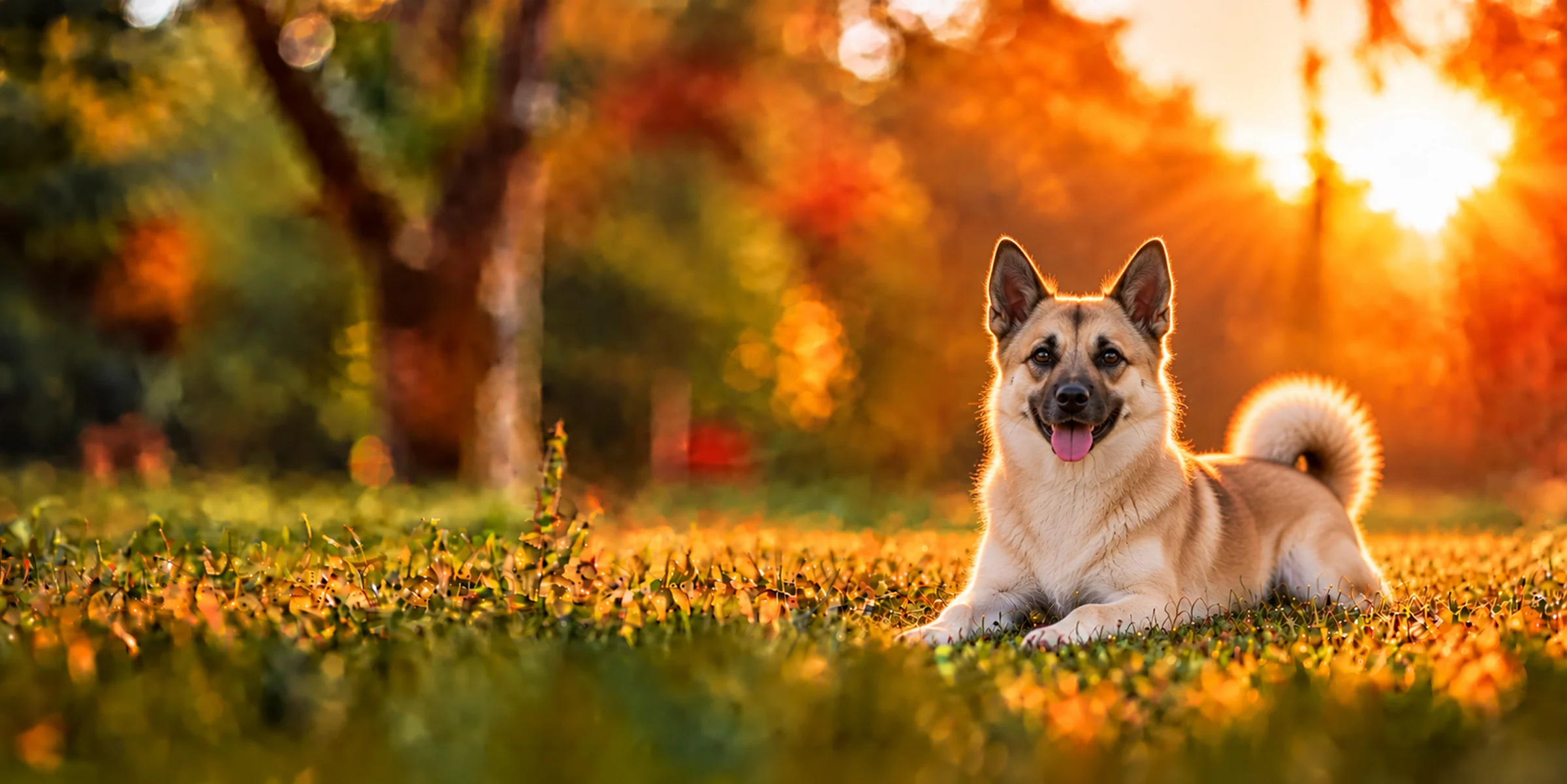
Norwegian Buhund
A fellow Norwegian farm spitz and one of the breeds used in the Lundehund outcross project. The Buhund is larger, friendlier with strangers, far easier to train and much healthier; the Lundehund is more reserved, more unusual and carries a serious inherited gut disease.
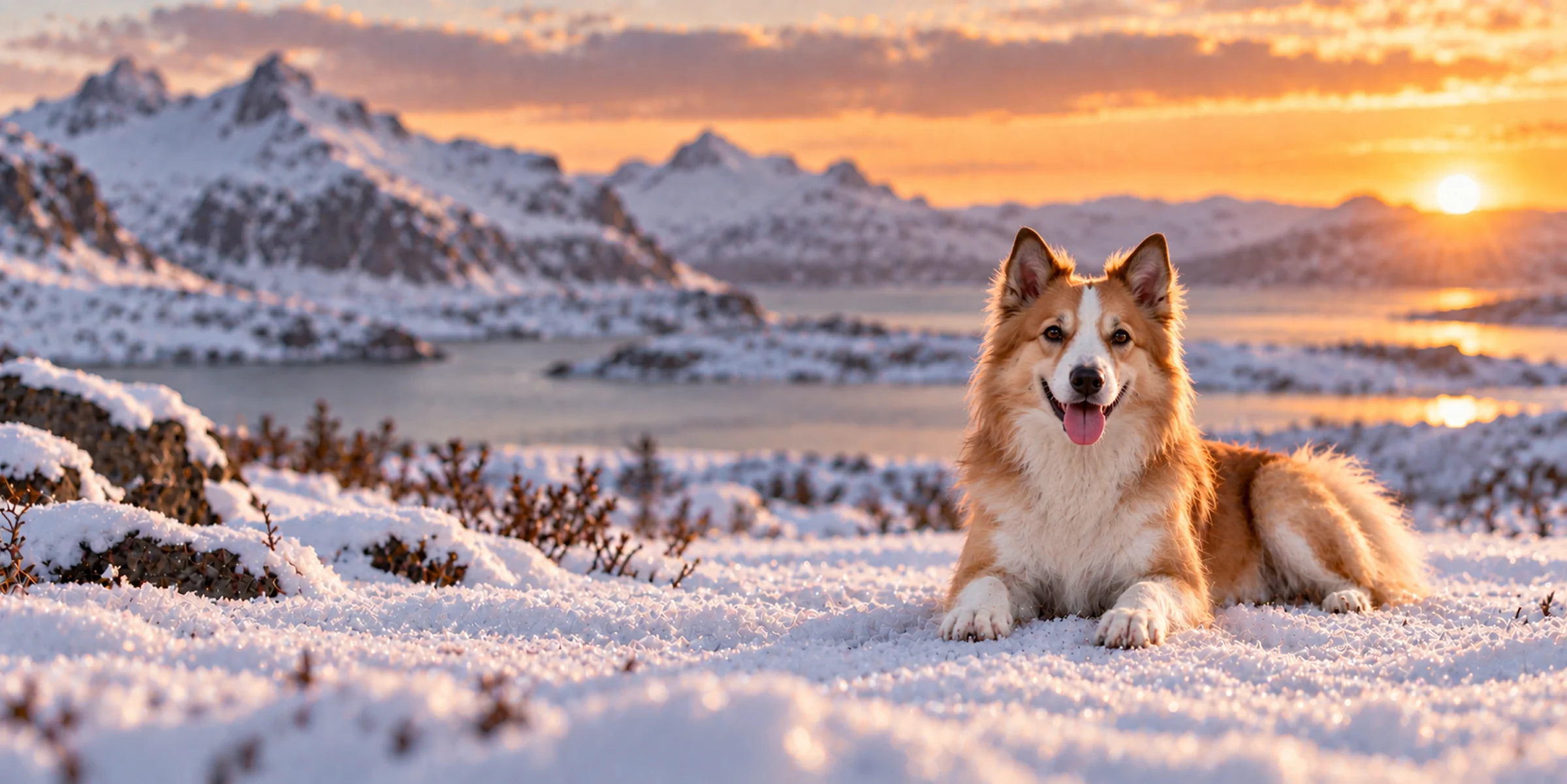
Icelandic Sheepdog
Another small Nordic spitz, also nearly lost and also used to widen the Lundehund gene pool. The Icelandic is outgoing with everyone and eager to please; the Lundehund is warier, more independent and much harder to housetrain.
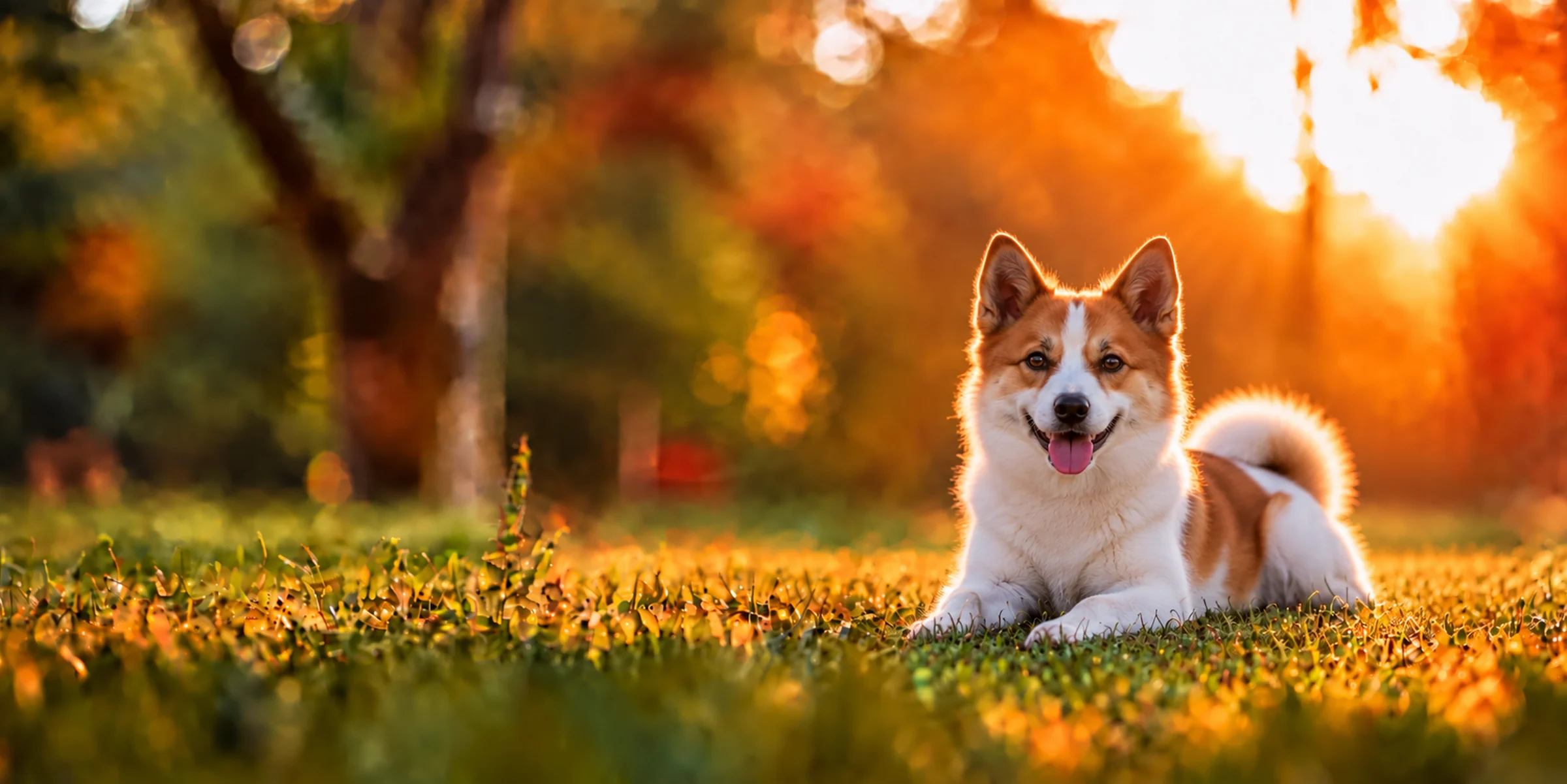
Norrbottenspets
A small northern spitz of similar size, and the third outcross partner. The Norrbottenspets is a keen hunting dog with a big voice and a sturdier constitution; the Lundehund is quieter, more of a climber and more fragile in health.
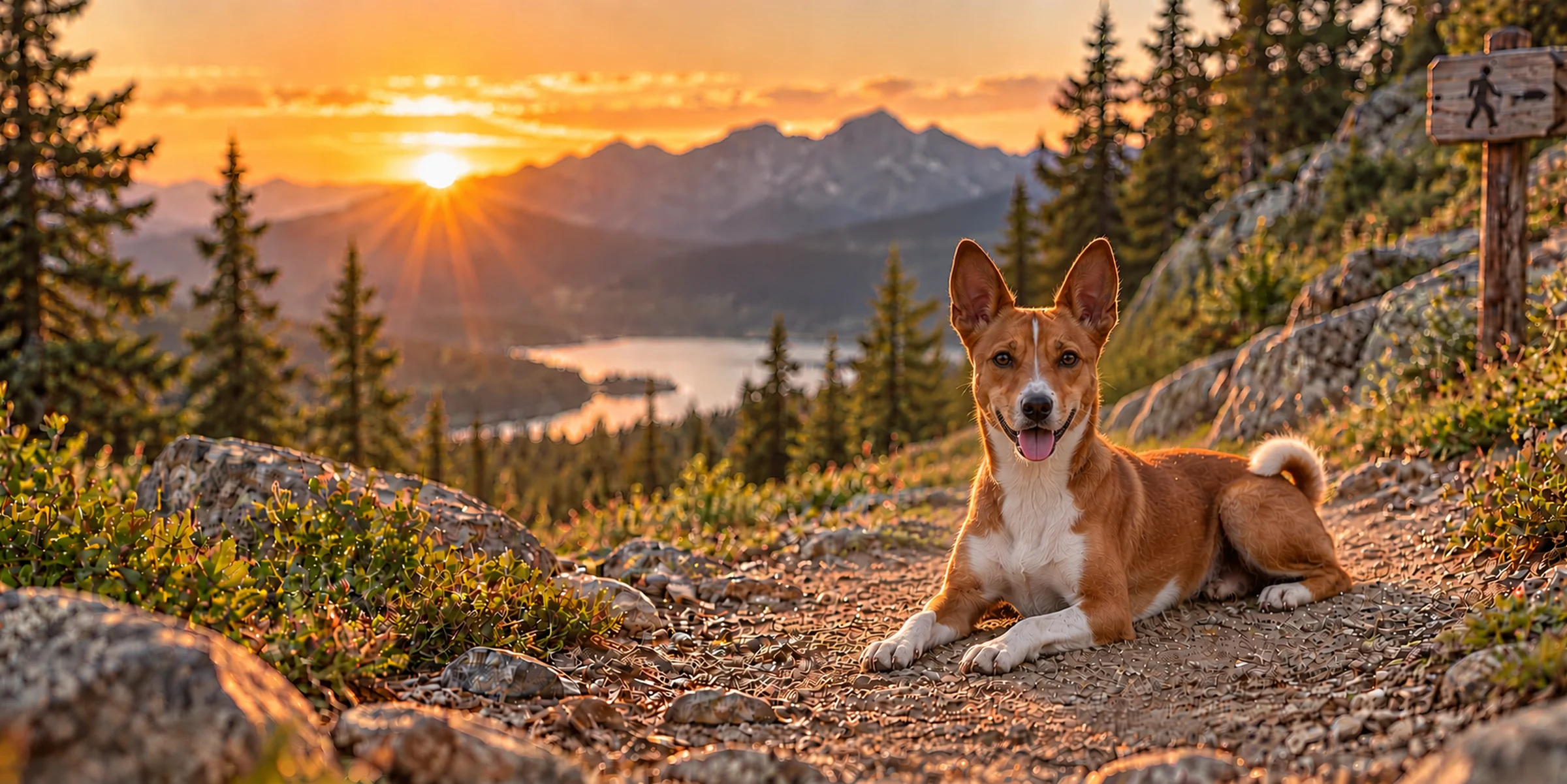
Basenji
A small primitive breed with the same independent mind, reserve with strangers and knack for escaping. The Basenji barely barks and has almost no coat to shed; the Lundehund sheds seasonally, barks to alert and needs close dietary care.