

large-to-giant breed
Romanian Carpathian Shepherd
Romania's mountain guardian, still doing the original job in a country that genuinely holds brown bears and wolves - the first standard was written in 1934 for a dog already centuries old. Carpathians are wolf-gray, rough-coated, 70 to 100 pounds, and dignified rather than friendly. Everything an owner finds difficult - the night barking, the wariness, the refusal to take a stranger on trust - is the breed doing what generations of shepherds asked for.

Pup Height
23-29 in

Pup Weight
70-100 lb
Males 26-29 in, females 23-26 in, and 70-100 lb. Wolf-gray with black in varying shades, lighter on the underside, or sable; limited white markings on the chest and legs are permitted. A dense, rough double coat, shorter on the head and front of the legs and longer over the body, with a bushy tail. Puppies are born black and white, and the adult wolf-gray coat keeps developing until about two years old. FCI standard 350, definitively recognized by the FCI in 2015; in the AKC's Foundation Stock Service since November 2021, which follows the FCI standard. Source: AKC Foundation Stock Service breed standard.

Pup Lifespan
12-14 years
Your pup, at a glance
What’s Life With This Pup Really Like?

Moderate. Devoted and steady with their family, but more likely to lie watching the door than to climb onto a lap.

Fair. Gentle and protective with the family's own children, but a guardian may misread rough play or visiting children, so supervision is essential.

Mixed. Reliable with livestock and household animals they are raised with; unfamiliar dogs on their ground are usually unwelcome.

Very high. Barking is the first line of defense, especially at night, and training reduces but does not remove it.

Moderate. Calm and watchful most of the day, with sudden bursts of speed when something needs dealing with.

Heavy. A dense double coat that sheds steadily and blows out in spring and fall.

Serious. Carpathians show little interest in fetch or games; watching their territory is the job they care about.

Low. A tight-lipped dog with little drool beyond the water bowl.

Low. Intelligent but bred to decide for themselves, so they weigh a request rather than simply following it.

Top of the scale. A guardian bred to confront bears and wolves, not just to raise the alarm.

Moderate. Weekly brushing most of the year, with daily undercoat work during the blowouts.

Very low. They need land, secure fencing and distance from neighbors, and they are uncomfortable in hot climates.
Lifestyle fit
Could This Be Your Best Breed?
A Romanian Carpathian Shepherd is a working dog for land and livestock, kept by someone who wants a guardian rather than a companion and has raised one before. Expect $2,000 to $3,500 a year, twelve to fourteen years, and very little published health data on a breed this rare. People who wanted a big rustic family dog and got a serious guard are the ones who end up rehoming them.

Living Space
Rural land with a tall, sound perimeter fence, ideally with livestock or at least a clear territory to watch. Romanian Carpathian Shepherds patrol and bark at what they find, day and night, so close neighbors and a suburban lot are a poor match, and an apartment is out of the question.

Pup Experience
Experienced owners only, and preferably people who have lived with a livestock guardian before. A Carpathian was bred to make decisions alone on a mountainside, and a first-time owner expecting a biddable shepherd will find a dog who listens, considers and then does what they judged best.

Daily Pup Time
About an hour of walking or patrolling a large property, plus weekly brushing and heavier work during the coat blow. The larger commitment is ongoing socialization, secure containment and managing visitors for the whole of the dog's life.

Allergies & Coat
The Romanian Carpathian Shepherd scores 8/10 for shedding and 2/10 for drooling. No dog is truly hypoallergenic. The allergens come from dander and saliva, and a dog that sheds this much will leave plenty of hair behind - especially on your furniture, floors, and clothes.
Quirks & challenges
The Not-So-Easy Stuff

Protective of Territory
Strangers, delivery drivers and unfamiliar dogs are all treated as possible threats. Visitors need managing every time.
Night Barking
Barking is how a guardian warns predators away, and it peaks after dark. Neighbors will notice.
Independent Thinker
Bred to act without instruction. Recall and obedience are never fully reliable, especially when something catches their attention.
Roaming and Fence Testing
A guardian defines their territory broadly. Weak or low fencing will be tested, and an off-leash Carpathian may keep going.
Heavy Seasonal Shedding
A dense double coat that blows out heavily in spring and fall. Expect clumps of undercoat for weeks.
Rare and Hard to Find
Few breeders outside Romania and thin health records. Finding well-bred, health-screened lines takes real effort.
The good, the bad & the hairy
Health, Care & Costs
Understanding the health risks and ongoing costs of a Romanian Carpathian Shepherd helps you plan for a happy, healthy life together.

12-14 years
$80-$130
per groom (bath and deshedding on a large dog), every 8-10 weeks, or done at home ($0-$700/year)
$2,000-$3,500/year
all-in (food, routine vet, grooming, insurance, incidentals)

Health Risks
Conditions this breed is prone to.

The hip joint develops loosely and wears into arthritis, sometimes needing costly surgery on a dog this heavy. Ask for hip scores on both parents, and keep puppies lean and on controlled exercise while they grow.
A developmental fault in the elbow joint that causes front-leg lameness and early arthritis. Common in large, fast-growing breeds; elbow scores on the parents are worth asking for.
The stomach fills with gas and twists, cutting off circulation, and it kills within hours without emergency surgery. Deep-chested large breeds are at real risk - split food into two meals and keep hard exercise away from feeding.
Osteosarcoma is a known risk in large and giant breeds generally rather than a documented problem specific to this one. Lameness that does not settle in an older dog deserves an x-ray rather than a wait.
A mountain dog with a thick coat, built for cold winters. In hot climates they need shade, water and exercise moved to the cool ends of the day.
The breed is rare outside Romania and has no large health surveys and no breed-specific DNA tests. Choose a breeder who screens hips and elbows and is open about the health of related dogs.

Insurance & Health Coverage
Insure young. The conditions most likely to matter - joint problems and bloat - are expensive on a dog of 70-100 pounds, and anything noted on the record before a policy starts becomes a permanent exclusion.

Bloat is an emergency surgery with a bill in the thousands, and hip or elbow surgery sits in the same range. Check that a policy covers hereditary and developmental conditions, since some exclude dysplasia or cap it tightly.

There is also a liability question that health insurance does not touch. A large, protective guardian breed can affect homeowner's or renter's cover, so check that policy too before bringing a Carpathian home.
 Get a Pet Insurance Quote
Care needs
The Daily Routine

Grooming
A dense, rough double coat that needs a thorough brushing once or twice a week, and daily work with an undercoat rake during the spring and fall blowouts. The coat sheds dirt well, so baths are occasional. Check ears and trim nails regularly, and never shave the coat - it insulates against heat as well as cold.

Exercise
Moderate. About an hour a day of walking or time patrolling a securely fenced property suits them; a Carpathian conserves energy rather than burning it off in games. Keep exercise on leash or behind fencing, and hold back on long hikes and jumping until the growth plates close at around 18-24 months.

Food & Weight
Large-breed puppy food and steady, controlled growth protect the joints. Adults do best lean, on two measured meals a day with vigorous activity kept away from feeding because of the bloat risk. Working dogs outdoors in winter need more food than pets in a warm house.
Similar breeds
If This Isn’t Quite the One
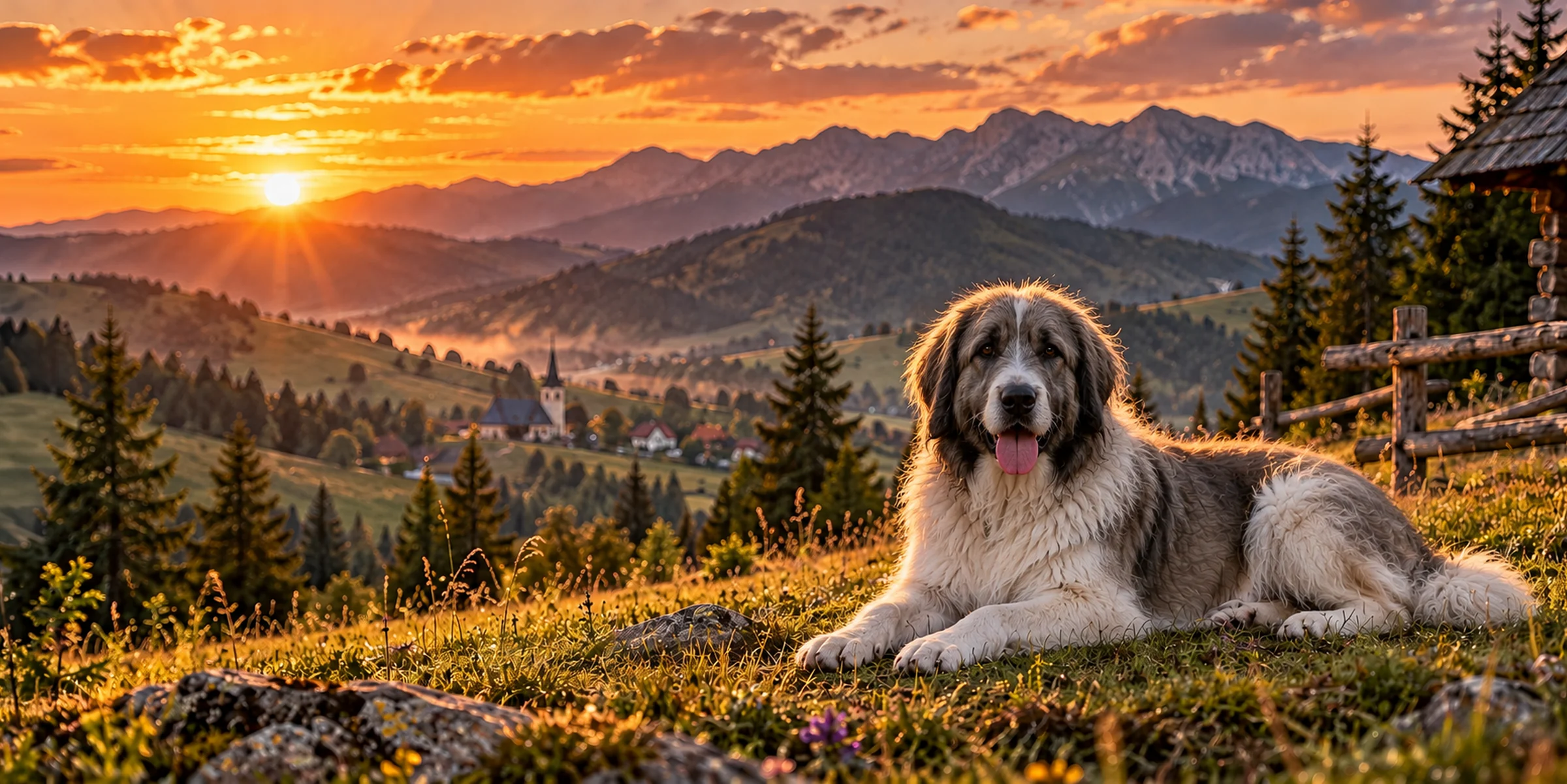
Romanian Mioritic Shepherd Dog
The other Romanian flock guardian from the same mountains, and easy to mix up by name. The Mioritic is bigger and shaggy, with a long coat that is usually white or pale with gray patches; the Carpathian is the wolf-gray one, lighter and shorter-coated, and far easier to brush.
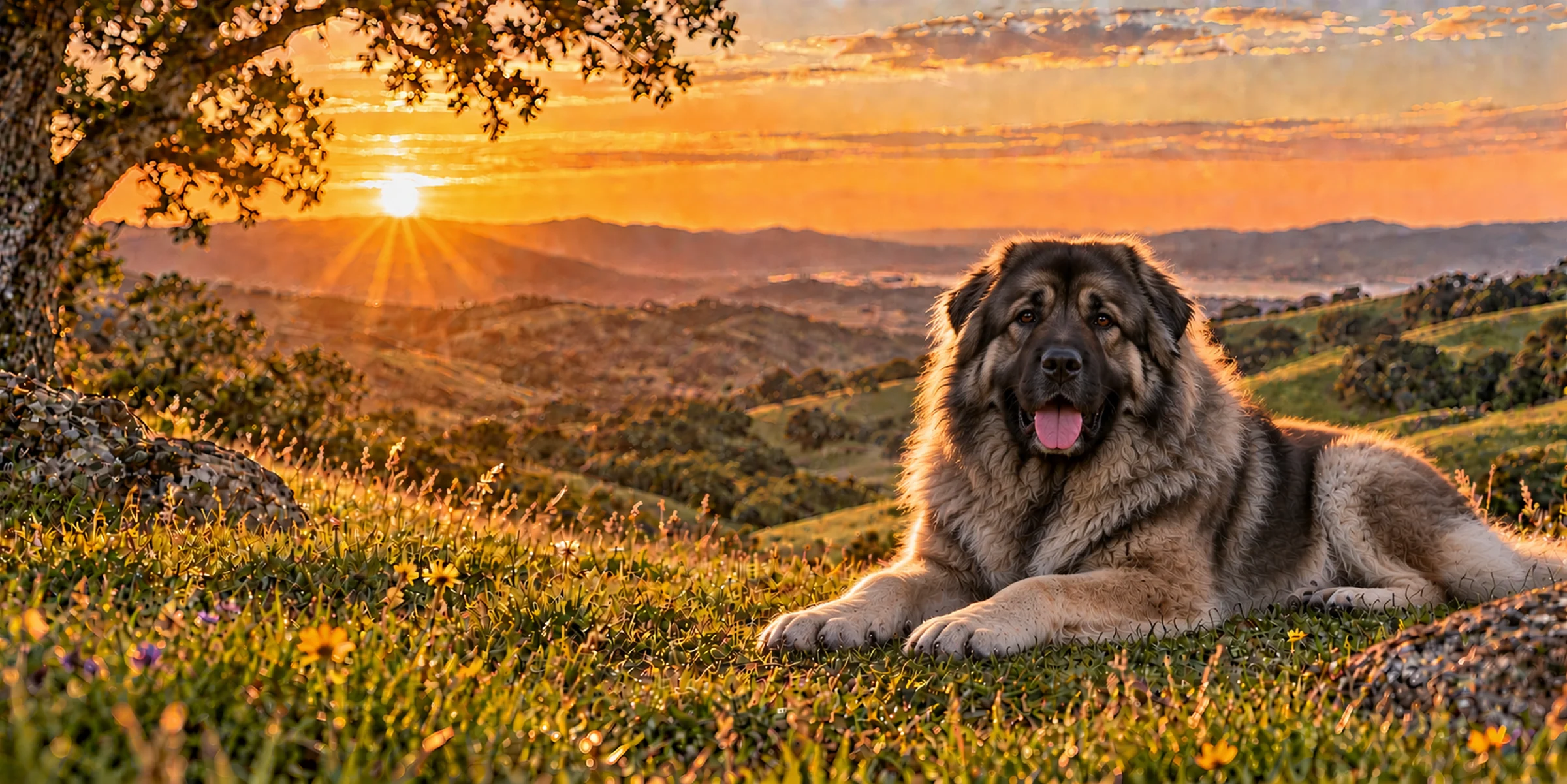
Caucasian Shepherd Dog
Another mountain flock guardian bred to face wolves and bears. The Caucasian Shepherd is heavier and more intense; the Carpathian is lighter, more agile and a little less extreme, though no less protective.
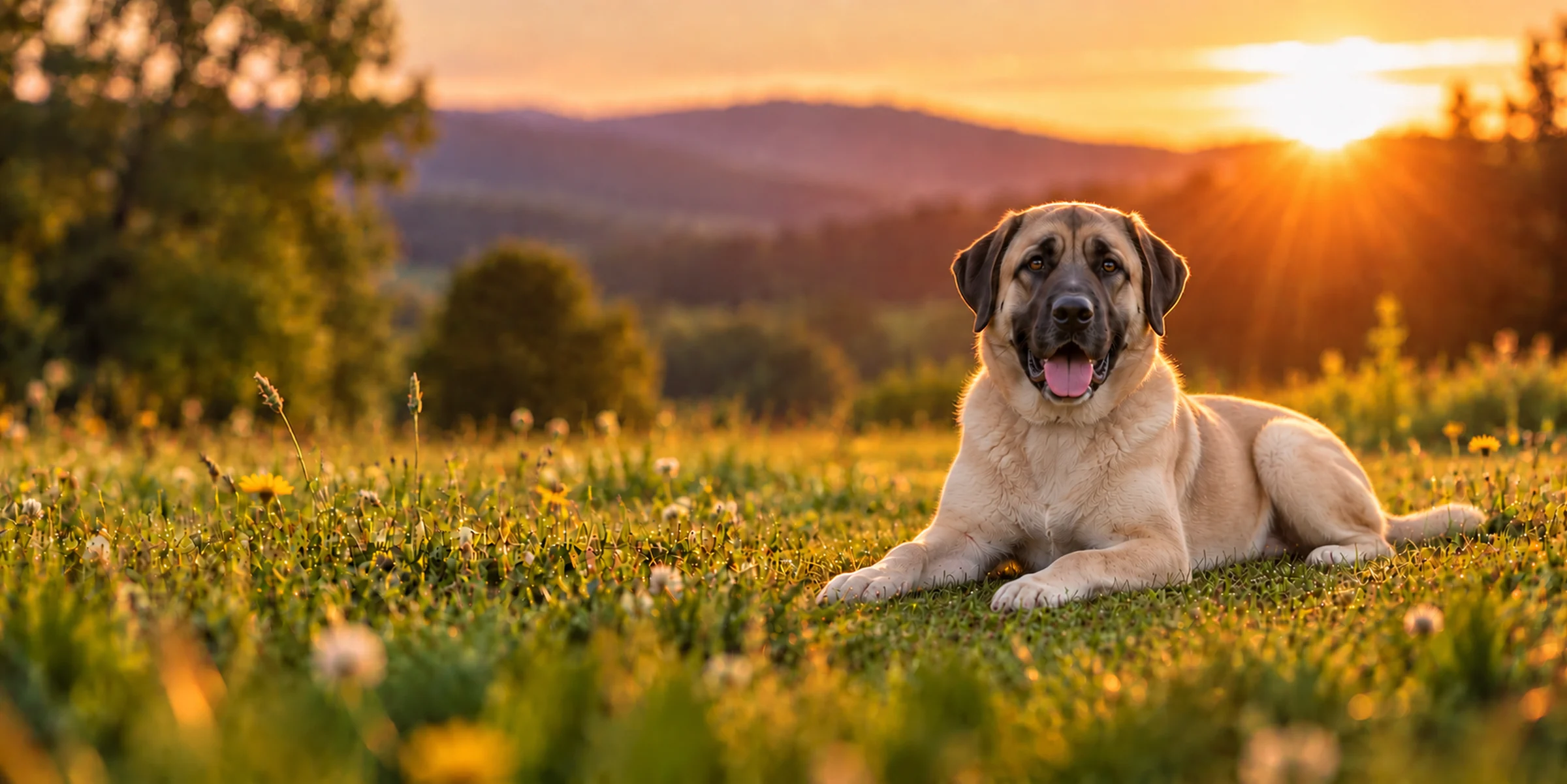
Anatolian Shepherd Dog
A comparable independent livestock guardian with a big bark and a need for land. The Anatolian is larger, shorter-coated and far easier to find through AKC breeders; the Carpathian has a heavier wolf-gray coat and is still rare.
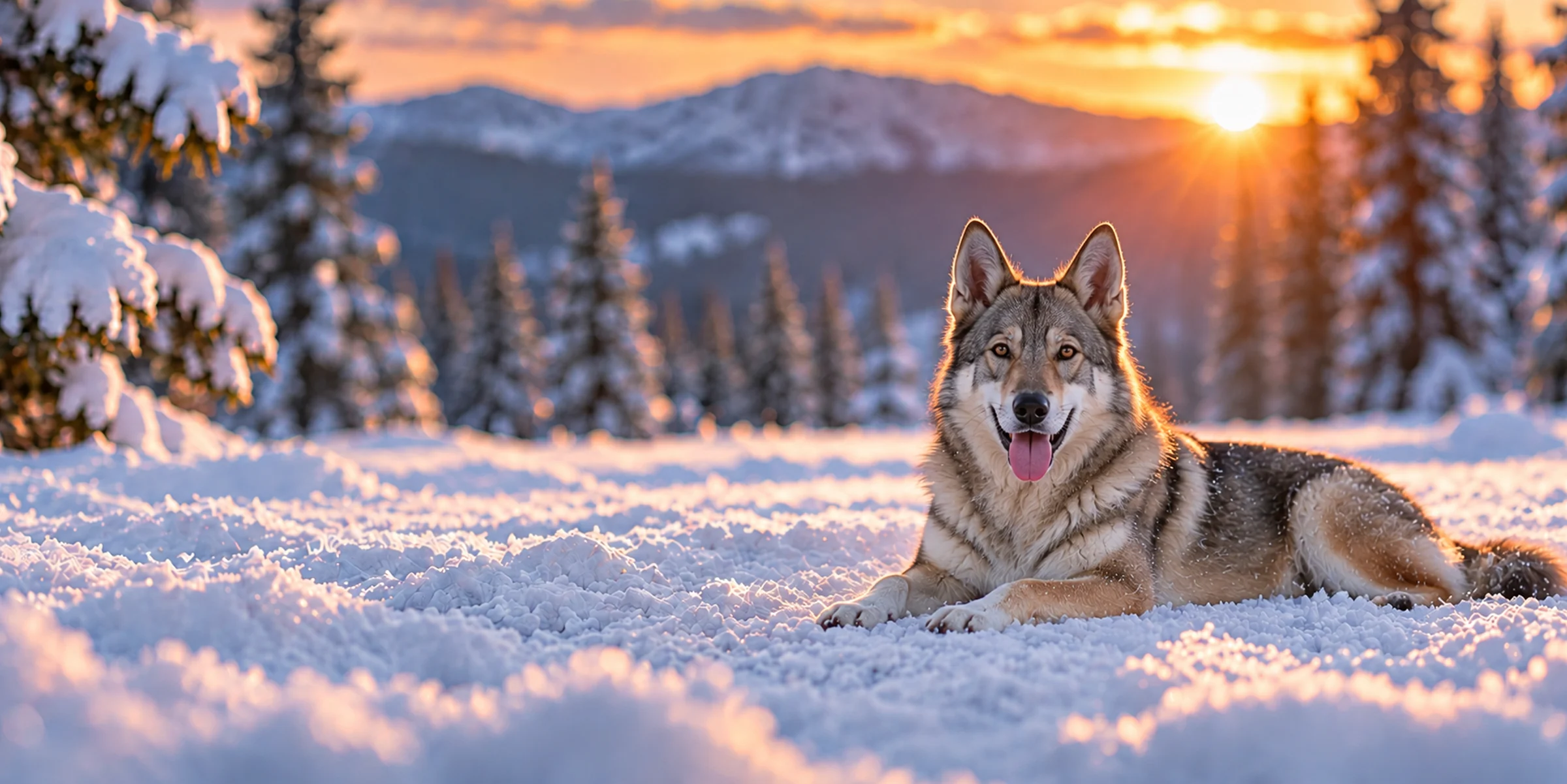
Czechoslovakian Vlciak
Shares the wolf-gray look and a Carpathian connection, but little else. The Vlciak is a wolf-cross working dog that is lighter, far more energetic and nearly silent; the Carpathian is a calmer, heavier guardian that barks freely.