

small breed
Schipperke
A small black fox-faced dog off the Belgian canal boats, where the name - little captain - was earned guarding cargo and keeping the rats down. Schipperkes weigh ten to sixteen pounds and hold the outlook of a much larger dog: busy, bold, curious about every gap in every fence, and devoted to their own people. They announce everything, shed more than the size suggests, and take no request on faith.

Pup Height
10-13 in

Pup Weight
10-16 lb
Males 11-13 in, females 10-12 in, with a typical weight of 10-16 lb and males the heavier of the two. A small, square, thickset dog with a fox-like head and small, erect, triangular ears. The outer coat must be black under the AKC standard - any other color is a disqualification - though other registries accept additional solid colors. The coat is harsh and abundant, standing off into a ruff, cape and culottes, over a soft, dense undercoat. The AKC standard calls for a docked tail; some Schipperkes are born tailless, and natural tails are increasingly common outside the United States. Source: AKC breed standard.

Pup Lifespan
13-15 years
Your pup, at a glance
What’s Life With This Pup Really Like?

Fairly high. Affectionate and close with their own people, though usually on their own terms rather than as a constant lap dog.

Good. Sturdy and playful with respectful children, but they will not tolerate rough handling and can be protective around visiting kids.

Mixed. Usually fine with dogs they are raised with, but a ratter's instinct makes small pets risky and strange cats fair game.

High. A watchdog by trade who announces every arrival, sound and passing stranger.

High for the size. Busy, curious and on patrol for much of the day, then happy to settle once exercised.

Heavy seasonally. Moderate most of the year, then a thick undercoat blows out once or twice a year.

Lively and mischievous. Schipperkes love chase games, toys to kill and anything that involves investigating.

Minimal. A dry-mouthed breed.

Moderate. Quick to learn, but independent, easily bored and inclined to weigh up whether a cue is worth following.

Very high. Alert, suspicious of strangers and loud about it - the job the breed was kept for.

Moderate. Weekly brushing most of the year, daily during the shed, and no trimming or clipping.

Moderate. Portable and fine in smaller homes, but the barking, the escape attempts and a dislike of being left out limit where they thrive.
Lifestyle fit
Could This Be Your Best Breed?
A Schipperke suits an owner who wants a small dog with a large personality and can live with a vocal watchdog - apartment or house, as long as the walks happen and the yard has no gaps at ground level. Costs are modest, $1,200 to $2,500 a year, over thirteen to fifteen years. Two things end these placements: a fence with a hole in it, and neighbors who need quiet.

Living Space
Apartment or house both work on size, but a Schipperke needs secure boundaries more than square footage. A yard is only useful if the fence goes all the way to the ground and has no gaps, because they climb, dig and slip through anything loose. The barking is the other constraint in shared buildings.

Pup Experience
Manageable for a first-time owner who is patient and consistent, though easier for someone who has lived with an independent breed before. Schipperkes are clever and quick, but they decide for themselves whether a request is worth doing.

Daily Pup Time
About an hour of walking, play and training games spread across the day. Brushing is quick most weeks and daily during the seasonal shed.

Allergies & Coat
The Schipperke scores 7/10 for shedding and 1/10 for drooling. No dog is truly hypoallergenic. The allergens come from dander and saliva, and a dog that sheds this much will leave plenty of hair behind - especially on your furniture, floors, and clothes.
Quirks & challenges
The Not-So-Easy Stuff

Escape Artists
Schipperkes climb, dig and squeeze through gaps. Check fences from the ground up and never trust an open door.
Vocal Watchdogs
Bred to raise the alarm, and still keen to. A trained quiet cue helps; a silent Schipperke is not on offer.
Independent Streak
Clever but not eager to please. Repetition bores them, so short, varied, rewarding sessions work best.
Unreliable Off Leash
Curiosity and a chase instinct beat a recall on most days. Use a long line in open areas.
Wary of Strangers
Naturally suspicious of visitors. Early, steady socialization keeps caution from becoming snappiness.
Seasonal Coat Blow
A dense double coat that sheds heavily once or twice a year. Expect black hair on everything for weeks.
The good, the bad & the hairy
Health, Care & Costs
Understanding the health risks and ongoing costs of a Schipperke helps you plan for a happy, healthy life together.

13-15 years
$50-$80
per groom (bath, blow-out, de-shed, nails), every 8-12 weeks or done at home ($0-$400/year)
$1,200-$2,500/year
all-in (food, routine vet, grooming, insurance, incidentals)

Health Risks
Conditions this breed is prone to.

An inherited storage disease in which a missing enzyme lets waste build up in the brain, causing loss of balance and coordination that usually begins between about two and four years of age and progresses. There is no treatment, but a DNA test identifies clear, carrier and affected dogs, and breeders should have results for both parents.
An underactive thyroid causes weight gain, a dull or thinning coat and low energy. A blood test diagnoses it and a daily tablet manages it; thyroid screening of breeding dogs is registered with the OFA.
The kneecap slips out of its groove, causing a skipping gait and sometimes needing surgery. There is no DNA test; a vet examines the knees of breeding dogs, with results registered with the OFA.
The blood supply to the top of the thigh bone fails in a young, growing dog, and the bone collapses, causing hind-leg lameness, usually before a year old. Surgery to remove the damaged bone has a good outcome. There is no DNA test; hip X-rays of breeding dogs can be registered with the OFA.
Recurring seizures with no underlying cause found, typically starting between one and five years old. Lifelong medication controls most cases. There is no DNA test, so ask breeders about seizures in the family line.
Cataracts, distichiasis (extra eyelashes that rub the eye) and progressive retinal atrophy have all been reported in the breed. There is no breed-specific DNA test for these; an annual eye examination by a veterinary ophthalmologist, recorded with the OFA, is the screen.

Insurance & Health Coverage
A Schipperke is an inexpensive dog to keep day to day, and a long-lived one, which is exactly why insurance is worth thinking about early. Fifteen years is a long time for something to show up, and anything already noted on the record when you take out a policy becomes a permanent exclusion.

The claims to plan for are orthopedic and ongoing. Patellar luxation and Legg-Calve-Perthes surgery run into the thousands, and epilepsy and hypothyroidism mean medication and blood tests for life - check that a policy covers chronic conditions every year rather than capping them after the first.

MPS IIIB is different: it is inherited and untreatable, and no policy makes up for it. DNA results on both parents are the real protection, so ask the breeder for them before you commit.
 Get a Pet Insurance Quote
Care needs
The Daily Routine

Grooming
A harsh, stand-off double coat that needs a quick brush once or twice a week for most of the year and daily work with an undercoat rake during the heavy seasonal shed. Baths are only needed occasionally. Trim nails every few weeks, brush teeth regularly, and never shave the coat.

Exercise
About an hour a day of brisk walks, play and something to think about. Schipperkes have more stamina than their size suggests and enjoy hiking, agility and games of chase. Exercise off leash only in fully enclosed areas.

Food & Weight
A quality small-breed food, measured rather than free-fed. Schipperkes are enthusiastic eaters and gain weight easily, and extra pounds put strain on knees and hips in a breed prone to both. Keep them lean enough that the ribs are easy to feel.
Similar breeds
If This Isn’t Quite the One
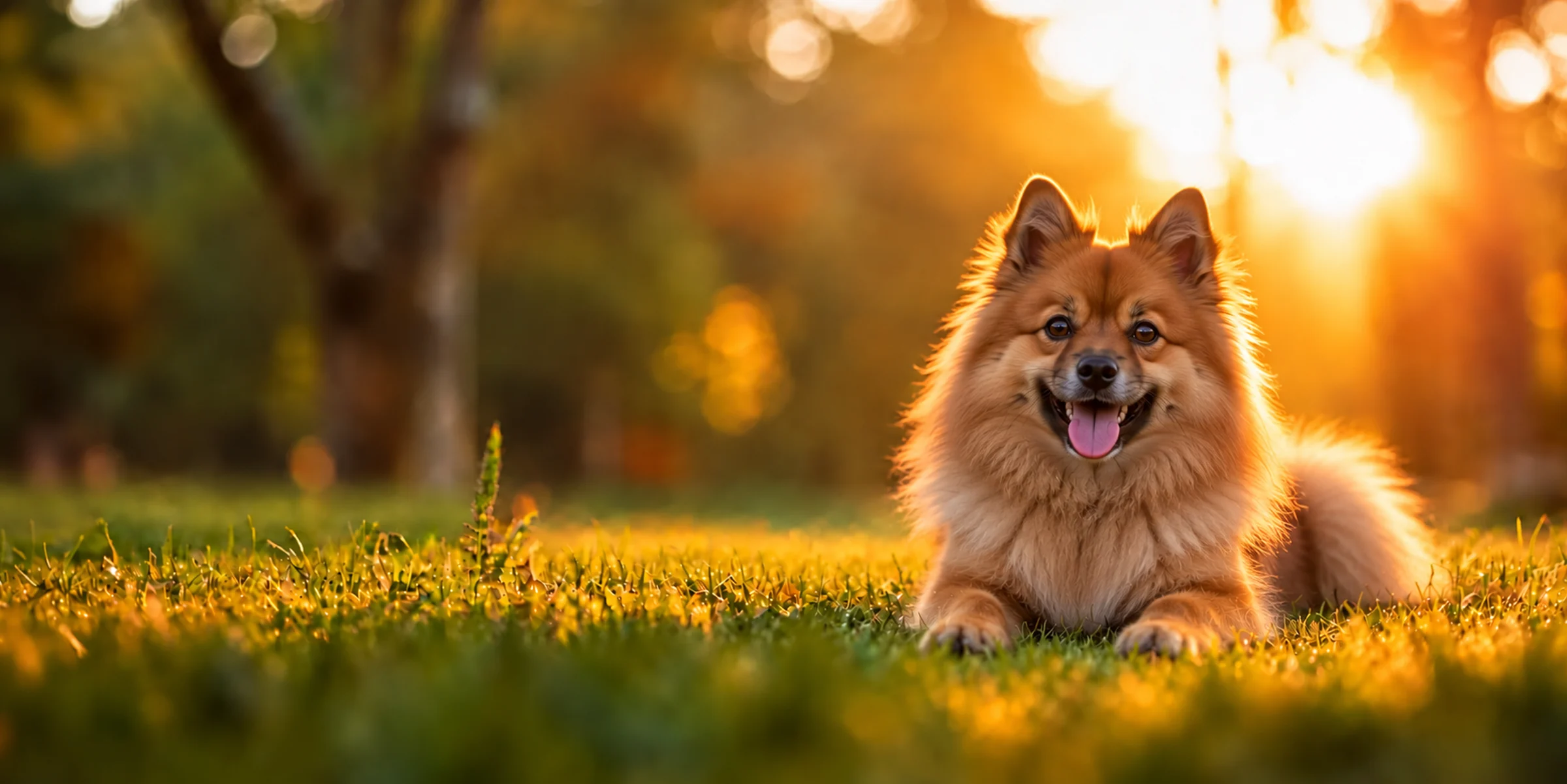
German Spitz
Another barge and farm watchdog of a similar size, just as vocal. The German Spitz has a longer, fluffier coat and is more biddable; the Schipperke is more independent, more suspicious of strangers and much more determined to get out.
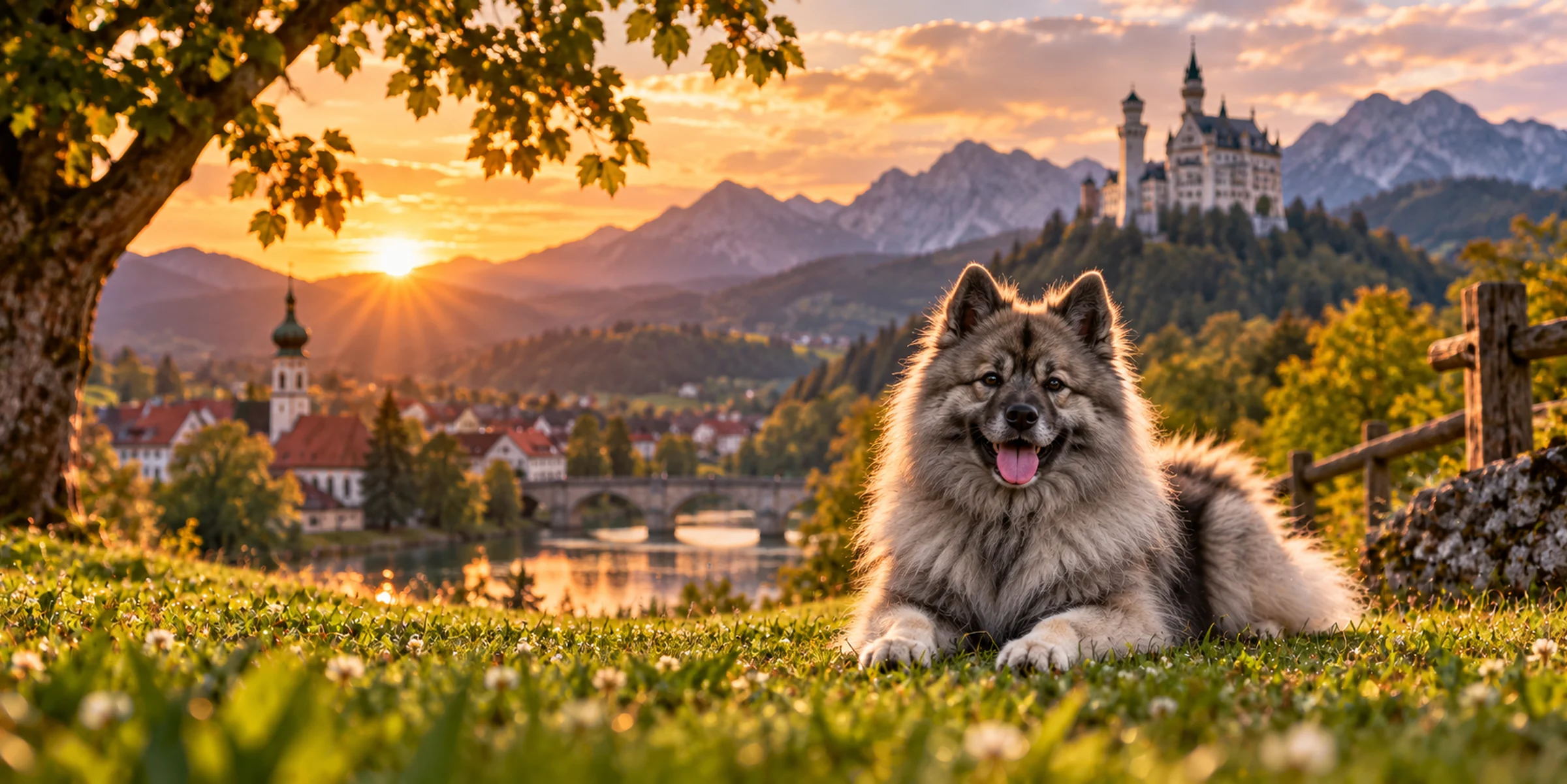
Keeshond
The Dutch counterpart on the canal boats, with the same watchdog voice. The Keeshond is bigger, friendlier with strangers and easier to train; the Schipperke is smaller, warier and more of a ratter.
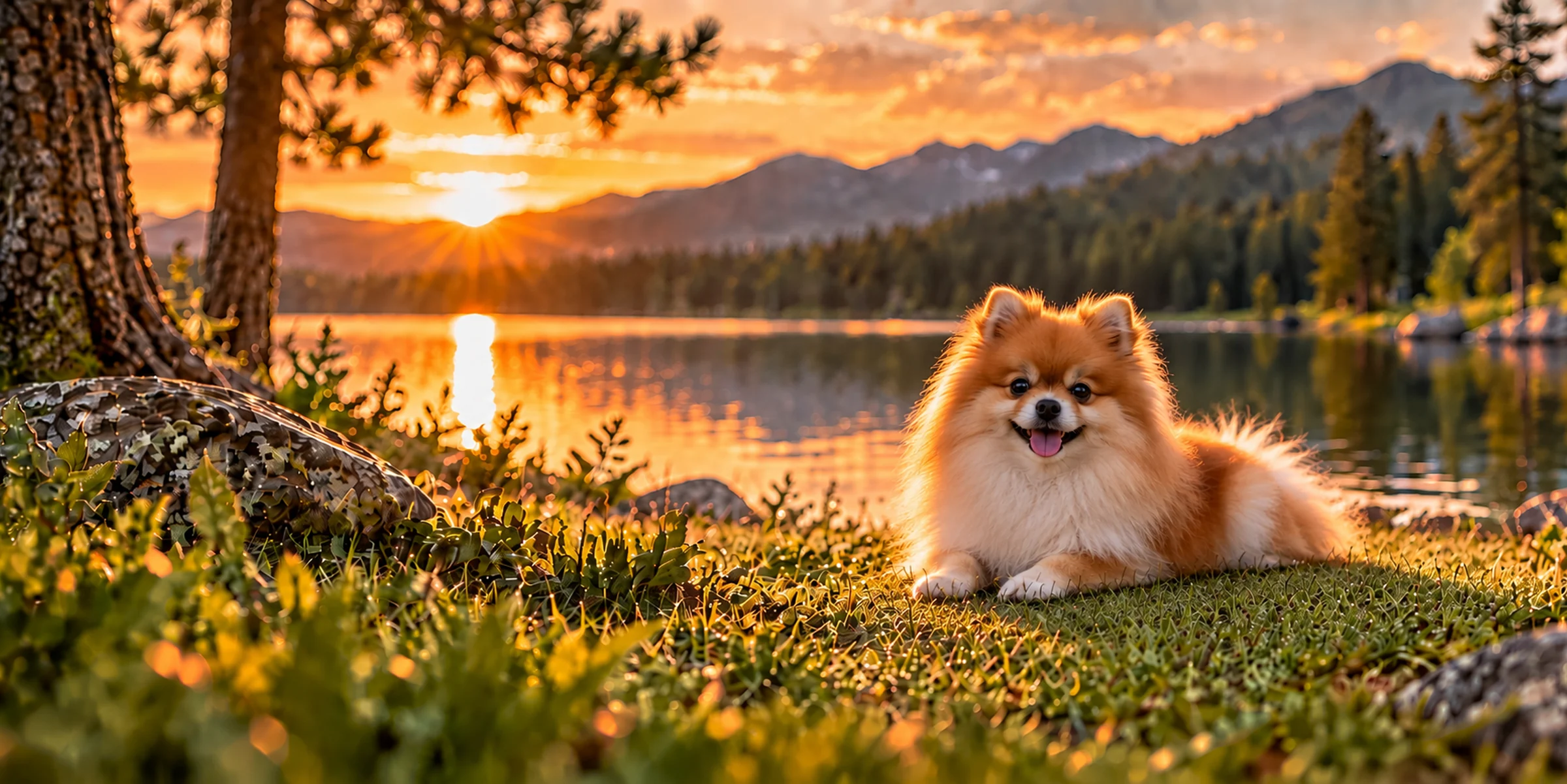
Pomeranian
A small spitz-type companion with a loud voice and a thick coat. The Pomeranian is a fragile toy dog content with less exercise; the Schipperke is sturdier, more athletic and better suited to active households.
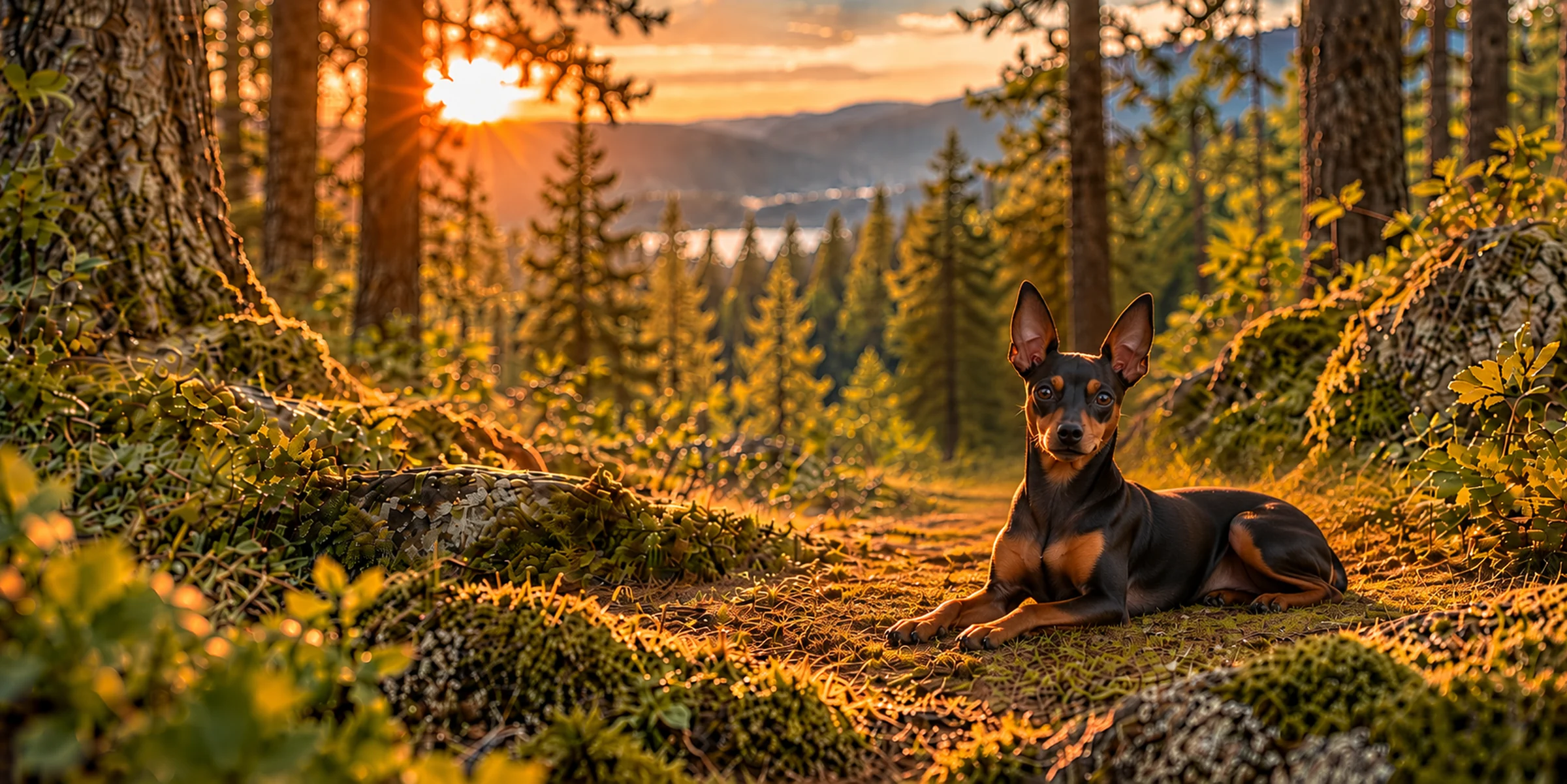
Miniature Pinscher
Another small, fearless, busy dog with a talent for escaping. The Min Pin has a short, easy coat and feels the cold; the Schipperke sheds heavily but is hardier and more of a watchdog.