

small-to-medium breed
Shetland Sheepdog
Not a miniature Collie, whatever the nickname suggests - the Sheltie began as a small farm dog on the Shetland Islands, and the Collie look was crossed in later. What came out is one of the most trainable dogs going: quick, devoted, tuned to the smallest change in a handler's voice. What also came out is a dog who barks at movement, sheds heavily, and wilts in a loud or harsh household.

Pup Height
13-16 in
13-16 in at the shoulder for both sexes, and a dog outside that range in either direction is disqualified. The standard sets no weight. Black, blue merle and sable (golden through mahogany), marked with varying amounts of white and/or tan; brindle is disqualified, and a dog more than half white is penalized out of contention. One coat only - a long, harsh, straight outer coat over a short, dense undercoat, with an abundant mane and frill. There is no smooth variety. Source: AKC breed standard.

Pup Weight
15-25 lb

Pup Lifespan
12-14 years
Your pup, at a glance
What’s Life With This Pup Really Like?

High. Shelties are devoted to their family, like to stay close and follow their person from room to room.

Very good. Gentle and playful with children who treat them kindly, though running kids can trigger chasing and heel-nipping, and rough handling upsets a sensitive dog.

Very good. Usually easy with other dogs and fine with cats raised alongside them, though some will try to herd the cat.

Very high. Shelties bark at noises, visitors, movement and excitement - trainable down to reasonable, never a quiet breed.

Fairly high. An hour of activity with some mental work in it keeps them content, and they settle well indoors afterward.

Heavy. A dense double coat that sheds year-round and blows out in spring and fall.

Lively and eager. Shelties love games, tricks and dog sports done together with their person.

Very low. A clean, dry-mouthed dog.

Excellent - among the highest here. Quick, attentive and eager to please, with a sensitivity that makes gentle methods essential.

Strong as an alarm. Alert, reserved with strangers and loud about anything new, without any real guarding intent.

High. Twice-weekly brushing down to the skin, and daily work through the seasonal sheds.

Good. The size suits apartments and travel, but the barking, the sensitivity to noise and change, and a dislike of long hours alone all limit it.
Lifestyle fit
Could This Be Your Best Breed?
A Shetland Sheepdog fits a gentle, consistent household - a fenced yard makes life easier, and an apartment works only if the barking can be managed with neighbors close by. Costs are moderate at $1,300 to $2,300 a year, though the coat is a standing commitment, and they live twelve to fourteen years. Choose another breed if a quiet house matters more than a brilliant one.

Living Space
Small enough for an apartment and calm enough indoors once exercised, but the barking is the real question with shared walls. A house with a fenced yard is easier on everyone - Shelties chase cars, bikes and anything else that moves fast.

Pup Experience
A good choice for a first-time owner who is gentle and consistent. Shelties learn fast and want to get it right; the harder part is keeping a sensitive, reserved dog confident, which takes early socialization rather than experience.

Daily Pup Time
About an hour of walking, play and training a day, plus a thorough brushing a couple of times a week and much more through the seasonal shed.

Allergies & Coat
The Shetland Sheepdog scores 8/10 for shedding and 1/10 for drooling. No dog is truly hypoallergenic. The allergens come from dander and saliva, and a dog that sheds this much will leave plenty of hair behind - especially on your furniture, floors, and clothes.
Quirks & challenges
The Not-So-Easy Stuff

MDR1 Drug Sensitivity
Certain worming, anti-diarrheal and sedative drugs can be dangerous at normal doses. Test before any treatment.
A Lot of Barking
Bred to use their voice and still quick to use it at every noise. Trainable to reasonable, never quiet.
Heavy Shedding
A dense double coat that sheds all year and blows out in spring and fall. Hair gathers everywhere.
Reserved With Strangers
Polite distance rather than a warm welcome. Without early socialization that reserve can become shyness.
Soft and Easily Worried
Harsh corrections, shouting and household tension all unsettle them. They need a calm, gentle home.
Chasing Moving Things
Cars, bikes, joggers and running children can all trigger the herding instinct. A secure yard and a leash near roads.
The good, the bad & the hairy
Health, Care & Costs
Understanding the health risks and ongoing costs of a Shetland Sheepdog helps you plan for a happy, healthy life together.

12-14 years
$60-$100
per groom (bath, full blow-out, trim of feet and ears, nails), every 6-8 weeks ($350-$700/year)
$1,300-$2,300/year
all-in (food, routine vet, grooming, insurance, incidentals)

Health Risks
Conditions this breed is prone to.

A mutation in the multi-drug resistance gene that stops the brain clearing certain drugs, so ordinary doses of some worming, anti-diarrheal, sedative and chemotherapy medications can cause severe neurological reactions or death. It is less common in Shelties than in Collies but still carried by a meaningful share of the breed. A cheap DNA test settles it - test every Sheltie and tell every vet the result.
An inherited malformation at the back of the eye, shared with the Collie and other related herding breeds. Most affected dogs see well enough for a normal life, but severe cases lead to retinal detachment and blindness. There is a DNA test for the parents, and an eye examination at six to eight weeks detects it in puppies.
The retina degenerates gradually, usually starting with night vision, until the dog is blind. There is no treatment. A DNA test exists for the form identified in the breed, and annual eye examinations on breeding dogs cover what the test does not.
An inherited bleeding disorder in which the blood lacks the clotting factor it needs, and type 3 - the form found in Shelties - is the most severe, with serious bleeding from surgery, injuries or even losing puppy teeth. There is a DNA test, and tested parents remove the risk. If a Sheltie's status is unknown, ask the vet about a clotting test before a spay or neuter.
An inherited inflammatory disease of the skin and sometimes the muscles, causing hair loss and scabbing on the face, ear tips, tail tip and legs in young dogs. It is managed rather than cured. A genetic test is available, but it reports a low, moderate or high risk from a combination of markers rather than a simple clear or affected result, so it guides breeding decisions rather than ruling the disease out.
Shelties are prone to an underactive thyroid, often autoimmune, which causes weight gain, coat loss and low energy and is managed with a daily tablet. They are also overrepresented for gallbladder mucocele, a thick buildup of mucus that can block or rupture the gallbladder, and thyroid disease and high blood fats both raise that risk. Mucoceles often show on an ultrasound before any symptoms; a ruptured one needs emergency surgery.

Insurance & Health Coverage
Two things come before insurance. MDR1 is a drug reaction rather than a disease, so a policy can pay for treatment but cannot undo the damage from the wrong medication - get the DNA test done early and put the result on file at your practice. Von Willebrand disease matters for the same practical reason: a Sheltie with the severe form can bleed badly during a routine spay or neuter, so know the dog's status before any surgery.

On the insurable side, the conditions that cost money in this breed tend to be chronic rather than dramatic. Hypothyroidism is cheap to treat but lifelong, dermatomyositis can mean years of medication, and a gallbladder mucocele that needs surgery runs into the thousands. Any of those noted on the record before a policy starts becomes a permanent exclusion, which is the case for insuring young.

The inherited eye diseases and bleeding disorder are congenital and excluded everywhere, so ask the breeder for DNA results on both parents rather than asking the insurer.
 Get a Pet Insurance Quote
Care needs
The Daily Routine

Grooming
A thorough brush right down to the skin twice a week, working through the mane, the trousers and behind the ears where mats form first, and daily work with an undercoat rake through the spring and fall sheds. Trim the hair between the pads and check nails, ears and eyes regularly. Never shave the coat - it insulates against heat as well as cold and can grow back patchy.

Exercise
About an hour a day, and the thinking matters as much as the distance. Walks plus training, agility, herding or trick work suit them far better than a long run alone. Keep them leashed near roads - the chase instinct toward cars and bikes is real.

Food & Weight
Shelties gain weight easily, and the coat hides it until the dog is noticeably heavy, so go by feel through the ribs rather than by eye. Measure meals, count training treats as part of the daily ration, and keep them lean - extra weight and high blood fats both add to the gallbladder and joint risks.
Similar breeds
If This Isn’t Quite the One
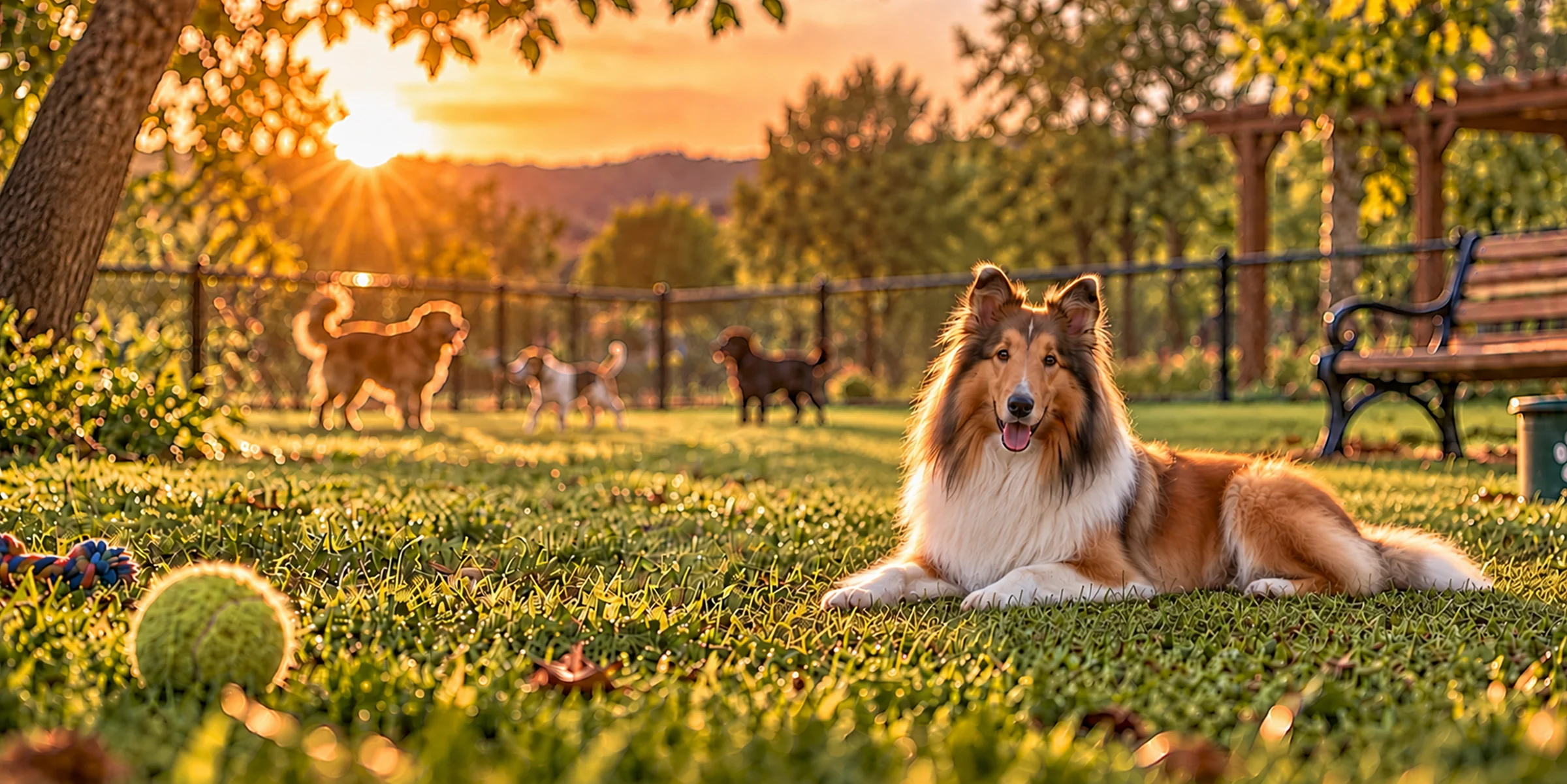
Collie
The breed the Sheltie is most often mistaken for, and a genuine relative, since Rough Collies were crossed in early in the Sheltie's history - but a separate breed with a separate standard. The Collie is roughly three times the weight, calmer and more at ease with strangers; the Sheltie puts the same trainability and sensitivity into a dog that fits a smaller home, with more bark.
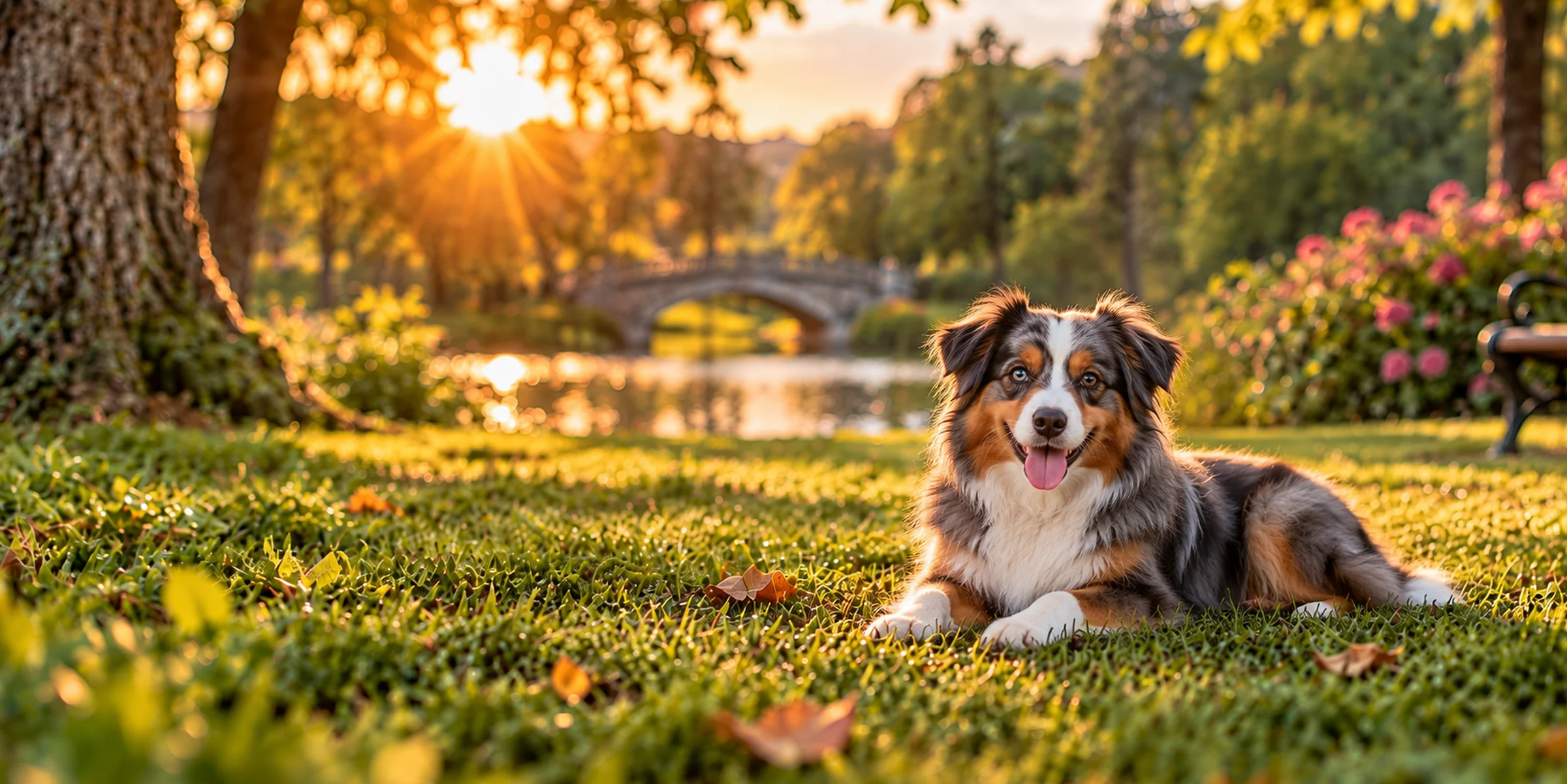
Miniature American Shepherd
A small herding dog of similar weight, brains and trainability. The Miniature American Shepherd is sturdier, more athletic and needs more daily work; the Sheltie is softer, more reserved and noticeably more vocal.
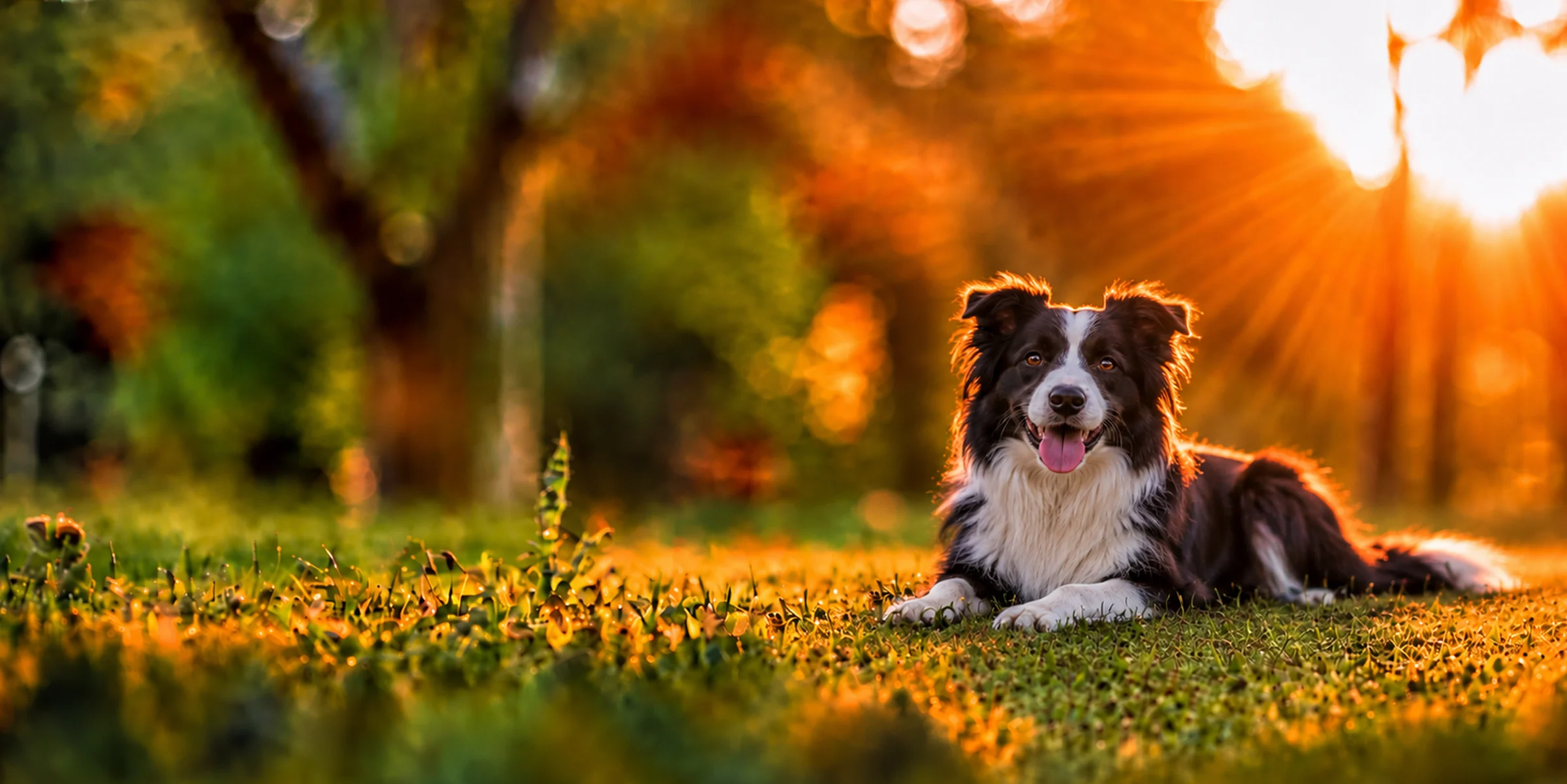
Border Collie
A working sheepdog with far more intensity. The Border Collie is larger and needs a real job and hours of activity; the Sheltie shares the intelligence and responsiveness at a level an ordinary active household can satisfy.
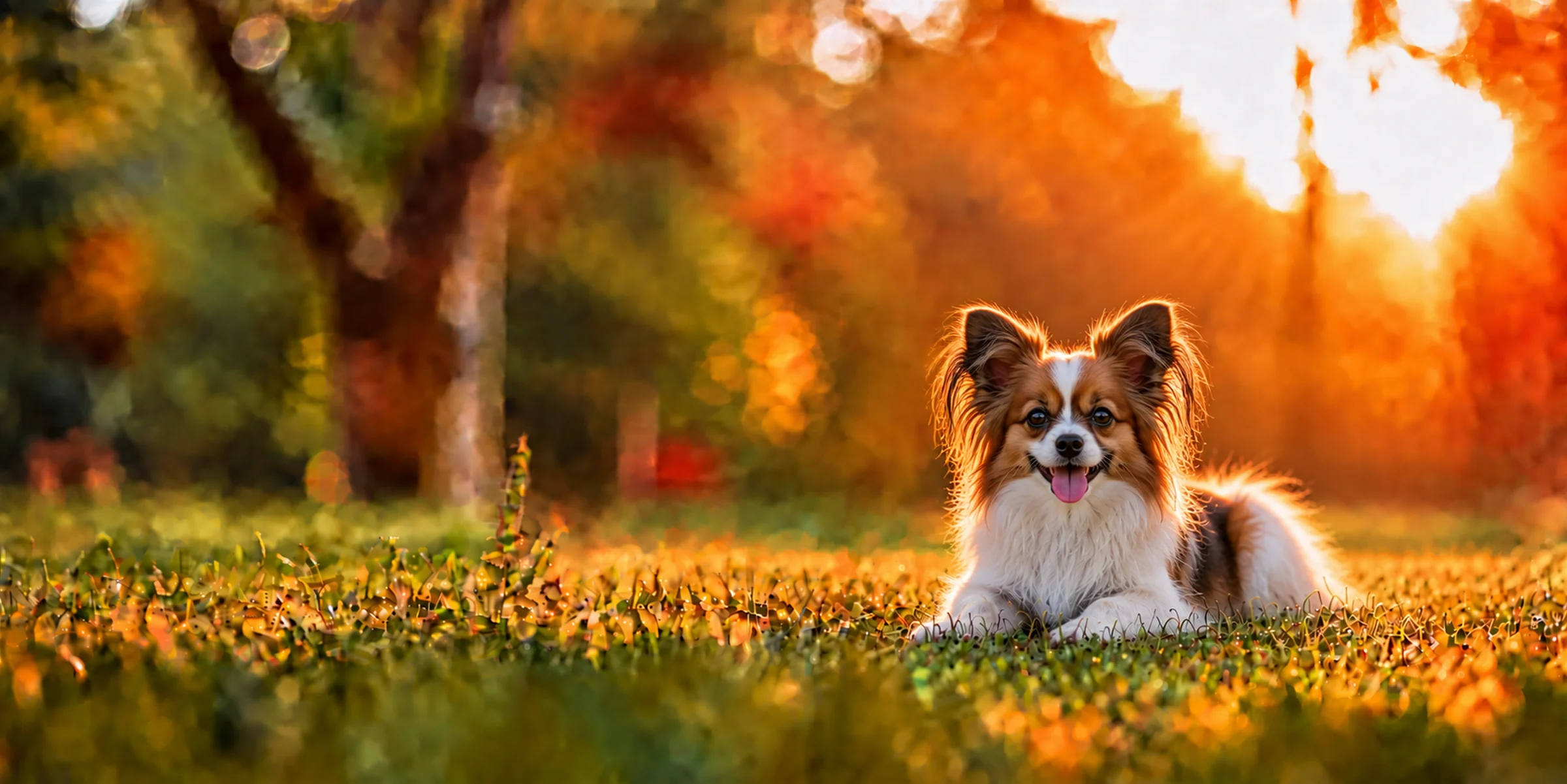
Papillon
Another small, bright, highly trainable dog that shines in agility and obedience. The Papillon is a toy breed with a lighter single coat and far less shedding; the Sheltie is the bigger, heavier-coated herding dog with more chase instinct.