

medium breed
Taiwan Dog
An indigenous mountain dog of Taiwan, hunting boar alongside Indigenous communities for thousands of years and rebuilt as a breed from the few unmixed dogs a 1980 survey found still living in remote villages. Taiwan Dogs are compact, hard-muscled and startlingly agile, devoted to their own household and openly suspicious of everyone outside it. The money is low and everything else is high: fencing, socialization that never stops, and a prey drive that makes off-leash life unrealistic.

Pup Height
17-20 in

Pup Weight
26-40 lb
Males 19-20.5 in and 31-40 lb, females 17-18.5 in and 26-35 lb. A short, hard, close-lying coat in black, brindle, fawn, white, or any of those broken with white, over the classic pariah outline - triangular head, prick ears, almond eyes and a thin sickle tail carried up over the back. Spotted or partly black tongues are common. Recorded in the AKC's Foundation Stock Service since May 2017 and carrying a Hound Group designation, so Taiwan Dogs can enter companion events but not conformation. Source: AKC Foundation Stock Service breed standard.

Pup Lifespan
9-13 years
Your pup, at a glance
What’s Life With This Pup Really Like?

High, and strictly private. Taiwan Dogs are affectionate and physically close with their own household, and show none of that to anyone outside it.

Mixed, and supervision is not optional. Fine with children they were raised alongside; visiting children and rough handling are another matter entirely.

Difficult. The prey drive rules out cats, chickens and small pets in most households, and same-sex tension with other dogs is common.

Moderate. Not a chatterer, but a serious announcer - anything arriving at the boundary gets reported.

High. Ninety minutes to two hours of real terrain daily, and they settle completely indoors once that has happened.

Moderate. A short double coat that sheds lightly year-round with a heavier turn twice a year, and the hair is short enough to sweep rather than pick off.

Athletic and inventive. They climb, leap and chase, and they play the way a hunting dog plays - with intent rather than silliness.

Minimal. A dry, tidy mouth on a naturally fastidious dog.

Moderate. Quick to learn and slow to comply, so rewards and a reason get results where repetition and pressure get nothing.

Very strong. Alert, territorial and protective with no encouragement at all - the trait that needs managing rather than developing.

Very low. A weekly curry brush and the occasional bath covers a Taiwan Dog completely.

Low. They need secure ground, an experienced handler, a household without small pets, and a climate that is not cold.
Lifestyle fit
Could This Be Your Best Breed?
A Taiwan Dog belongs with an experienced owner in a warm climate, on a property fenced to six feet with buried edges and nothing to climb, doing ninety minutes to two hours of varied work a day. Running costs are low at $1,200 to $2,000 a year, though nine to thirteen years is a shorter run than most medium breeds give. Without fencing you have walked and pushed on yourself, do not start.

Living Space
A house with genuinely secure fencing, and secure has to mean six feet, buried edges and nothing to climb - Taiwan Dogs jump, scramble and read a boundary for weak points. The coat is built for subtropical heat rather than cold. Apartment life is possible for a well-socialized adult getting real daily work, though the wariness of strangers turns every hallway and elevator into a test.

Pup Experience
Not a first dog. Taiwan Dogs are clever and quick to read a situation, and also independent in the primitive way - they weigh a request before answering, they guard without ever being asked to, and a bad first impression stays with them for a long time. Owners who have lived with a primitive or a guarding breed cope far better than owners arriving from a retriever.

Daily Pup Time
Ninety minutes to two hours daily on varied ground, plus deliberate socialization outings that never really stop. Grooming is about five minutes a week.

Allergies & Coat
The Taiwan Dog scores 4/10 for shedding and 1/10 for drooling. No dog is truly hypoallergenic. The allergens come from dander and saliva, and a dog that sheds this much will leave plenty of hair behind - especially on your furniture, floors, and clothes.
Quirks & challenges
The Not-So-Easy Stuff

Wary of Everyone Outside
The reserve is bred in, not learned from a bad experience. Without heavy early socialization it hardens into suspicion, and a suspicious guarding dog is a liability.
Serious Prey Drive
Bred to hunt boar and small game. Cats, chickens and anything bolting all trigger the same response, and off-leash freedom is not realistic in most places.
Fence-Testing Athlete
They climb, jump and work a boundary methodically until something gives. Six feet, buried edges and no gaps, or they are gone.
Independent, Not Biddable
Taiwan Dogs decide whether a request makes sense. Drilling obedience without giving them a reason produces a dog who simply stops engaging.
Rare Outside Taiwan
Purebred litters barely exist beyond the island's conservation programs. Most Taiwan Dogs in America are rescued mixes rather than registered dogs.
Guarding Needs Early Work
Territorial and protective with no training toward it whatsoever. Visitors, delivery drivers and the yard gate all need a plan from day one.
The good, the bad & the hairy
Health, Care & Costs
Understanding the health risks and ongoing costs of a Taiwan Dog helps you plan for a happy, healthy life together.

9-13 years
$40-$60
per groom (bath, nails, ears), every 10-12 weeks or done at home ($0-$250/year)
$1,200-$2,000/year
all-in (food, routine vet, grooming, insurance, incidentals)

Health Risks
Conditions this breed is prone to.

Worth saying first. The AKC's own breed summary lists no known health conditions beyond the degenerative ones that age brings, which is what thousands of years of natural selection tends to produce in place of closed-studbook fashion. Most Taiwan Dogs are sound and stay sound.
The honest counterweight. The breed came back from near-disappearance through a limited number of unmixed mountain dogs, and every registered Taiwan Dog descends from that narrow base. Breed-level statistics mean less than what an individual breeder can tell you about the lines behind a litter.
The hip joint develops loosely so the ball grinds in the socket instead of gliding, and arthritis follows. Rates look low for a medium breed, though the population is small enough that the numbers are thin - scored hips on both parents remain the only real screen.
Listed among the medical problems because this is the likeliest reason a Taiwan Dog ends up in front of a vet or a behaviorist, and because prevention comes down almost entirely to the first six months. Wariness that was never worked through becomes fear, and fear in a dog bred to guard comes out as teeth.
Not inherited, and the most probable large bill. A dog who clears a fence after something moving meets traffic, other dogs and unfamiliar ground, and an orthopedic repair runs into the thousands.
Not breed-specific, but relevant to a dog who wants to spend the whole day outdoors in warm, humid country. Year-round prevention rather than seasonal, and a check through the coat after every outing in cover.

Insurance & Health Coverage
A hardy breed with a short list of inherited problems, so premiums should sit at the low end for a medium dog and the illness case is a modest one.

Accident cover is the part that earns its keep. The realistic claim on a Taiwan Dog is trauma - a fence cleared after a cat, a chase that crossed a road, a disagreement with another dog well away from home - and those bills arrive suddenly and large. Read the accident limits rather than the illness headline.

One cost no policy touches: behavior. Training and behaviorist fees for a fear-reactive adult are rarely covered, they run for months, and they are the most avoidable expense in this breed. Put that money into socialization in the first six months instead.
 Get a Pet Insurance Quote
Care needs
The Daily Routine

Grooming
A short, hard double coat that looks after itself. A rubber curry brush once a week lifts the dead hair, with a heavier turn in spring and fall, and a bath only when they have rolled in something. Nails, teeth and ears on the usual schedule. No trimming, no stripping, and nothing seasonal beyond a few extra minutes with the brush.

Exercise
Ninety minutes to two hours daily, and the terrain matters more than the mileage. Hiking, scrambling, long-line tracking and anything that lets them climb and problem-solve all suit a mountain dog; the same walk around the block every day does very little for them.

Food & Weight
Two measured meals. Taiwan Dogs are efficient on food for their size and belong visibly lean and hard - the short coat hides nothing, so a waist you can see is the whole test. Draw treats from the daily ration rather than adding to it, because the socialization and recall work is constant and the treats add up.
Similar breeds
If This Isn’t Quite the One
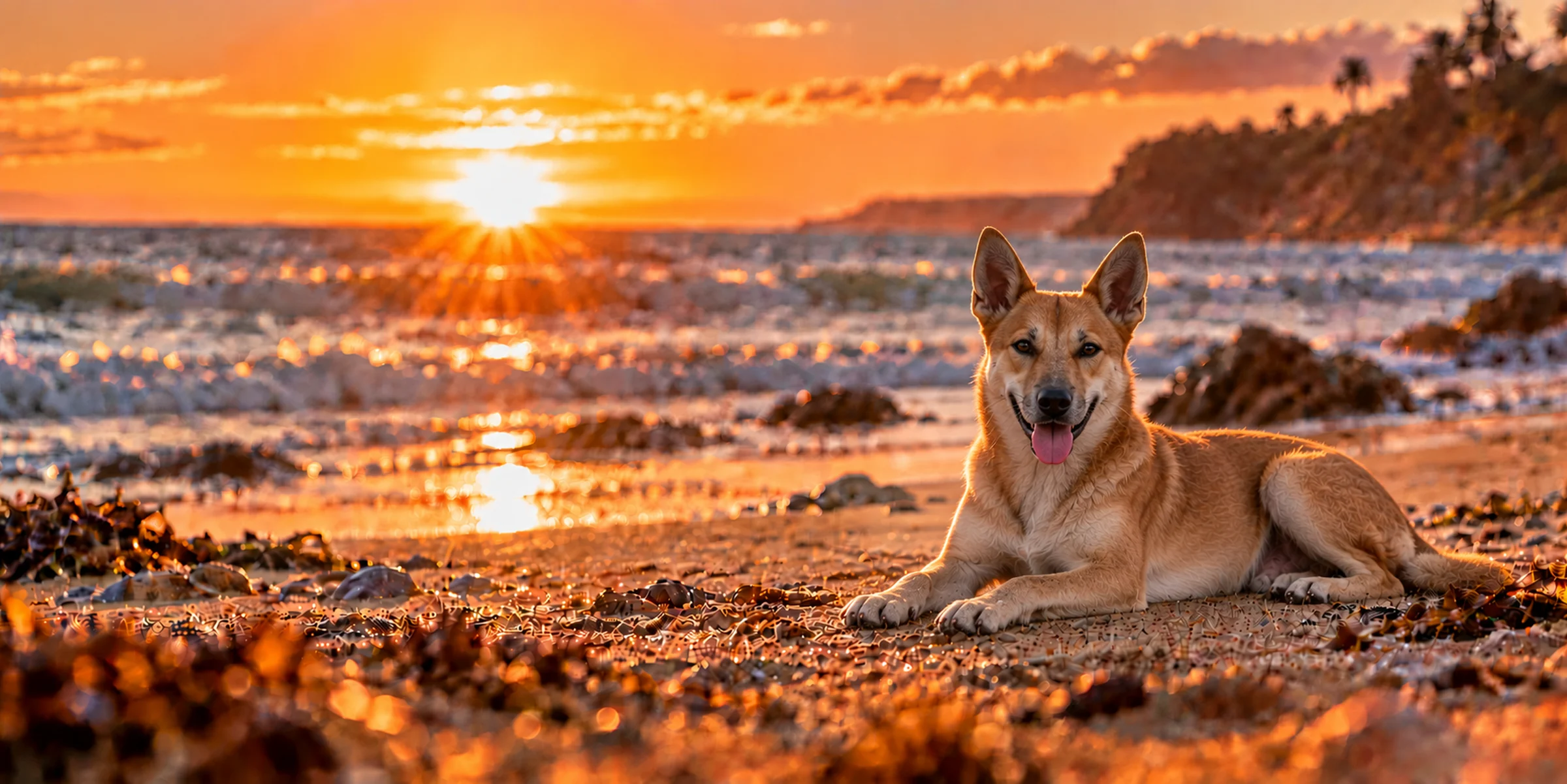
Carolina Dog
The closest North American parallel - another indigenous landrace with the same wedge head, prick ears and hooked tail, shaped by surviving rather than by breeders. Carolina Dogs are steadier with strangers and far easier to find in the US; the Taiwan Dog is sharper, more protective and genuinely rare.
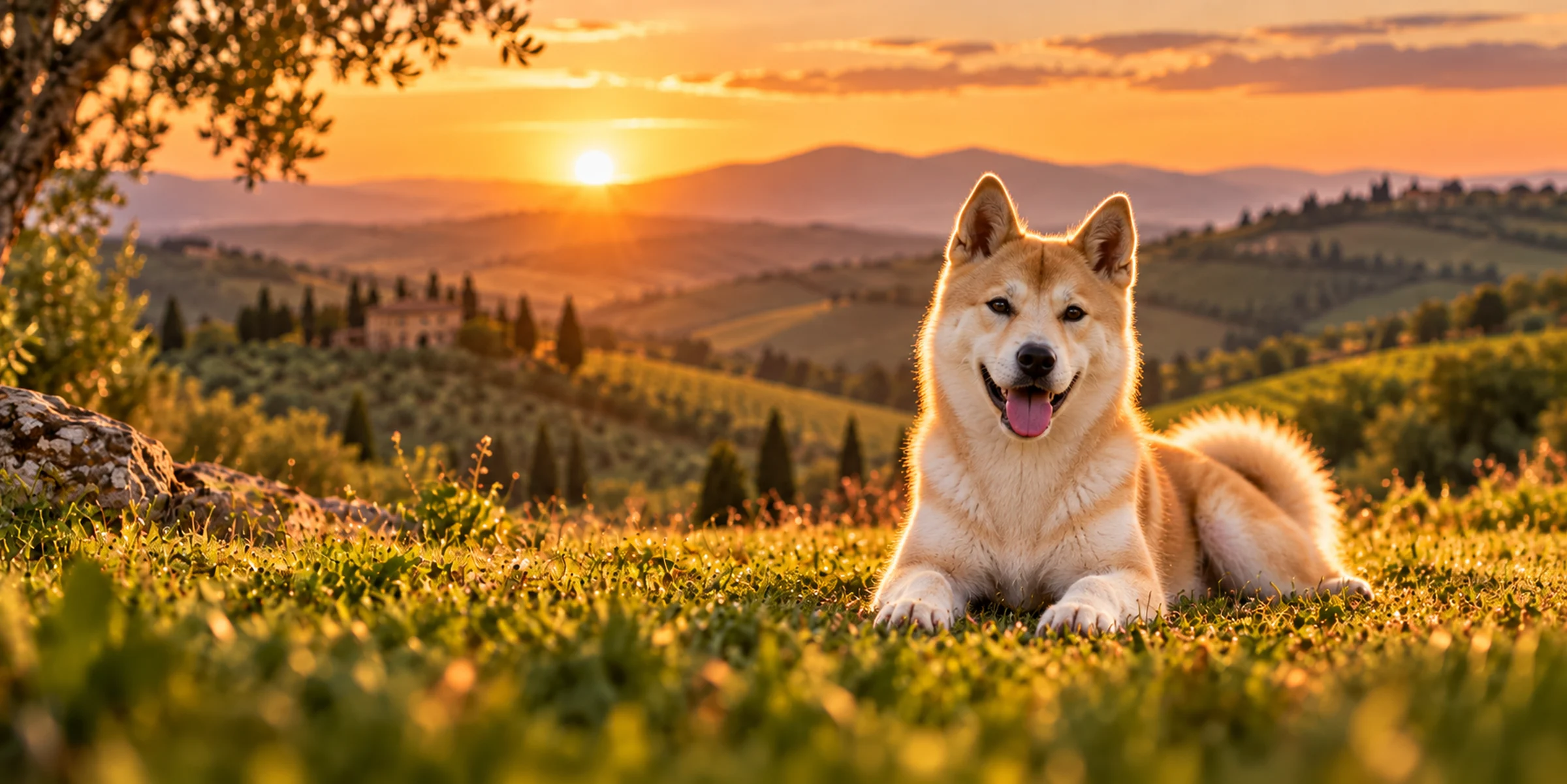
Korean Jindo Dog
Another East Asian native with fierce loyalty, real prey drive and a mind of their own. The Jindo is a northern spitz with a heavy double coat and a famous one-person bond; the Taiwan Dog is short-coated for a subtropical climate, more agile, and guarding on behalf of the whole household.

Shiba Inu
The other primitive that came back from the edge - Shibas were rebuilt from three surviving lines after World War II, much as the Taiwan Dog was rebuilt from the mountain dogs that had stayed unmixed. The Shiba is around half the weight, widely available and long since settled into life as a companion; the Taiwan Dog is a hunter and guard nobody has softened.
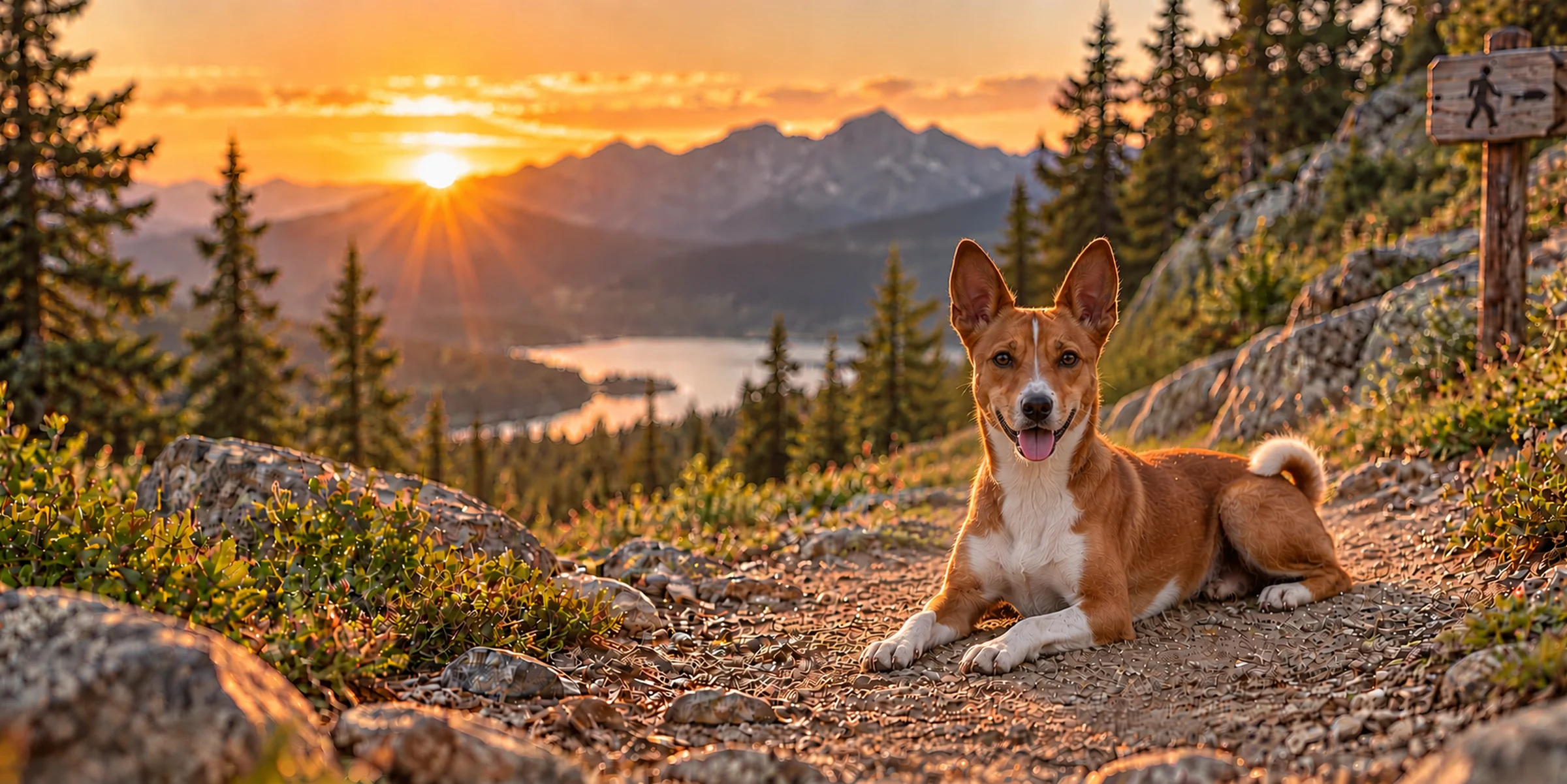
Basenji
Another ancient hunting breed with a cat-like independence and a strong aversion to complying just because you asked. Basenjis are smaller, funnier and aloof with almost everyone; the Taiwan Dog keeps all of the warmth for their own people and none at all for anyone else.
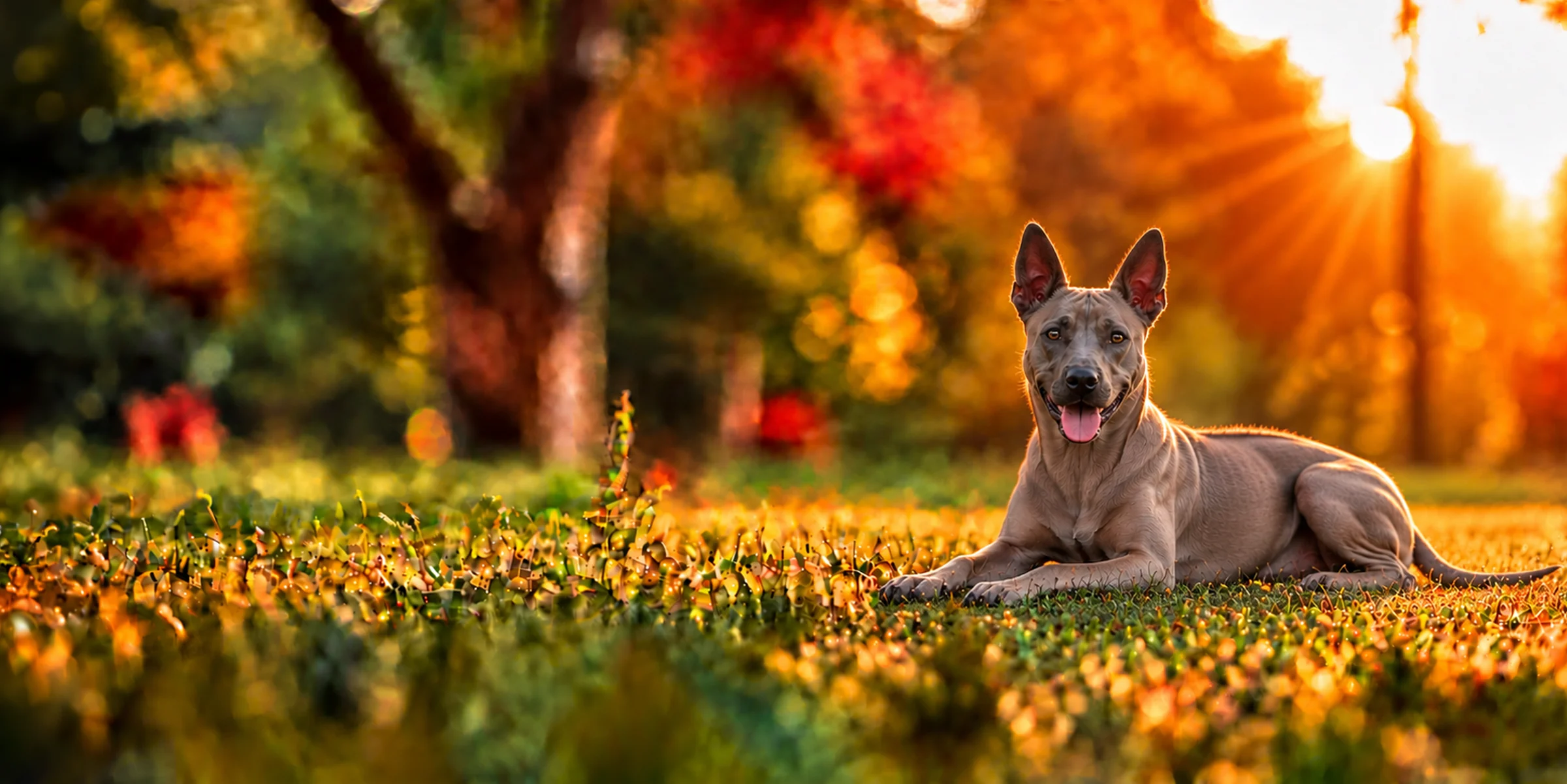
Thai Ridgeback
The Southeast Asian mainland equivalent, heavier and carrying the ridge. Thai Ridgebacks are more athletic jumpers and climbers again, and the ridge brings a dermoid sinus risk a Taiwan Dog does not have.