

medium-to-large breed
Saluki
A desert coursing hound built to run down gazelle and hare over distance, and shaped by it into something closer to a cat than a dog indoors - quiet, still, clean, and attached to a small circle of people. Salukis shed almost nothing and ask for a few minutes of grooming a week. What they ask for instead is management: fences, gates and leashes, every day, for life.

Pup Height
23-28 in

Pup Weight
40-65 lb
The standard gives a height of 23-28 in for males and says females may be considerably smaller; it sets no weight, and the 40-65 lb figure is the AKC's general guide. Two varieties judged as one breed: the Feathered, with silky feathering on the ears, legs, back of the thighs and tail, and the Smooth, identical except that the coat has no feathering. Colors include white, cream, fawn, golden, red, grizzle and tan, black and tan, and tricolor. Source: AKC breed standard.

Pup Lifespan
10-17 years
Your pup, at a glance
What’s Life With This Pup Really Like?

Moderate. Affectionate and gentle with their own people, and happy to share a soft sofa, but rarely clingy.

Fair. Best with calm, older children; Salukis are sensitive, dislike rough handling and will leave rather than tolerate chaos.

Low. Usually fine with other sighthounds and calm dogs, but cats and small animals trigger a powerful prey drive.

Very low. A quiet breed that rarely barks without a reason.

High in bursts. They need regular full-speed runs, then spend much of the day asleep.

Low. A smooth, light coat with no heavy undercoat sheds little.

Reserved but playful with family. Chasing and zoomies suit them far more than fetch or tug.

Minimal. A dry-mouthed, tidy dog.

Challenging. Intelligent but independent and sensitive, and they lose interest fast with repetition or pressure.

Low. Salukis may notice strangers, but they tend to keep their distance rather than raise the alarm.

Low. A weekly brush, a comb through the feathering and regular nails cover most of it.

Moderate to low. Salukis settle in quiet homes but struggle with cold, noise, stress and any space without secure fencing.
Lifestyle fit
Could This Be Your Best Breed?
Salukis suit a calm household with a tall fence, soft furniture to lie on, and somewhere enclosed to let a sighthound gallop a few times a week. Costs run $1,600 to $2,800 a year, and the lifespan ranges widely, ten to seventeen years. The off-leash walk in an open park is the one thing a Saluki can never give you, and no amount of training changes that.

Living Space
A house with a tall, secure fence and soft furniture. Salukis are quiet and still indoors, but they need somewhere enclosed to run flat out, and a gap in the fence or an open gate is how they are lost. An apartment can work only with a reliable plan for daily off-leash running somewhere fully enclosed.

Pup Experience
Best with an owner who already knows sighthounds, or a first-timer who has done the reading and accepts the terms. A Saluki is sensitive, independent and not interested in obedience for its own sake, and no amount of training makes one safe off-leash in open country.

Daily Pup Time
About an hour a day: walks on leash plus a real gallop in a secure space several times a week. Grooming is a few minutes. The bigger commitment is management - fences, gates and leashes, every day, for life.

Allergies & Coat
The Saluki scores 2/10 for shedding and 1/10 for drooling. No dog is truly hypoallergenic. The allergens come from dander and saliva, and a coat that sheds this little leaves far less of them on your furniture, floors, and clothes.
Quirks & challenges
The Not-So-Easy Stuff

Never Reliable Off-Leash
Once a Saluki sees something run, recall stops existing. They can reach a road half a mile away before you have finished calling.
Extreme Prey Drive
Squirrels, rabbits and cats are the purpose of the breed. Cats raised alongside them are sometimes safe indoors and still at risk outside.
Reserved and Sensitive
Shy or aloof with strangers and easily stressed by harsh voices or rough play. Early, gentle socialization matters a great deal.
Fence Jumpers
A determined Saluki clears a low fence easily. Plan on six feet and a gate that latches itself.
Bony and Cold-Sensitive
Little body fat and thin skin. They need soft bedding to avoid pressure sores and a coat in cold weather.
Independent Learners
Smart, but uninterested in repetition. Drills bore them and pressure makes them shut down.
The good, the bad & the hairy
Health, Care & Costs
Understanding the health risks and ongoing costs of a Saluki helps you plan for a happy, healthy life together.

10-17 years
$40-$70
per visit (bath, nails, ear feathering tidy) if outsourced, every 8-12 weeks - or close to nothing at home ($0-$350/year)
$1,600-$2,800/year
all-in (food, routine vet, coats and bedding, insurance, incidentals)

Health Risks
Conditions this breed is prone to.

Dilated cardiomyopathy, valve disease and murmurs are among the breed club's main health concerns. Early cases are often silent, so breeding dogs should have an echocardiogram from a cardiologist, and adults benefit from periodic heart checks.
A cancer of the blood vessels, usually in the spleen or heart, that often goes unnoticed until it bleeds internally. There is no screening test; sudden weakness, pale gums or a swollen belly are an emergency.
An underactive thyroid causes weight change, coat loss and low energy, and a daily tablet manages it. Sighthounds naturally run lower thyroid values than other breeds, so a vet who knows this avoids treating a healthy Saluki for a condition they do not have.
Very little body fat means some anesthetic and sedative drugs stay in circulation longer than in other breeds. Tell any vet that Salukis are sighthounds before any procedure, including a routine dental.
Cataracts and retinal problems are reported in the breed. An annual eye examination by a veterinary ophthalmologist catches changes early and is part of responsible breeding.
Thin skin tears on brush and wire fencing, and bony joints develop sores on hard floors. Soft bedding and care on rough ground prevent most of these vet visits.

Insurance & Health Coverage
Heart disease is the claim to think about first. Cardiomyopathy and valve disease often appear in middle age, and a cardiologist, echocardiograms and lifelong medication add up quickly. A murmur noted on the record before cover starts becomes a permanent exclusion, so insure young.

Cancer, particularly hemangiosarcoma, is the other large risk. Treatment is expensive and often urgent, which makes the per-condition and annual caps more important than the premium.

The everyday risks are accidents: a sighthound running at full speed collides with things, tears skin on fences and, if they get loose, meets traffic. Accident cover matters more for this breed than for most.
 Get a Pet Insurance Quote
Care needs
The Daily Routine

Grooming
Minimal. A weekly brush with a soft brush or comb, a gentle comb through the ear and tail feathering on the Feathered variety to prevent tangles, and regular nail trims. Salukis are clean dogs with little odor and need only an occasional bath.

Exercise
About an hour of daily activity, including leashed walks and, several times a week, a full-speed run in a securely fenced area or at a lure coursing event. They are sprinters with real stamina, and a Saluki who never gets to run tends to find their own way out to do it.

Food & Weight
Lean is correct: hip bones and a few ribs showing are normal for a Saluki, and adding weight to satisfy strangers is not good for them. Many are picky or stress-sensitive eaters. Split food into two meals and keep hard running away from mealtimes, as with any deep-chested hound.
Similar breeds
If This Isn’t Quite the One
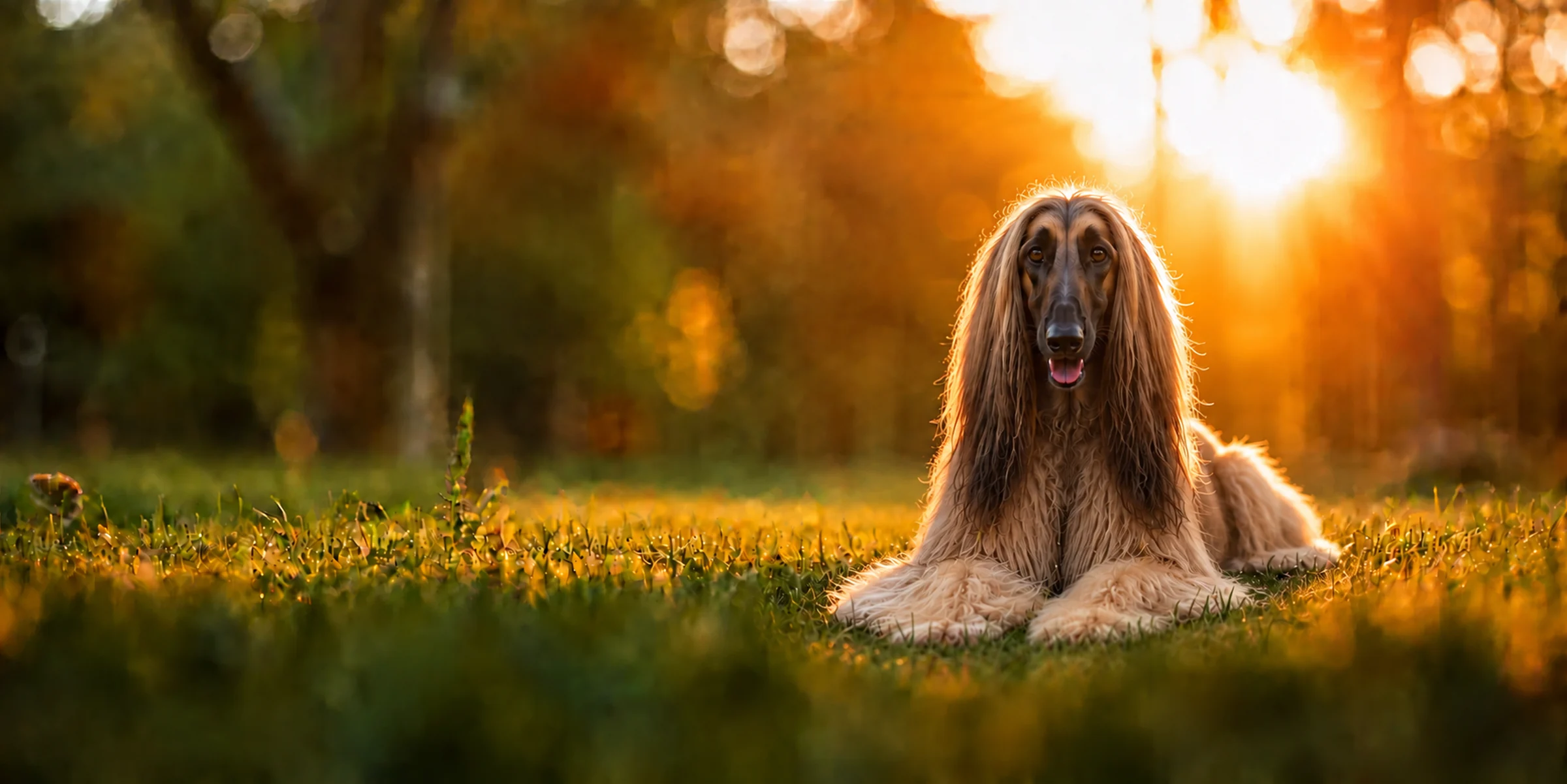
Afghan Hound
Another ancient coursing hound from the same broad region, with the same aloofness and prey drive. The Afghan carries a long coat that needs near-daily brushing; the Saluki's feathering takes minutes a week.

Azawakh
The closest match in build and reserve - lean, fast, cold-sensitive and devoted to their own people. The Azawakh adds a real guarding instinct, where the Saluki is quieter and more likely to retreat than to confront a stranger.
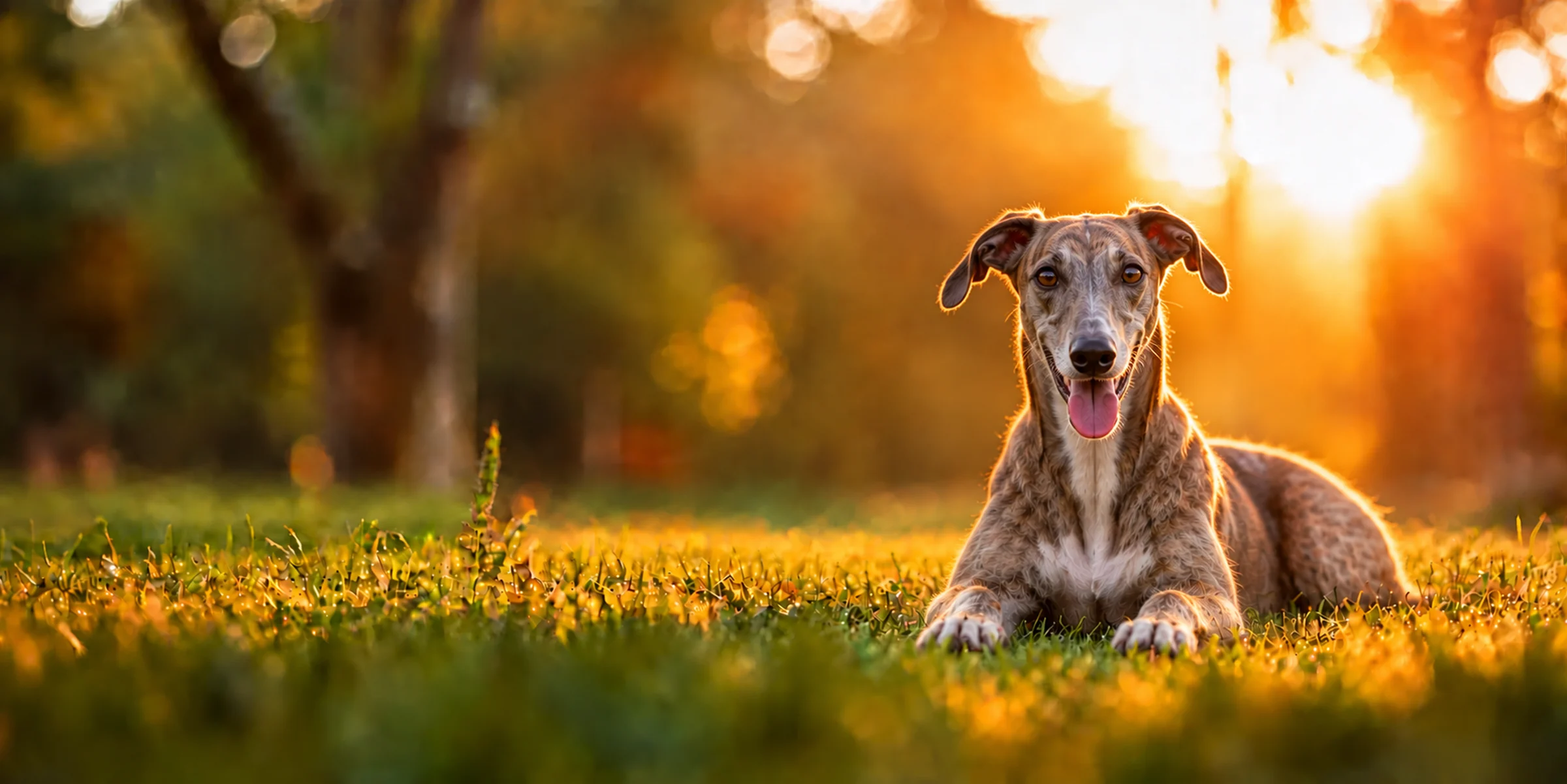
Greyhound
A larger, more easygoing sighthound. Greyhounds are usually friendlier with strangers and happier as couch companions, and retired racers are easy to find; the Saluki is more reserved, more sensitive and built for distance rather than a short sprint.
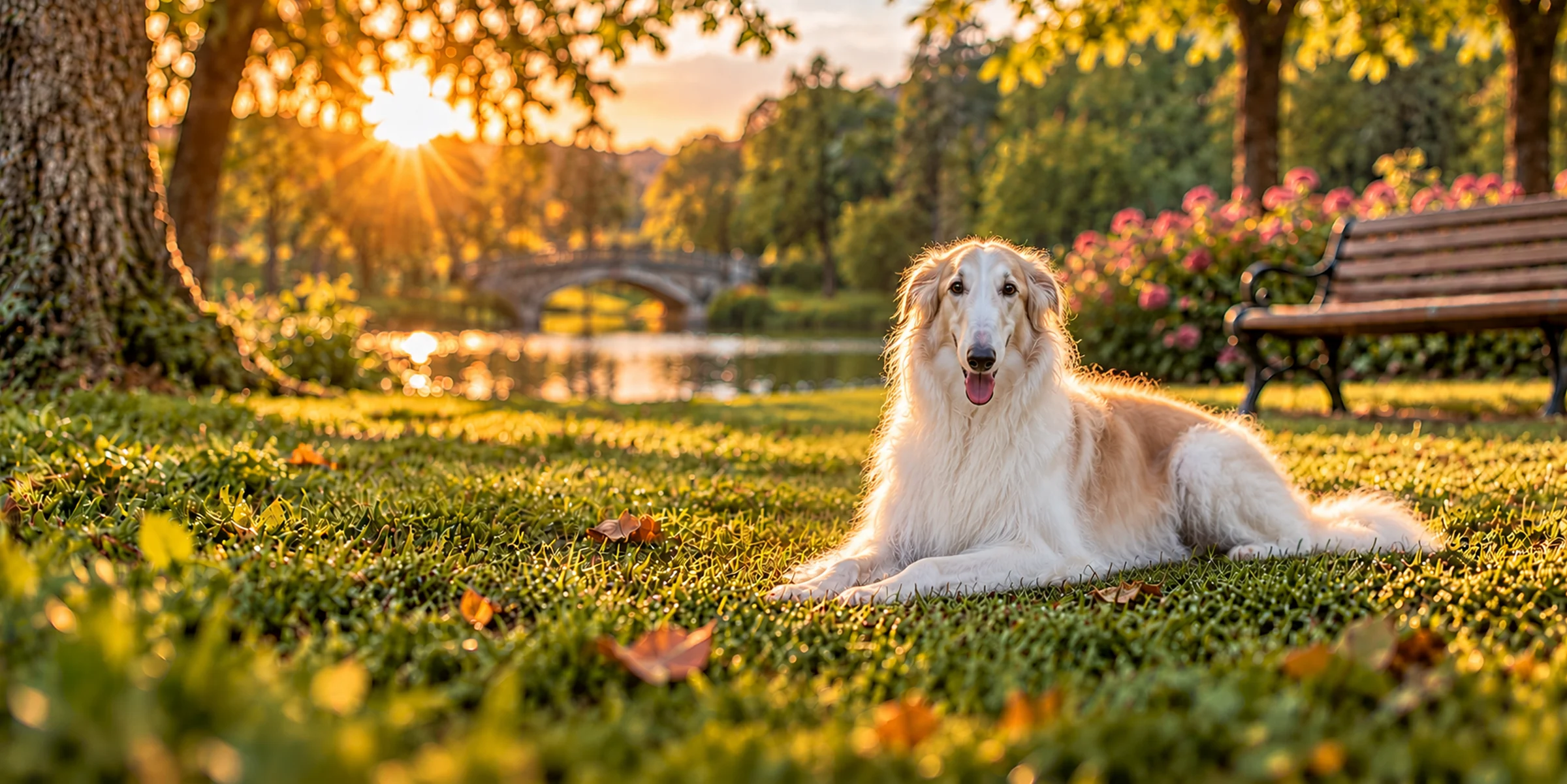
Borzoi
Another elegant, independent sighthound with strong prey drive. The Borzoi is considerably bigger and heavier with a fuller coat; the Saluki is lighter, needs less grooming and copes worse with cold.
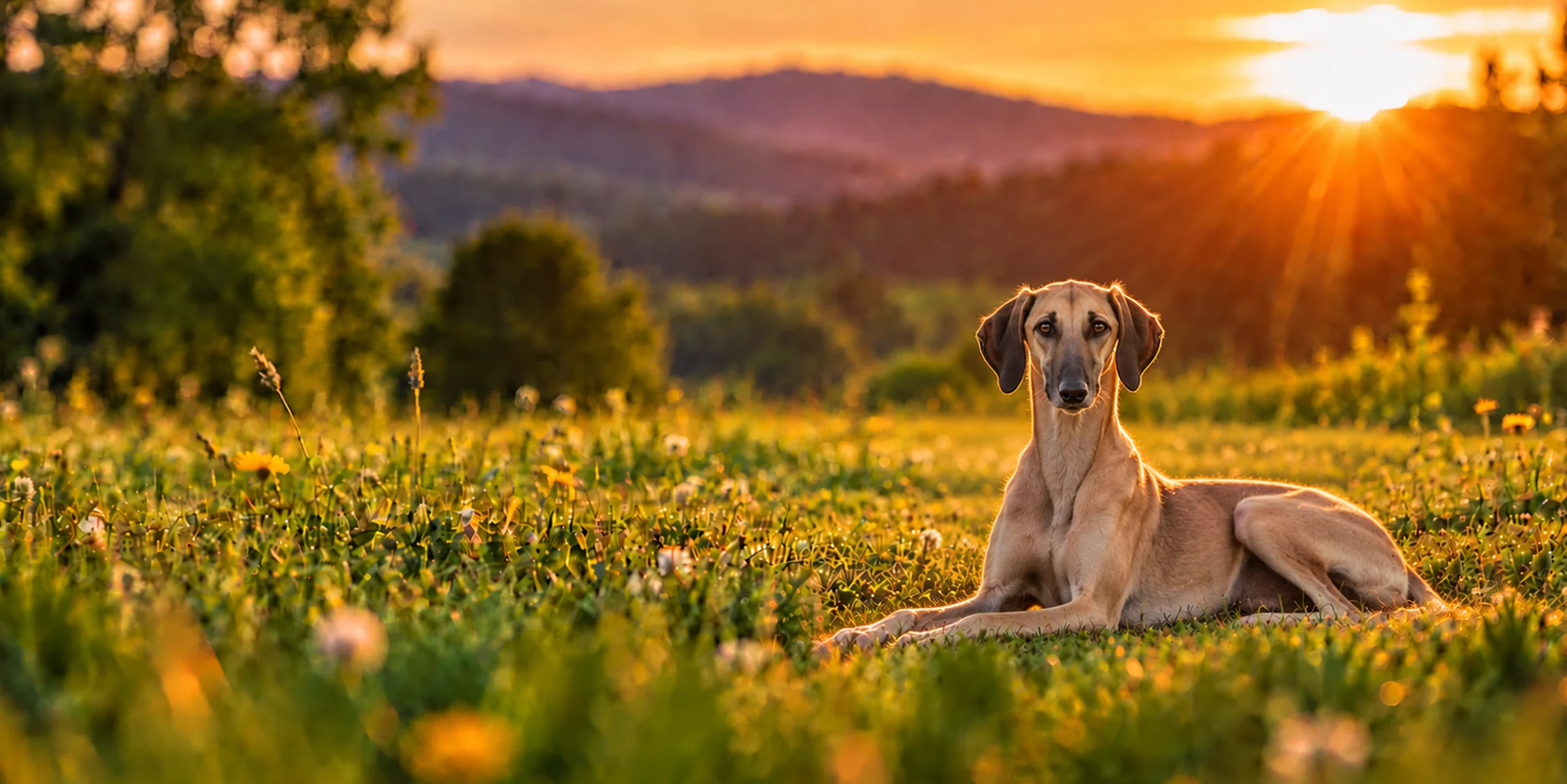
Sloughi
The smooth North African cousin, where feathering of any kind is a disqualification. Sloughis are slightly smaller, more openly watchful, and far harder to find outside their home countries.